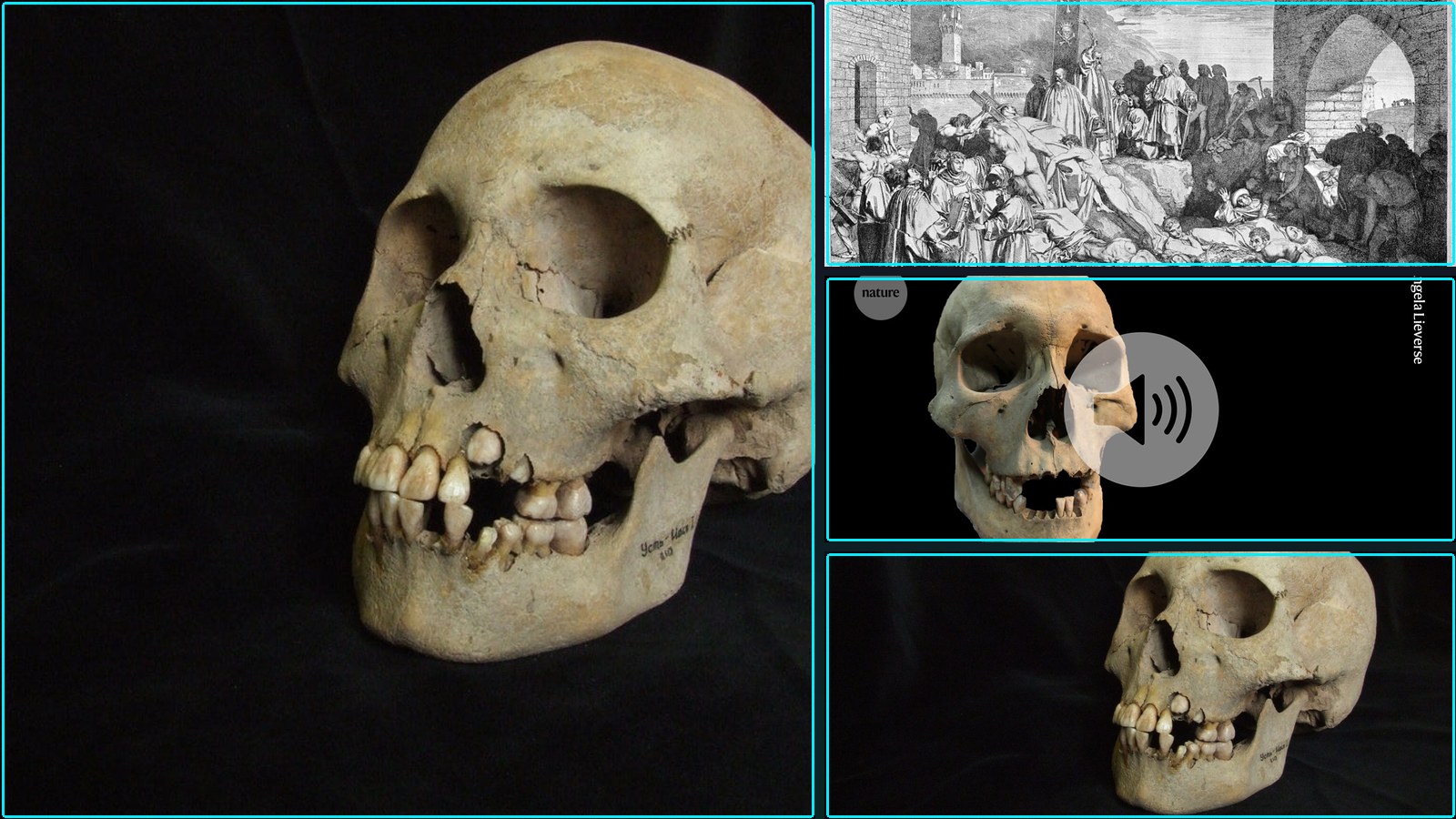
Ancient plague outbreaks traced through DNA
Ancient DNA rewrites plague history after deadly outbreaks found 5,500 years ago (Independent.Co.Uk)
Summary: Ancient DNA analysis of 5,500-year-old hunter-gatherer remains near Siberia’s Lake Baikal has identified the oldest known evidence of plague, pushing its documented history back by 200 years. The study, led by Eske Willerslev and published in Nature, reveals two distinct outbreaks that likely spread from marmots to humans and then between people via coughing. Victims included young children, with poignant burial arrangements suggesting community care. This early strain evolved long before the bubonic plague, indicating that plague was deadly even in small nomadic groups.
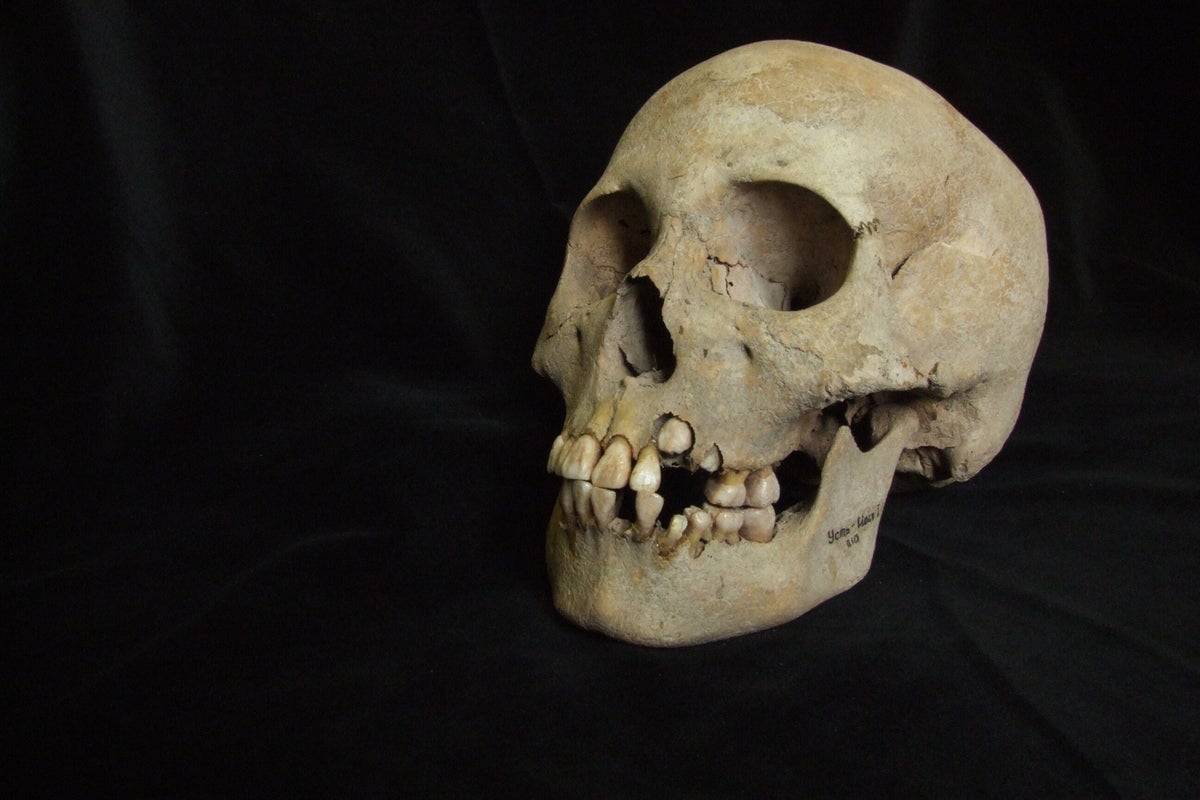
Why it matters: This discovery rewrites the timeline of plague’s emergence, showing it was a lethal force in prehistoric societies, not just in urban civilizations, and offers a model for understanding how zoonotic pathogens evolve into human-adapted threats.
Context: Previous evidence placed plague’s origins around 5,300 years ago in Bronze Age Eurasia; this find pushes it back to the Neolithic, linking it to hunter-gatherer rather than agricultural populations.
"Ancient DNA rewrites plague history after deadly outbreaks found in Siberia 5,500 years ago Scientists say the find could provide clues on how pathogens may emerge in the future – Bookmark -." — INDEPENDENT.CO.UK
Commentary: The study’s key implication is that plague’s deadliness predates dense urban settlements, challenging assumptions that large populations were necessary for its virulence. This shifts the focus to zoonotic spillover dynamics in small groups, which has direct relevance for pandemic preparedness. The burial evidence also suggests that prehistoric communities recognized the disease’s contagiousness, a social response that may have influenced early public health behaviors.
Date: June 18, 2026 06:45 AM ET
URL: https://independent.co.uk/news/science/plague-ancient-teeth-dna-siberia-b2998268.html
AI Sentiment Score: Negative (83%)
AI Credibility Score: 10.0/10 — High
Scores and text generated by AI analysis of the source article indicated.
Ancient teeth from Siberia rewrite the plague’s timeline, dating back to over 5,500 years ago (Washingtontimes)
Summary: Researchers analyzing ancient teeth from Siberian cemeteries near Lake Baikal have identified plague-causing bacteria dating back approximately 5,500 years, pushing the known timeline of the disease back by about 200 years. The study, published in Nature, found plague DNA in 18 hunter-gatherer remains, revealing two prehistoric outbreaks that likely spread from marmots and through human respiratory droplets. Victims included multiple young children buried together, suggesting the disease could cause both isolated cases and community outbreaks long before the bubonic plague of the medieval era. This earlier form of plague evolved separately from the Black Death strain but was evidently capable of decimating small nomadic groups, not just crowded urban centers.

Why it matters: This discovery rewrites the plague’s evolutionary timeline and demonstrates that deadly pathogens capable of sustained transmission existed in small, mobile hunter-gatherer populations, challenging assumptions about the conditions required for epidemic disease emergence.
Context: Previous evidence placed the earliest plague outbreaks around 5,000 years ago in Bronze Age Europe, linked to early trade networks and population density. The Siberian findings predate those by centuries and come from a non-agricultural, low-density context.
"NEW YORK — Scientists have found the oldest known evidence of the plague, which sparked deadly outbreaks dating back about 5,500 years ago – some 200 years earlier than previously thought. The." — WASHINGTONTIMES
Commentary: The implication is that the plague’s capacity for epidemic spread did not require the urban infrastructure of the Black Death era. This forces a reassessment of how ancient pathogens adapted to human hosts and whether other historical pandemics may have similarly deep roots in pre-agricultural societies. The burial patterns—multiple related individuals in shared graves—also provide rare social context for how these communities responded to disease.
Date: June 17, 2026 11:02 AM ET
URL: https://washingtontimes.com/news/2026/jun/17/ancient-teeth-siberia-rewrite-plagues-timeline-dating-back-5500-years
AI Sentiment Score: Negative (83%)
AI Credibility Score: 10.0/10 — High
Scores and text generated by AI analysis of the source article indicated.
Ancient teeth from Siberia rewrite the plague’s timeline, dating back to over 5,500 years ago (Clickorlando)
Summary: Researchers have identified the oldest known plague DNA in the teeth of hunter-gatherers buried near Siberia’s Lake Baikal, dating the first outbreaks to around 5,500 years ago—200 years earlier than the previous record. The study, published in Nature, found evidence of two distinct outbreaks that likely spread from marmots to humans through butchery or consumption of raw organs, and then between people via respiratory droplets. Victims included multiple young children buried in family groupings, suggesting the disease struck small, nomadic groups as well as later crowded settlements. The ancient strain predates the bubonic plague responsible for the Black Death, offering a deeper evolutionary timeline for how Yersinia pestis became a deadly human pathogen.

Why it matters: This discovery pushes back the known timeline of plague in humans by two centuries and reveals that the pathogen was capable of causing outbreaks among small, mobile hunter-gatherer bands, not just in dense urban populations—changing our understanding of how ancient diseases shaped human social and demographic patterns.
Context: Previous evidence placed the earliest plague outbreaks around 5,300 years ago in Europe and Asia, linked to the Bronze Age. The new Siberian finds from the Lake Baikal region show the disease was already circulating among foragers in a colder, more isolated environment, suggesting a more complex early ecology for Yersinia pestis.
"The disease has sickened humans for thousands of years and wiped out a significant chunk of Europe’s population in the 14th century during what’s known as the Black Death. Though rare, the plague is still around today and is treated with antibiotics." — CLICKORLANDO
Commentary: The family burial patterns—cousins and aunt-nephew pairs in shared graves—imply that prehistoric communities recognized the disease and maintained social bonds even in death, a poignant counterpoint to the pathogen’s lethality. That the plague could decimate small nomadic groups as effectively as later medieval cities suggests its transmission dynamics were already sophisticated, and that population density was not a prerequisite for major outbreaks. For evolutionary biologists, this deepens the puzzle of how Yersinia pestis acquired flea-borne transmission, a key adaptation that likely came later. The finding also underscores how ancient DNA from dental pulp can reveal not just pathogen presence but the social fabric of the infected.
Date: June 17, 2026 11:02 AM ET
URL: https://clickorlando.com/health/2026/06/17/ancient-teeth-from-siberia-rewrite-the-plagues-timeline-dating-back-to-over-5500-years-ago
AI Sentiment Score: Negative (80%)
AI Credibility Score: 10.0/10 — High
Scores and text generated by AI analysis of the source article indicated.
Ancient DNA reveals plague wreaked havoc 5,500 years before Black Death (Homenewshere)
Summary: Ancient DNA from Siberian hunter-gatherer cemeteries reveals that Yersinia pestis was causing lethal outbreaks 5,500 years ago, centuries before the Black Death. The study found plague DNA in 18 of 46 individuals (39%), a higher detection rate than in some medieval plague pits, and identified a unique superantigen toxin that likely increased severity. Radiocarbon dating shows many burials occurred within a very short time, with families buried together, indicating rapid, deadly transmission even without flea-borne mechanisms.
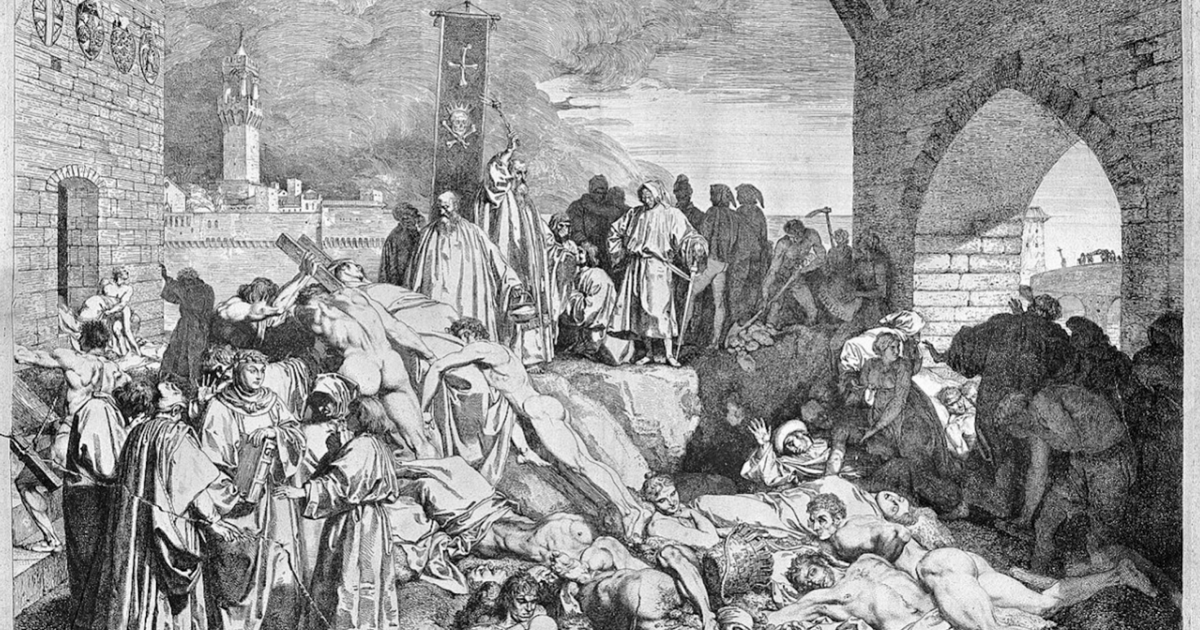
Why it matters: This rewrites the timeline of plague lethality, showing that early strains were already highly virulent in small prehistoric communities, challenging the assumption that flea-borne transmission was necessary for major outbreaks. It also supports a Central/North-East Asian origin for plague, with implications for understanding ancient human-rodent interactions and the deep history of zoonotic diseases.
Context: Previous studies argued early Yersinia pestis lacked genetic traits for flea-borne spread, suggesting mild infections. This study overturns that by demonstrating high lethality and a unique superantigen in ancient strains.
"By Stephen Beech The "highly lethal" oldest strains of plague were killing people thousands of years before the Black Death, according to new research. Plague is usually associated with rats, crowded medieval." — HOMENEWSHERE
Commentary: The 39% detection rate in hunter-gatherer remains—higher than medieval plague pits—is a striking data point that reframes plague’s evolutionary history. The superantigen discovery suggests early strains evolved potent immune-disrupting mechanisms independently of later flea-adapted forms, indicating convergent evolution toward lethality. This shifts the narrative from plague as a medieval urban phenomenon to a recurring threat in prehistoric Eurasia, with implications for how we model ancient population collapses and disease reservoirs.
Date: June 17, 2026 11:10 AM ET
URL: https://homenewshere.com/national/health/article_b3a128ac-bca4-552a-b198-beb747c9a94c.html
AI Sentiment Score: Negative (50%)
AI Credibility Score: 10.0/10 — High
Scores and text generated by AI analysis of the source article indicated.
Oldest evidence of a plague outbreak found in prehistoric graves, rewriting the disease’s history (Nbcnews)
Summary: Analysis of ancient DNA from 5,500-year-old hunter-gatherer graves in Siberia reveals the earliest known plague outbreak, with Yersinia pestis detected in 40% of skeletons. The findings challenge the long-held assumption that plague emerged only with Neolithic agriculture, showing instead that it circulated in pre-agricultural communities and likely spread directly between humans as pneumonic plague. Multiple children buried together suggest family-level transmission and high juvenile mortality, rewriting the timeline and social context of one of history’s most consequential diseases.
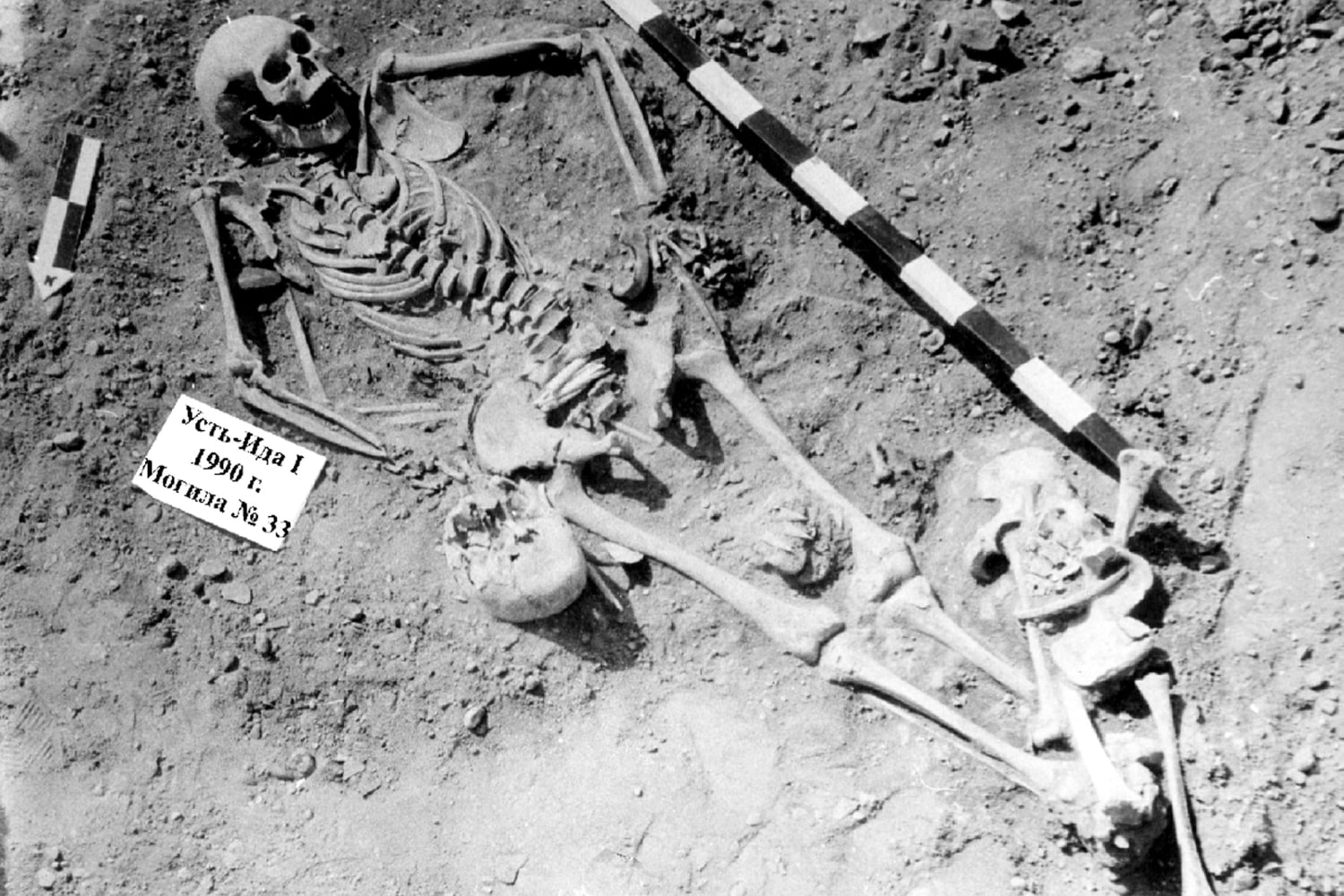
Why it matters: This discovery forces a fundamental revision of plague’s evolutionary and epidemiological history, demonstrating that epidemic infectious disease was a significant selective pressure long before settled agriculture, and that hunter-gatherer societies were not pathogen-free idylls.
Context: Previous plague research focused on the Bronze Age and later, with the earliest known single infection dated to ~5,000 years ago in Latvia. The Neolithic Revolution hypothesis held that dense human-animal contact in farming communities enabled plague’s emergence; this study undermines that narrative by showing outbreaks in mobile hunter-gatherer groups.
"In prehistoric graves of children in Siberia, scientists have found the world’s oldest evidence of a plague outbreak. The discovery, described in a study published Wednesday in the journal Nature, rewrites the." — NBCNEWS
Commentary: The detection of pneumonic plague—spread by coughing rather than flea bites—in pre-agricultural groups suggests that Yersinia pestis evolved its bubonic form later, around 3,800 years ago, as a secondary adaptation. This reframes plague not as a single pathogen with a linear history but as a pathogen that shifted transmission modes in response to changing human ecology. The high detection rate (40% vs. 20% in medieval London plague pits) implies that these outbreaks were catastrophic for small bands, potentially shaping population structure and mobility patterns in ways archaeologists have not yet modeled.
Date: June 17, 2026 11:00 AM ET
URL: https://nbcnews.com/science/science-news/oldest-evidence-plague-prehistoric-siberia-rcna349852
AI Sentiment Score: Negative (70%)
AI Credibility Score: 10.0/10 — High
Scores and text generated by AI analysis of the source article indicated.
DNA Reveals an Ancient Killer Was Already Deadly 5,500 Years Ago (Sciencealert)
Summary: New genomic evidence from four cemeteries near Lake Baikal in Siberia reveals that Yersinia pestis, the bacterium responsible for plague, was causing deadly outbreaks among hunter-gatherers as early as 5,500 years ago—centuries before it acquired the flea-borne transmission mechanisms that enabled later pandemics. Researchers found Y. pestis DNA in 18 of 46 individuals, with two cemeteries showing unusually high child mortality (65–75% under age 15), suggesting concentrated epidemics. Radiocarbon dating indicates two distinct outbreak phases separated by centuries, implying the pathogen persisted in local wildlife reservoirs, likely marmots. The findings challenge previous assumptions that early plague strains were mild, showing they were already highly lethal.
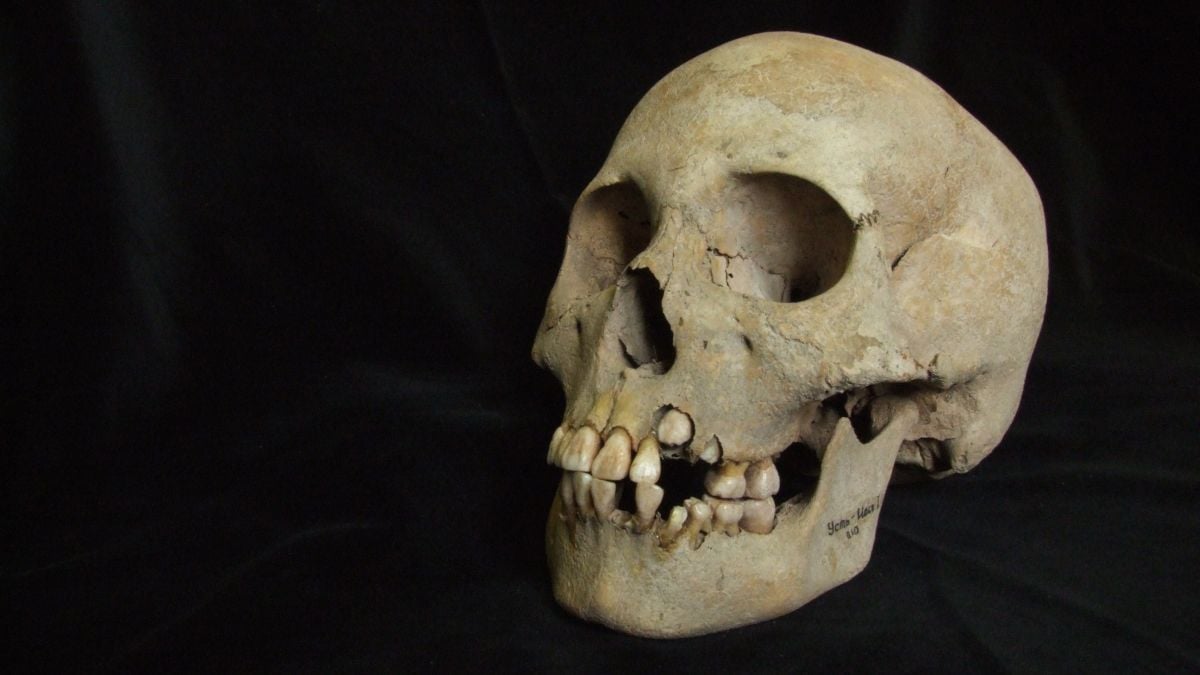
Why it matters: This rewrites the timeline of plague lethality and forces a reassessment of how infectious disease shaped prehistoric population dynamics, social structure, and mobility in Eurasia.
Context: Earlier studies identified isolated ancient plague cases in Sweden (4,900 years ago) and Latvia (5,000 years ago), but this is the first evidence of community-level outbreaks, with demographic and familial clustering that strongly supports epidemic transmission.
"Long before it evolved the genetic machinery that would help make bubonic plague one of history’s most feared diseases, the bacterium Yersinia pestis was already capable of unleashing deadly outbreaks. Now, researchers." — SCIENCEALERT
Commentary: The demographic signature—two-thirds of burials being children—is a brutal but clear epidemiological marker: pre-flea-borne plague was already a community-level killer, not a sporadic background pathogen. The centuries-long gap between outbreak phases points to a sylvatic reservoir, likely marmots, which means the disease could re-emerge from wildlife even after human populations crashed or dispersed. This complicates narratives of Neolithic collapse driven solely by climate or conflict, and suggests that pathogen evolution toward flea-borne transmission was an optimization of an already deadly system, not a transformation from benign to lethal.
Date: June 17, 2026 11:00 AM ET
URL: https://sciencealert.com/dna-reveals-an-ancient-killer-was-already-deadly-5500-years-ago
AI Sentiment Score: Negative (85%)
AI Credibility Score: 10.0/10 — High
Scores and text generated by AI analysis of the source article indicated.
Ancient DNA provides evidence of earliest known plague outbreak | Archaeology | The Guardian (Theguardian)
Summary: Ancient DNA from Siberian hunter-gatherer cemeteries reveals the earliest known plague outbreak, dating to about 5,500 years ago. Analysis of 42 skeletons found 39% carried Yersinia pestis DNA, with two-thirds of the dead being children under 15. The pathogen likely spread as pneumonic plague after butchering infected marmots, and carried a superantigen that made it especially lethal for children. The findings challenge assumptions that plague only devastated dense agricultural or urban populations.

Why it matters: This rewrites the early history of plague, showing it was a threat to sparse hunter-gatherer communities millennia before the Black Death, and forces a re-evaluation of how zoonotic diseases shaped prehistoric demography and social structure.
Context: Previous earliest plague evidence in Britain dates to 4,000 years ago; the Siberian finds push the outbreak record back by over a millennium and link it to wild animal reservoirs rather than domesticated ones.
"The earliest evidence for an outbreak of plague has been uncovered at late stone age cemeteries in south-eastern Siberia where dozens of hunter-gatherers and their children were buried. Ancient DNA collected from." — THEGUARDIAN
Commentary: The high proportion of plague-positive individuals (39%) in a small, mobile population suggests that pneumonic plague could burn through entire bands, not just cities. The superantigen finding explains the child mortality spike and implies that early Y. pestis strains were already formidable, even without flea-borne transmission. This shifts the narrative from plague as a byproduct of civilization to a persistent, ancient selective pressure on human social organization.
Date: June 17, 2026 11:00 AM ET
URL: https://theguardian.com/science/2026/jun/17/ancient-dna-evidence-earliest-known-plague-outbreak
AI Sentiment Score: Negative (55%)
AI Credibility Score: 10.0/10 — High
Scores and text generated by AI analysis of the source article indicated.
DNA from hunter-gatherer teeth reveals secrets of ancient plague (Nature)
Summary: Analysis of DNA from hunter-gatherer teeth has revealed evidence of ancient plague outbreaks, providing new insights into the history of infectious disease. The research, published in Nature, identifies Yersinia pestis DNA in skeletal remains, suggesting that plague outbreaks occurred much earlier than previously documented. This finding challenges existing timelines for the spread and impact of the disease in prehistoric human populations.
Why it matters: This discovery reshapes our understanding of how infectious diseases like plague influenced ancient human societies, potentially altering migration patterns, population structures, and cultural developments.
Context: Previous evidence for plague in prehistoric Eurasia was limited, with most known outbreaks dating to historical periods. The identification of Yersinia pestis in hunter-gatherer remains from the Stone Age suggests that the pathogen circulated among mobile forager groups long before the rise of urban civilizations.
"Ancient evidence of deadly plague outbreaks." — NATURE
Commentary: The finding that plague was present in hunter-gatherer populations forces a revision of the narrative that associates major infectious diseases primarily with agricultural settlements and trade networks. It implies that pathogen transmission dynamics in pre-agricultural societies were more complex than assumed, and that even sparse, mobile groups could sustain or encounter lethal pathogens. This has implications for modeling ancient demography and the evolutionary pressures shaping human immunity.
Date: June 16, 2026 08:00 PM ET
URL: https://nature.com/articles/d41586-026-01941-7
AI Sentiment Score: Positive (50%)
AI Credibility Score: 10.0/10 — High
Scores and text generated by AI analysis of the source article indicated.
Post ID: 0869a85c