Prehistoric Art and Structures
Archaeologists Uncover a Neolithic Sculpture of a Human Riding a Leopard That’s ‘Unlike Anything We Have Encountered Before’ (Smithsonianmag)
Summary: Archaeologists at Karahan Tepe, an 11,000-year-old site in southeastern Turkey, have unearthed a 2.3-foot-tall Neolithic sculpture of a human riding a leopard. Turkey’s culture and tourism minister, Mehmet Nuri Ersoy, called it a composite figure unlike anything previously encountered. The artifact was found on a platform along the wall of a round structure with a stone floor. Jens Notroff of the German Archaeological Institute theorizes the sculpture may have signified strength, with a human mastering a dangerous predator as a possible symbol of power.
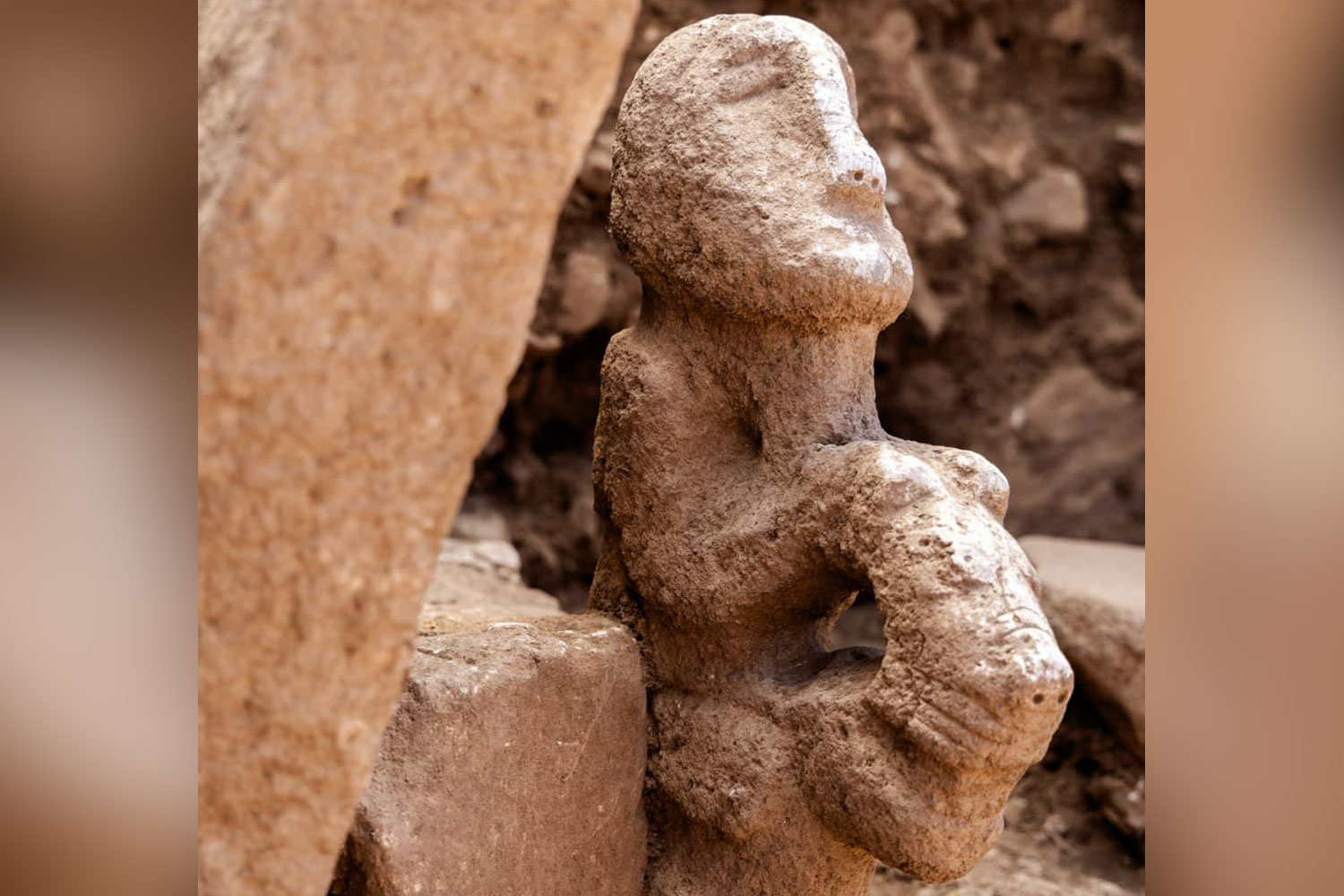
Why it matters: The sculpture provides rare evidence for the cultural unity and a common iconographic language of prehistory, as noted by archaeologist Ergun Lafli.
Context: The find follows a 2021 discovery at the same site of a statue showing the reverse dynamic: a human carrying a leopard on his back, now in the Sanliurfa Museum.
"We have brought to light an 11,000-year-old statue with no known parallel,” Mehmet Nuri Ersoy, Turkey’s culture and tourism minister, says in a statement shared with the Bulgarian News Agency’s Ayshe Sali and Petya Dikova. “We discovered a composite figure unlike anything we have encountered before." — SMITHSONIANMAG
Date: September 10, 2026 10:09 AM ET
URL: https://www.smithsonianmag.com/smart-news/archaeologists-uncover-a-neolithic-sculpture-of-a-human-riding-a-leopard-thats-unlike-anything-we-have-encountered-before-180989477/
Generated Analysis Tone: Negative (66%)
Source Registry Score: 10.0/10 — High
Generated text and tone describe the analysis; the source registry score is not a factual truth rating.
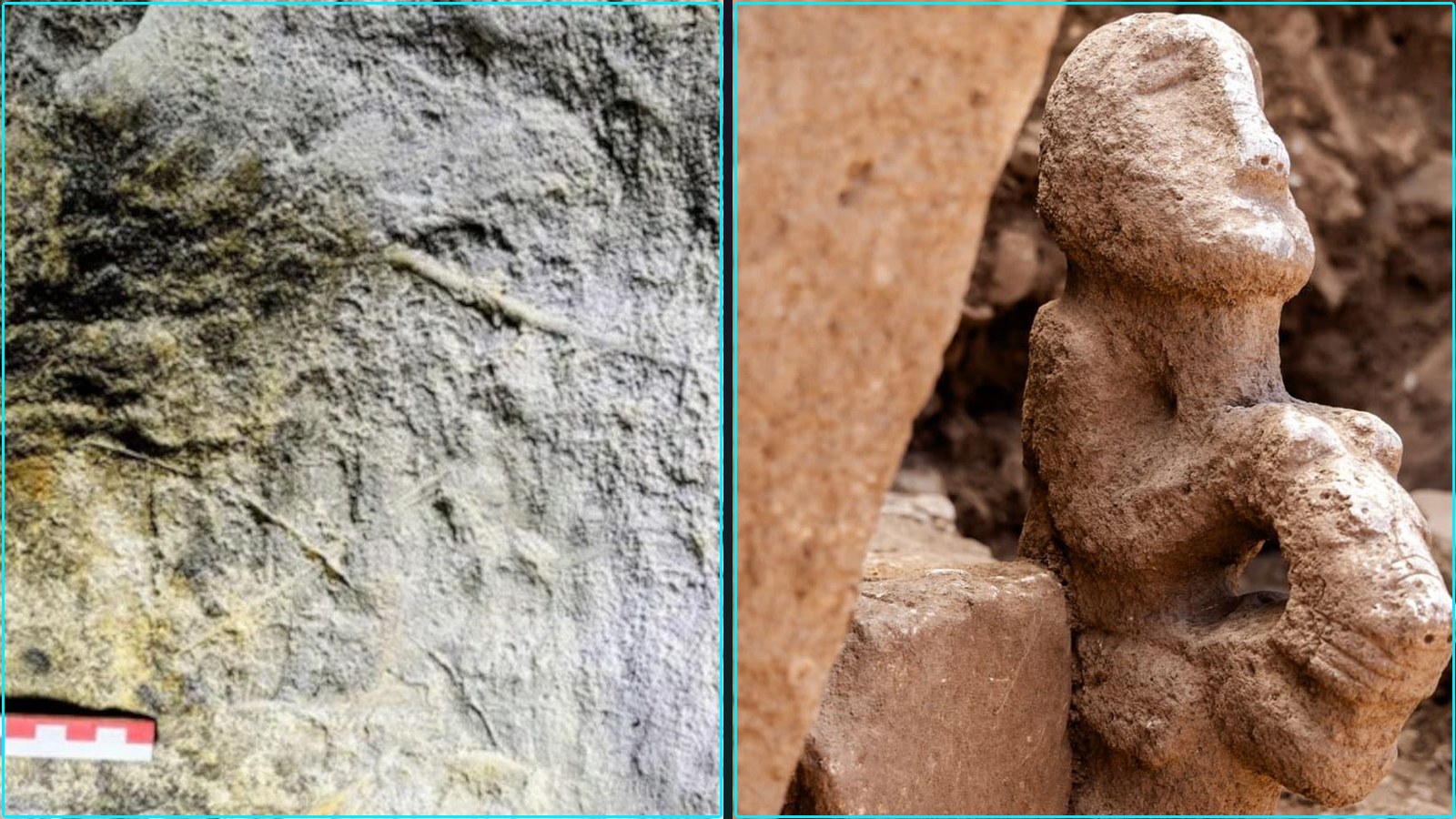
Irish Cave Art May Push Human Story Back to 15,000 Years (Ancient-Origins.Net)
Summary: Cave art in eight Irish caves, identified using a computer model trained on Welsh sites, may date to at least 15,000 years ago, roughly 5,000 years before the previous oldest evidence of humans in Ireland. The findings support a hypothesis that Ice Age hunter-gatherers crossed a now-submerged land bridge from Wales. However, no peer-reviewed paper, direct dating, or stratigraphic data has been published, so the age estimate remains unverified.

Why it matters: The source states that authentication, direct dating, and independent review remain essential, and that the discovery offers an exciting lead that could connect Ireland’s hidden Palaeolithic record with the long history preserved in Welsh caves.
Context: A butchered reindeer bone has been used to argue for human activity in ancient Ireland around 33,000 years ago, while firmer evidence for settlement belongs to the post-Ice Age world of Irish hunter-gatherers.
"No peer-reviewed paper describing the eight Irish caves could be identified at the time of writing, so authentication, direct dating, and independent review remain essential. Even with that caution, the discovery offers an exciting lead that could connect Ireland’s hidden Palaeolithic record with the long history preserved in Welsh caves." — ANCIENT-ORIGINS.NET
Date: September 07, 2026 12:24 PM ET
URL: https://ancient-origins.net/news-history-archaeology/irish-cave-art-00103156
Generated Analysis Tone: Negative (50%)
Source Registry Score: 10.0/10 — High
Generated text and tone describe the analysis; the source registry score is not a factual truth rating.
Post ID: 785515d9