Supply chain innovations and disruptions
Is Amazon Supply Chain Services already a logistics heavyweight? (Supplychaindive)
Summary: Amazon Supply Chain Services (ASCS) is now available to any business, not just marketplace sellers, bundling freight, parcel, and fulfillment services. Analysts see its parcel offering, Amazon Shipping, as a pricing threat to smaller carriers and a competitive pressure on FedEx and UPS in lightweight e-commerce, though its LTL trucking remains limited. The bundle’s appeal is to fast-growing brands seeking a single logistics provider from origin to consumer, but capacity allocation and data-use questions persist.
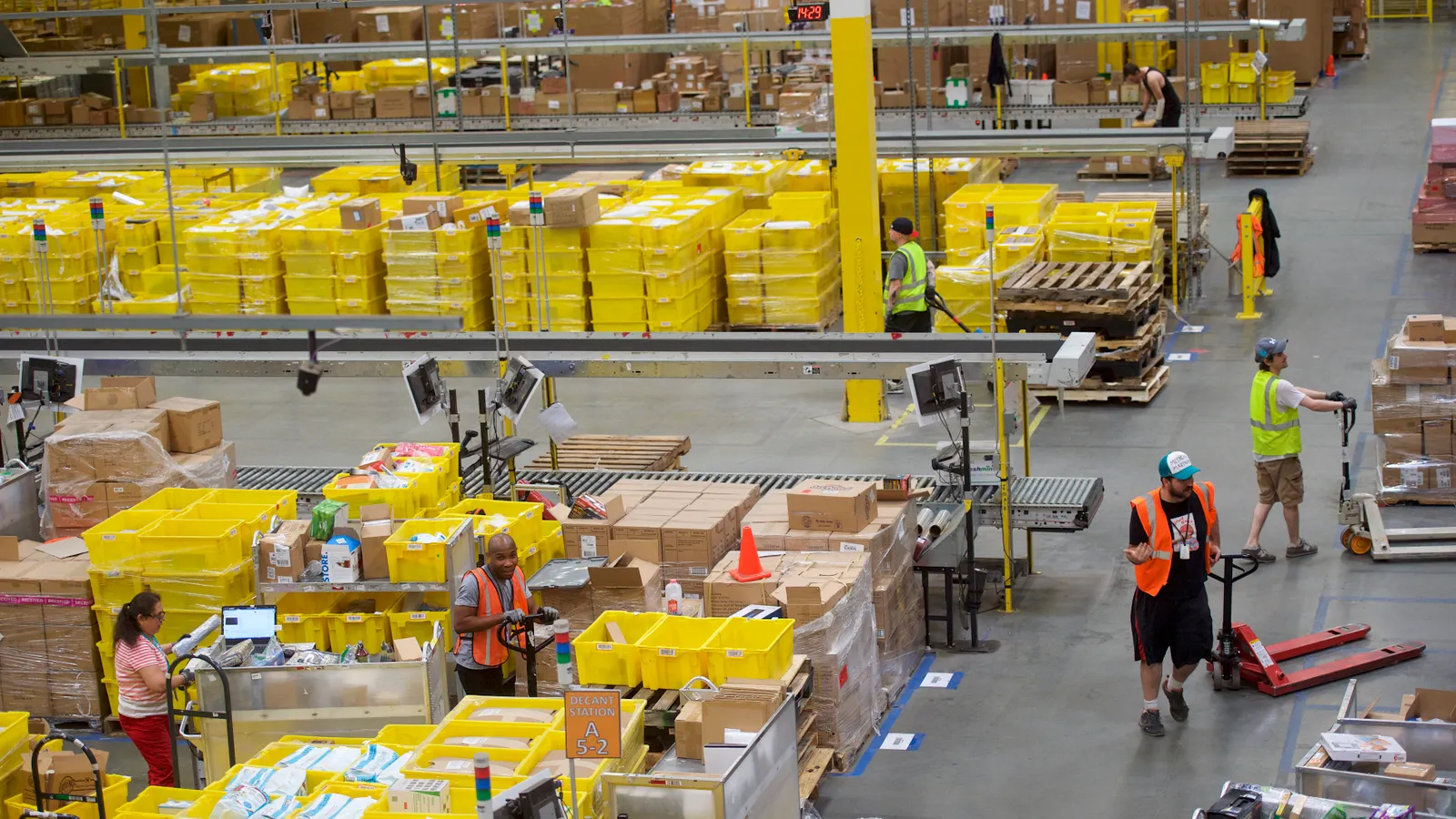
Why it matters: For fashion brands and DTC operators, ASCS represents a scalable, integrated logistics option that could compress time-to-market and fulfillment costs, while intensifying pricing pressure across the carrier landscape they depend on.
Context: Amazon has long operated a captive logistics network; this move commercializes that infrastructure externally, following a pattern of vertical integration turned service offering.
"None of these things in and of themselves are transformational. I think the announcement, though, is if you can truly bundle it all together, it’s powerful, and it’s more powerful than what any individual company offers." — SUPPLYCHAINDIVE
Commentary: The operational shift is toward bundled, asset-heavy logistics as a service, which pressures specialists on price and convenience. For brands, this simplifies vendor management but introduces new dependencies and capacity risks, particularly around peak seasons. The data-use question remains a material contract risk for competing brands considering the service.
Date: Thu, 07 May 2026 16:53:00 -0400
URL: https://www.supplychaindive.com/news/is-amazon-supply-chain-services-already-a-logistics-heavyweight/819522/
AI Sentiment Score: Negative (66%)
AI Credibility Score: 10.0/10 — High
Scores and text generated by AI analysis of the source article indicated.
P&G shifts Supply Chain 3.0, other platforms into large-scale rollout (Supplychaindive)
Summary: Procter & Gamble is now in full-scale rollout of its Supply Chain 3.0 initiative, a multi-year platform integration project aimed at unifying order-to-production systems. The program, which CFO Andre Schulten emphasizes relies more on foundational automation than AI, targets up to $1.5 billion in cost savings from goods sold. Key operational metrics include achieving 98% on-shelf availability, increasing warehouse density by 50%, and realizing throughput gains of two to three times. Pilots, like a fully automated night shift in Berlin, have demonstrated productivity improvements between 15% and 60%.

Why it matters: For fashion and CPG practitioners, this signals a shift from pilot-stage automation to enterprise-wide deployment, setting a new benchmark for integrated supply chain performance and cost structure.
Context: This follows a broader CPG trend where peers like PepsiCo, Hormel, and Hershey are deploying similar technologies, focusing on tangible inventory cuts and throughput gains rather than speculative AI applications.
""It took years to build these underlying platforms and capabilities, and we are now in full scaling mode across the company," he said." — SUPPLYCHAINDIVE
Commentary: P&G’s move validates a ‘platform-first’ approach over point solutions, forcing vendors to compete on systems integration. The focus on warehouse density and unstaffed operations directly pressures logistics partners and internal labor planning, while the 2030 target creates a multi-year roadmap for capital allocation and vendor negotiations across the industry.
Date: Fri, 08 May 2026 07:16:00 -0400
URL: https://www.supplychaindive.com/news/pg-shifts-supply-chain-30-other-platforms-into-large-scale-rollout/819256/
AI Sentiment Score: Negative (50%)
AI Credibility Score: 10.0/10 — High
Scores and text generated by AI analysis of the source article indicated.
Nearshoring rises as brands seek supply chain visibility (Fibre2Fashion)
Summary: The nearshoring trend in apparel sourcing is driven less by geography than by a crisis of supply chain visibility. Brands are moving production closer to home markets not because of inherent manufacturing superiority, but because proximity creates an illusion of control over opaque processes. The real competitive threat for APAC factories is the absence of real-time, item-level operational data, which turns shipping discrepancies into catastrophic cost multipliers. Factories that can provide verified, RFID-enabled shipment data before dispatch are neutralizing the distance disadvantage.

Why it matters: For procurement officers and factory operators, the strategic imperative shifts from cost competitiveness alone to data competitiveness, fundamentally altering vendor selection criteria and required on-floor tooling.
Context: This follows years of freight volatility and trade barrier proliferation, but reframes the core problem as a data gap, not a logistics one.
"The factories winning orders today are not just cost-competitive, they are data-competitive," said Mandy Leung, Regional Sales Director for Southeast Asia at SML Group. "When a manufacturer can hand a buyer verified, item-level shipment data before a container leaves the gate, distance stops being a disadvantage." — FIBRE2FASHION
Commentary: The article correctly identifies that nearshoring alone is a placebo for visibility; the real operational shift is the mandatory integration of digital verification (like RFID) into manufacturing workflows to preempt chargebacks and planning failures. This forces a capital expenditure decision on factory owners: invest in data infrastructure or cede market share to those who do, regardless of location. The consequence is a bifurcation in the supplier base, where technical capability, not just labor cost, determines survival.
Date: Sun, 03 May 2026 09:08:02 GMT
URL: https://www.fibre2fashion.com/news/textiles-technology-news/nearshoring-rises-as-brands-seek-supply-chain-visibility-309187-newsdetails.htm
AI Sentiment Score: Negative (60%)
AI Credibility Score: 10.0/10 — High
Scores and text generated by AI analysis of the source article indicated.
Trump gives EU July 4 deadline to implement tariff deal (Supplychaindive)
Summary: President Trump has set a July 4 deadline for the EU to ratify a tariff agreement negotiated last summer, threatening immediate tariff escalation if unmet. European Commission President von der Leyen states progress is being made toward tariff reductions by early July, while the European Parliament’s trade committee chair confirms ongoing negotiations with member states. The threat follows a prior warning of 25% tariffs on EU automotive imports, though no official documentation has been published. The agreement would cap many EU import tariffs at 15% and eliminate others for certain U.S. industrial goods.

Why it matters: For fashion and apparel supply chains, this deadline creates immediate uncertainty for transatlantic shipments, material costs, and production timelines, potentially forcing expedited logistics decisions before the July 4 cutoff.
Context: This is part of a pattern of Trump using tariff threats as leverage in trade negotiations, creating volatile operating conditions for industries reliant on predictable cross-border duties. The EU’s ratification process involves complex negotiations between the Parliament and individual member states.
"I’ve been waiting patiently for the EU to fulfill their side of the Historic Trade Deal we agreed in Turnberry, Scotland, the largest Trade Deal, ever!” Trump said in the post following a call with European Commission President Ursula von der Leyen. “A promise was made that the EU would deliver their side of the Deal and, as per Agreement, cut their Tariffs to ZERO!" — SUPPLYCHAINDIVE
Commentary: The compressed timeline pressures EU institutions to accelerate a typically glacial legislative process, risking procedural shortcuts. For fashiontech, the threat of sudden tariff hikes on July 5 disrupts cost models for European luxury goods entering the U.S. and American textiles/components heading to EU manufacturers, forcing contingency planning for both digital sampling pipelines and physical inventory flows. The ambiguity around the earlier automotive tariff threat underscores the operational hazard of policy announcements decoupled from official implementation.
Date: Fri, 08 May 2026 10:50:00 -0400
URL: https://www.supplychaindive.com/news/trump-gives-eu-july-4-deadline-to-implement-tariff-deal/819686/
AI Sentiment Score: Negative (83%)
AI Credibility Score: 10.0/10 — High
Scores and text generated by AI analysis of the source article indicated.
FDA warns of neurosurgical supply disruptions (Supplychaindive)
Summary: The FDA has added neurosurgical patties, sponges, and strip devices to its medical device shortages list, citing supplier issues and a Class 2 recall by Medline Industries due to endotoxin contamination. The shortage is expected to persist through year-end. The agency advises healthcare providers to conserve use, reserve products for critical intracranial operations, and diversify supply sources.

Why it matters: For manufacturers and supply chain managers in regulated industries like FashionTech, this illustrates how a single supplier’s quality failure can trigger systemic shortages, forcing operational changes and contingency planning.
Context: This follows a pattern of supply chain fragility in regulated, high-precision manufacturing, where recalls disrupt just-in-time inventory models and necessitate rapid supplier qualification.
"The FDA attributed the problem to recent supplier issues, noting that Medline Industries recently recalled its neuro sponge products. The agency expects the shortage to continue through the end of the year." — SUPPLYCHAINDIVE
Commentary: The operational consequence is a forced shift from single-source reliance to multi-sourcing and inventory buffering for critical components. For analogous precision manufacturing in FashionTech—such as technical textiles or smart fabrics—this underscores the need for rigorous incoming quality control and validated alternate suppliers to mitigate production halts.
Date: Fri, 08 May 2026 10:32:34 -0400
URL: https://www.supplychaindive.com/news/fda-warns-of-neurosurgical-supply-disruptions/819571/
AI Sentiment Score: Negative (60%)
AI Credibility Score: 10.0/10 — High
Scores and text generated by AI analysis of the source article indicated.
Trade court rules Trump’s 10% global tariff illegal (Supplychaindive)
Summary: The U.S. Court of International Trade has ruled President Trump’s temporary 10% global tariff, enacted under Section 122 of the Trade Act of 1974, is illegal and unauthorized by law. The court granted injunctive relief only to two specific importers and the state of Washington, declining a nationwide stay. This follows a Supreme Court ruling earlier this year invalidating a separate set of tariffs, creating a complex refund landscape.
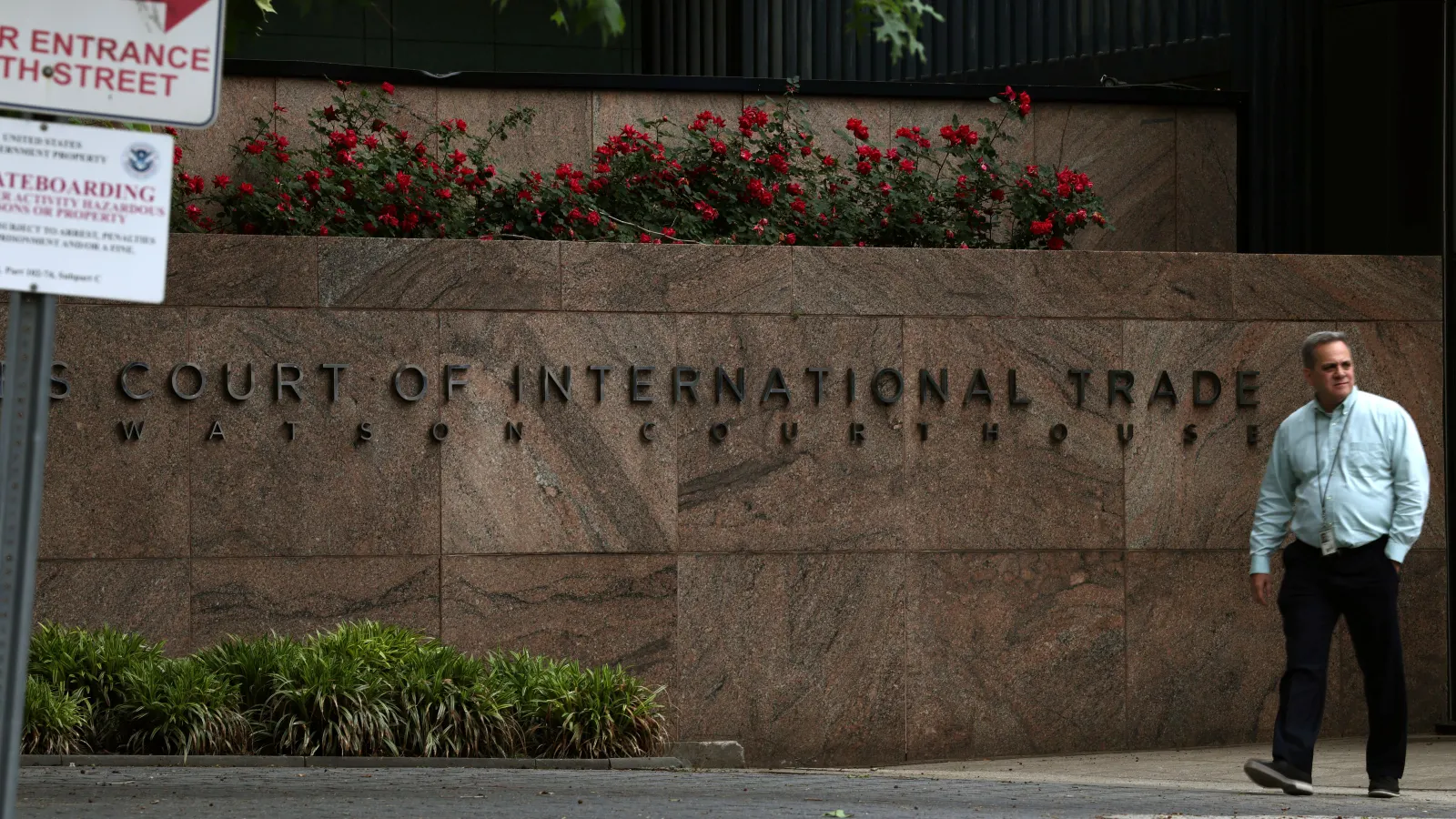
Why it matters: For fashion and apparel importers, this ruling creates immediate uncertainty over duty payments and refunds, directly impacting landed cost calculations and cash flow.
Context: This is the second major legal reversal of Trump-era global tariffs in 2024, following the Supreme Court’s February invalidation of tariffs under the International Emergency Economic Powers Act, which already triggered a complex refund process via CBP’s CAPE portal.
"The U.S. Court of International Trade has ruled that a temporary 10% global tariff President Donald Trump installed earlier this year is illegal. In a slip opinion issued Thursday, the court said." — SUPPLYCHAINDIVE
Commentary: The ruling narrows executive tariff authority, but the limited injunctive relief creates a two-tier system where only litigants with immediate proof of harm get reprieve. For importers, this adds a new layer of administrative burden atop the existing CAPE refund chaos, forcing a strategic decision on whether to pay contested duties or risk supply chain disruption pending appeal.
Date: Thu, 07 May 2026 21:31:00 -0400
URL: https://www.supplychaindive.com/news/trade-court-rules-trumps-10-global-tariff-illegal/819664/
AI Sentiment Score: Negative (85%)
AI Credibility Score: 10.0/10 — High
Scores and text generated by AI analysis of the source article indicated.
Amazon, Walmart seek source reduction solutions from suppliers (Supplychaindive)
Summary: <p>The Sustainable Packaging Coalition’s Retailer Forum initially considered challenges with flexibles and will next focus on bottles, containers and closures.</p> Focus shifts from flexible packaging to bottles/closures; expect new supplier mandates on container design and material composition.

Why it matters: Focus shifts from flexible packaging to bottles/closures; expect new supplier mandates on container design and material composition.
Context: Retailer focus on source reduction is narrowing its scope, signaling immediate operational constraints for packaging suppliers.
"<p>The Sustainable Packaging Coalition’s Retailer Forum initially considered challenges with flexibles and will next focus on bottles, containers and closures.</p>." — SUPPLYCHAINDIVE
Commentary: The signal is still worth tracking, but the current extraction path did not yield enough body text for a fuller analytical read. The immediate implication is operational rather than speculative: watch how this changes budgets, workflows, or risk assumptions over the next cycle.
Date: Tue, 05 May 2026 09:27:08 -0400
URL: https://www.supplychaindive.com/news/amazon-walmart-seek-source-reduction-solutions-from-suppliers/818807/
AI Sentiment Score: Negative (50%)
AI Credibility Score: 10.0/10 — High
Scores and text generated by AI analysis of the source article indicated.
Amazon opens logistics network to all businesses (Retaildive)
Summary: <p>Amazon Supply Chain Services covers freight, distribution, fulfillment and parcel delivery, including for non-Amazon sellers, with Lands’ End among its users.</p> Direct access to Amazon’s logistics infrastructure lowers the barrier to entry for non-Amazon sellers, potentially commoditizing fulfillment overhead.
Why it matters: Direct access to Amazon’s logistics infrastructure lowers the barrier to entry for non-Amazon sellers, potentially commoditizing fulfillment overhead.
Context: The expansion of Amazon Supply Chain Services to include established brands like Lands’ End signals a shift in third-party logistics dependency away from traditional channels.
"<p>Amazon Supply Chain Services covers freight, distribution, fulfillment and parcel delivery, including for non-Amazon sellers, with Lands’ End among its users.</p>." — RETAILDIVE
Commentary: The signal is still worth tracking, but the current extraction path did not yield enough body text for a fuller analytical read. The immediate implication is operational rather than speculative: watch how this changes budgets, workflows, or risk assumptions over the next cycle.
Date: Mon, 04 May 2026 11:13:00 -0400
URL: https://www.retaildive.com/news/amazon-opens-logistics-network-supply-chain-services/819198/
AI Sentiment Score: Negative (66%)
AI Credibility Score: 10.0/10 — High
Scores and text generated by AI analysis of the source article indicated.
Amazon opens logistics network to all businesses (Supplychaindive)
Summary: <p>Amazon Supply Chain Services covers freight, distribution, fulfillment and parcel delivery, including for non-Amazon sellers, with 3M and Lands’ End among its users.</p> Direct access to Amazon’s fulfillment backbone lowers the barrier to entry for non-Amazon sellers’ logistics.
Why it matters: Direct access to Amazon’s fulfillment backbone lowers the barrier to entry for non-Amazon sellers’ logistics.
Context: Increased reliance on Amazon’s infrastructure for non-affiliated brands necessitates re-evaluating existing 3PL contracts and cost models.
"<p>Amazon Supply Chain Services covers freight, distribution, fulfillment and parcel delivery, including for non-Amazon sellers, with 3M and Lands’ End among its users.</p>." — SUPPLYCHAINDIVE
Commentary: The signal is still worth tracking, but the current extraction path did not yield enough body text for a fuller analytical read. The immediate implication is operational rather than speculative: watch how this changes budgets, workflows, or risk assumptions over the next cycle.
Date: Mon, 04 May 2026 09:50:19 -0400
URL: https://www.supplychaindive.com/news/amazon-opens-logistics-network-to-all-businesses/819178/
AI Sentiment Score: Negative (66%)
AI Credibility Score: 10.0/10 — High
Scores and text generated by AI analysis of the source article indicated.
DHL CEO flags jet fuel supply constraints in Asia (Supplychaindive)
Summary: <figure><div><img src="https://imgproxy.divecdn.com/w0tmR_45XNfZAKOv6aFexjOTkTFavaZjJz2MIElhKMs/g:ce/rs:fill:1600:900:1/Z3M6Ly9kaXZlc2l0ZS1zdG9yYWdlL2RpdmVpbWFnZS9HZXR0eUltYWdlcy0xMjkyNzYyMzA5LmpwZw==.webp" /></div></figure><p>While the logistics giant has more fuel certainty at major hubs, the ongoing crunch is raising prices and posing challenges at some Asia-based airports.</p> Fuel price volatility in Asian hubs introduces unpredictable landed cost variables for goods movement.
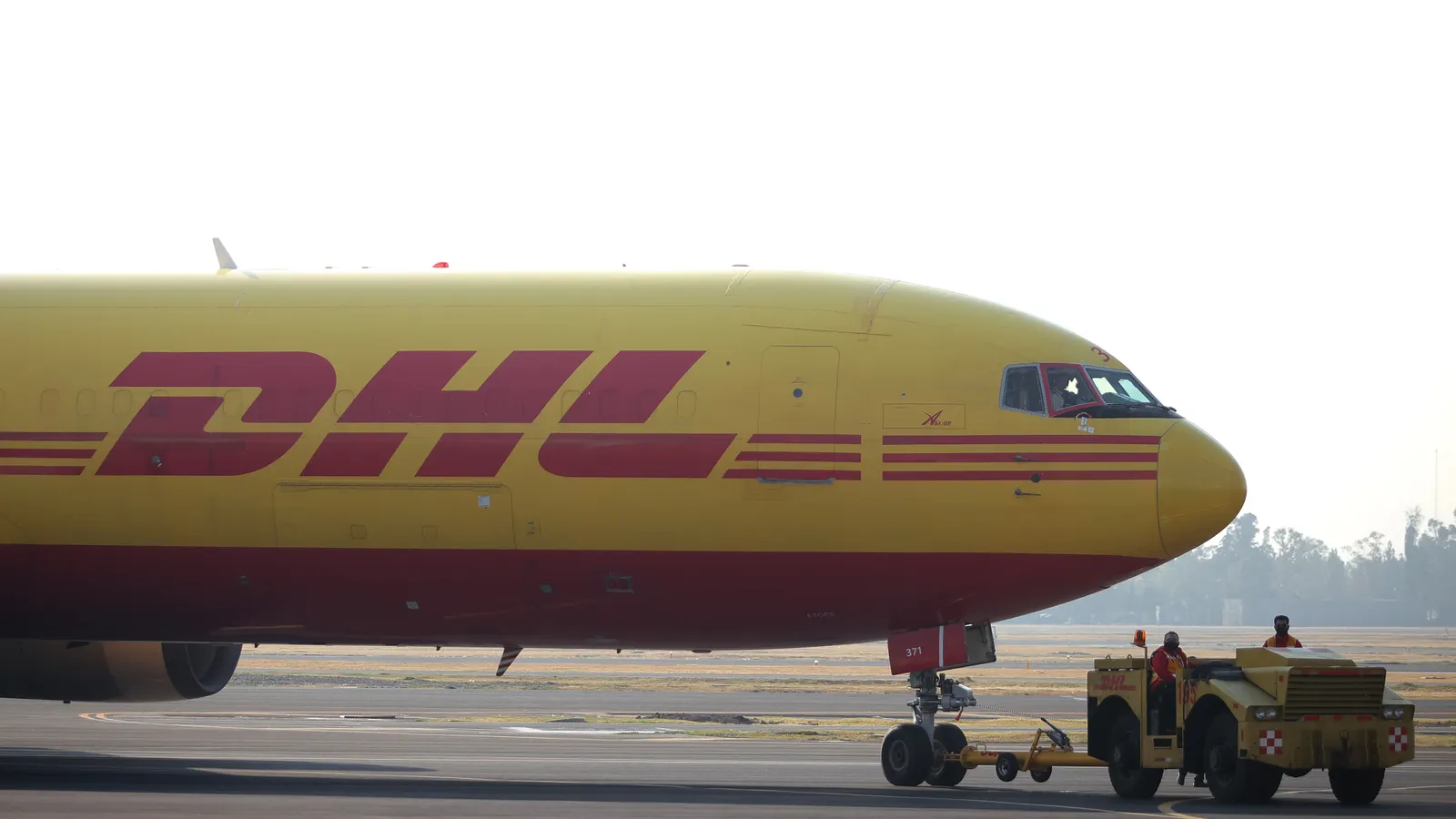
Why it matters: Fuel price volatility in Asian hubs introduces unpredictable landed cost variables for goods movement.
Context: Logistics planning must now factor in localized, non-standard fuel surcharges impacting shipment timelines and budgets.
"<figure><div><img src="https://imgproxy.divecdn.com/w0tmR_45XNfZAKOv6aFexjOTkTFavaZjJz2MIElhKMs/g:ce/rs:fill:1600:900:1/Z3M6Ly9kaXZlc2l0ZS1zdG9yYWdlL2RpdmVpbWFnZS9HZXR0eUltYWdlcy0xMjkyNzYyMzA5LmpwZw==.webp" /></div></figure><p>While the logistics giant has more fuel certainty at major hubs, the ongoing crunch is raising prices and posing challenges at some Asia-based airports.</p>." — SUPPLYCHAINDIVE
Commentary: The signal is still worth tracking, but the current extraction path did not yield enough body text for a fuller analytical read. The immediate implication is operational rather than speculative: watch how this changes budgets, workflows, or risk assumptions over the next cycle.
Date: Tue, 05 May 2026 09:41:33 -0400
URL: https://www.supplychaindive.com/news/dhl-ceo-flags-jet-fuel-supply-constraints-in-asia/819072/
AI Sentiment Score: Negative (66%)
AI Credibility Score: 10.0/10 — High
Scores and text generated by AI analysis of the source article indicated.
Ford expects $1.3B tariff refund, but supply chain pressure remains (Supplychaindive)
Summary: <figure><div><img src="https://imgproxy.divecdn.com/MTaeMLG6iQKaTrc1H9tplFjtcQRJNngOTnrGp61o5gI/g:ce/rs:fill:1600:900:1/Z3M6Ly9kaXZlc2l0ZS1zdG9yYWdlL2RpdmVpbWFnZS9HZXR0eUltYWdlcy0yMjU0OTY3OTcxLmpwZw==.webp" /></div></figure><p>The automaker is still prepping for a $1 billion hit from tariffs in 2026 while projecting sizable commodity headwinds.</p> Anticipated tariff liabilities ($1.3B) signal persistent cost modeling risk for US-sourced components.

Why it matters: Anticipated tariff liabilities ($1.3B) signal persistent cost modeling risk for US-sourced components.
Context: Commodity headwinds suggest immediate need to stress-test current sourcing contracts and inventory buffers.
"<figure><div><img src="https://imgproxy.divecdn.com/MTaeMLG6iQKaTrc1H9tplFjtcQRJNngOTnrGp61o5gI/g:ce/rs:fill:1600:900:1/Z3M6Ly9kaXZlc2l0ZS1zdG9yYWdlL2RpdmVpbWFnZS9HZXR0eUltYWdlcy0yMjU0OTY3OTcxLmpwZw==.webp" /></div></figure><p>The automaker is still prepping for a $1 billion hit from tariffs in 2026 while projecting sizable commodity headwinds.</p>." — SUPPLYCHAINDIVE
Commentary: The signal is still worth tracking, but the current extraction path did not yield enough body text for a fuller analytical read. The immediate implication is operational rather than speculative: watch how this changes budgets, workflows, or risk assumptions over the next cycle.
Date: Mon, 04 May 2026 10:39:00 -0400
URL: https://www.supplychaindive.com/news/ford-expects-13b-tariff-refund-but-supply-chain-pressure-remains/819136/
AI Sentiment Score: Negative (80%)
AI Credibility Score: 10.0/10 — High
Scores and text generated by AI analysis of the source article indicated.
Target launches new kind of supply chain facility (Retaildive)
Summary: <figure><div><img src="https://imgproxy.divecdn.com/0IS-wmWOAx9F7FcPDJsTxr5utfTIgA8jY8cQlFeUOPU/g:ce/rs:fill:1600:900:1/Z3M6Ly9kaXZlc2l0ZS1zdG9yYWdlL2RpdmVpbWFnZS9ob3VzdG9uLXJlY2VpdmUtY2VudGVyLnBuZw==.webp" /></div></figure><p>The Houston Receive Center gives the retailer more inventory-holding capacity before sending products to downstream locations.</p> Increased inventory staging capacity at regional hubs suggests a shift in distribution flow, potentially buffering upstream production volatility.
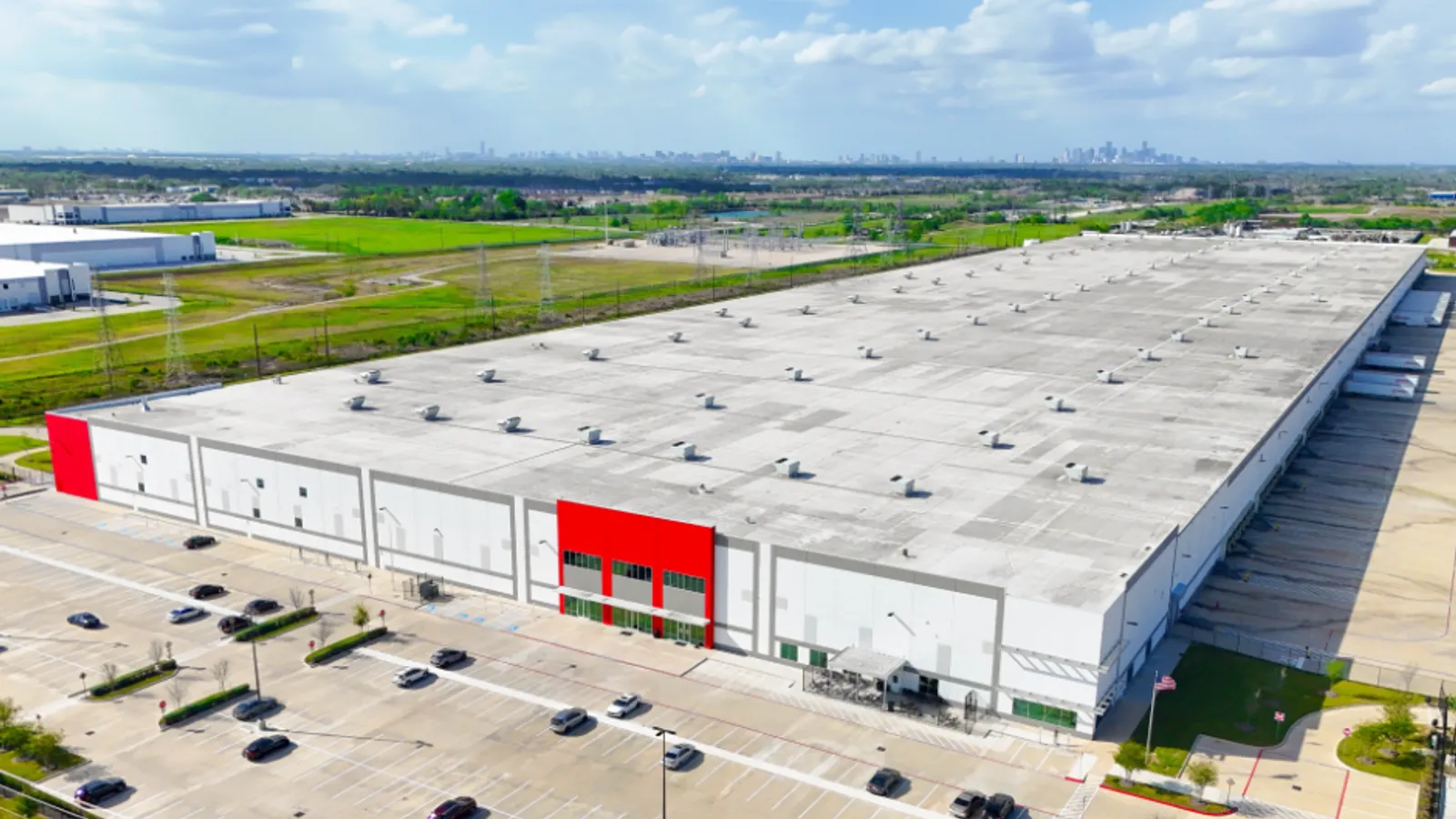
Why it matters: Increased inventory staging capacity at regional hubs suggests a shift in distribution flow, potentially buffering upstream production volatility.
Context: Focus on how this centralized receiving point alters vendor scheduling and downstream allocation logic for replenishment.
"<figure><div><img src="https://imgproxy.divecdn.com/0IS-wmWOAx9F7FcPDJsTxr5utfTIgA8jY8cQlFeUOPU/g:ce/rs:fill:1600:900:1/Z3M6Ly9kaXZlc2l0ZS1zdG9yYWdlL2RpdmVpbWFnZS9ob3VzdG9uLXJlY2VpdmUtY2VudGVyLnBuZw==.webp" /></div></figure><p>The Houston Receive Center gives the retailer more inventory-holding capacity before sending products to downstream locations.</p>." — RETAILDIVE
Commentary: The signal is still worth tracking, but the current extraction path did not yield enough body text for a fuller analytical read. The immediate implication is operational rather than speculative: watch how this changes budgets, workflows, or risk assumptions over the next cycle.
Date: Mon, 04 May 2026 09:29:00 -0400
URL: https://www.retaildive.com/news/target-launches-new-kind-of-supply-chain-facility/819103/
AI Sentiment Score: Negative (50%)
AI Credibility Score: 10.0/10 — High
Scores and text generated by AI analysis of the source article indicated.
CSX sees volume uptick from spike in truck-to-rail conversions (Supplychaindive)
Summary: <p>Rivals Union Pacific and Norfolk Southern also pointed to signs of optimism as shippers look for cheaper alternatives to trucking due to higher fuel costs.</p> Increased rail volume suggests shippers are actively re-evaluating and shifting freight modes away from trucking due to cost pressures.
Why it matters: Increased rail volume suggests shippers are actively re-evaluating and shifting freight modes away from trucking due to cost pressures.
Context: Monitor sustained rail utilization rates; this signals a structural shift in logistics budgeting that impacts supply chain planning and carrier negotiations.
"<p>Rivals Union Pacific and Norfolk Southern also pointed to signs of optimism as shippers look for cheaper alternatives to trucking due to higher fuel costs.</p>." — SUPPLYCHAINDIVE
Commentary: The signal is still worth tracking, but the current extraction path did not yield enough body text for a fuller analytical read. The immediate implication is operational rather than speculative: watch how this changes budgets, workflows, or risk assumptions over the next cycle.
Date: Mon, 04 May 2026 12:23:00 -0400
URL: https://www.supplychaindive.com/news/csx-sees-volume-uptick-from-spike-in-truck-to-rail-conversions/818728/
AI Sentiment Score: Negative (66%)
AI Credibility Score: 10.0/10 — High
Scores and text generated by AI analysis of the source article indicated.
Small ocean carriers trim Transpacific capacity (Supplychaindive)
Summary: <figure><div><img src="https://imgproxy.divecdn.com/fkIdQP5xBsXB3KkWveG1rfxEXwBRh1-xlKHgZY7i95k/g:ce/rs:fill:1600:900:1/Z3M6Ly9kaXZlc2l0ZS1zdG9yYWdlL2RpdmVpbWFnZS9HZXR0eUltYWdlcy0yMjcyMjY3MDc2LmpwZw==.webp" /></div></figure><p>Lower spot rates historically lead to larger withdrawals of non-alliance operated vessels on the shipping corridor, per Sea-Intelligence.</p> Capacity trimming suggests immediate cost volatility in sourcing/logistics planning; model for rate fluctuations.
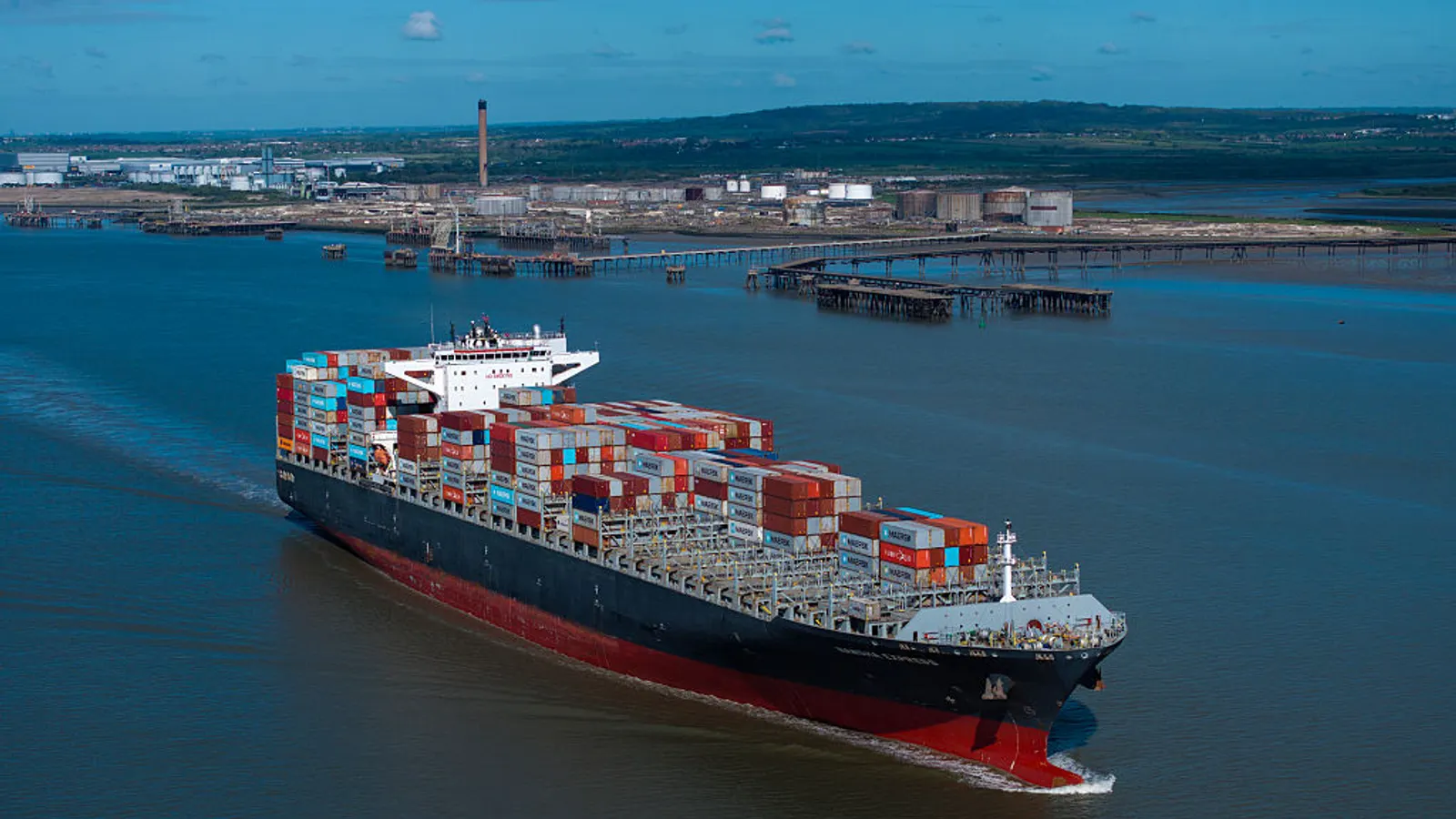
Why it matters: Capacity trimming suggests immediate cost volatility in sourcing/logistics planning; model for rate fluctuations.
Context: Spot rate sensitivity drives vessel withdrawals, impacting predictable lead times for goods movement.
"<figure><div><img src="https://imgproxy.divecdn.com/fkIdQP5xBsXB3KkWveG1rfxEXwBRh1-xlKHgZY7i95k/g:ce/rs:fill:1600:900:1/Z3M6Ly9kaXZlc2l0ZS1zdG9yYWdlL2RpdmVpbWFnZS9HZXR0eUltYWdlcy0yMjcyMjY3MDc2LmpwZw==.webp" /></div></figure><p>Lower spot rates historically lead to larger withdrawals of non-alliance operated vessels on the shipping corridor, per Sea-Intelligence.</p>." — SUPPLYCHAINDIVE
Commentary: The signal is still worth tracking, but the current extraction path did not yield enough body text for a fuller analytical read. The immediate implication is operational rather than speculative: watch how this changes budgets, workflows, or risk assumptions over the next cycle.
Date: Tue, 05 May 2026 11:02:00 -0400
URL: https://www.supplychaindive.com/news/small-ocean-carriers-trim-transpacific-capacity/819085/
AI Sentiment Score: Negative (75%)
AI Credibility Score: 10.0/10 — High
Scores and text generated by AI analysis of the source article indicated.
Post ID: 747e31ea