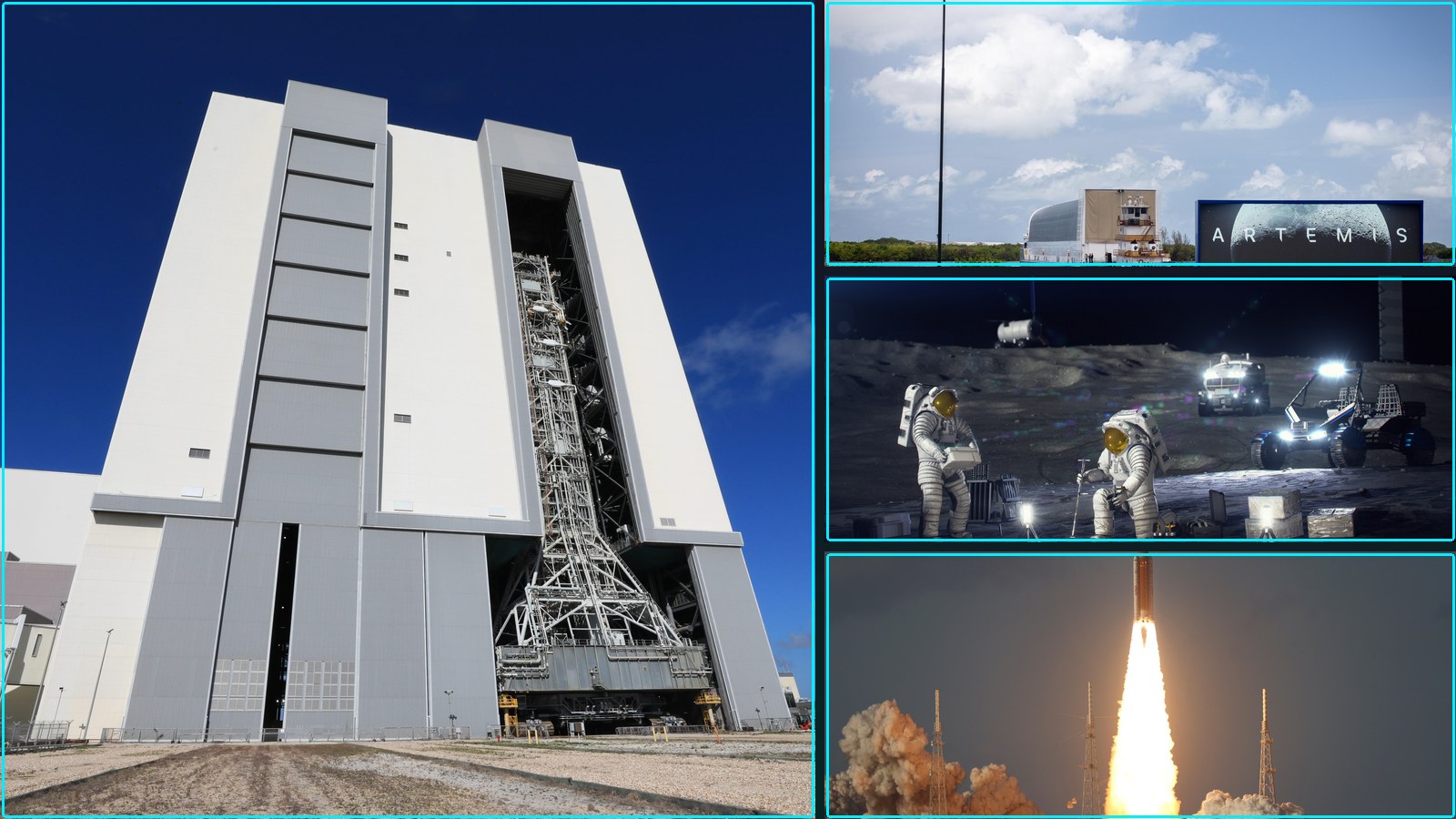
Nasa Signals
NASA provides some details about Artemis III, but hard decisions remain (Arstechnica)
Summary: NASA announced Wednesday that it will fly the Artemis III mission in low-Earth orbit and that it continues to target 2027 for this stepping-stone flight that will help land humans on the Moon. The space agency chose the orbit close to Earth—as opposed to a higher orbit—because it would preserve the final remaining Interim Cryogenic Propulsion Stage for launching the Artemis IV landing mission later this decade. Instead, NASA will use a “spacer” to simulate the mass and overall dimensions of an upper stage but without propulsive capabilities.
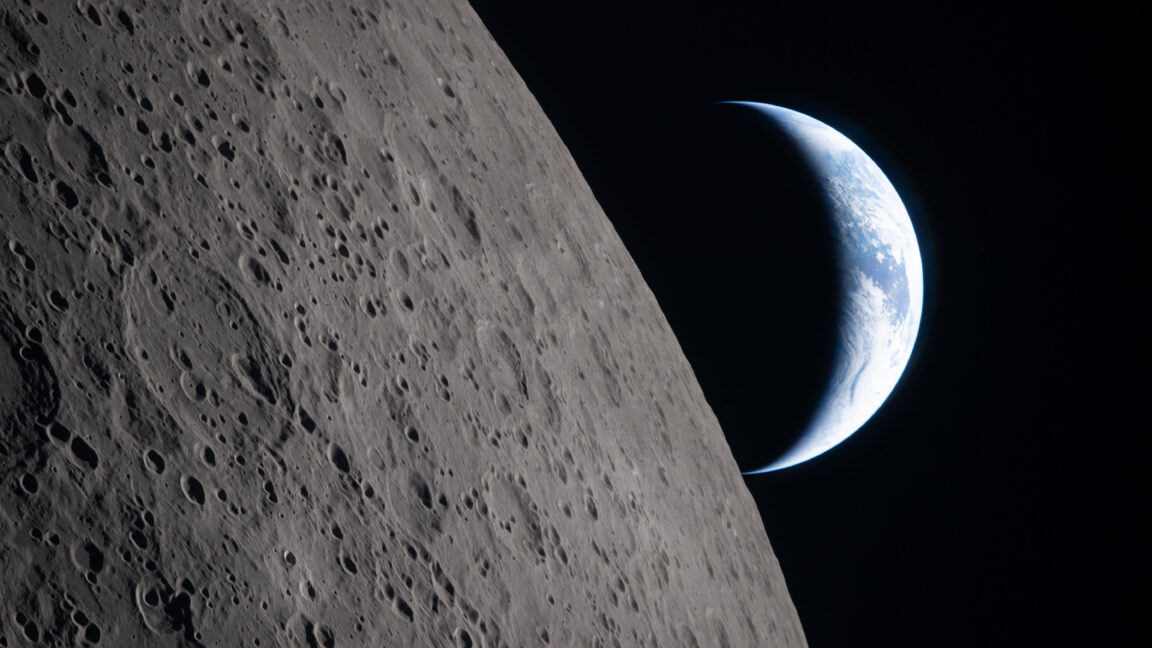
Why it matters: This matters for Space Exploration because it gives a concrete current signal to track: NASA announced Wednesday that it will fly the Artemis III mission in low-Earth orbit and that it continues to target 2027 for this stepping-stone flight that will help land humans on the Moon.
Context: NASA announced Wednesday that it will fly the Artemis III mission in low-Earth orbit and that it continues to target 2027 for this stepping-stone flight that will help land humans on the Moon. The space agency chose the orbit close to Earth—as opposed to a higher orbit—because it would preserve the final remaining Interim Cryogenic Propulsion Stage for launching the Artemis IV landing mission later this decade. Instead, NASA will use a “spacer” to simulate the mass and overall dimensions of an upper stage but without propulsive capabilities.
"NASA announced Wednesday that it will fly the Artemis III mission in low-Earth orbit and that it continues to target 2027 for this stepping-stone flight that will help land humans on the." — ARSTECHNICA
Commentary: The immediate implication is operational rather than speculative: watch how this changes budgets, workflows, or risk assumptions over the next cycle.
Date: Wed, 13 May 2026 18:37:29 +0000
URL: https://arstechnica.com/space/2026/05/nasa-provides-some-details-about-artemis-iii-but-hard-decisions-remain/
AI Sentiment Score: Negative (50%)
AI Credibility Score: 10.0/10 — High
Scores and text generated by AI analysis of the source article indicated.
NASA’s Mobile Launcher Arrives at Vehicle Assembly Building (Nasa.Gov)
Summary: NASA’s Mobile Launcher Arrives at Vehicle Assembly Building After successfully being used to launch the Artemis II lunar test flight on April 1, NASA’s mobile launcher now is inside NASA Kennedy’s Vehicle Assembly Building (VAB) in Florida in preparation for the Artemis III test flight mission rocket stacking operations. NASA’s Exploration Ground Systems Program rolled the launcher on a 4-mile trek from Launch Pad 39B to the VAB along the crawlerway on April 16. The trip, which normally takes eight to 12 hours on top of the agency’s crawler-transporter 2, had several built-in pauses to allow teams to rest.
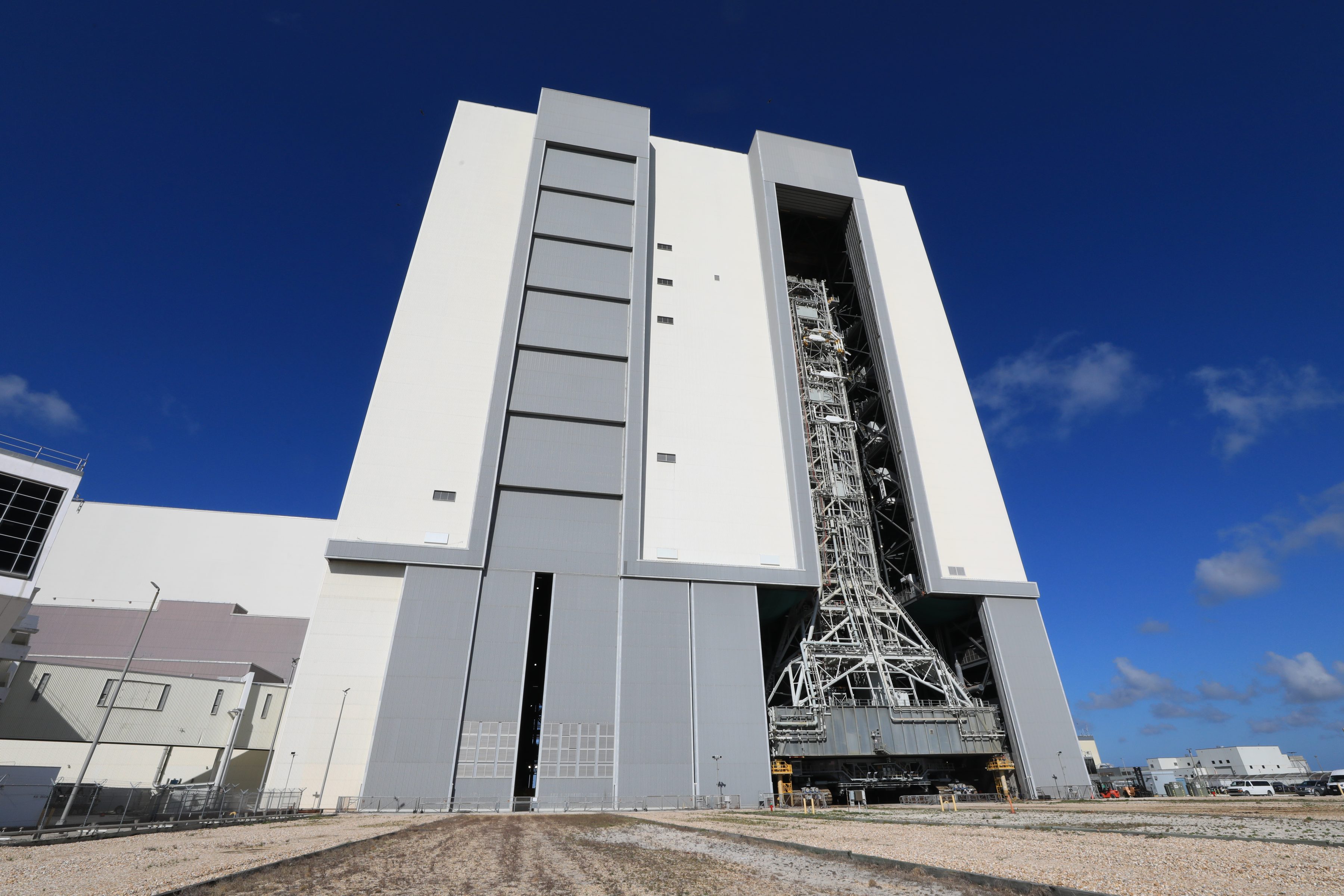
Why it matters: This matters for Space Exploration because it gives a concrete current signal to track: NASA’s Mobile Launcher Arrives at Vehicle Assembly Building After successfully being used to launch the Artemis II lunar test flight on April 1, NASA’s mobile launcher now is inside NASA Kennedy’s Vehicle Assembly Building (VAB) in Florida in preparation for the Artemis III test flight mission rocket stacking operations.
Context: NASA’s Mobile Launcher Arrives at Vehicle Assembly Building After successfully being used to launch the Artemis II lunar test flight on April 1, NASA’s mobile launcher now is inside NASA Kennedy’s Vehicle Assembly Building (VAB) in Florida in preparation for the Artemis III test flight mission rocket stacking operations. NASA’s Exploration Ground Systems Program rolled the launcher on a 4-mile trek from Launch Pad 39B to the VAB along the crawlerway on April 16. The trip, which normally takes eight to 12 hours on top of the agency’s crawler-transporter 2, had several built-in pauses to allow teams to rest.
"NASA’s Mobile Launcher Arrives at Vehicle Assembly Building After successfully being used to launch the Artemis II lunar test flight on April 1, NASA’s mobile launcher now is inside NASA Kennedy’s Vehicle." — NASA.GOV
Commentary: The immediate implication is operational rather than speculative: watch how this changes budgets, workflows, or risk assumptions over the next cycle.
Date: Fri, 17 Apr 2026 15:59:01 +0000
URL: https://www.nasa.gov/blogs/missions/2026/04/17/nasas-mobile-launcher-arrives-at-vehicle-assembly-building/
AI Sentiment Score: Negative (88%)
AI Credibility Score: 10.0/10 — High
Scores and text generated by AI analysis of the source article indicated.
NASA Releases Technology Priorities to Energize Space Industry (Nasa.Gov)
Summary: NASA released the 2026 Civil Space Shortfall Ranking list on Wednesday, which integrates more than 400 responses from stakeholders including industry organizations, government agencies, and academia. Shortfalls refer to technology areas requiring further development to meet future exploration, science, and other mission needs. The goal of this document is to rank the space community’s most pervasive shortfalls to help guide NASA’s space technology development and investments.

Why it matters: This matters for Space Exploration because it gives a concrete current signal to track: NASA released the 2026 Civil Space Shortfall Ranking list on Wednesday, which integrates more than 400 responses from stakeholders including industry organizations, government agencies, and academia.
Context: NASA released the 2026 Civil Space Shortfall Ranking list on Wednesday, which integrates more than 400 responses from stakeholders including industry organizations, government agencies, and academia. Shortfalls refer to technology areas requiring further development to meet future exploration, science, and other mission needs. The goal of this document is to rank the space community’s most pervasive shortfalls to help guide NASA’s space technology development and investments.
"NASA released the 2026 Civil Space Shortfall Ranking list on Wednesday, which integrates more than 400 responses from stakeholders including industry organizations, government agencies, and academia. Shortfalls refer to technology areas requiring." — NASA.GOV
Commentary: The immediate implication is operational rather than speculative: watch how this changes budgets, workflows, or risk assumptions over the next cycle.
Date: Wed, 20 May 2026 17:11:42 +0000
URL: https://www.nasa.gov/technology/nasa-releases-technology-priorities-to-energize-space-industry/
AI Sentiment Score: Negative (66%)
AI Credibility Score: 10.0/10 — High
Scores and text generated by AI analysis of the source article indicated.
NASA’s Artemis Core Stage Arrives at Kennedy (Nasa.Gov)
Summary: NASA’s Artemis Core Stage Arrives at Kennedy The largest rocket section for NASA’s Artemis III mission arrived at the agency’s Kennedy Space Center in Florida on April 27. The SLS (Space Launch System) core stage traveled 900 miles on the Pegasus barge from NASA’s Michoud Assembly Facility in New Orleans where the stage is manufactured, to complete assembly of the massive rocket at NASA Kennedy. Teams will transport the top four-fifths of the 212-foot-long core stage, the section containing the liquid hydrogen tank, liquid oxygen tank, intertank, and forward skirt, on Tuesday, April 28 to NASA’s Vehicle Assembly Building to join the previously delivered boat-tail and engine section in the facility’s High Bay 2 for outfitting and vertical integration to complete the full stage.
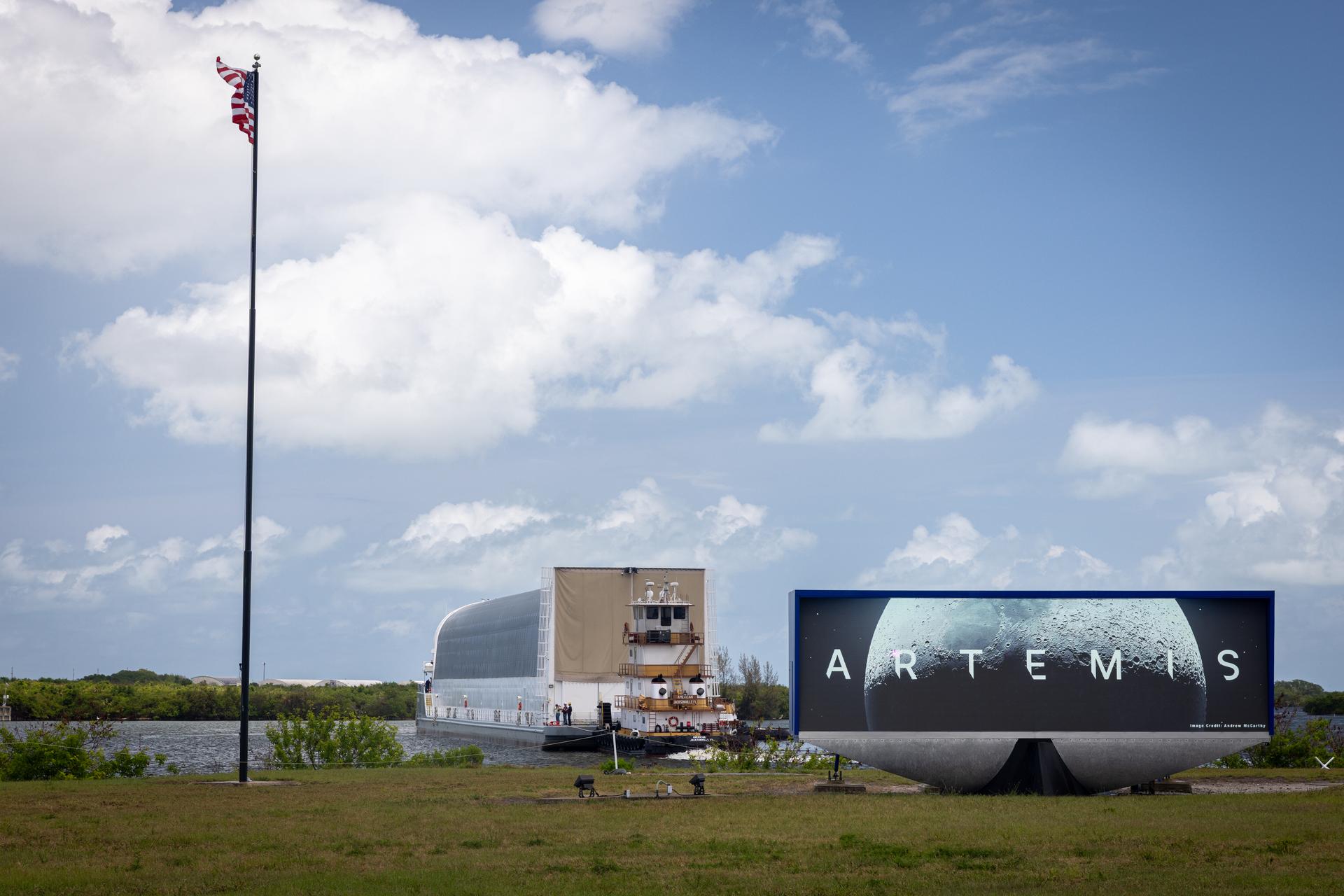
Why it matters: This matters for Space Exploration because it gives a concrete current signal to track: NASA’s Artemis Core Stage Arrives at Kennedy The largest rocket section for NASA’s Artemis III mission arrived at the agency’s Kennedy Space Center in Florida on April 27.
Context: NASA’s Artemis Core Stage Arrives at Kennedy The largest rocket section for NASA’s Artemis III mission arrived at the agency’s Kennedy Space Center in Florida on April 27. The SLS (Space Launch System) core stage traveled 900 miles on the Pegasus barge from NASA’s Michoud Assembly Facility in New Orleans where the stage is manufactured, to complete assembly of the massive rocket at NASA Kennedy. Teams will transport the top four-fifths of the 212-foot-long core stage, the section containing the liquid hydrogen tank, liquid oxygen tank, intertank, and forward skirt, on Tuesday, April 28 to NASA’s Vehicle Assembly Building to join the previously delivered boat-tail and engine section in the facility’s High Bay 2 for outfitting and vertical integration to complete the full stage.
"NASA’s Artemis Core Stage Arrives at Kennedy The largest rocket section for NASA’s Artemis III mission arrived at the agency’s Kennedy Space Center in Florida on April 27. The SLS (Space Launch." — NASA.GOV
Commentary: The immediate implication is operational rather than speculative: watch how this changes budgets, workflows, or risk assumptions over the next cycle.
Date: Mon, 27 Apr 2026 19:33:20 +0000
URL: https://www.nasa.gov/blogs/missions/2026/04/27/nasas-artemis-core-stage-arrives-at-kennedy/
AI Sentiment Score: Neutral (33%)
AI Credibility Score: 10.0/10 — High
Scores and text generated by AI analysis of the source article indicated.
NASA on Track for Future Missions with Initial Artemis II Assessments (Nasa.Gov)
Summary: Following NASA’s Artemis II mission successfully splashing down on Earth, engineers started diving into detailed analysis of data to assess how key systems and subsystems on the Orion spacecraft, SLS (Space Launch System) rocket, and systems at the launch pad at the agency’s Kennedy Space Center in Florida performed. The Artemis II test flight successfully began a new era of exploration, laying the groundwork for the third Artemis mission next year, lunar surface missions, a Moon base, and future missions to Mars. …

Why it matters: This matters for Space Exploration because it gives a concrete current signal to track: Following NASA’s Artemis II mission successfully splashing down on Earth, engineers started diving into detailed analysis of data to assess how key systems and subsystems on the Orion spacecraft, SLS (Space Launch System) rocket, and systems at the launch pad at the agency’s Kennedy Space Center in Florida performed.
Context: Following NASA’s Artemis II mission successfully splashing down on Earth, engineers started diving into detailed analysis of data to assess how key systems and subsystems on the Orion spacecraft, SLS (Space Launch System) rocket, and systems at the launch pad at the agency’s Kennedy Space Center in Florida performed. The Artemis II test flight successfully began a new era of exploration, laying the groundwork for the third Artemis mission next year, lunar surface missions, a Moon base, and future missions to Mars. …
"Following NASA’s Artemis II mission successfully splashing down on Earth, engineers started diving into detailed analysis of data to assess how key systems and subsystems on the Orion spacecraft, SLS (Space Launch." — NASA.GOV
Commentary: The immediate implication is operational rather than speculative: watch how this changes budgets, workflows, or risk assumptions over the next cycle.
Date: April 20, 2026 12:00 AM ET
URL: https://www.nasa.gov/missions/nasa-on-track-for-future-missions-with-initial-artemis-ii-assessments/
AI Sentiment Score: Negative (90%)
AI Credibility Score: 10.0/10 — High
Scores and text generated by AI analysis of the source article indicated.
NASA’s Mobile Launcher Rolls Ahead of Artemis III Preparation (Nasa.Gov)
Summary: NASA’s Mobile Launcher Rolls Ahead of Artemis III Preparation Following the conclusion of NASA’s Artemis II test flight, teams at the agency’s Kennedy Space Center in Florida are shifting focus to Artemis III, which is targeted to launch next year, by rolling the mobile launcher from Launch Complex 39B to NASA’s Kennedy Vehicle Assembly Building (VAB) in Florida in preparation for rocket stacking operations. The mobile launcher began its approximately 4-mile trek on top of the agency’s crawler-transporter 2 at 8:11 a.m. EDT Thursday, April 16, two weeks after sending NASA astronauts and Artemis II crew members Reid Wiseman, Victor Glover, Christina Koch, and (CSA) Canadian Space Agency astronaut Jeremy Hansen on their record-setting journey around the Moon and back.
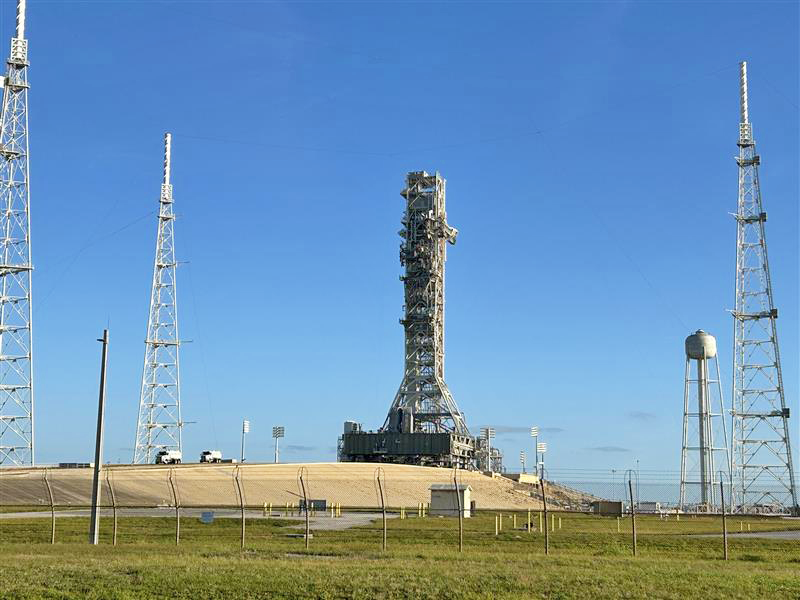
Why it matters: This matters for Space Exploration because it gives a concrete current signal to track: NASA’s Mobile Launcher Rolls Ahead of Artemis III Preparation Following the conclusion of NASA’s Artemis II test flight, teams at the agency’s Kennedy Space Center in Florida are shifting focus to Artemis III, which is targeted to launch next year, by rolling the mobile launcher from Launch Complex 39B to NASA’s Kennedy Vehicle Assembly Building (VAB) in Florida in preparation for rocket stacking operations.
Context: NASA’s Mobile Launcher Rolls Ahead of Artemis III Preparation Following the conclusion of NASA’s Artemis II test flight, teams at the agency’s Kennedy Space Center in Florida are shifting focus to Artemis III, which is targeted to launch next year, by rolling the mobile launcher from Launch Complex 39B to NASA’s Kennedy Vehicle Assembly Building (VAB) in Florida in preparation for rocket stacking operations. The mobile launcher began its approximately 4-mile trek on top of the agency’s crawler-transporter 2 at 8:11 a.m. EDT Thursday, April 16, two weeks after sending NASA astronauts and Artemis II crew members Reid Wiseman, Victor Glover, Christina Koch, and (CSA) Canadian Space Agency astronaut Jeremy Hansen on their record-setting journey around the Moon and back.
"NASA’s Mobile Launcher Rolls Ahead of Artemis III Preparation Following the conclusion of NASA’s Artemis II test flight, teams at the agency’s Kennedy Space Center in Florida are shifting focus to Artemis." — NASA.GOV
Commentary: The immediate implication is operational rather than speculative: watch how this changes budgets, workflows, or risk assumptions over the next cycle.
Date: Thu, 16 Apr 2026 12:33:08 +0000
URL: https://www.nasa.gov/blogs/missions/2026/04/16/nasas-mobile-launcher-rolls-ahead-of-artemis-iii-preparation/
AI Sentiment Score: Negative (77%)
AI Credibility Score: 10.0/10 — High
Scores and text generated by AI analysis of the source article indicated.
NASA to Provide Update on Moon Base Strategy, Missions (Nasa.Gov)
Summary: NASA will host a news conference at 2 p.m. EDT, Tuesday, May 26, to share Moon Base plans and highlight progress toward a sustained presence on the lunar surface. The media briefing will take place at the agency’s Headquarters in Washington.
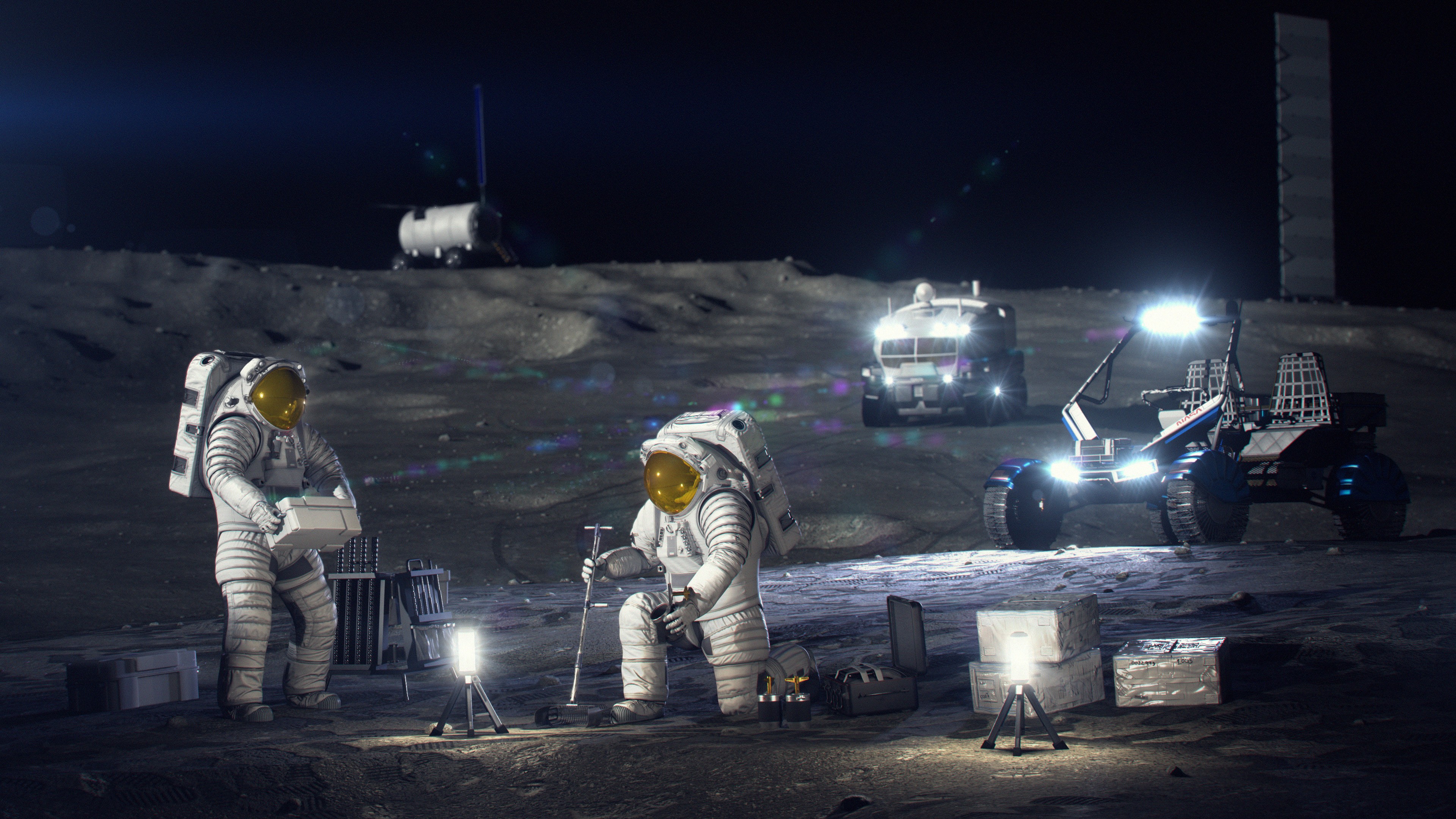
Why it matters: This matters for Space Exploration because it gives a concrete current signal to track: NASA will host a news conference at 2 p.m.
Context: NASA will host a news conference at 2 p.m. EDT, Tuesday, May 26, to share Moon Base plans and highlight progress toward a sustained presence on the lunar surface. The media briefing will take place at the agency’s Headquarters in Washington.
"NASA will host a news conference at 2 p.m. EDT, Tuesday, May 26, to share Moon Base plans and highlight progress toward a sustained presence on the lunar surface. The media briefing." — NASA.GOV
Commentary: The immediate implication is operational rather than speculative: watch how this changes budgets, workflows, or risk assumptions over the next cycle.
Date: Wed, 20 May 2026 17:13:56 +0000
URL: https://www.nasa.gov/news-release/nasa-to-provide-update-on-moon-base-strategy-missions/
AI Sentiment Score: Positive (50%)
AI Credibility Score: 10.0/10 — High
Scores and text generated by AI analysis of the source article indicated.
NASA on track for future missions with initial Artemis II assessments (Phys)
Summary: Following NASA’s Artemis II mission successfully splashing down on Earth, engineers started diving into detailed analysis of data to assess how key systems and subsystems on the Orion spacecraft, SLS (Space Launch System) rocket, and systems at the launch pad at the agency’s Kennedy Space Center in Florida performed. The Artemis II test flight successfully began a new era of exploration, laying the groundwork for the third Artemis mission next year, lunar surface missions, a moon base, and future missions to Mars. …

Why it matters: This matters for Space Exploration because it gives a concrete current signal to track: Following NASA’s Artemis II mission successfully splashing down on Earth, engineers started diving into detailed analysis of data to assess how key systems and subsystems on the Orion spacecraft, SLS (Space Launch System) rocket, and systems at the launch pad at the agency’s Kennedy Space Center in Florida performed.
Context: Following NASA’s Artemis II mission successfully splashing down on Earth, engineers started diving into detailed analysis of data to assess how key systems and subsystems on the Orion spacecraft, SLS (Space Launch System) rocket, and systems at the launch pad at the agency’s Kennedy Space Center in Florida performed. The Artemis II test flight successfully began a new era of exploration, laying the groundwork for the third Artemis mission next year, lunar surface missions, a moon base, and future missions to Mars. …
"Following NASA’s Artemis II mission successfully splashing down on Earth, engineers started diving into detailed analysis of data to assess how key systems and subsystems on the Orion spacecraft, SLS (Space Launch." — PHYS
Commentary: The immediate implication is operational rather than speculative: watch how this changes budgets, workflows, or risk assumptions over the next cycle.
Date: April 21, 2026 12:00 AM ET
URL: https://phys.org/news/2026-04-nasa-track-future-missions-artemis.html
AI Sentiment Score: Negative (90%)
AI Credibility Score: 10.0/10 — High
Scores and text generated by AI analysis of the source article indicated.
NASA’s Space Launch System Rocket – NASA (Nasa.Gov)
Summary: Combining power and capability, NASA’s SLS (Space Launch System) rocket is part of NASA’s backbone for deep space exploration and Artemis. SLS is the only rocket that can send Orion, astronauts, and cargo directly to the Moon in a single launch.
Why it matters: SLS remains the designated vehicle for integrated lunar transit (Orion/crew/cargo), defining near-term deep-space architecture.
Context: Focus shifts to operational readiness and integration timelines for the full Artemis stack, rather than raw lift capacity.
"Combining power and capability, NASA’s SLS (Space Launch System) rocket is part of NASA’s backbone for deep space exploration and Artemis. SLS is the only rocket that can send Orion, astronauts, and." — NASA.GOV
Commentary: The signal is still worth tracking, but the current extraction path did not yield enough body text for a fuller analytical read. The immediate implication is operational rather than speculative: watch how this changes budgets, workflows, or risk assumptions over the next cycle.
Date: April 16, 2026
URL: https://www.nasa.gov/gallery/nasas-space-launch-system-rocket/
AI Sentiment Score: Negative (50%)
AI Credibility Score: 10.0/10 — High
Scores and text generated by AI analysis of the source article indicated.
NASA TechLeap Prize: Robotically Manipulated Payload Challenge (Nasa.Gov)
Summary: The Robotically Manipulated Payload Challenge — the fifth in the NASA TechLeap Prize series — is a competition to advance persistent infrastructure for in-space servicing, assembly, and manufacturing. NASA Flight Opportunities invites applicants to propose a payload that can be manipulated by a robotic arm in low Earth orbit. Up to three winners will each receive up to $500,000 to develop a flight-ready payload.
Why it matters: This matters for Space Exploration because it gives a concrete current signal to track: The Robotically Manipulated Payload Challenge — the fifth in the NASA TechLeap Prize series — is a competition to advance persistent infrastructure for in-space servicing, assembly, and manufacturing.
Context: The Robotically Manipulated Payload Challenge — the fifth in the NASA TechLeap Prize series — is a competition to advance persistent infrastructure for in-space servicing, assembly, and manufacturing. NASA Flight Opportunities invites applicants to propose a payload that can be manipulated by a robotic arm in low Earth orbit. Up to three winners will each receive up to $500,000 to develop a flight-ready payload.
"The Robotically Manipulated Payload Challenge — the fifth in the NASA TechLeap Prize series — is a competition to advance persistent infrastructure for in-space servicing, assembly, and manufacturing. NASA Flight Opportunities invites." — NASA.GOV
Commentary: The immediate implication is operational rather than speculative: watch how this changes budgets, workflows, or risk assumptions over the next cycle.
Date: Wed, 20 May 2026 19:02:18 +0000
URL: https://www.nasa.gov/directorates/stmd/prizes-challenges-crowdsourcing-program/center-of-excellence-for-collaborative-innovation-coeci/nasa-techleap-prize-robotically-manipulated-payload-challenge/
AI Sentiment Score: Positive (50%)
AI Credibility Score: 10.0/10 — High
Scores and text generated by AI analysis of the source article indicated.
La NASA informará sobre su estrategia y misiones para la Base Lunar (Nasa.Gov)
Summary: Read this news release in English here. La NASA ofrecerá una conferencia de prensa el martes 26 de mayo a las 2 p.m. EDT (hora del este) para compartir los planes para la Base Lunar y destacar los avances hacia una presencia sostenida en la superficie lunar.
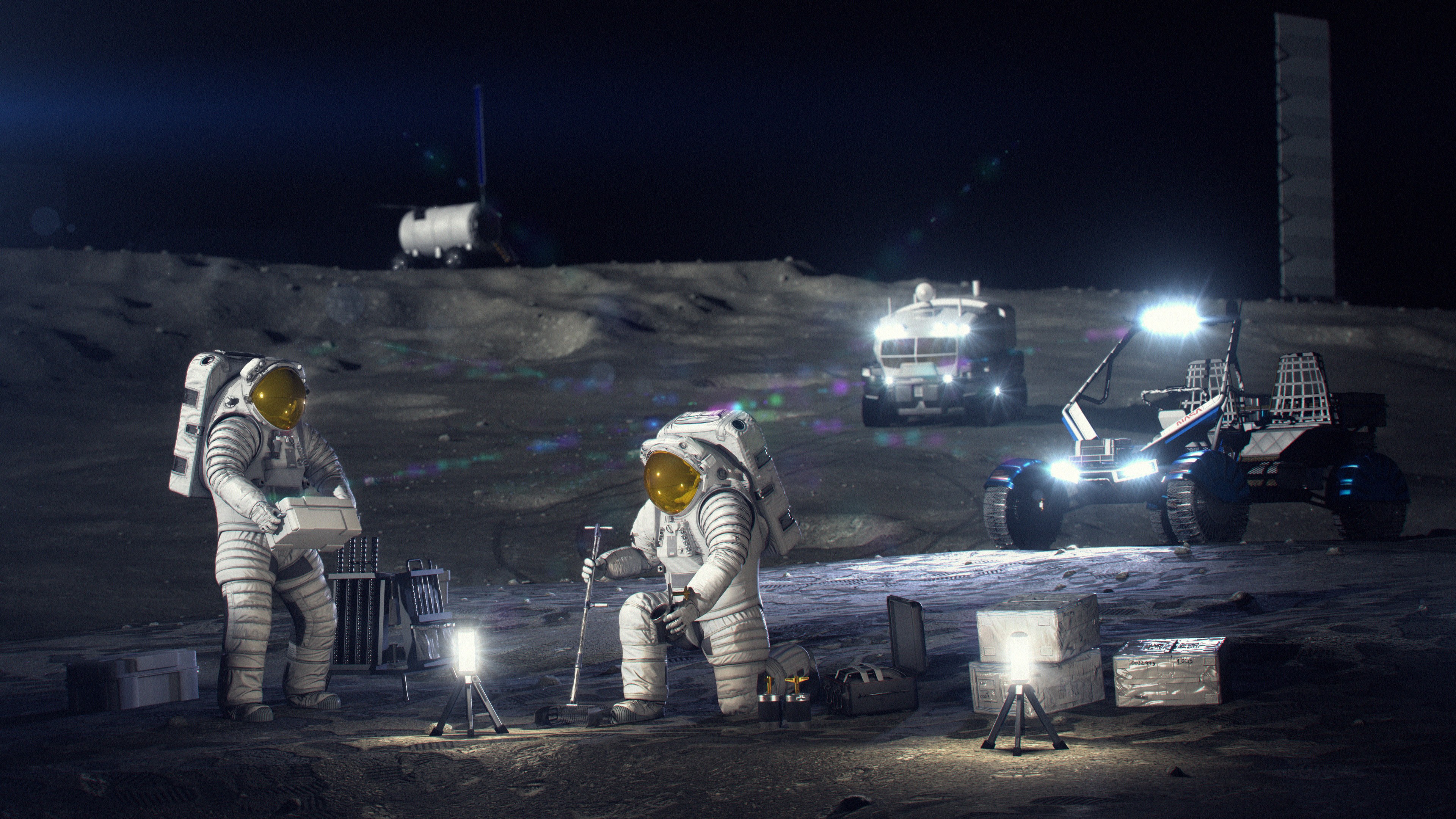
Why it matters: This matters for Space Exploration because it gives a concrete current signal to track: Read this news release in English here.
Context: Read this news release in English here. La NASA ofrecerá una conferencia de prensa el martes 26 de mayo a las 2 p.m. EDT (hora del este) para compartir los planes para la Base Lunar y destacar los avances hacia una presencia sostenida en la superficie lunar.
"Read this news release in English here. La NASA ofrecerá una conferencia de prensa el martes 26 de mayo a las 2 p.m. EDT (hora del este) para compartir los planes para." — NASA.GOV
Commentary: The immediate implication is operational rather than speculative: watch how this changes budgets, workflows, or risk assumptions over the next cycle.
Date: Wed, 20 May 2026 19:08:50 +0000
URL: https://www.nasa.gov/news-release/la-nasa-informara-sobre-su-estrategia-y-misiones-para-la-base-lunar/
AI Sentiment Score: Neutral (50%)
AI Credibility Score: 10.0/10 — High
Scores and text generated by AI analysis of the source article indicated.
Post ID: 121967e6