Brand & Business Strategy Moves
Beauty Briefing: What the Estée Lauder-Jo Malone lawsuit means for eponymous brands (Glossy.Co)
Summary: Estée Lauder Companies has filed a lawsuit in the UK against perfumer Jo Malone, her new brand Jo Loves, and Zara over the use of her name on a collaborative fragrance line. The suit centers on whether the phrase ‘Created by Jo Malone CBE, founder of Jo Loves’ on Zara product packaging and descriptions violates the terms of Malone’s 1999 sale of her eponymous brand. Legal experts note the case highlights the enduring contractual restrictions founders face after selling a namesake brand, a critical consideration in an acquisition-heavy market.

Why it matters: For founders and acquirers, this litigation underscores the long-term operational and legal constraints embedded in selling an eponymous brand, directly impacting future commercial strategy and personal brand equity.
Context: The trend is shifting away from eponymous labels as founders, anticipating exits, seek to avoid the limitations exemplified by cases involving Karen Millen and Bobbi Brown.
"Any acquisition where the brand founder’s name is a primary brand asset is going to have strict contractual restrictions and controls over how that founder can use the name going forward, because that’s where the value is for the acquirer." — GLOSSY.CO
Commentary: The lawsuit operationalizes a core tension in brand M&A: the acquirer’s need to protect a key asset versus the founder’s residual right to a personal identity. Estée Lauder’s move against a Zara collaboration specifically targets dilution of brand prestige through association with a fast-fashion retailer, a tactical enforcement that will shape future deal structuring and post-exit conduct clauses. For practitioners, this elevates the ‘arms-length brand’ model from a trend to a material risk mitigation strategy in term sheets.
Date: Tue, 26 May 2026 04:02:00 +0000
URL: https://www.glossy.co/beauty/what-the-estee-lauder-jo-malone-lawsuit-means-for-eponymous-brands/
AI Sentiment Score: Negative (75%)
AI Credibility Score: 10.0/10 — High
Scores and text generated by AI analysis of the source article indicated.
Luxury Briefing: With Versace sold, Capri is betting on new consumer demand for accessible luxury (Glossy.Co)
Summary: Following the $1.375 billion sale of Versace to Prada, Capri Holdings is now a two-brand company focused on Michael Kors and Jimmy Choo. Its strategy leverages a market gap created by high-end luxury price inflation, aiming to grow through reduced promotions at Michael Kors and a broader, more accessible handbag offering at Jimmy Choo. The company has cut net debt significantly and restarted share buybacks, but faces the operational challenge of improving profitability at Jimmy Choo while converting Michael Kors’s full-price sales momentum into broader revenue recovery.
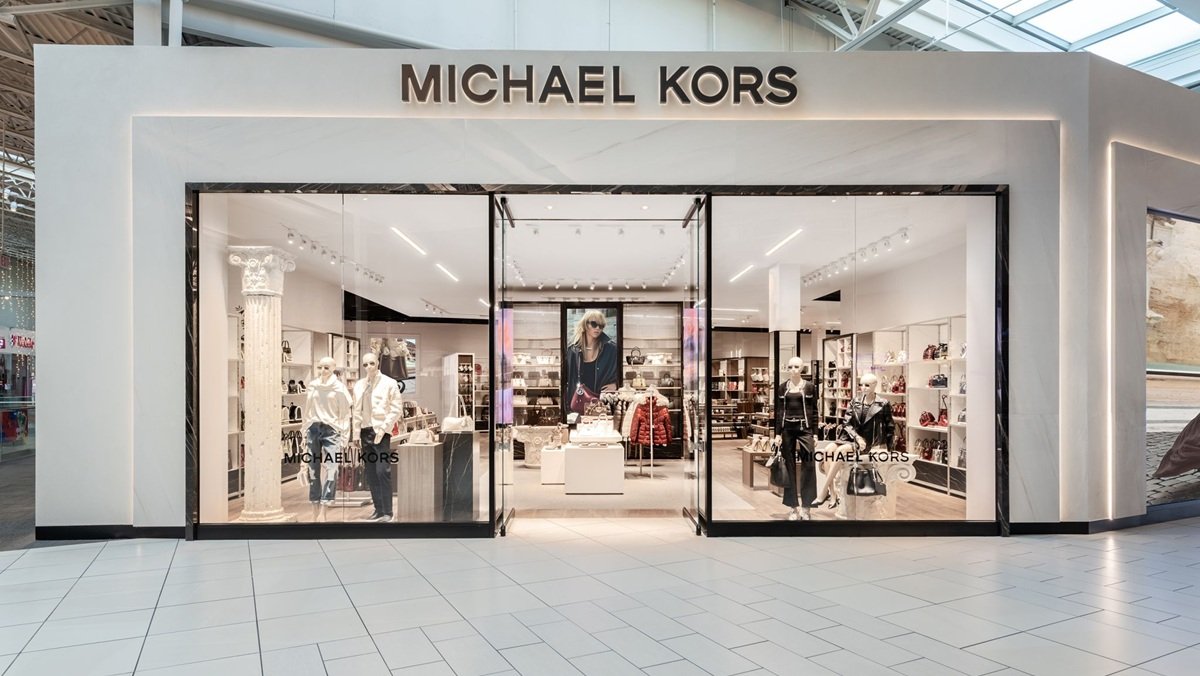
Why it matters: Capri’s post-Versace pivot defines a concrete playbook for accessible luxury brands seeking to capitalize on a polarized consumer market, with clear implications for pricing architecture, promotional discipline, and product line expansion.
Context: Luxury price increases averaging 61% from 2019-2025 have strained middle-class budgets, creating a documented opening for credible brands at lower price points, as seen with Polo Ralph Lauren and Coach.
"In this week’s Luxury Briefing, I check in with analysts Luca Solca and Simeon Siegel on the state of Capri as it looks to grow Michael Kors and Jimmy Choo with new." — GLOSSY.CO
Commentary: Capri’s operational bet is that margin recovery at Michael Kors depends on accepting near-term revenue decline to reset price integrity, while Jimmy Choo’s growth requires tolerating margin compression to capture market share. The success of this bifurcated strategy will test whether accessible luxury can structurally profit from high-end pricing alienation, or if it merely trades one form of financial pressure for another.
Date: Fri, 29 May 2026 04:04:00 +0000
URL: https://www.glossy.co/fashion/luxury/luxury-briefing-with-versace-sold-capri-is-betting-on-new-consumer-demand-for-accessible-luxury/
AI Sentiment Score: Negative (50%)
AI Credibility Score: 10.0/10 — High
Scores and text generated by AI analysis of the source article indicated.
Fashion misses at Old Navy spell trouble for Gap Inc. (Retaildive)
Summary: Gap Inc.’s Q1 results reveal a divergent performance across its portfolio. While the Gap brand posted its tenth consecutive quarter of positive comps, driven by denim and fleece, its largest division, Old Navy, faltered due to fashion and pricing missteps in seasonal categories like dresses. The weakness at Old Navy, which accounts for over half of corporate revenue, is the second consecutive quarter of disappointment and is seen as CEO Richard Dickson’s first significant operational challenge. Meanwhile, Athleta’s sales continued to decline sharply.
Why it matters: For industry practitioners, this signals a critical vulnerability in mass-market merchandising strategy and highlights the operational pressure when a portfolio’s anchor brand stumbles, directly impacting near-term comps, margins, and resource allocation.
Context: This follows a period where Gap Inc. had been executing a turnaround narrative, with the core Gap brand’s resurgence built on targeted product categories and cultural marketing. The setback at Old Navy tests the durability of that narrative against executional risk in fast-fashion cycles.
"Dive Brief: – Despite spring fashion misses, Old Navy Q1 net sales reached $2 billion, up 1% year on year; comps also rose 1%. Still, results disappointed the company and analysts. -." — RETAILDIVE
Commentary: The analysis shifts the problem from a simple category misread to a structural challenge: Old Navy’s value proposition is being eroded by off-price competitors like Ross. This forces a reassessment of pricing architecture and product differentiation, not just quick inventory fixes. The success at Gap, tied to specific items and nostalgia-driven fragrance relaunches, underscores a portfolio strategy where brand distinctiveness, not just value, is now the primary margin defense.
Date: Fri, 29 May 2026 12:13:00 -0400
URL: https://www.retaildive.com/news/old-navy-fashion-misses-spell-trouble-gap-inc-q1-earnings/821459/
AI Sentiment Score: Negative (80%)
AI Credibility Score: 10.0/10 — High
Scores and text generated by AI analysis of the source article indicated.
Printemps’ US growth plan is all about differentiation: ‘The risk is on us, not the brands’ (Glossy.Co)
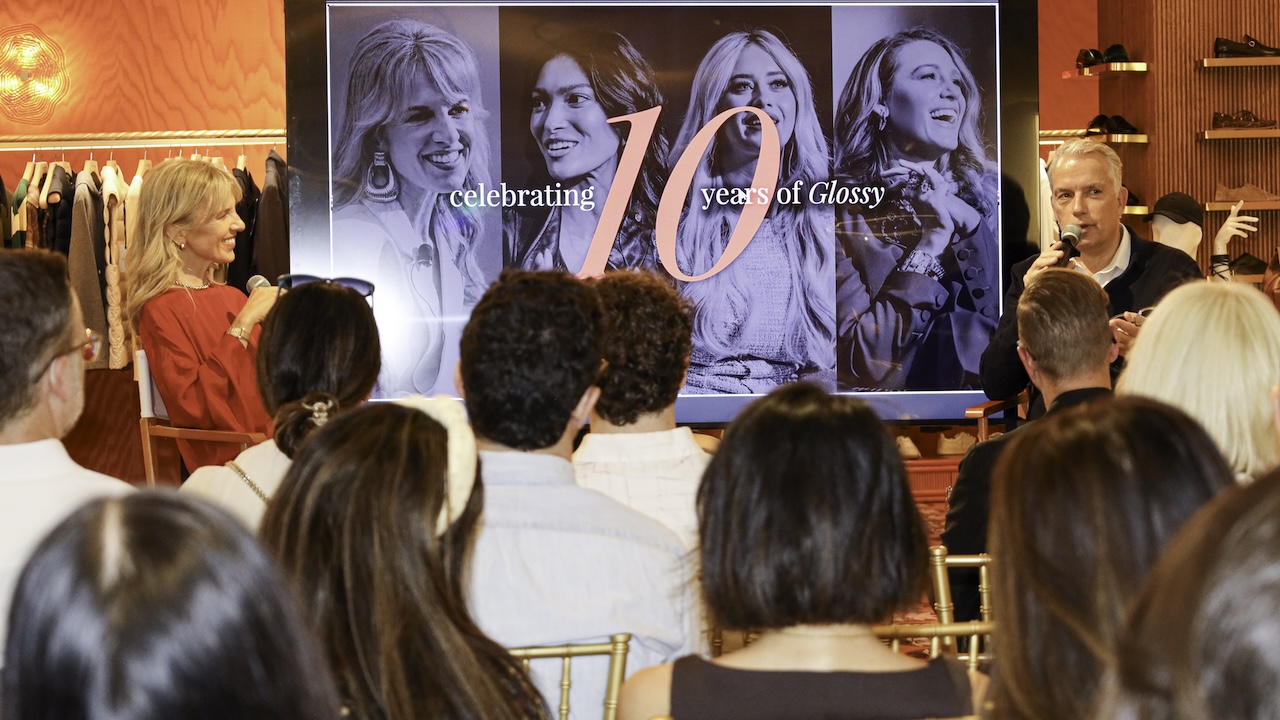
Summary: Printemps America’s CEO Thierry Prevost outlines a deliberate, asset-heavy expansion strategy for the U.S., centered on its New York ‘apartment store.’ The model hinges on full inventory ownership, absorbing markdown risk from brands, and a curated, thematic merchandising approach that mixes price points and categories. Growth is contingent on solidifying this single location before considering new markets, with digital commerce serving primarily as a discovery tool to drive physical store traffic.
Why it matters: It presents a counter-model to the prevailing consignment and shop-in-shop retail structure, shifting inventory risk and creative control back onto the retailer, which alters buyer-brand dynamics and store economics.
Context: The multi-brand luxury retail sector is consolidating, with most operators minimizing inventory risk through consignment. Printemps’s owned-inventory ‘vestiaire’ model is a high-stakes operational throwback.
"We buy the products — so, it is not a mostly consignment business, it’s an owned-by business. We buy the products, we have to sell them, and if we don’t sell them, we have to mark them down. So, completely, the risk is on us, not the brand — that is the first thing." — GLOSSY.CO
Commentary: This capital-intensive approach pressures Printemps’s buying team to achieve near-perfect sell-through, making merchandising agility and staff training critical profit levers. It grants them unique merchandising freedom—mixing brands and price points—but ties success directly to their ability to curate and move inventory profitably, a stark contrast to the low-risk, revenue-share models of competitors.
Date: Mon, 01 Jun 2026 04:00:00 +0000
URL: https://www.glossy.co/fashion/printemps-us-growth-plan-is-all-about-differentiation-the-risk-is-on-us-not-the-brand/
AI Sentiment Score: Negative (50%)
AI Credibility Score: 10.0/10 — High
Scores and text generated by AI analysis of the source article indicated.
What brands need to know about retail compliance before expanding wholesale (Retaildive)
Summary: The article details the operational shift required when a DTC brand expands into wholesale, moving from single-order fulfillment to a compliance-driven model dictated by retailer-specific requirements. It outlines the technical and procedural demands—labeling, cartonization, EDI, ASNs, routing—that, if unmet, trigger chargebacks and erode margins. The piece frames retail compliance as a core fulfillment discipline, not an administrative afterthought, and advises on embedding these rules into warehouse workflows and systems.
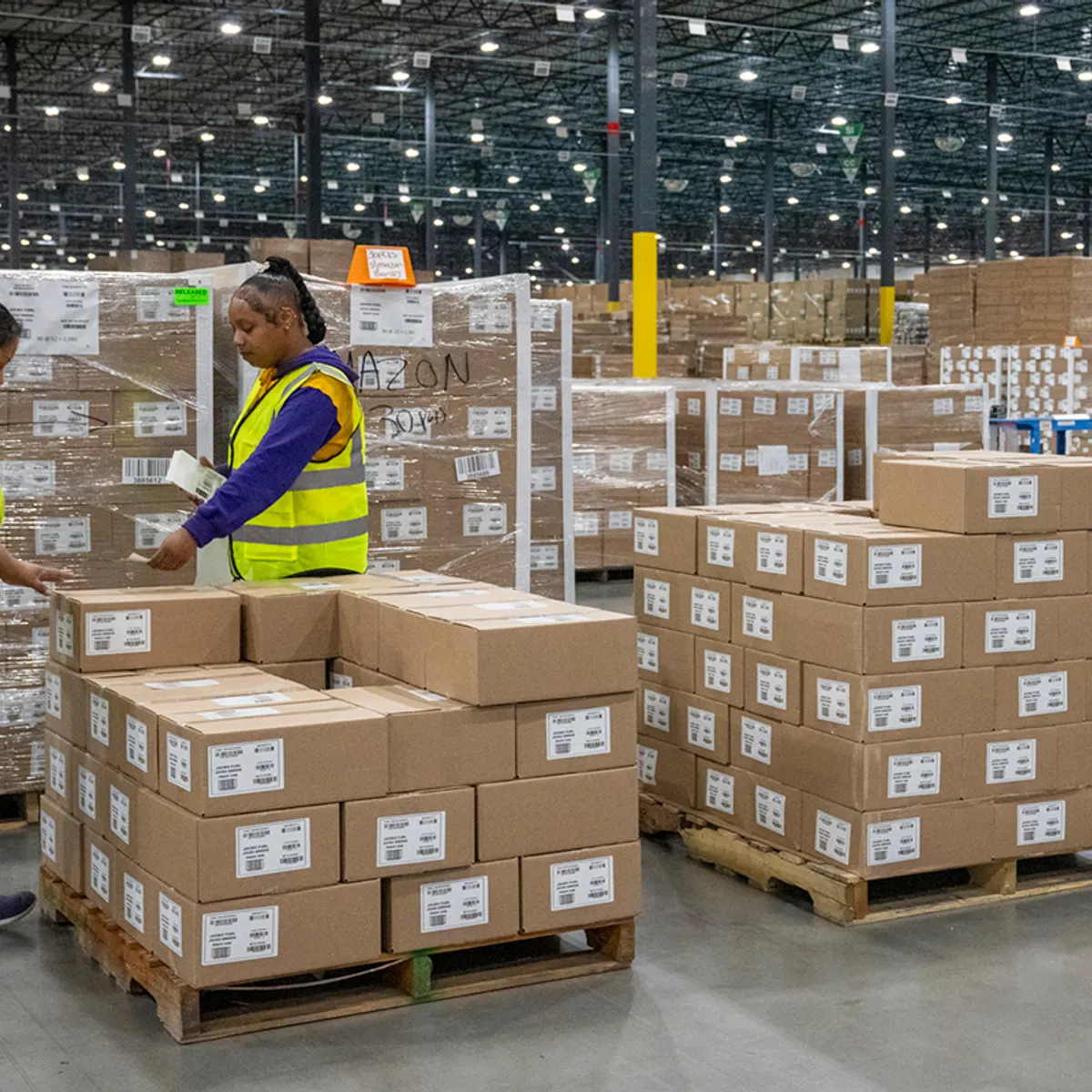
Why it matters: For fashion brands scaling through wholesale, mastering retail compliance is a direct determinant of profitability and retailer relationships, turning operational execution into a strategic capability.
Context: The growth of digitally-native vertical brands into wholesale channels has exposed a common operational gap, where DTC logistics proficiency does not translate to the standardized, high-volume demands of retail distribution networks.
"Retail compliance is not separate from fulfillment. It is fulfillment. The brands that recognize that early are better positioned to grow wholesale confidently, avoid preventable chargebacks and build stronger relationships with the retailers and wholesalers that can shape their next stage of growth." — RETAILDIVE
Commentary: This reframes compliance from a cost center to a core competency, forcing brands to re-architect their fulfillment pipelines around retailer-specific rule sets. The implication is a bifurcation in the market: brands that invest in configurable WMS and 3PL partnerships will scale wholesale profitably, while those that treat it as a simple volume play will bleed margin through chargebacks and strained partnerships. For vendors and 3PLs, this creates a premium service tier built on compliance engineering and proactive chargeback analytics.
Date: Mon, 01 Jun 2026 05:00:00 -0400
URL: https://www.retaildive.com/spons/what-brands-need-to-know-about-retail-compliance-before-expanding-wholesale/821450/
AI Sentiment Score: Negative (50%)
AI Credibility Score: 10.0/10 — High
Scores and text generated by AI analysis of the source article indicated.
Capri Holdings’ ‘biggest issue’ is footwear (Retaildive)
Summary: Capri Holdings reported a Q4 revenue decline of 3.7% to $796 million, with Michael Kors down 5.5% and Jimmy Choo up 5.3%. CEO John Idol identified footwear as the company’s ‘biggest issue,’ prompting a strategic repositioning toward casual styles and price corrections. The company, now focused solely on Michael Kors and Jimmy Choo post-Versace sale, guided for flat revenue in FY27 but expects a 60% increase in operating income, factoring in wholesale channel reductions and new U.S. tariffs.
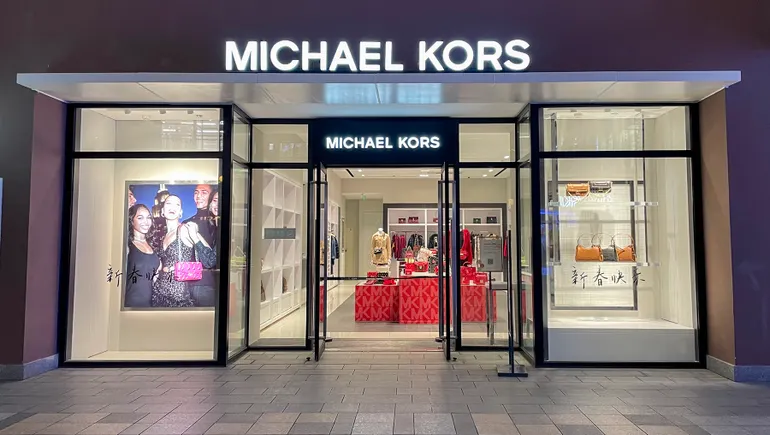
Why it matters: For fashion operators, this signals a critical shift in product strategy and pricing discipline, where a core category failure can dictate wholesale retreat and store renovation priorities.
Context: This follows Capri’s debt reduction from the Versace sale and reflects a broader industry pivot where legacy brands are recalibrating price architecture and category focus to recapture mid-market consumers.
"Our biggest issue inside the company actually is not the accessories, it’s our footwear," Idol said. "And we are going through a strategic repositioning of our footwear business in Michael Kors." — RETAILDIVE
Commentary: Idol’s blunt admission forces a product-line realignment that could reshape design calendars, sourcing contracts, and store layouts for Michael Kors. The planned 10% wholesale reduction and tariff assumption add pressure on margin management, making the casual footwear pivot a high-stakes operational bet rather than a mere trend chase.
Date: Thu, 28 May 2026 16:32:00 -0400
URL: https://www.retaildive.com/news/capri-q4-earnings-footwear-strategy-Michael-Kors/821331/
AI Sentiment Score: Negative (71%)
AI Credibility Score: 10.0/10 — High
Scores and text generated by AI analysis of the source article indicated.
Sephora a surprise drag on Kohl’s in Q1 (Retaildive)
Summary: Kohl’s Q1 results showed modest operational improvement but revealed an unexpected decline in sales at its Sephora shop-in-shops, a key growth driver. While overall comps fell only 1.1% and private label performed well, the low-single-digit drop at Sephora locations signals a potential inflection point. Analysts note the beauty market is still growing, suggesting Kohl’s is underperforming its own anchor tenant.
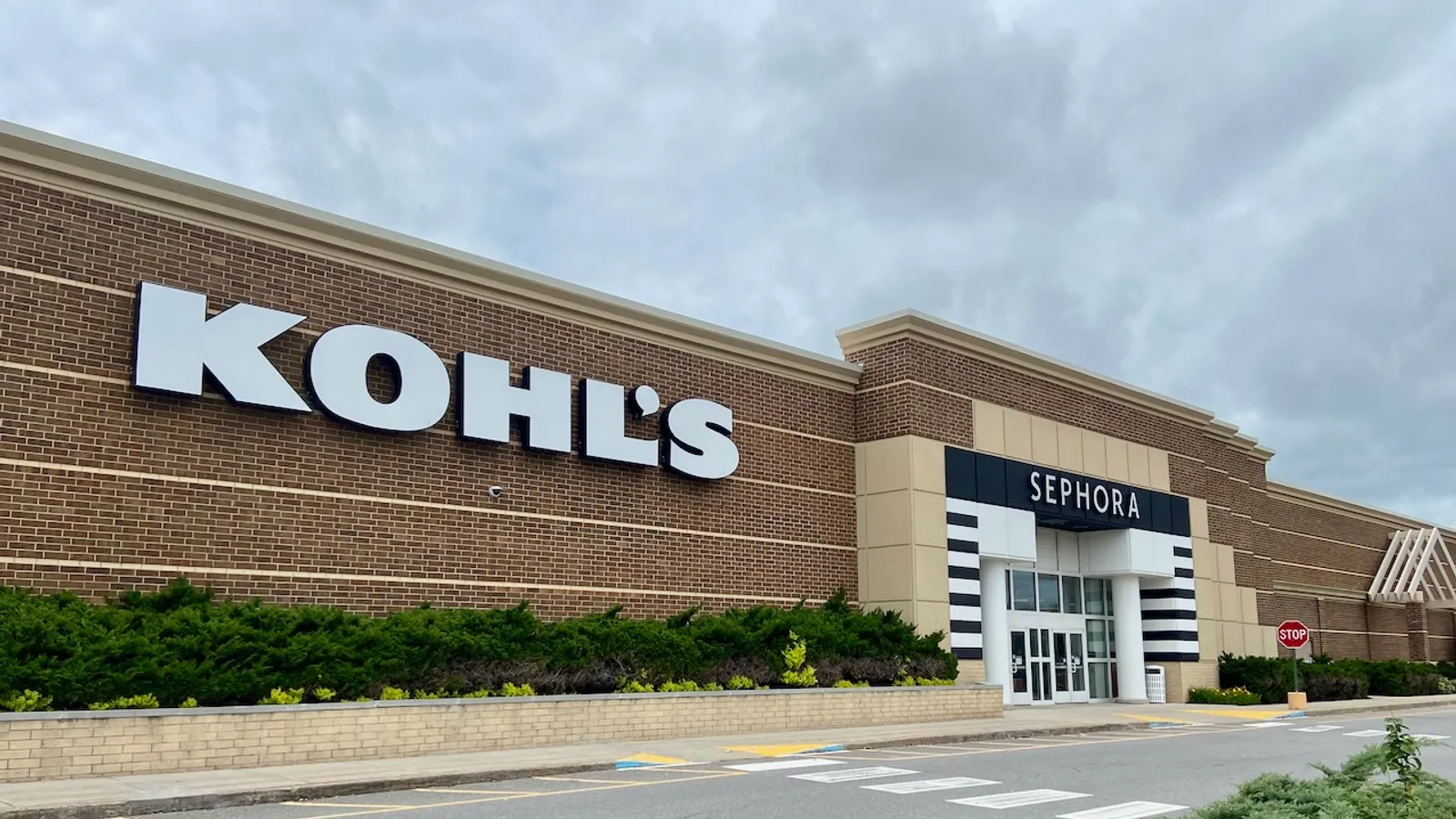
Why it matters: For fashion and retail operators, this signals that even a successful, high-margin partnership can be dragged down by a host brand’s fundamental traffic and positioning problems, affecting vendor negotiations and future co-branding strategies.
Context: The Sephora-at-Kohl’s partnership has been a critical lifeline for the department store, masking deeper sales erosion. Its underperformance now exposes the limits of a tactical fix against systemic brand decline.
"Dive Brief: – Sephora was a rare drag at Kohl’s in an otherwise better-performing quarter, with sales at those shop-in-shops down low-single-digits compared to last year, Kohl’s executives said Thursday. – The." — RETAILDIVE
Commentary: The partnership’s peak suggests vendor-led retail transformations have a ceiling when the host platform decays. For Sephora, this data point weakens its leverage in future wholesale or shop-in-shop negotiations, as its growth story becomes tied to Kohl’s fate. For Kohl’s, the fading halo effect forces a harder reassessment of its core apparel and home assortments, as private label gains failed to materially boost margins. The operational consequence is a shift in capital allocation: investment must now address foundational traffic generation, not just high-margin adjacency.
Date: Thu, 28 May 2026 12:27:00 -0400
URL: https://www.retaildive.com/news/sephora-surprise-drag-kohls-q1-earnings/821346/
AI Sentiment Score: Negative (50%)
AI Credibility Score: 10.0/10 — High
Scores and text generated by AI analysis of the source article indicated.
CBP raises accepted tariff refunds to $85B (Retaildive)
Summary: U.S. Customs and Border Protection reports its CAPE portal has accepted over 15.85 million entries for duty removal, representing roughly $85 billion in potential refunds for tariffs invalidated by the Supreme Court. Of that, $20.6 billion in certified refunds has been transmitted to Treasury, but processing bottlenecks remain, including an inability to handle finally liquidated entries and a high rate of entry-level validation failures. Major importers like Ford and GM have already factored specific refund amounts into their financials, while others await disbursement and grapple with how to pass refunds through their supply chains to suppliers or customers.

Why it matters: For fashion importers and their logistics partners, this defines the immediate cash flow recovery timeline, operational burden for filing, and financial planning certainty for the year.
Context: The refunds stem from the Supreme Court’s March ruling that Section 301 tariffs on Chinese goods, imposed under the Trump administration, were illegal. The CAPE system was launched in April to manage the unprecedented volume of refund claims.
"The latest update represents more than half of the $166 billion that the CBP estimates was paid for the invalidated tariffs. Nevertheless, a large portion of importers remain waiting for their turn. The agency is still unable to process entries that have been finally liquidated, although it previously said it was developing the capability." — RETAILDIVE
Commentary: The scale ($85B accepted, $20.6B disbursed) reveals a massive, but partial, liquidity injection into fashion and retail supply chains, contingent on navigating CBP’s technical validation hurdles. The operational focus shifts to internal accounting and vendor agreements, as brands like PVH must decide whether to retain refunds or fulfill obligations to suppliers and freight partners who fronted the duties. This windfall is not uniform; it rewards those with compliant, error-free filing operations and punishes those with legacy data mismatches or entries outside the 90-day reliquidation window.
Date: Thu, 28 May 2026 11:38:00 -0400
URL: https://www.retaildive.com/news/cbp-raises-accepted-tariff-refunds-to-85b/821333/
AI Sentiment Score: Negative (50%)
AI Credibility Score: 10.0/10 — High
Scores and text generated by AI analysis of the source article indicated.
Post ID: dfb837c8