Impact of Conflict on Travel and Trade
Trump delays ‘scheduled attack’ on Iran, crediting ‘serious negotiations’ (Aljazeera)
Summary: President Trump announced a delay of a ‘scheduled attack’ on Iran, citing ongoing ‘serious negotiations’ and pressure from Gulf state leaders. The decision underscores the fragile ceasefire and the complex mediation efforts, primarily via Pakistan, where core disputes over Iran’s nuclear program, missile arsenal, and control of the Strait of Hormuz remain unresolved. The war has become a domestic political liability for Trump ahead of midterms, with high costs and public disapproval, while Gulf allies prioritize reopening the strait and halting missile attacks over the nuclear issue.

Why it matters: A delayed military strike shifts regional power dynamics, affects global energy security via the Strait of Hormuz, and reveals a growing disconnect between U.S. strategic priorities and those of its Gulf allies.
Context: This follows a pattern of Trump leveraging public threats to force negotiations, while regional states like Qatar and Saudi Arabia actively seek de-escalation to protect their economies and stability from retaliatory strikes.
"Trump delays ‘scheduled attack’ on Iran, crediting ‘serious negotiations’ Gulf states have pushed Trump to avoid any escalation in the US-Israel war against Iran, which prompted regional attacks. United States President Donald." — ALJAZEERA
Commentary: The delay is less a diplomatic breakthrough than a tactical pause driven by Gulf state pressure and domestic political costs. It highlights a fractured coalition: the U.S. focuses on non-proliferation, while regional allies seek an end to missile attacks and the reopening of critical shipping lanes. The conditional nature of the pause means market volatility and supply chain contingency planning could remain elevated. Ultimately, the credibility of the threat now hinges on whether Iran perceives Gulf mediation as a durable constraint on U.S. action.
Date: Mon, 18 May 2026 20:12:45 +0000
URL: https://www.aljazeera.com/news/2026/5/18/trump-delays-scheduled-attack-on-iran-crediting-serious-negotiations?traffic_source=rss
AI Sentiment Score: Negative (71%)
AI Credibility Score: 10.0/10 — High
Scores and text generated by AI analysis of the source article indicated.
US warns shippers against paying Strait of Hormuz tolls, ‘donations’ (Aljazeera)
Summary: The US Treasury’s OFAC has issued a formal advisory warning shippers that paying tolls, fees, or ‘donations’ to Iran for passage through the Strait of Hormuz risks sanctions, regardless of payment method. This comes amid a prolonged US naval blockade of the strait and stalled ceasefire talks, with Iran reportedly presenting a new peace proposal. Iran has long sought to monetize its control over the chokepoint, which handles roughly 20% of global seaborne oil and LNG traffic.

Why it matters: This escalates the financial and operational pressure on global shipping and energy markets, forcing carriers to choose between Iranian transit demands and US sanctions compliance.
Context: The US has maintained a naval blockade of the Strait of Hormuz for three weeks following attacks on Iran, leveraging sanctions as a non-kinetic tool to undercut Tehran’s attempts to establish a revenue stream from maritime transit.
"US warns shippers against paying Strait of Hormuz tolls, ‘donations’ Latest warning comes as Iranian state media reports Tehran has presented new peace proposal to US. The United States has warned that." — ALJAZEERA
Commentary: The advisory formalizes a financial front in the blockade, targeting the in-kind and digital payment mechanisms Iran might use. It forces a binary choice on shippers, potentially fragmenting transit compliance and raising costs for all traffic through the Gulf. The timing, alongside reports of a new Iranian ceasefire proposal, suggests Washington is using economic pressure to shape negotiation outcomes, not just secure the waterway.
Date: Fri, 01 May 2026 17:18:43 +0000
URL: https://www.aljazeera.com/news/2026/5/1/us-warns-shippers-against-paying-strait-of-hormuz-tolls-donations?traffic_source=rss
AI Sentiment Score: Negative (75%)
AI Credibility Score: 10.0/10 — High
Scores and text generated by AI analysis of the source article indicated.
The Global Economic Impact from the Iran Conflict (Foreignpolicy)
Summary: The closure of the Strait of Hormuz has triggered IMF growth downgrades, with scenarios ranging from a 3.1% baseline to a 2% global growth floor if disruptions persist. The shock is asymmetric, disproportionately impacting energy importers and low-income nations like Sri Lanka and Pakistan, while the U.S. and other AI-capable economies demonstrate relative insulation. Gita Gopinath frames the crisis as a stress test for resilience, highlighting energy independence and the stabilizing role of the WTO as critical buffers against geopolitical fragmentation.

Why it matters: The crisis exposes the brittle architecture of global energy and trade flows, forcing a recalibration of national resilience strategies and investment priorities.
Context: This follows a period of compounding shocks—pandemic, Ukraine war, tariff wars—that have already strained supply chains and tested the limits of multilateral economic governance.
"If the flow of crude oil and natural gas isn’t restored until next year, the IMF expects growth to fall to 2 percent, a rare occurrence in recent decades, with inflation rising to 6 percent." — FOREIGNPOLICY
Commentary: The IMF’s adverse scenario isn’t merely a statistical forecast; it’s a blueprint for cascading institutional failure in fragile states. The divergence between AI-driven economies and commodity-dependent ones will accelerate, making ‘global growth’ an increasingly meaningless aggregate. Policymakers must now treat energy transit chokepoints as single points of failure, not theoretical risks.
Date: Wed, 29 Apr 2026 17:32:18 +0000
URL: https://foreignpolicy.com/2026/04/29/gopinath-foreign-policy-live-fpl-agrawal-iran-war-hormuz-blockade-global-economic-impact-oil-gas/
AI Sentiment Score: Negative (71%)
AI Credibility Score: 10.0/10 — High
Scores and text generated by AI analysis of the source article indicated.
Firms, industries grapple with shipping disruptions amid Middle East … (En.Qdnd.Vn)
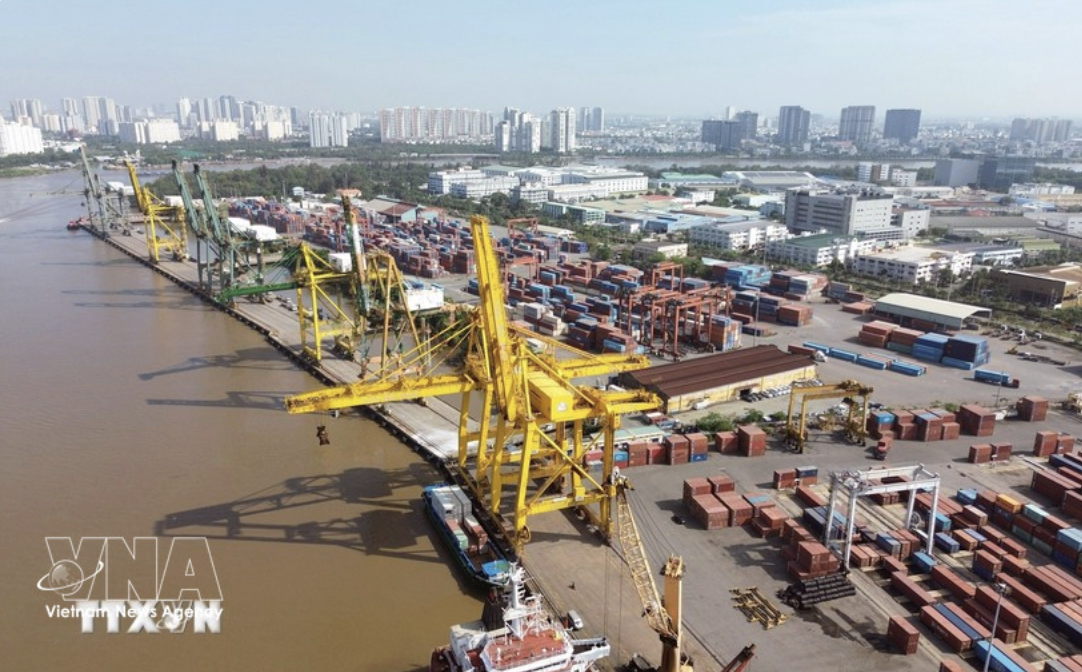
Summary: Major shipping lines, including KMTC, Wan Hai, MSC, Maersk, and ONE, have suspended bookings and transit through the Suez Canal following US-Israel-Iran hostilities, rerouting vessels around the Cape of Good Hope. Ports from Jebel Ali to Jeddah are affected, with Dubai’s DP World reporting operational disruptions. Freight rates are forecast to spike over 30% to Europe, while transit times extend by 15-20 days, severely impacting time-sensitive exports like Vietnamese seafood and fashion.
Why it matters: Global supply chains face renewed pressure on a critical artery, forcing cost and timeline recalibrations for exporters, importers, and consumers worldwide.
Context: This follows the established pattern of Red Sea disruptions, but escalates risk to the Strait of Hormuz, a more fundamental chokepoint for Persian Gulf energy and trade.
"Shipments bound for Europe and the U.K. are being rerouted around the Cape of Good Hope in South Africa, extending transit times by an estimated 15–20 days." — EN.QDND.VN
Commentary: The shift from the Red Sea to the Cape is now a standard contingency, but the inclusion of Gulf ports like Jebel Ali indicates a deeper, more systemic blockade. This will test the resilience built after the Houthi attacks, particularly for cold chains and just-in-season goods, while war risk premiums become a persistent tax on trade.
Date: April 24, 2026 12:00 AM ET
URL: https://en.qdnd.vn/economy/news/firms-industries-grapple-with-shipping-disruptions-amid-middle-east-conflict-588435
AI Sentiment Score: Negative (85%)
AI Credibility Score: 9.0/10 — High
Scores and text generated by AI analysis of the source article indicated.
The network is being redrawn — are Gulf ports still on it? – Logistics (Enterpriseam)
Summary: The strategic calculus for Gulf shipping lanes is shifting from a binary question of access to a more complex, commercialized model of control. As the conflict in the Strait of Hormuz persists, Iranian actions to escort and detain vessels are establishing a precedent for monetizing passage, a ‘tollbooth’ dynamic that shipping executives warn could become a hardwired feature of other global chokepoints. This commercial pressure is manifesting in rising war risk premiums and fuel surcharges, directly impacting freight rates and the operating costs of fuel-intensive sectors like logistics and delivery services across the MENA region.

Why it matters: The normalization of monetized access at maritime chokepoints rewrites the foundational economics of global trade, embedding new, persistent cost layers and operational risks for any industry dependent on physical supply chains.
Context: This follows an earlier phase of the conflict where the primary concern was physical access to Gulf ports; the evolution to a ‘pay-to-play’ model represents a second-order, institutionalization of risk.
"Good morning, friends. The situation in Hormuz remains murky — some vessels are being targeted, while others pass through unscathed. Tehran attacked three ships, escorting two of them into Iranian waters,." — ENTERPRISEAM
Commentary: The ‘tollbooth’ model, once proven viable in Hormuz, creates a perverse incentive structure for any actor controlling a strategic passage, from the Bab el-Mandeb to the Malacca Strait. This moves the geopolitical risk from episodic disruption to a sustained, rent-seeking tax on global commerce, forcing a permanent recalibration of logistics pricing and regional port competitiveness beyond the immediate conflict zone.
Date: April 23, 2026 12:00 AM ET
URL: https://enterpriseam.com/logistics/issues/the-network-is-being-redrawn-are-gulf-ports-still-on-it/
AI Sentiment Score: Negative (85%)
AI Credibility Score: 10.0/10 — High
Scores and text generated by AI analysis of the source article indicated.
‘Turbulent and dangerous’: How shipping is the new global battleground (Aljazeera)
Summary: The rules-based maritime order that enabled global trade expansion is fracturing. From the Strait of Hormuz to the Panama Canal, states are using control of chokepoints for political leverage, imposing tolls, detaining vessels, and engaging in calibrated shows of force. These actions are driving up shipping costs, rerouting global supply chains, and injecting dangerous uncertainty into the movement of over 80% of world trade.

Why it matters: The weaponization of maritime chokepoints directly inflates costs for consumers and businesses globally, while setting precedents that could permanently fragment global logistics into spheres of political influence.
Context: This follows a pattern of states exploiting logistical dependencies for geopolitical gain, as seen with Russia’s Black Sea grain blockade and Houthi attacks in the Red Sea, but now involves major powers testing the limits of international straits governance.
"‘Turbulent and dangerous’: How shipping is the new global battleground From the Strait of Hormuz to Panama, the South China Sea to the Black Sea, geopolitics is rewriting the rules of global." — ALJAZEERA
Commentary: The shift from universal norms to power-based ‘permissioning’ represents a structural change in global trade. It forces operators to make routing and flagging decisions based on political risk models, not just economics, effectively balkanizing maritime corridors. This will accelerate the regionalization of supply chains and increase the strategic value of secondary flag registries and alternative routing alliances.
Date: Fri, 01 May 2026 13:18:33 +0000
URL: https://www.aljazeera.com/news/2026/5/1/turbulent-and-dangerous-how-shipping-is-the-new-global-battleground?traffic_source=rss
AI Sentiment Score: Positive (40%)
AI Credibility Score: 10.0/10 — High
Scores and text generated by AI analysis of the source article indicated.
Chokepoints as Weapons – The Nation (Nation.Pk)
Summary: The recent Israel-US-Iran confrontation has demonstrated a strategic shift toward using maritime chokepoints as instruments of economic coercion, operating below the threshold of declared war. The Strait of Hormuz has become a lever for calibrated disruption, influencing global energy markets, industrial supply chains, aviation, and logistics. This approach, termed ‘economic denial warfare,’ exploits the deep integration of the global economy, where a regional disruption triggers immediate, systemic shocks worldwide.

Why it matters: This evolution in statecraft directly threatens the stability of global trade, energy security, and inflation management, affecting everything from consumer prices to industrial output and geopolitical risk calculations.
Context: The strategic use of waterways has historical precedents, but today’s convergence of advanced military tech, real-time finance, and optimized supply chains magnifies the consequences, collapsing the distinction between local conflict and global economic impact.
"The contemporary international system is undergoing a subtle but consequential transformation in the conduct of warfare. The recent confrontation involving Israel, the United States and Iran has exposed a strategic shift that." — NATION.PK
Commentary: The article correctly identifies that the doctrine of ‘economic denial warfare’ renders political rhetoric about decoupling structurally hollow. It forces a reassessment of strategic resilience, not just for nations but for corporations managing global supply chains for everything from helium to jet fuel. The immediate policy implication is a push for redundancy over pure efficiency, likely accelerating investment in alternative routes and stockpiling of critical materials. This shifts the calculus of deterrence from purely military assets to economic and logistical resilience.
Date: April 24, 2026 12:00 AM ET
URL: https://www.nation.com.pk/24-Apr-2026/chokepoints-weapons
AI Sentiment Score: Negative (66%)
AI Credibility Score: 9.0/10 — High
Scores and text generated by AI analysis of the source article indicated.
Trump says he called off new Iran attack at request of Gulf states (Bbc)
Summary: President Trump announced he called off a planned military strike on Iran at the request of Gulf Arab states, citing ongoing negotiations. He warned the US remains prepared for a ‘full, large scale assault’ if a deal is not reached. The announcement follows a drop in his domestic approval ratings and public opposition to the war, while Iran continues to control the Strait of Hormuz, impacting global energy markets. Both sides have exchanged proposals, with key sticking points including Iran’s nuclear program and control of the strategic waterway.

Why it matters: The decision directly affects regional stability, global energy security via the Strait of Hormuz, and the domestic political calculus of a US election year.
Context: This follows a cycle of US-Israeli strikes and Iranian retaliation, with Gulf states caught in the middle and increasingly fearful of escalation damaging critical infrastructure.
"Trump says he called off new Iran attack at request of Gulf states US President Donald Trump has said he is holding off a military attack on Iran planned for Tuesday at." — BBC
Commentary: The Gulf states’ intervention reveals their primary vulnerability: critical, climate-dependent infrastructure. Trump’s public framing turns a strategic vulnerability into a diplomatic off-ramp, but the threat of immediate escalation remains a blunt instrument that could undermine any negotiated outcome. The linkage of the nuclear program to control of the Strait of Hormuz in the negotiations underscores how regional hegemony, not just weapons capability, is the ultimate prize.
Date: Mon, 18 May 2026 22:30:58 GMT
URL: https://www.bbc.com/news/articles/c7079e55zjro
AI Sentiment Score: Negative (75%)
AI Credibility Score: 10.0/10 — High
Scores and text generated by AI analysis of the source article indicated.
UN Security Council defers vote on Bahrain draft resolution for … (Arabnews.Jp)
Summary: The UN Security Council has postponed a vote on a Bahrain-drafted resolution authorizing a ‘defensive’ force to protect shipping in the Strait of Hormuz. The delay, attributed to a UN holiday, follows revisions to the text that softened its language, removing an explicit invocation of Chapter 7 powers and emphasizing defensive action to assuage French concerns. The outcome remains uncertain due to potential vetoes from Russia and China.

Why it matters: A Security Council mandate for force in the Strait of Hormuz would reshape maritime security, energy markets, and great-power diplomacy in a critical global chokepoint.
Context: This follows a pattern of escalating tensions and attacks on commercial shipping in the Gulf, with Western powers seeking international legitimacy for protective operations, while Russia and China consistently oppose external interventions they view as destabilizing.
"- UN Security Council defers vote on Bahrain draft resolution for ‘defensive’ force to protect Hormuz shipping ## UN Security Council defers vote on Bahrain draft resolution for ‘defensive’ force to protect." — ARABNEWS.JP
Commentary: The procedural delay and textual softening signal a fragile consensus, where even supportive members like France require clear defensive framing. China’s stated opposition, echoed by Russia, effectively boxes the resolution into a Western-led initiative, limiting its legitimacy and foreshadowing a potential unilateral coalition action outside the UN if the vote fails.
Date: April 22, 2026 12:00 AM ET
URL: https://www.arabnews.jp/en/middle-east/article_167385/
AI Sentiment Score: Negative (50%)
AI Credibility Score: 10.0/10 — High
Scores and text generated by AI analysis of the source article indicated.
A Gay Palestinian Fled to Israel’s “Safe Haven.” Israel Tried to Exploit Him for Intelligence. (Theintercept)
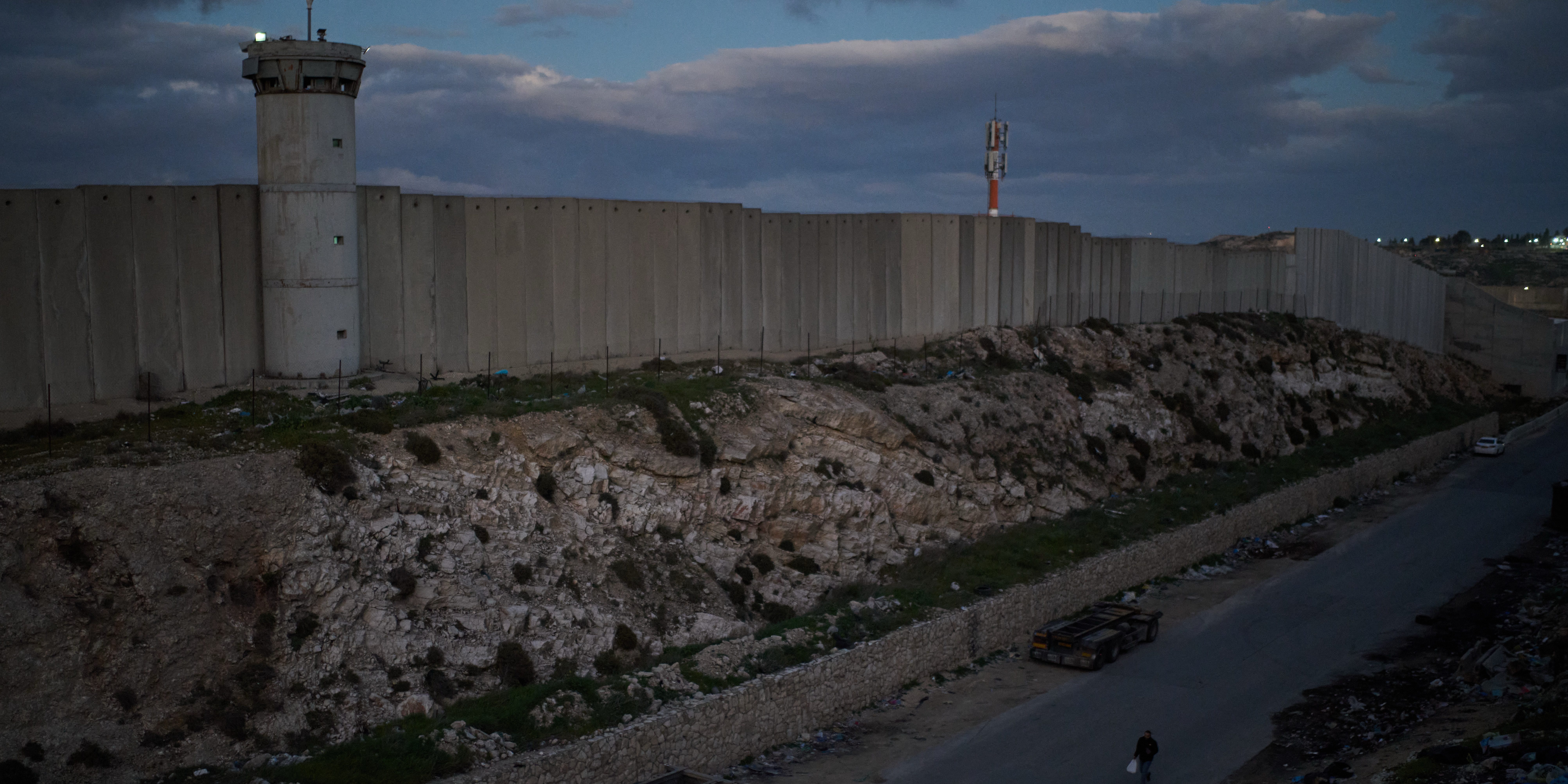
Summary: A 22-year-old gay Palestinian, Kareem, fled his conservative family in Ramallah after a death threat, seeking asylum in Israel following a 2024 court ruling that opened a narrow path for LGBTQ+ Palestinians. Upon arrival, Israeli authorities at a processing center pressured him to provide intelligence on West Bank contacts in exchange for smoother permit approval, a common coercive tactic described by advocates. His temporary welfare permit was later revoked based on a security flag, which his lawyers argue was likely fabricated by his family, who also placed a bounty on his head. After a court battle, his permit was reinstated, but he remains in a state of precarious, renewable limbo with no path to Israeli residency or safe third-country resettlement.
Why it matters: This case exposes the operational reality behind Israel’s ‘pinkwashing’ narrative, revealing how asylum systems can be weaponized for intelligence gathering and demographic control, with direct consequences for vulnerable individuals caught between persecution and a conditional sanctuary.
Context: Israel has long promoted its LGBTQ+ rights record internationally, while critics decry ‘pinkwashing’ to deflect from the occupation. A 2024 Israeli court ruling technically allowed LGBTQ+ Palestinian asylum petitions, but bureaucratic and security hurdles remain severe, with permits often tied to intelligence cooperation.
"Kareem’s father was furious when he heard the rumors circulating in Ramallah about the sexuality of his 22-year-old son. “My dad aimed his gun towards me,” Kareem recalled, “and said that if." — THEINTERCEPT
Commentary: The case illustrates a systemic intelligence-gathering model that exploits vulnerability, turning humanitarian protection into a transactional lever. For Israel, it serves a dual purpose: extracting operational value while maintaining a demographic barrier. For the individual, it creates a permanent state of suspension—neither safe at home nor secure in refuge, a condition that undermines the very concept of asylum.
Date: Sun, 31 May 2026 09:53:00 +0000
URL: https://theintercept.com/2026/05/31/lgbtq-palestine-israel-asylum-gay-rights/
AI Sentiment Score: Negative (50%)
AI Credibility Score: 10.0/10 — High
Scores and text generated by AI analysis of the source article indicated.
Booking Holdings lowers outlook amid Middle East tensions (Marketscreener)
Summary: Booking Holdings has revised its full-year revenue growth forecast to high single digits, down from low double digits, citing the prolonged impact of Middle East tensions on tourism. The company expects Q2 revenue growth of 4-6%, significantly below analyst consensus, triggering a 4% after-hours stock decline. While Q1 results were strong, the guidance reflects a specific and ongoing disruption to Europe-Asia travel routes and regional demand. Management anticipates a second-half rebound but acknowledges geopolitical uncertainty will persist through June.

Why it matters: The revision signals that regional conflict is materially suppressing global travel flows and corporate performance, with direct consequences for investor portfolios and industry planning.
Context: This is a recurring pattern where geopolitical instability in the Middle East creates immediate, quantifiable drag on global travel intermediaries, often with a delayed recovery timeline.
"The company emphasized that geopolitical tensions are expected to continue affecting traveler flows through the end of June, notably disrupting routes between Europe and Asia and causing demand fluctuations across the affected zones." — MARKETSCREENER
Commentary: Booking’s guidance recalibration is a precise barometer of conflict’s economic spillover, moving from abstract risk to operational constraint. The specific mention of Europe-Asia routes highlights how regional instability can fracture major global corridors, forcing airlines and hotels to adapt. The resilience of U.S. segments underscores a bifurcated market where domestic or shielded regions offset international volatility. This forces portfolio managers and corporate strategists to model not just conflict duration, but its specific geographic choke points on mobility.
Date: April 29, 2026 12:00 AM ET
URL: https://www.marketscreener.com/news/booking-holdings-lowers-outlook-amid-middle-east-tensions-ce7f59d3dd88f32c
AI Sentiment Score: Negative (66%)
AI Credibility Score: 10.0/10 — High
Scores and text generated by AI analysis of the source article indicated.
Middle East conflict: What it means for your travel plans (Allcleartravel.Co.Uk)
Summary: Ongoing regional tensions are prompting airspace restrictions and flight reroutes across key Middle Eastern hubs, including Dubai, Doha, and Abu Dhabi. This disruption is not confined to regional travel; it cascades across global long-haul corridors connecting Europe, Asia, and Australia. Airlines are responding with cancellations, schedule adjustments, and potential fare increases, partly driven by concerns over fuel supply stability. The situation remains fluid, with operational impacts spreading rapidly through interconnected aviation networks.

Why it matters: For globally mobile professionals and travelers, this represents a tangible, immediate degradation of network reliability and cost predictability for a significant portion of intercontinental travel.
Context: The Middle Eastern aviation hubs have become critical global transit chokepoints over the past two decades, making the wider network uniquely vulnerable to regional geopolitical instability.
"Ongoing tensions in parts of the Middle East are affecting international travel, leading to delays, reroutes, and cancellations. If you’re planning a trip soon – especially if your journey includes a stopover." — ALLCLEARTRAVEL.CO.UK
Commentary: The operational fragility exposed here underscores a systemic risk built into the hub-and-spoke model: efficiency gains have created single points of failure. Contingency planning for long-haul travel must now explicitly factor in the probability of Middle Eastern airspace volatility, affecting corporate travel policies, supply chain logistics, and event planning far beyond the region itself.
Date: April 20, 2026 12:00 AM ET
URL: https://www.allcleartravel.co.uk/blog/middle-east-conflict-travel-advice/
AI Sentiment Score: Negative (71%)
AI Credibility Score: 10.0/10 — High
Scores and text generated by AI analysis of the source article indicated.
The conflict in the Middle East is changing air traffic – Karlobag.eu (Karlobag.Eu)
Summary: The 2026 Middle East conflict is reshaping global air traffic patterns despite open borders, forcing airlines onto longer, costlier routes and disrupting key transit hubs like Dubai, Doha, and Abu Dhabi. The World Travel & Tourism Council estimates daily losses of at least $600 million in international visitor spending due to these disruptions and eroded traveler confidence. This crisis exposes a structural vulnerability in a tourism system built on stable air corridors and predictable hub operations, prompting shifts in traveler behavior, airline network planning, and destination marketing strategies.
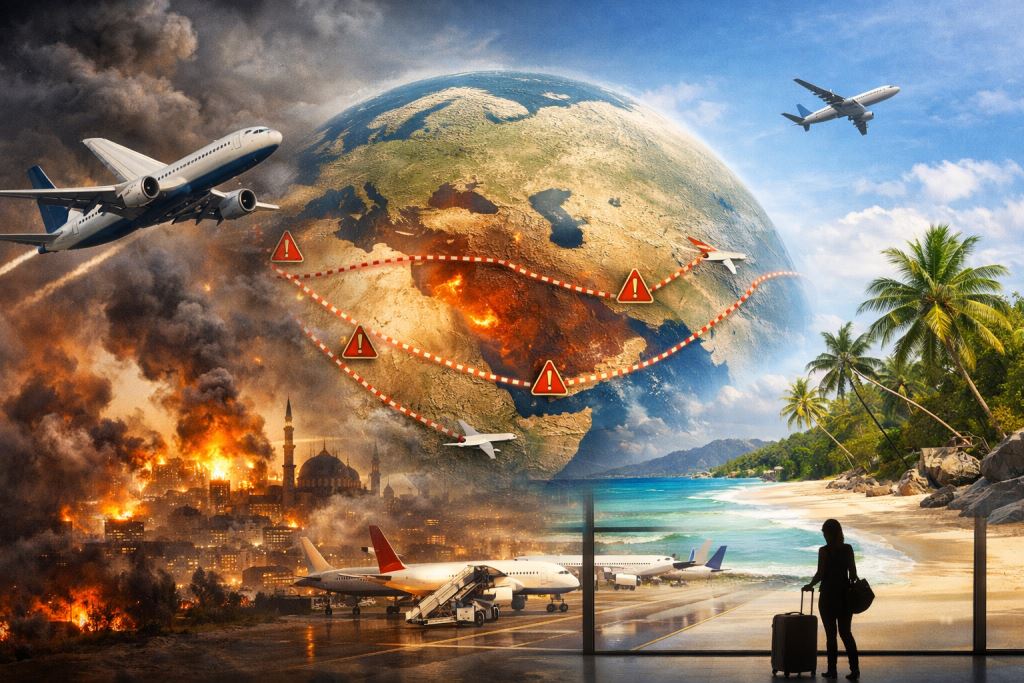
Why it matters: The fragility of global connectivity has direct consequences for operational costs, traveler psychology, and the long-term strategic planning of airlines, tourism boards, and destinations worldwide.
Context: This follows a pattern where tourism faces systemic shocks—first from pandemic-era border closures, now from geopolitical instability affecting aviation infrastructure—revealing dependencies that are economic, logistical, and psychological.
"The pandemic showed how much tourism depends on health and borders, and the latest conflict shows how much it depends on the geopolitics of air corridors." — KARLOBAG.EU
Commentary: The crisis forces a recalibration of risk assumptions: airlines may permanently diversify routes away from single-corridor dependencies, destinations might subsidize direct flights for resilience, and travelers will increasingly factor geopolitical risk into booking decisions, embedding a new layer of friction into global mobility.
Date: April 26, 2026 12:00 AM ET
URL: https://karlobag.eu/en/traffic/the-conflict-in-the-middle-east-is-disrupting-air-traffic-and-tourism-more-expensive-flights-longer-routes-and-a-new-warning-to-the-market-hgcxl
AI Sentiment Score: Negative (85%)
AI Credibility Score: 8.6/10 — High
Scores and text generated by AI analysis of the source article indicated.
More than 40 Iranian seafarers killed during US-Israeli war: Union leader (Aljazeera)
Summary: The Iranian Merchant Mariners Syndicate reports at least 44 Iranian civilian seafarers killed and 29 injured since late February, attributing casualties to US and Israeli attacks on ports and commercial shipping. The union’s leader has filed complaints with the International Maritime Organization, detailing deaths among sailors, fishermen, and dockworkers. A US-Iran ceasefire is in effect, but a separate US naval blockade of Iranian ports and continued Iranian interdiction of vessels in the Strait of Hormuz have stranded thousands of seafarers and led to further detentions and seizures.

Why it matters: Civilian maritime casualties and the prolonged blockade of a critical chokepoint signal a dangerous erosion of norms protecting non-combatants and global supply chain resilience, with second-order effects on energy markets and regional stability.
Context: The Strait of Hormuz remains a flashpoint, with its closure disrupting a fifth of global energy exports and creating a humanitarian crisis for stranded crews, while legal and diplomatic channels struggle to address attacks on commercial shipping.
"At least 44 Iranian seafarers have been killed and 29 injured since the start of the United States-Israel war on Iran, according to the head of the country’s merchant marine union." — ALJAZEERA
Commentary: The union’s tally, while unverified, frames the conflict’s human cost in operational terms rarely highlighted: the targeting of port infrastructure and merchant crews blurs the line between economic warfare and attacks on civilian livelihoods. This narrative, amplified through international labor channels, complicates the legal and diplomatic calculus for all parties, potentially hardening positions and making negotiated access to the strait more difficult. The detention of mixed crews, including women and a child aboard the MV Touska, further escalates the propaganda value of each incident, ensuring that maritime labor becomes a persistent pressure point.
Date: Fri, 01 May 2026 09:49:28 +0000
URL: https://www.aljazeera.com/news/2026/5/1/more-than-40-iranian-seafarers-killed-during-us-israeli-war-union?traffic_source=rss
AI Sentiment Score: Negative (87%)
AI Credibility Score: 10.0/10 — High
Scores and text generated by AI analysis of the source article indicated.
Gaza aid flotilla vessels taken to Crete after Israeli interception (Aljazeera)
Summary: Israeli forces intercepted the Global Sumud Flotilla in international waters near Greece, seizing 22 vessels and transferring 168 activists to Crete. The flotilla, carrying humanitarian aid to Gaza, was boarded using drones, communications jamming, and armed parties. Organizers and several governments, including Turkey and Spain, have condemned the action as illegal under international law, while the U.S. State Department threatened consequences against flotilla supporters.

Why it matters: This incident tests the enforcement of maritime law and humanitarian corridors, setting a precedent for state interception of civilian aid missions and reshaping the operational landscape for international activist movements.
Context: This follows Israel’s interception of a similar flotilla in October 2023, part of a pattern of blocking maritime aid routes to Gaza. The tactic leverages advanced military technology against unarmed civilian vessels.
"Gaza aid flotilla vessels taken to Crete after Israeli interception Israel’s military reportedly seized 22 vessels sailing among the Global Sumud Flotilla. More than 160 activists on board aid ships forming a." — ALJAZEERA
Commentary: The operation normalizes high-seas interdiction of civilian craft by state militaries, potentially chilling future humanitarian maritime missions. The divergent international responses—from condemnation to U.S. threats—highlight the geopolitical fracture over Gaza aid, pushing activist logistics toward higher-risk, more dispersed models. For travel and mobility, it signals that Mediterranean routes for political or humanitarian purposes now carry heightened operational and legal jeopardy.
Date: Fri, 01 May 2026 11:31:33 +0000
URL: https://www.aljazeera.com/news/2026/5/1/gaza-aid-flotilla-vessels-taken-to-crete-after-israeli-interception?traffic_source=rss
AI Sentiment Score: Positive (50%)
AI Credibility Score: 10.0/10 — High
Scores and text generated by AI analysis of the source article indicated.
At least 12 killed in latest Israeli attacks on Lebanon (Aljazeera)
Summary: Israeli airstrikes in southern Lebanon killed at least 12 people, including a child, on Friday, with attacks concentrated in the Nabatieh district and around Tyre. The strikes, which Israel states target Hezbollah, have resulted in significant civilian casualties and the destruction of residential neighborhoods, a convent, and a school. This occurs despite a US-brokered ceasefire ostensibly in effect until May 17, with the Lebanese health ministry reporting over 2,600 killed since hostilities intensified in March.

Why it matters: The persistent violence undermines regional stability, directly impacts civilian life and infrastructure in Lebanon, and tests the credibility of international diplomatic efforts to contain the conflict.
Context: This is part of a protracted cycle of cross-border strikes between Israel and Hezbollah, which escalated following the Gaza war and the killing of Hezbollah’s leader in September 2024, despite a nominal ceasefire.
"The footage coming out of there is really dramatic, with buildings completely flattened." — ALJAZEERA
Commentary: The operational pattern—evacuation orders followed by strikes on residential areas—signals a tactical shift towards degrading civilian infrastructure, which will compound displacement and complicate long-term reconstruction. The rising casualty count against the backdrop of a publicly extended ceasefire reveals a fundamental disconnect between diplomatic theater and ground-level military reality, suggesting a fraying consensus on conflict containment among key stakeholders.
Date: Fri, 01 May 2026 21:10:15 +0000
URL: https://www.aljazeera.com/news/2026/5/1/at-least-12-killed-in-latest-israeli-attacks-on-lebanon?traffic_source=rss
AI Sentiment Score: Negative (80%)
AI Credibility Score: 10.0/10 — High
Scores and text generated by AI analysis of the source article indicated.
Will Cuba be forced to accept the US president’s demands? (Aljazeera)
Summary: Cuba faces a severe fuel crisis following US sanctions that cut off Venezuelan oil shipments and imposed a near-total blockade. This has triggered widespread blackouts, supply shortages, and a deepening economic crisis. The US strategy aims to force political and economic reforms, with military threats adding pressure. The outcome hinges on whether Havana capitulates to Washington’s demands or finds a path to resilience.

Why it matters: The standoff tests the limits of coercive diplomacy and could reshape regional stability, energy security, and the operational landscape for travel and trade.
Context: This intensifies a long-standing US policy of economic pressure on Cuba, but the current fuel-specific blockade represents a sharp escalation in tactics.
"Will Cuba be forced to accept the US president’s demands? Cuba has announced that the country is nearly out of fuel following months of increasing pressure from Washington. The US cut off." — ALJAZEERA
Commentary: The US is weaponizing Cuba’s energy dependency with surgical precision, moving beyond broad sanctions to induce systemic failure. This creates a forced-choice scenario for Havana: structural reform under duress or a potentially catastrophic internal collapse. The strategy risks destabilizing the broader Caribbean basin and sets a precedent for using essential commodity blockades as a primary tool of statecraft.
Date: Mon, 18 May 2026 21:02:22 +0000
URL: https://www.aljazeera.com/video/inside-story/2026/5/18/will-cuba-be-forced-to-accept-the-us-presidents-demands?traffic_source=rss
AI Sentiment Score: Negative (75%)
AI Credibility Score: 10.0/10 — High
Scores and text generated by AI analysis of the source article indicated.
Strait of Hormuz reopened, Gulf tourism cautious – Karlobag.eu (Karlobag.Eu)
Summary: The Strait of Hormuz reopened to commercial shipping on 17 April 2026, prompting an immediate market reaction: a sharp drop in oil prices and a rise in shares for airlines and tourism firms. However, security assessments from U.S., European, and aviation authorities describe the situation as a fragile ceasefire, requiring operators to monitor restrictions and advisories in near real-time. While the reopening alleviates pressure on global trade and fuel costs, the regional security picture remains unstable.
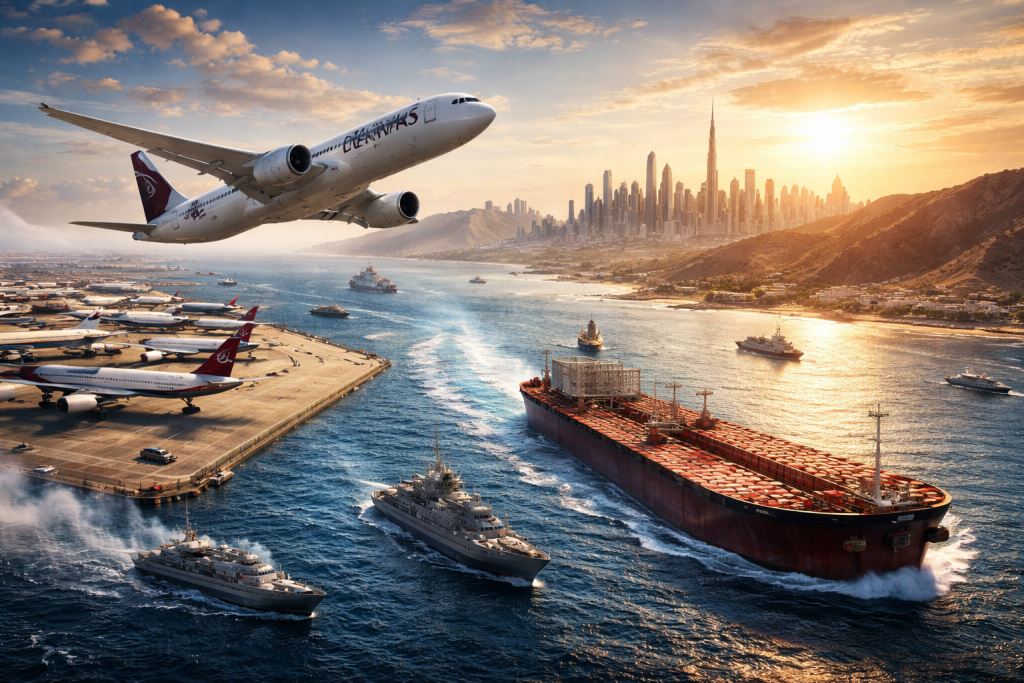
Why it matters: The reopening of this critical chokepoint recalibrates global energy, transport, and tourism cost structures, but the persistent fragility means operational risk has been repriced, not eliminated.
Context: The Strait of Hormuz is a linchpin for global energy flows and a major transit corridor for intercontinental air travel; its closure or restriction has cascading effects far beyond regional shipping.
"## The Strait of Hormuz has reopened, but tourism is not returning to the same Gulf as before the crisishThe reopening of the Strait of Hormuz on 17 April 2026 is currently." — KARLOBAG.EU
Commentary: The market’s instant reaction—treating geopolitical de-escalation as a pure cost-saving event—misses the deeper institutional shift: security is now a continuous, high-frequency operational variable, not a binary state. This embeds permanent volatility premiums into fuel hedging, travel insurance underwriting, and hub-airport slot planning. For the cosmopolitan traveler, the consequence is not just price, but a layer of latent itinerary risk that transfer hubs in the Gulf can no longer fully mitigate.
Date: April 27, 2026 12:00 AM ET
URL: https://karlobag.eu/en/tourism-world/the-strait-of-hormuz-has-reopened-but-tourism-in-the-gulf-is-returning-cautiously-amid-expensive-flights-and-a-fragile-ceasefire-ei34m
AI Sentiment Score: Negative (75%)
AI Credibility Score: 9.4/10 — High
Scores and text generated by AI analysis of the source article indicated.
Drones, missiles, and jamming: UN aviation chief calls for … (Icao.Int)
Summary: ICAO Secretary General Juan Carlos Salazar has issued a stark warning at the 2026 World Overflight Risk Conference, declaring that emerging military technologies—from long-range missiles and drones to signal jamming—are escalating risks to civilian aircraft globally. The UN aviation body is finalizing a reactive Global Crisis Management Framework while pushing for proactive measures and updated safety manuals. This marks a significant, direct acknowledgment from ICAO’s core leadership that geopolitical conflicts are increasingly impinging on the foundational security of international air travel.

Why it matters: The integrity of global airspace is a foundational pillar of modern commerce, diplomacy, and mobility; its erosion directly threatens supply chains, travel safety, and the operational assumptions of airlines and insurers.
Context: This follows a decade of incidents involving civilian aircraft over conflict zones, from MH17 to recent near-misses, highlighting a systemic gap between aviation safety protocols and modern warfare capabilities.
"ICAO Secretary General Juan Carlos Salazar informed delegates at the 2026 World Overflight Risk Conference in Vallarta, Malta, that emerging military technologies—including long-range weapons systems, unmanned aircraft systems (UAS), global navigation satellite system radio frequency interference, and advanced air defence systems—pose risks to civilian aviation." — ICAO.INT
Commentary: ICAO’s move signals a reluctant but necessary shift from treating conflict-zone overflights as a regional exception to a systemic, technology-driven threat. The focus on updating manuals and a crisis framework suggests regulatory bodies are scrambling to catch up with a battlefield that now extends into commercial air corridors. This could force airlines, insurers, and national aviation authorities into more dynamic and politically fraught risk assessments, potentially rerouting global traffic patterns and increasing operational costs. The call for ‘proactive measures’ is an implicit admission that the traditional doctrine of civilian aircraft neutrality is no longer a reliable shield.
Date: April 22, 2026 12:00 AM ET
URL: https://www.icao.int/news/drones-missiles-and-jamming-un-aviation-chief-calls-urgent-action-protect-civil-aircraft
AI Sentiment Score: Negative (75%)
AI Credibility Score: 8.8/10 — High
Scores and text generated by AI analysis of the source article indicated.
New analysis maps out impacts of marine chokepoint closures (Sciencedaily)
Summary: A new GIS-based analysis models the global trade and shipping impacts of closures at any of the world’s 11 busiest marine chokepoints, from the Suez Canal to the Strait of Malacca. The simulations estimate not only the immediate disruption to cargo flows but also the subsequent global rerouting of ships, leading to cascading delays and cost increases. The study provides a forward-looking tool for governments and businesses to anticipate and mitigate supply chain shocks.

Why it matters: For a world reliant on just-in-time logistics, predictive closure scenarios are a critical risk management tool for any entity exposed to global maritime trade.
Context: Recent incidents like the Ever Given blockage in the Suez Canal have exposed the fragility of these narrow passages, but systematic, data-driven projections of their failure modes have been limited.
"New GIS-enabled analysis maps what the far-reaching impacts to international trade and shipping could be if any of the world’s 11 busiest marine chokepoints, or shipping straits, are closed due to politics,." — SCIENCEDAILY
Commentary: The analysis moves beyond generic warnings to quantify second-order effects, like port backlogs from delayed and on-time shipments converging. This shifts contingency planning from reactive crisis management to proactive simulation, forcing logistics operators and insurers to model specific rerouting scenarios rather than generic ‘disruption.’ The $2 million daily operating cost figure underscores that these are not abstract geopolitical risks but immediate, calculable balance-sheet events.
Date: April 22, 2026 12:00 AM ET
URL: https://www.sciencedaily.com/releases/2022/12/221222162408.htm
AI Sentiment Score: Negative (85%)
AI Credibility Score: 10.0/10 — High
Scores and text generated by AI analysis of the source article indicated.
Post ID: c3c69823