Major Brand Acquisitions & Strategy Shifts
Buying Marc Jacobs: The Details of WHP and G-III’s $925M Designer Deal (Wwd)
Summary: WHP Global and G-III Apparel Group have agreed to acquire Marc Jacobs from LVMH for approximately $925 million. The deal creates a joint venture to own the brand’s intellectual property, with G-III acquiring the operating business and securing a long-term exclusive license for key regions. The joint venture’s board will be controlled by WHP, while G-III will handle manufacturing, distribution, and retail operations under a license that could extend to 2091.

Why it matters: This transaction reconfigures the operational and financial control of a major designer label, separating IP ownership from day-to-day operations and establishing a multi-decade licensing framework that will dictate the brand’s commercial trajectory.
Context: This deal exemplifies the growing trend of financial and brand management firms partnering with operational specialists to unlock value in legacy fashion houses, moving beyond the traditional luxury conglomerate model.
"The G-III licensing deal runs through 2041 and automatically renews for 10 successive five-year periods. If all the renewals were to go through, that has G-III churning out Marc Jacobs styles into 2091." — WWD
Commentary: The century-long licensing term effectively mortgages the brand’s future to G-III’s operational execution, creating a rigid, long-term dependency that limits strategic optionality. This structure prioritizes predictable royalty streams for WHP over adaptive brand stewardship, locking in a specific wholesale-to-retail model for generations regardless of market shifts. The practical consequence is that Marc Jacobs’ product development, sourcing, and distribution pipeline will be permanently aligned with G-III’s capabilities and cost structures, not necessarily with creative or consumer evolution.
Date: Mon, 18 May 2026 19:58:59 +0000
URL: https://wwd.com/business-news/financial/marc-jacobs-whp-g-iii-acquisition-details-1238971705/
AI Sentiment Score: Negative (50%)
AI Credibility Score: 10.0/10 — High
Scores and text generated by AI analysis of the source article indicated.
What Everlane’s Sale to Shein Means for Sustainable Fashion (Wwd)
Summary: Everlane, a brand built on ‘radical transparency,’ is reportedly being sold to ultra-fast-fashion giant Shein for approximately $100 million. The deal, driven by Everlane’s financial distress under private equity owner L Catterton, represents a stark collision of ethical branding and growth-at-all-costs capital. It signals a strategic move by Shein to acquire a premium, sustainability-adjacent brand to diversify its portfolio and potentially bolster its narrative ahead of a future IPO.

Why it matters: This acquisition tests the durability of brand values against financial imperatives and redefines the competitive landscape for mid-market ethical apparel.
Context: The sale follows Allbirds’ recent pivot away from its core business, highlighting a broader pattern of DTC and ‘sustainable’ brands struggling to reconcile their founding ethos with the demands of scale and investor returns.
"“This is like if SeaWorld bought PETA.” That was fashion designer Camille Witt (@kindof_camille), reacting on Instagram to a Puck News report that ethical DTC brand Everlane is being sold—some say “sold." — WWD
Commentary: The transaction operationalizes Shein’s market expansion into elevated basics, directly importing Everlane’s supplier certifications and factory transparency lists into a corporate structure historically opaque on these metrics. For practitioners, it recalibrates the risk profile for ‘ethical’ brand investments, demonstrating that operational sustainability credentials are now fungible assets separable from brand mission. The immediate consequence is a forced due diligence on whether Shein will maintain Everlane’s supply chain standards or subsume them, a decision that could reshape sourcing contracts and audit protocols across both entities’ vendor networks.
Date: Mon, 18 May 2026 19:53:52 +0000
URL: https://wwd.com/sourcing-journal/sustainability/everlane-shein-sustainable-fashion-mergers-acquisitions-1238971899/
AI Sentiment Score: Negative (50%)
AI Credibility Score: 10.0/10 — High
Scores and text generated by AI analysis of the source article indicated.
Marc Jacobs to be acquired by Toys R Us parent company (Retaildive)
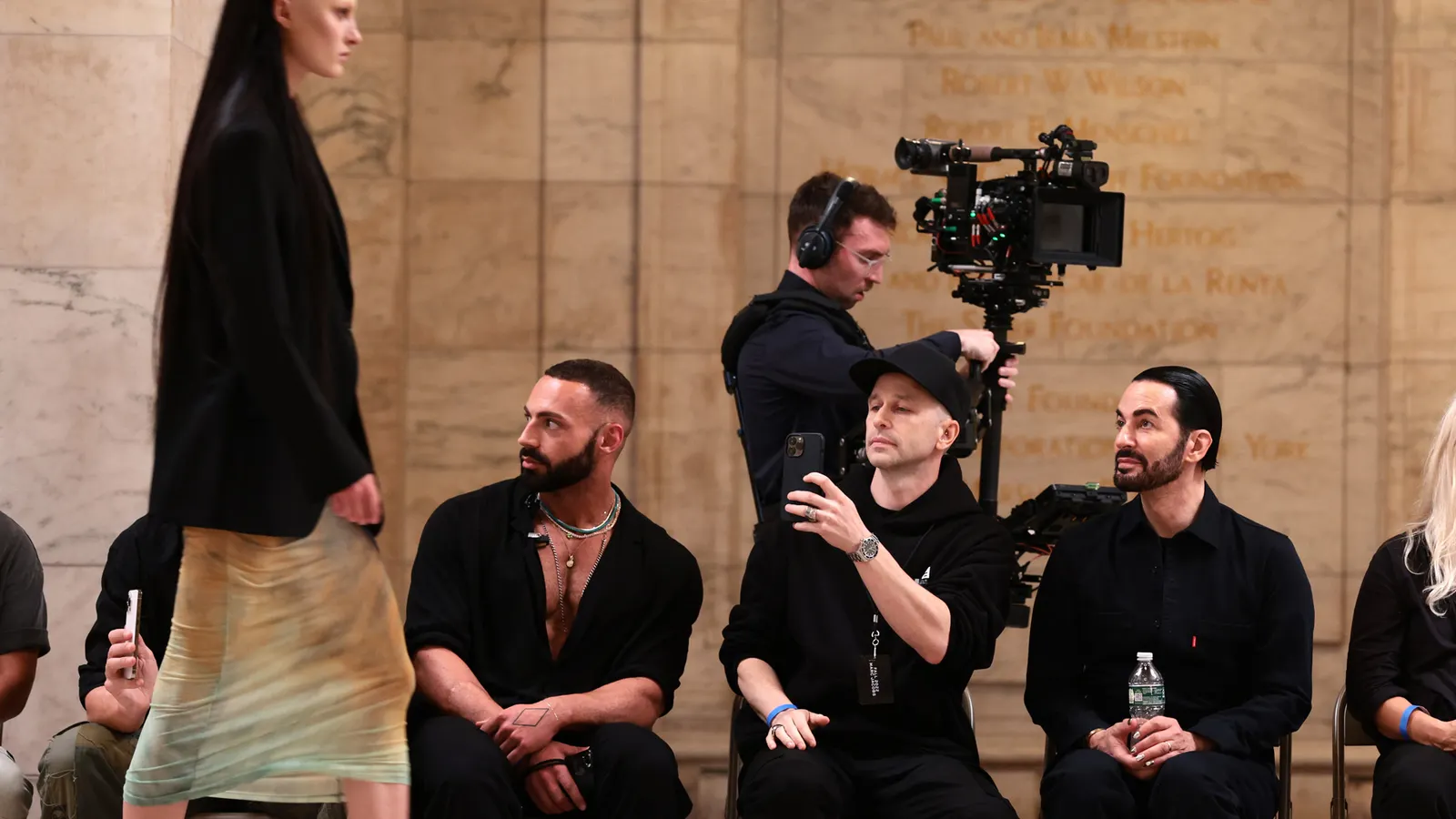
Summary: Marc Jacobs is being acquired by brand management firm WHP Global from LVMH, ending a nearly three-decade relationship. The deal involves a partnership with G-III Apparel Group, which will operate portions of the brand’s direct-to-consumer and wholesale businesses, while WHP Global handles licensing. Designer Marc Jacobs remains as creative director.
Why it matters: This signals a shift in luxury brand ownership models, moving from a pure luxury conglomerate to a portfolio manager focused on scaling through licensing and operational partnerships, directly impacting supply chain and distribution strategies.
Context: WHP Global’s portfolio includes mass-market and retail brands like Toys R Us and Express, indicating a strategy of applying brand management and licensing expertise across disparate sectors, rather than the integrated luxury model of LVMH.
"As part of the agreement, G-III Apparel Group will partner with WHP Global in owning the brand. G-III will acquire and operate portions of the fashion brand’s DTC and wholesale businesses, while WHP Global will oversee its licensing." — RETAILDIVE
Commentary: The operational split—G-III handling DTC/wholesale, WHP managing licensing—creates a fragmented command structure distinct from LVMH’s integrated control. This introduces new vendor dynamics and potential friction between creative direction and volume-driven licensing, a risk for brand equity. For practitioners, it means navigating a more complex web of stakeholders with potentially divergent commercial objectives.
Date: Thu, 14 May 2026 17:40:00 -0400
URL: https://www.retaildive.com/news/marc-jacobs-to-be-acquired-by-toys-r-us-parent-company/820323/
AI Sentiment Score: Negative (75%)
AI Credibility Score: 10.0/10 — High
Scores and text generated by AI analysis of the source article indicated.
Burberry adopts a Coach-style playbook built on scarf bars, swimwear and activewear (Glossy.Co)
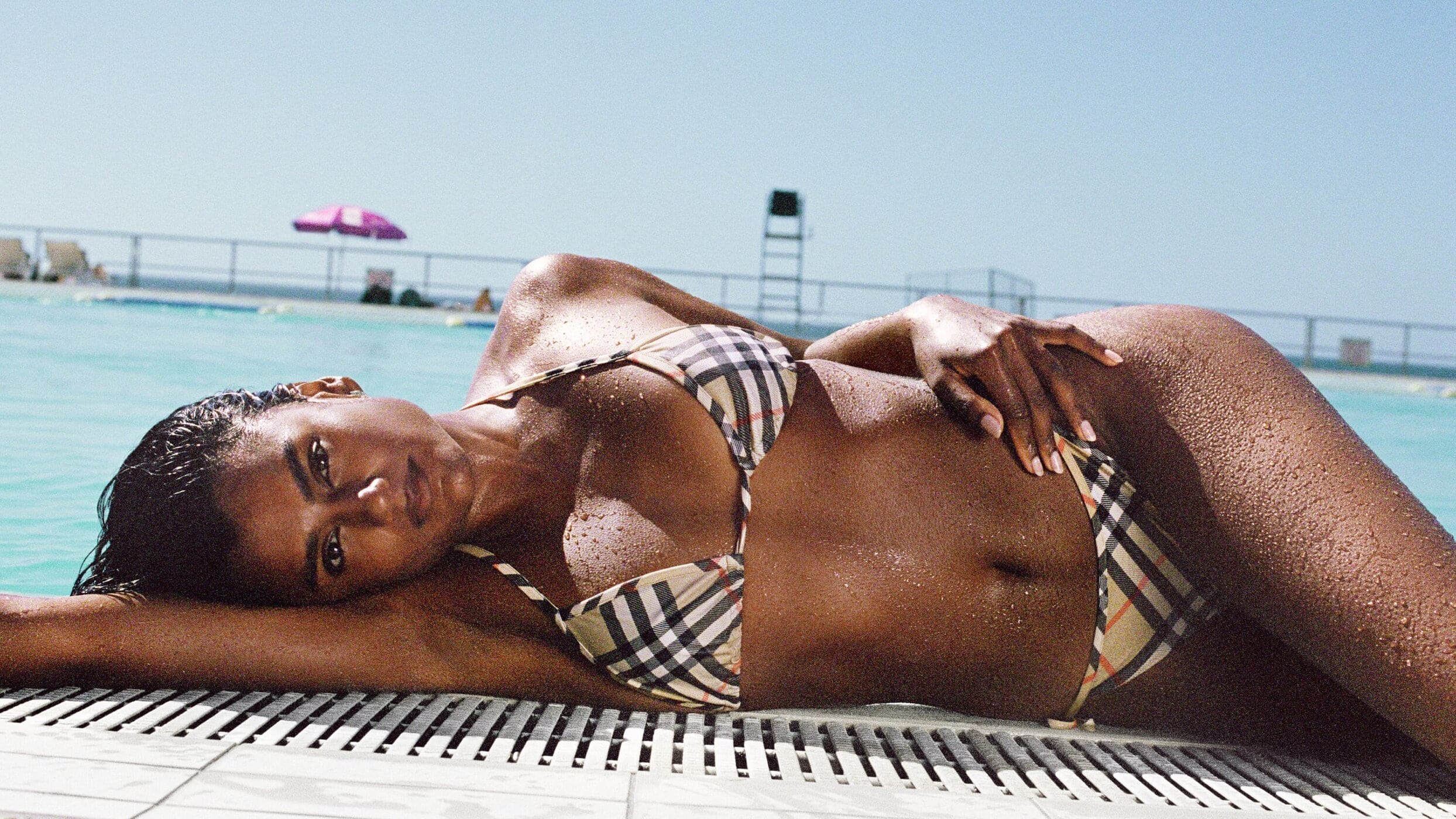
Summary: Burberry’s full-year earnings reveal a retail strategy shift toward dedicated in-store category destinations, modeled on Coach’s playbook. The company is deploying over 400 scarf bars, polo galleries, and upcoming trench and cashmere shops to improve productivity. Concurrently, it is expanding into new categories like swimwear via a Hunza G collaboration and a new activewear line, aiming to widen the application of its heritage codes. CEO Joshua Schulman emphasized ‘prominence, productivity and profitability,’ with early data showing positive impacts from AI-enabled customer segmentation and recommendations.
Why it matters: For luxury brand operators, this signals a move away from purely creative-led merchandising toward a repeatable, data-informed retail model that prioritizes conversion and units per transaction.
Context: Luxury houses are under pressure to improve retail productivity and clarify brand codes to consumers, following the playbook of accessible luxury brands like Coach.
"Our strategy is about prominence, productivity and profitability,” Schulman said. “This year, we made progress on driving our productivity and profitability in part due to our category destinations." — GLOSSY.CO
Commentary: Burberry’s operational pivot turns heritage assets into modular retail fixtures, reducing reliance on seasonal novelty. The risk is that over-indexing on productivity through scarf bars and polo galleries could dilute brand heat, a concern Bernstein flagged as needing more ‘spice.’ For competitors, this validates category-dedicated retail as a lever for margin protection, likely prompting similar floor-plan investments from mid-tier luxury players.
Date: Fri, 15 May 2026 04:02:00 +0000
URL: https://www.glossy.co/fashion/luxury/burberry-adopts-a-coach-style-playbook-built-on-scarf-bars-swimwear-and-activewear/
AI Sentiment Score: Negative (75%)
AI Credibility Score: 10.0/10 — High
Scores and text generated by AI analysis of the source article indicated.
Luxury Briefing: With Versace sold, Capri is betting on new consumer demand for accessible luxury (Glossy.Co)
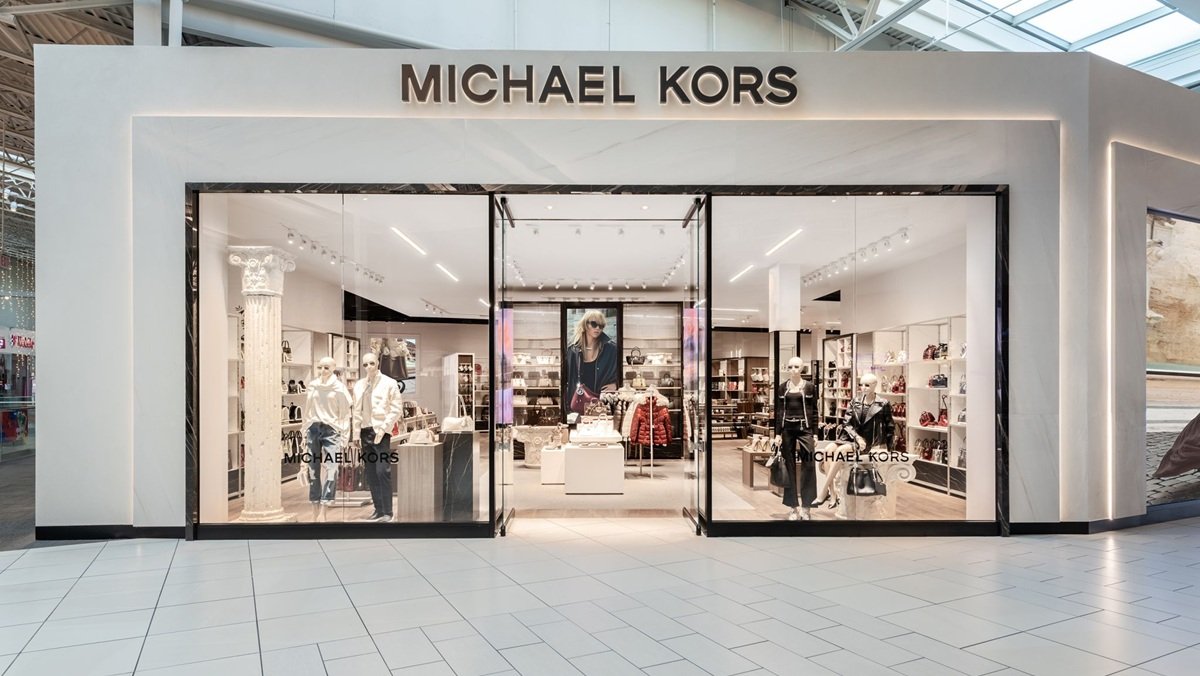
Summary: Capri Holdings, now solely reliant on Michael Kors and Jimmy Choo following the Versace sale, is executing a two-pronged accessible luxury strategy. Michael Kors is pursuing a ‘sell better, not more’ approach by cutting promotions, third-party sales, and off-price shipments, sacrificing $150M in revenue to improve brand health. Jimmy Choo is expanding into lower-priced handbags (Bar and Curve lines) to capture middle-class consumers priced out of high-end luxury, though this has pressured margins. The company’s fiscal outlook hinges on Michael Kors restoring durable full-price demand and Jimmy Choo proving its accessible expansion can be profitable.
Why it matters: For brand operators and investors, this defines the operational playbook for accessible luxury turnarounds: margin recovery through distribution discipline versus growth via product architecture expansion.
Context: The strategy exploits a market gap created by 61% average luxury price increases from 2019-2025, pushing middle-class consumers toward brands like Polo Ralph Lauren and Coach.
"In this week’s Luxury Briefing, I check in with analysts Luca Solca and Simeon Siegel on the state of Capri as it looks to grow Michael Kors and Jimmy Choo with new." — GLOSSY.CO
Commentary: Capri’s post-Versace portfolio forces a clean separation of labor: Michael Kors must suggest that disciplined wholesale and retail pricing can rebuild brand equity, while Jimmy Choo must demonstrate that margin-accretive scaling is possible after a lower-price entry. The simultaneous margin pressure at Jimmy Choo reveals the core tension in accessible luxury—broader pricing architectures dilute initial markups, requiring immediate operational fixes (SKU rationalization, factory efficiency) to protect profitability. For vendors and retailers, this signals a continued shift away from promotional support for Michael Kors and a cautious but growing wholesale appetite for Jimmy Choo’s bag expansion, contingent on margin proof.
Date: Fri, 29 May 2026 04:04:00 +0000
URL: https://www.glossy.co/fashion/luxury/luxury-briefing-with-versace-sold-capri-is-betting-on-new-consumer-demand-for-accessible-luxury/
AI Sentiment Score: Positive (42%)
AI Credibility Score: 10.0/10 — High
Scores and text generated by AI analysis of the source article indicated.
Everlane’s sale to Shein shows the limits of sustainability-led fashion brands (Glossy.Co)
Summary: Everlane, a pioneer of direct-to-consumer ‘conscious’ fashion, is being acquired by ultra-fast-fashion giant Shein for approximately $100 million. This follows the distressed sale of Allbirds’ brand assets and highlights a recurring failure among mission-driven DTC brands: strong narratives and early cultural cachet have proven insufficient against operational weaknesses, rising customer acquisition costs, and intense price competition from giants like Uniqlo and Amazon. The deal underscores a market shift where software-driven supply chain agility and low-cost basics are outcompeting transparency-led value propositions.
Why it matters: For practitioners, this signals a hardening market where brand ethos alone cannot secure defensibility, forcing a reevaluation of product strategy, capital structure, and operational models against data-driven, low-margin competitors.
Context: This is part of a broader pattern of distressed exits for sustainability-focused DTC brands (Allbirds, Outdoor Voices) that lacked operational scale, coinciding with financial pressure on next-gen material suppliers like Renewcell and Bolt Threads.
"Everlane’s reported sale to Shein is a sharp comedown for one of the defining DTC brands of the 2010s. According to reports from Puck and The Information on May 17, Shein is." — GLOSSY.CO
Commentary: The acquisition is less about Shein buying a sustainable operation and more about acquiring a U.S. brand identity to soften its image, likely hollowing out Everlane’s founding ethos. For brand builders, it confirms that mission requires an ‘engine’—a capital-efficient, defensible supply chain and product pipeline—or it becomes merely an asset to be stripped. The trend office is now a data stream, and competitors must match that operational tempo or accept niche economics.
Date: Mon, 18 May 2026 23:48:21 +0000
URL: https://www.glossy.co/fashion/everlanes-sale-to-shein-shows-the-limits-of-sustainability-led-fashion-brands/
AI Sentiment Score: Negative (50%)
AI Credibility Score: 10.0/10 — High
Scores and text generated by AI analysis of the source article indicated.
Saks Global Is Setting Up a Litigation Trust With Creditors to Pursue Potential Claims (Wwd)
Summary: Saks Global’s bankruptcy plan includes establishing a litigation trust seeded with $20 million to pursue potential claims, a mechanism to recover value for creditors post-emergence. The trust’s beneficiaries are split between secured lenders (Class A) and unsecured creditors like vendors (Class B), with a waterfall payout structure. The company has already committed to paying over $600 million to critical vendors, but recovery for others hinges partly on the trust’s success. The unsecured creditors committee is actively investigating potential claims against former executives.

Why it matters: This establishes a post-bankruptcy enforcement mechanism that directly impacts vendor recovery rates and alters the risk calculus for brands supplying distressed retailers.
Context: Vendor payment waterfalls and litigation trusts are common tools in retail bankruptcies to manage creditor disputes and maximize asset recovery, often prolonging financial uncertainty for suppliers.
"“That trustee will be empowered to investigate, litigate and settle claims on behalf of the trust with the goal of obtaining recoveries for the beneficiaries,” Sinclair said." — WWD
Commentary: The trust institutionalizes post-reorganization legal pursuit, shifting enforcement from the operating entity to a dedicated, creditor-aligned body. This creates a persistent overhang for former executives and any parties involved in pre-bankruptcy transactions, potentially chilling deal-making in similar distressed scenarios. For vendors, it formalizes a secondary, contingent recovery path, but one dependent on legal success rather than operational cash flow, making their final settlement more speculative and delayed.
Date: Fri, 01 May 2026 21:41:42 +0000
URL: https://wwd.com/business-news/legal/saks-global-litigation-trust-bankruptcy-1238937789/
AI Sentiment Score: Positive (50%)
AI Credibility Score: 10.0/10 — High
Scores and text generated by AI analysis of the source article indicated.
Lanvin Group reports 18 percent revenue decline for full-year 2025 (Fashionunited.In)
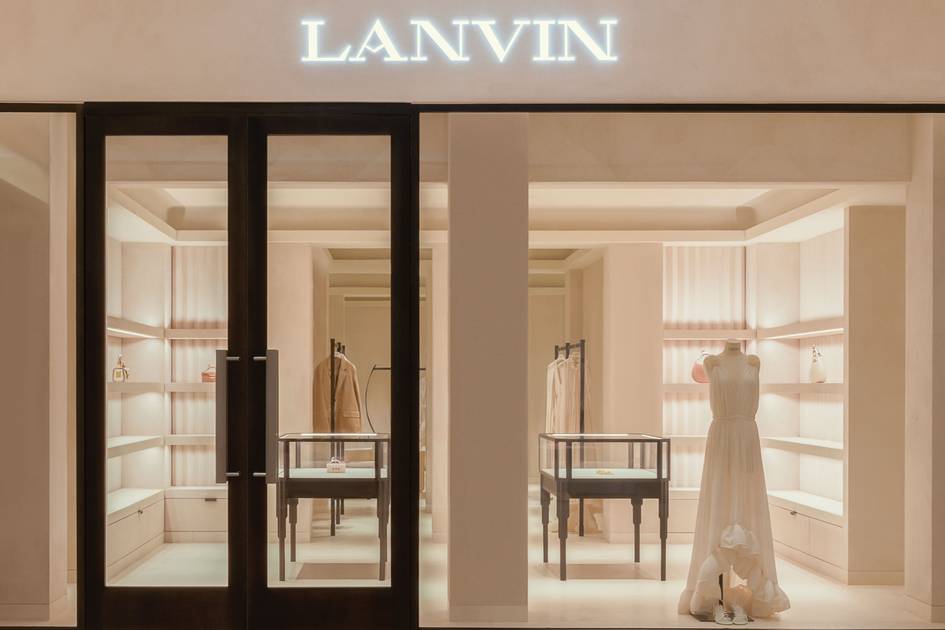
Summary: Lanvin Group reported FY2025 revenue of €240 million, an 18% year-over-year decline attributed to a challenging luxury market and internal transformation efforts. The group’s performance improved sequentially in the second half, driven by operational adjustments, portfolio optimization, and selective store closures. Flagship brand Lanvin saw a 30% revenue drop, while St. John proved the most resilient, declining only 1%. The group’s adjusted EBITDA improved slightly to negative €90 million from negative €94 million.
Why it matters: For practitioners, this signals a shift in multi-brand luxury group strategy towards portfolio rationalization, asset-light models, and executive-level operational discipline over pure brand investment.
Context: The results reflect a broader industry trend where diversified luxury conglomerates are pruning underperforming assets and focusing on operational efficiency amid macroeconomic pressure, moving away from the growth-at-all-costs model of the previous decade.
"The group focused on portfolio optimisation during the period, which included selective store closures and tighter cost controls." — FASHIONUNITED.IN
Commentary: The carve-out of Caruso and the transition of Sergio Rossi to an asset-light model indicate a strategic retreat from vertical integration, favoring margin protection over market share. The stability of St. John, driven by North American wholesale and e-commerce, suggests regional and channel-specific strategies are now paramount for group survival. The executive appointments signal a focus on operational execution over creative revival, a pragmatic shift that could pressure brand teams to align with stricter financial KPIs.
Date: April 30, 2026 12:00 AM ET
URL: https://fashionunited.in/news/business/lanvin-group-reports-18-percent-revenue-decline-for-full-year-2025/2026043054267
AI Sentiment Score: Negative (50%)
AI Credibility Score: 10.0/10 — High
Scores and text generated by AI analysis of the source article indicated.
Lanvin Group reports 18 percent revenue decline for full-year … (Fashionunited.Uk)
Summary: Lanvin Group’s FY2025 revenue fell 18% to €240M, citing a challenging luxury market and its own transformation efforts. While overall EBITDA loss narrowed slightly, performance varied sharply across its portfolio: flagship Lanvin dropped 30%, Wolford fell 14%, and Sergio Rossi declined 30%, while St. John was nearly flat. The group highlighted sequential improvement in H2 from operational adjustments, brand repositioning, and new leadership appointments.
Why it matters: For luxury conglomerate operators and investors, this demonstrates the acute financial and operational strain of executing a multi-brand turnaround during a downturn, testing the limits of portfolio optimization.
Context: Lanvin Group, a Chinese-owned luxury portfolio, has been restructuring since its 2021 SPAC listing, aiming to revive heritage brands like Lanvin and Wolford while navigating post-pandemic luxury normalization.
"Chinese luxury fashion firm Lanvin Group announced its financial results for the full-year 2025 (FY2025) on April 30, 2026, reporting revenue of 240 million euros. This represents an 18% decrease compared to." — FASHIONUNITED.UK
Commentary: The scale of Lanvin’s decline, despite a stable 58% gross margin, underscores the high cost and market risk of creative and retail resets. The group’s playbook—store closures, cost controls, and installing new CEOs per brand—is a conventional restructuring, but the 30% drops at Lanvin and Sergio Rossi suggest core product-market fit remains unproven. The stability of St. John, driven by North American wholesale and e-commerce, highlights the divergent fates within a single portfolio, forcing a practical reassessment of resource allocation and exit timing for underperformers.
Date: April 30, 2026 12:00 AM ET
URL: https://fashionunited.uk/news/business/lanvin-group-reports-18-percent-revenue-decline-for-full-year-2025/2026043087773
AI Sentiment Score: Negative (77%)
AI Credibility Score: 10.0/10 — High
Scores and text generated by AI analysis of the source article indicated.
Les Deux: 14 years of uninterrupted growth despite a strained … (Fashionunited.Uk)
Summary: Les Deux reports its fourteenth consecutive year of growth, with a 13% turnover increase in 2025 and a pre-tax profit of €8.68 million. This performance is attributed to a strategic shift from using external agents and distributors to direct, in-house management in key markets like Benelux, Switzerland, and Greece. The brand also expanded its physical footprint, opening over 250 new wholesale accounts, showrooms in London and Amsterdam, and a flagship in Paris. For 2026, it plans to nearly double its US presence at Nordstrom and add 15 new locations in France.

Why it matters: It demonstrates a viable counter-strategy to wholesale market contraction through vertical integration and direct market control, offering a blueprint for brand-led distribution.
Context: The global wholesale market is strained, pressuring brands reliant on third-party distributors. Les Deux’s sustained growth contrasts with broader sector slowdowns.
"Danish brand Les Deux has confirmed its resilience and agility. In 2025, the Copenhagen-based label recorded a 13 percent increase in turnover, marking its fourteenth consecutive year of growth amid a challenging." — FASHIONUNITED.UK
Commentary: The move to internalize distribution is a significant operational pivot that reduces margin leakage and increases control over brand presentation and partner relationships. For other mid-sized brands, this signals a potential recalculation of the cost-benefit analysis of using agents, shifting investment toward building in-house commercial teams. The planned US and French expansion, predicated on this direct model, tests whether this operational discipline can scale profitably in competitive premium retail environments.
Date: April 24, 2026 12:00 AM ET
URL: https://fashionunited.uk/news/business/les-deux-14-years-of-uninterrupted-growth-despite-a-strained-wholesale-market/2026042487658
AI Sentiment Score: Positive (50%)
AI Credibility Score: 10.0/10 — High
Scores and text generated by AI analysis of the source article indicated.
Luxury Briefing: How DeMellier is increasing demand while doing less (Glossy.Co)
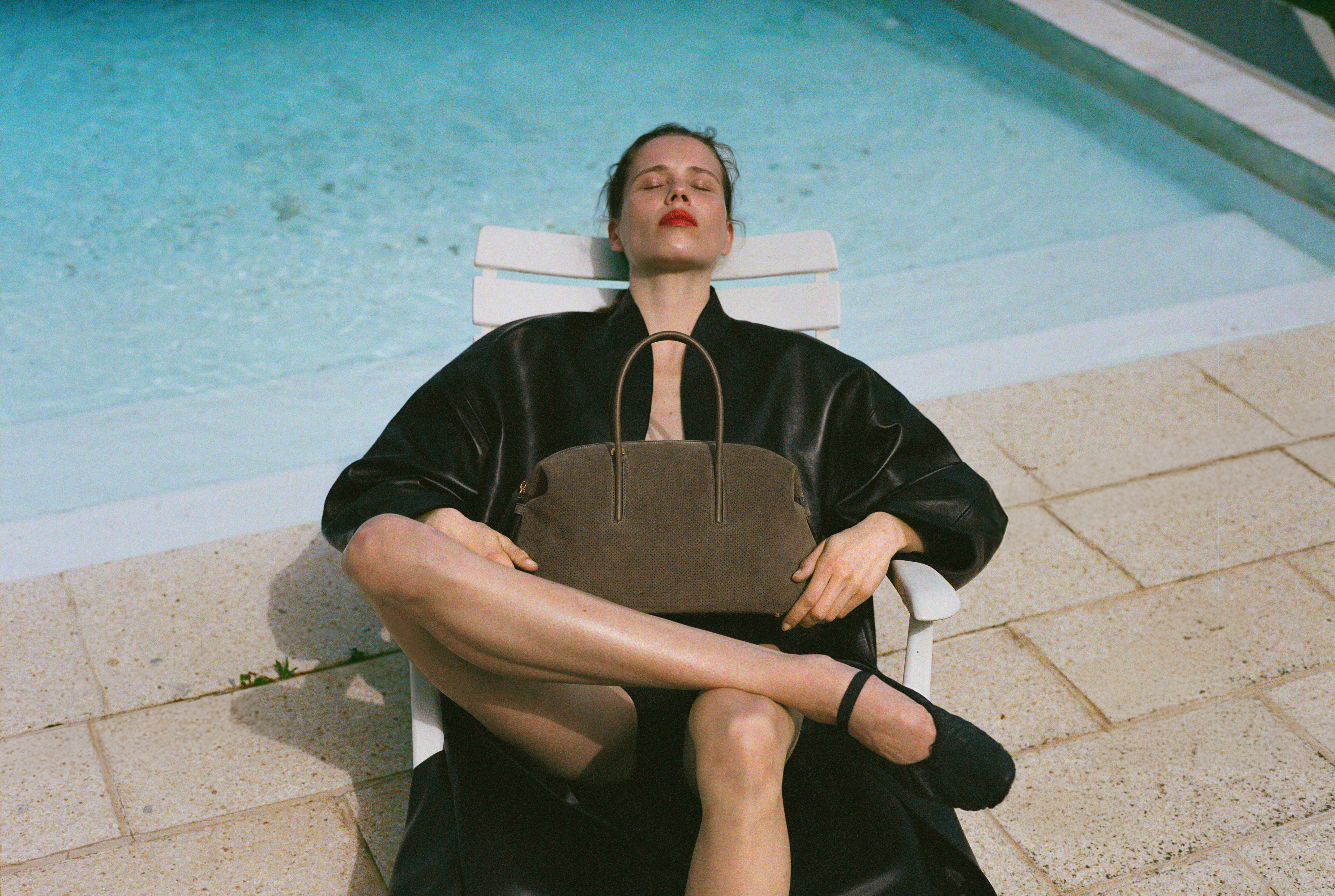
Summary: DeMellier’s revenue growth and surging search interest demonstrate a viable counter-strategy in a tightening luxury market: prioritizing deep craftsmanship, durable materials, and a restrained, category-focused product line over rapid expansion. This operational discipline, coupled with a DTC-heavy, selective wholesale model, insulates the brand from sector volatility. Concurrently, Kering’s leadership reframes sustainability as core business infrastructure, not marketing, while Bain data quantifies the industry’s loss of millions of customers due to a perceived price-value disconnect.
Why it matters: For brand operators, this validates a capital-efficient, product-centric playbook that builds resilience by aligning price with demonstrable craft and material integrity, rather than aspirational marketing alone.
Context: The luxury sector is undergoing a correction where aspirational shoppers are retreating, forcing a renewed focus on intrinsic product value and operational ethics to justify price points.
"According to a 2025 Bain & Company report, the luxury industry lost roughly 70 million customers over the prior two years as shoppers reassessed the relationship between price and product." — GLOSSY.CO
Commentary: DeMellier’s model—controlled distribution, artisan-intensive production, and durability-as-sustainability—provides a blueprint for independent brands navigating the post-aspirational landscape. Kering’s internal pivot treats sustainability as a capital allocation and sourcing discipline, moving it from comms to P&L. The Bain data crystallizes the operational imperative: brands must now architect their cost structures and product stories to withstand this value scrutiny.
Date: Fri, 24 Apr 2026 04:00:00 +0000
URL: https://www.glossy.co/fashion/luxury/luxury-briefing-demellier-is-growing-by-doing-less-and-focusing-on-craftsmanship/
AI Sentiment Score: Negative (50%)
AI Credibility Score: 10.0/10 — High
Scores and text generated by AI analysis of the source article indicated.
Post ID: 534fe7ec