Strategic Implications
The Shift from Generative AI to Agentic Execution
A clear transition is occurring where AI is moving from a ‘chatbot’ interface (advisory) to ‘agentic’ workflows (execution). This is manifesting in enterprise data agents, the merger of chatbots and agents, and the deployment of agentic AI in high-stakes dementia research, shifting the bottleneck from data access to hypothesis generation.
What changed: The industry is moving beyond simple LLM prompting toward autonomous executors that can navigate policy, authenticate users, and manage complex research pipelines.
Time horizon: 3-12 months
Confidence: High (90%)
Watch next: The adoption rate of WebAssembly (WASM) as a secure sandboxing layer for these autonomous agents to execute code safely.
Counter-signals: Reports of systemic efficiency failures (e.g., low productive spend rates) leading to a valuation correction in AI agents.
Cross-section signals: section_07, section_12, section_17, section_18
De-risking Creative Production via IP Anchors and AI Pipelines
Major studios and streamers are aggressively pivoting away from original, high-risk development in favor of ‘proven’ literary IP and AI-integrated animation pipelines. This strategy seeks to stabilize financing and production economics, even as creators warn that cutting original development funds will eventually dry up the talent pipeline.
What changed: The shift from ‘auteur-driven’ prestige to ‘audience-centric’ scalable models, where AI is no longer just a tool but the foundation for new kids’ show pipelines.
Time horizon: 1-3 years
Confidence: High (85%)
Watch next: The commercial and copyright viability of the first wave of AI-created kids’ shows from Amazon MGM.
Counter-signals: A sudden return to high-budget original material funding at major studios like Warner Bros.
Cross-section signals: section_03_media_production, section_03_film_tv_development, section_04_science_fiction
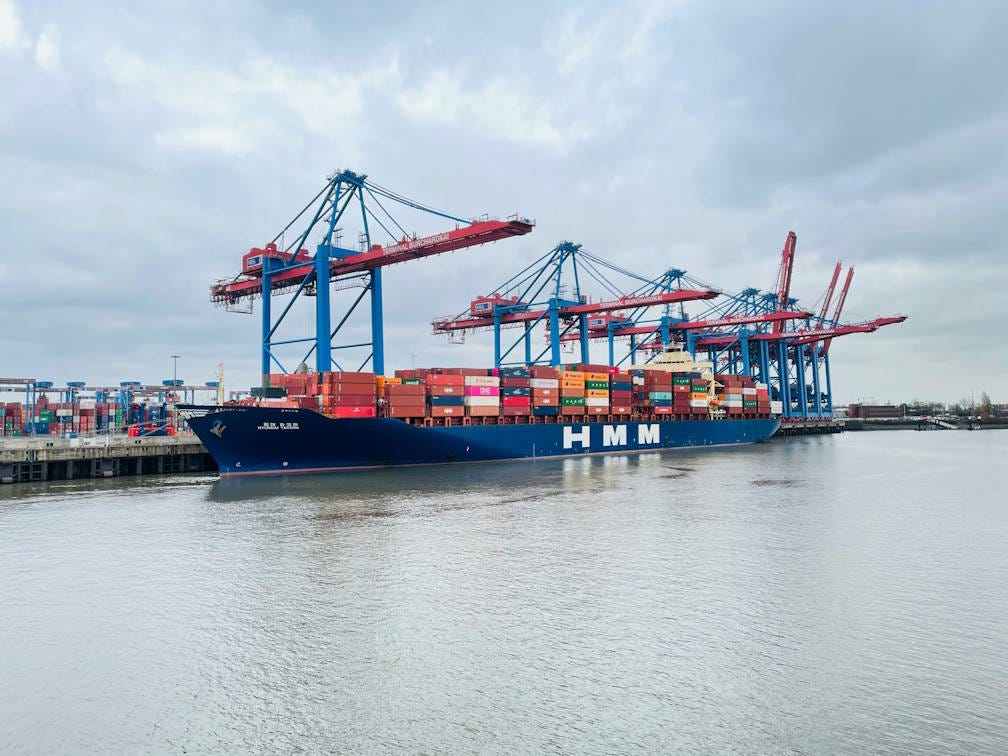
The Weaponization of Logistics and Borders as Political Leverage
Border and logistics controls are being used as tactical tools for political signaling and coercion. This is evident in the use of border controls to impose costs on international sporting events and the strategic attempt by Syria to create a land corridor to bypass the volatile Strait of Hormuz.
What changed: Logistics are shifting from a matter of efficiency to a matter of geopolitical weaponization and structural realignment.
Time horizon: Immediate
Confidence: Medium (70%)
Watch next: Whether the U.S.-Iran cease-fire extension is approved, which would either stabilize or further volatilize the Hormuz chokepoint.
Counter-signals: A return to multilateral trade agreements that prioritize open maritime corridors over nationalistic ‘corridor’ strategies.
Cross-section signals: section_01
Physicality as a Premium Hedge Against Digital Saturation
Across high-end art and luxury fashion, there is a strategic pivot back to the physical, the tactile, and the ‘exclusive’ in-person experience. Art Basel’s withholding of digital previews and the rise of ‘gentleism’ in architecture signal a market correction where physical presence is used to restore scarcity and value in an AI-saturated visual economy.
What changed: A move from ‘digital-first’ distribution to ‘physical-only’ or ‘physical-priority’ engagement to maintain luxury and cultural capital.
Time horizon: 1-3 years
Confidence: High (80%)
Watch next: The impact of Art Basel’s ‘Exclusive’ initiative on the volume of pre-negotiated digital sales versus on-site transactions.
Counter-signals: A surge in the adoption of high-fidelity VR/AR galleries that successfully replicate the ‘physical’ scarcity of the art fair.
Cross-section signals: section_03_editorial_fashion_photography, section_03_interactive_art, section_08
Image via Noahpinion.Blog
Post ID: 6b48a382