
Reshoring, Nearshoring, and US Manufacturing Growth
Nearshoring gains ground in packaging supply (Packaging-Gateway)
Summary: Nearshoring is becoming a defining strategy in packaging supply chains, shifting procurement from distant overseas locations to regional hubs. The primary drivers are reduced exposure to volatile shipping routes, improved predictability for time-sensitive industries, and a re-evaluation of total landed cost over unit price alone. This shift reshapes supplier relationships, inventory management, and working capital requirements.

Why it matters: For procurement officers, supply chain managers, and brand operations teams, this redefines vendor selection criteria, inventory strategy, and cost modeling, moving resilience and agility to parity with price.
Context: This follows years of global logistics disruption, where extended lead times and port congestion exposed the fragility of cost-optimized, long-distance sourcing models.
"Nearshoring in the packaging supply chain is becoming a defining strategy for manufacturers and brands seeking greater control, stability, and responsiveness. As global logistics continue to face disruption risks, companies are reassessing." — PACKAGING-GATEWAY
Commentary: The operational consequence is a pivot from managing a few distant suppliers to actively coordinating a wider regional base, demanding new skills in supplier relationship management and local logistics. This rebalances power toward regional converters and may strain capacity in nearshore hubs like Mexico or Eastern Europe, affecting lead times and pricing for buyers.
Date: April 27, 2026 12:00 AM ET
URL: https://www.packaging-gateway.com/features/nearshoring-gains-ground-in-packaging-supply/
AI Sentiment Score: Negative (87%)
AI Credibility Score: 10.0/10 — High
Scores and text generated by AI analysis of the source article indicated.
US manufacturing activity hits 4-year high: White House (Fibre2Fashion)
Summary: The White House reports a sustained expansion in US manufacturing, with the ISM index showing three consecutive months of growth and reaching its highest level since 2022. New orders and production indices are accelerating, and capital goods orders exceeded $4 billion monthly in Q4 2025. The Philadelphia Fed’s manufacturing index also surged in April, exceeding expectations.
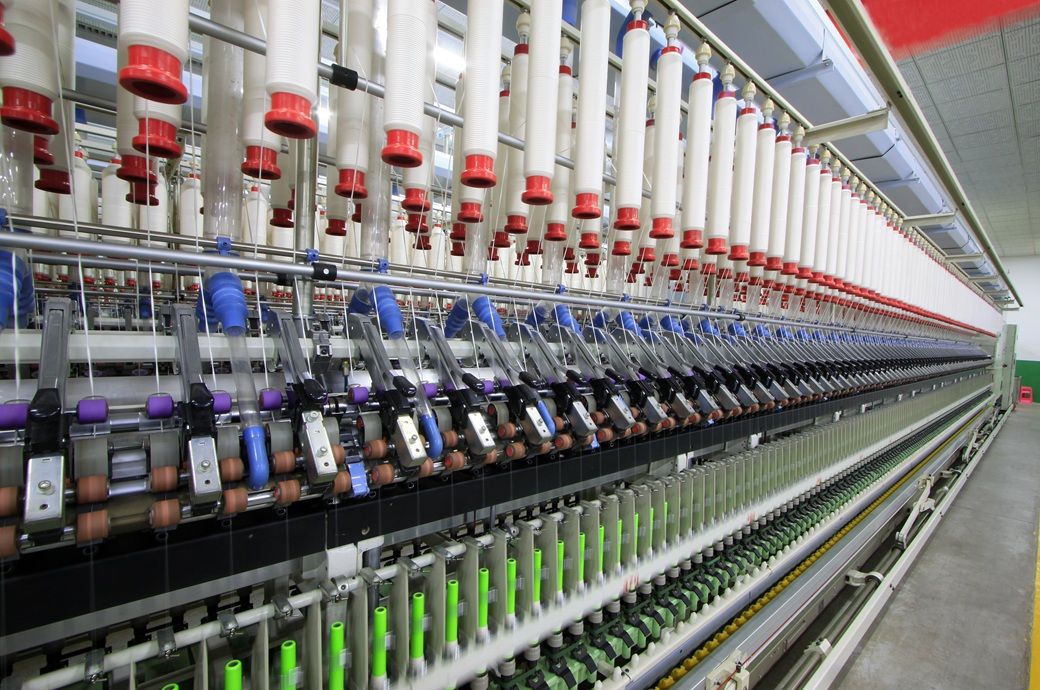
Why it matters: For practitioners, sustained expansion signals a shift in operating conditions, impacting capacity planning, labor availability, and supply chain strategies.
Context: This follows a period of contraction and policy-driven efforts to reshore production, making current growth a test of domestic manufacturing’s resilience and scalability.
"The ISM new orders index expanded for the third consecutive month as both domestic and global buyers turn to US-made goods." — FIBRE2FASHION
Commentary: The breadth of the expansion, spanning new orders, production, and capital investment, suggests a structural shift rather than a transient spike. This could pressure domestic supply chains and skilled labor pools, likely accelerating automation adoption and increasing competition for factory space. For brands and distributors, it validates reshoring calculations but also introduces new cost and lead-time dynamics as capacity tightens.
Date: April 25, 2026 12:00 AM ET
URL: https://www.fibre2fashion.com/news/textile-news/us-manufacturing-activity-hits-4-year-high-white-house-309909-newsdetails.htm
AI Sentiment Score: Negative (75%)
AI Credibility Score: 10.0/10 — High
Scores and text generated by AI analysis of the source article indicated.
Inside Our Industry – Reshoring: The Domestic Manufacturing Shift (Agracel)
Summary: Reshoring remains a key trend in U.S. manufacturing. As noted in this BusinessFacilities.com report, “as much as 30% of OEM-offshored products—could come back.” Click on the Full Report link for the remainder of the report, including a broader view to mitigate risks and the role that Foreign Trade Zones play. …

Why it matters: This matters for Made In USA manufacturing and logistics because it gives a concrete current signal to track: *Reshoring remains a key trend in U.S.
Context: Reshoring remains a key trend in U.S. manufacturing. As noted in this BusinessFacilities.com report, “as much as 30% of OEM-offshored products—could come back.” Click on the Full Report link for the remainder of the report, including a broader view to mitigate risks and the role that Foreign Trade Zones play. …
"*Reshoring remains a key trend in U.S. manufacturing. As noted in this BusinessFacilities.com report, “as much as 30% of OEM-offshored products—could come back.” Click on the Full Report link for the remainder." — AGRACEL
Commentary: The immediate implication is operational rather than speculative: watch how this changes budgets, workflows, or risk assumptions over the next cycle.
Date: April 28, 2026 12:00 AM ET
URL: https://agracel.com/298-inside-our-industry-reshoring-the-domestic-manufacturing-shift/
AI Sentiment Score: Negative (50%)
AI Credibility Score: 7.0/10 — Medium
Scores and text generated by AI analysis of the source article indicated.
Why More Businesses are Nearshoring and Reshoring – WSI (Wsinc)
Summary: While the end goal of ramping up U.S. production is positive, the pain points of making decisions and adjusting logistics operations are not. That said, the needle is slowly moving toward more businesses bringing their supply chains closer to home—both nearshoring and reshoring in the hopes of driving efficiency and cost savings within a rapidly changing industry.

Why it matters: This matters for Made In USA manufacturing and logistics because it gives a concrete current signal to track: While the end goal of ramping up U.S.
Context: While the end goal of ramping up U.S. production is positive, the pain points of making decisions and adjusting logistics operations are not. That said, the needle is slowly moving toward more businesses bringing their supply chains closer to home—both nearshoring and reshoring in the hopes of driving efficiency and cost savings within a rapidly changing industry.
"While the end goal of ramping up U.S. production is positive, the pain points of making decisions and adjusting logistics operations are not. That said, the needle is slowly moving toward more." — WSINC
Commentary: The immediate implication is operational rather than speculative: watch how this changes budgets, workflows, or risk assumptions over the next cycle.
Date: April 22, 2026 12:00 AM ET
URL: https://www.wsinc.com/blog/retail-manufacturing-nearshoring-and-reshoring/
AI Sentiment Score: Positive (42%)
AI Credibility Score: 7.0/10 — Medium
Scores and text generated by AI analysis of the source article indicated.
The Return of US Manufacturing and the Reshoring Shift – AZoM (Azom)
Summary: The November 2022 edition of Connections highlighted a think tank’s strategy to decouple manufacturing from China. … There is no specific year when American manufacturers began reshoring from China back to America.
Why it matters: This matters for Made In USA manufacturing and logistics because it gives a concrete current signal to track: The November 2022 edition of Connections highlighted a think tank’s strategy to decouple manufacturing from China.
Context: The November 2022 edition of Connections highlighted a think tank’s strategy to decouple manufacturing from China. … There is no specific year when American manufacturers began reshoring from China back to America.
"The November 2022 edition of Connections highlighted a think tank’s strategy to decouple manufacturing from China. … There is no specific year when American manufacturers began reshoring from China back to America." — AZOM
Commentary: The immediate implication is operational rather than speculative: watch how this changes budgets, workflows, or risk assumptions over the next cycle.
Date: April 22, 2026 12:00 AM ET
URL: https://www.azom.com/article.aspx?ArticleID=25136
AI Sentiment Score: Negative (50%)
AI Credibility Score: 7.0/10 — Medium
Scores and text generated by AI analysis of the source article indicated.
Leading Brands Back unspun’s Automated U.S. Apparel … – IICTF – (Iictf.In)
Summary: Automated production that converts yarn directly into a semi-finished garment in minutes — compressing dozens of discrete cut-and-sew steps into a single programmable cycle — is no longer confined to a pilot facility. unspun is moving its AI-enabled 3D weaving technology toward commercial deployment inside the United States, and it has retail-level commitments to back the claim. On April 6, 2026, the San Francisco-based company announced that Walmart and REI have each signed letters of support for its plan to establish automated domestic apparel manufacturing hubs across the U.S.

Why it matters: This matters for Made In USA manufacturing and logistics because it gives a concrete current signal to track: Automated production that converts yarn directly into a semi-finished garment in minutes — compressing dozens of discrete cut-and-sew steps into a single programmable cycle — is no longer confined to a pilot facility.
Context: Automated production that converts yarn directly into a semi-finished garment in minutes — compressing dozens of discrete cut-and-sew steps into a single programmable cycle — is no longer confined to a pilot facility. unspun is moving its AI-enabled 3D weaving technology toward commercial deployment inside the United States, and it has retail-level commitments to back the claim. On April 6, 2026, the San Francisco-based company announced that Walmart and REI have each signed letters of support for its plan to establish automated domestic apparel manufacturing hubs across the U.S.
"Automated production that converts yarn directly into a semi-finished garment in minutes — compressing dozens of discrete cut-and-sew steps into a single programmable cycle — is no longer confined to a pilot." — IICTF.IN
Commentary: The immediate implication is operational rather than speculative: watch how this changes budgets, workflows, or risk assumptions over the next cycle.
Date: April 23, 2026 12:00 AM ET
URL: https://iictf.in/unspun-automated-apparel-manufacturing-us-hubs/
AI Sentiment Score: Negative (50%)
AI Credibility Score: 7.0/10 — Medium
Scores and text generated by AI analysis of the source article indicated.
NYCEDC unveils $1.7 mn to boost local fashion manufacturing – Fibre2Fashion (Fibre2Fashion)
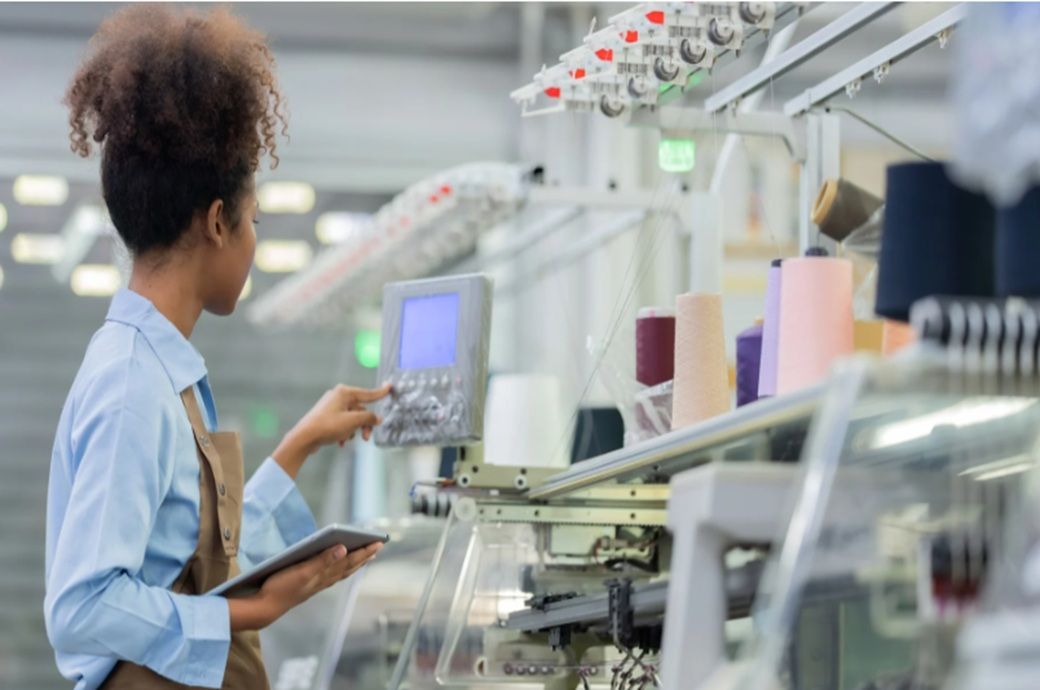
Summary: NYCEDC unveils $1.7 mn to boost local fashion manufacturing 23 Apr 26 4 min read Insights – NYCEDC and CFDA launched a $1.7 million Local Production Fund under the Fashion Manufacturing Initiative to boost NYC garment manufacturing. – It will support 21 manufacturers and 43 designers over two years. – Building on $6.7 million invested since 2013, the programme aims to strengthen local production, jobs, and partnerships amid Midtown South redevelopment.
Why it matters: This matters for New York City, NY because it gives a concrete current signal to track: NYCEDC unveils $1.7 mn to boost local fashion manufacturing 23 Apr 26 4 min read Insights – NYCEDC and CFDA launched a $1.7 million Local Production Fund under the Fashion Manufacturing Initiative to boost NYC garment manufacturing.
Context: NYCEDC unveils $1.7 mn to boost local fashion manufacturing 23 Apr 26 4 min read Insights – NYCEDC and CFDA launched a $1.7 million Local Production Fund under the Fashion Manufacturing Initiative to boost NYC garment manufacturing. – It will support 21 manufacturers and 43 designers over two years. – Building on $6.7 million invested since 2013, the programme aims to strengthen local production, jobs, and partnerships amid Midtown South redevelopment.
"NYCEDC unveils $1.7 mn to boost local fashion manufacturing 23 Apr 26 4 min read Insights – NYCEDC and CFDA launched a $1.7 million Local Production Fund under the Fashion Manufacturing Initiative." — FIBRE2FASHION
Commentary: The immediate implication is operational rather than speculative: watch how this changes budgets, workflows, or risk assumptions over the next cycle.
Date: April 23, 2026 12:00 AM ET
URL: https://www.fibre2fashion.com/news/fashion-news/nycedc-unveils-1-7-mn-to-boost-local-fashion-manufacturing-309898-newsdetails.htm?amp=true
AI Sentiment Score: Positive (50%)
AI Credibility Score: 10.0/10 — High
Scores and text generated by AI analysis of the source article indicated.
NYCEDC unveils $1.7 mn to boost local fashion manufacturing (Fibre2Fashion)
Summary: ### Insights – NYCEDC and CFDA launched a $1.7 million Local Production Fund under the Fashion Manufacturing Initiative to boost NYC garment manufacturing. – It will support 21 manufacturers and 43 designers over two years. …
Why it matters: This matters for New York City, NY because it gives a concrete current signal to track: ### Insights – NYCEDC and CFDA launched a $1.7 million Local Production Fund under the Fashion Manufacturing Initiative to boost NYC garment manufacturing.
Context: ### Insights – NYCEDC and CFDA launched a $1.7 million Local Production Fund under the Fashion Manufacturing Initiative to boost NYC garment manufacturing. – It will support 21 manufacturers and 43 designers over two years. …
"### Insights – NYCEDC and CFDA launched a $1.7 million Local Production Fund under the Fashion Manufacturing Initiative to boost NYC garment manufacturing. – It will support 21 manufacturers and 43 designers." — FIBRE2FASHION
Commentary: The immediate implication is operational rather than speculative: watch how this changes budgets, workflows, or risk assumptions over the next cycle.
Date: April 25, 2026 12:00 AM ET
URL: https://www.fibre2fashion.com/news/world-fashion-designers-news/nycedc-unveils-1-7-mn-to-boost-local-fashion-manufacturing-309898-newsdetails.htm
AI Sentiment Score: Positive (50%)
AI Credibility Score: 10.0/10 — High
Scores and text generated by AI analysis of the source article indicated.
Nearshoring rises as brands seek supply chain visibility (Fibre2Fashion)
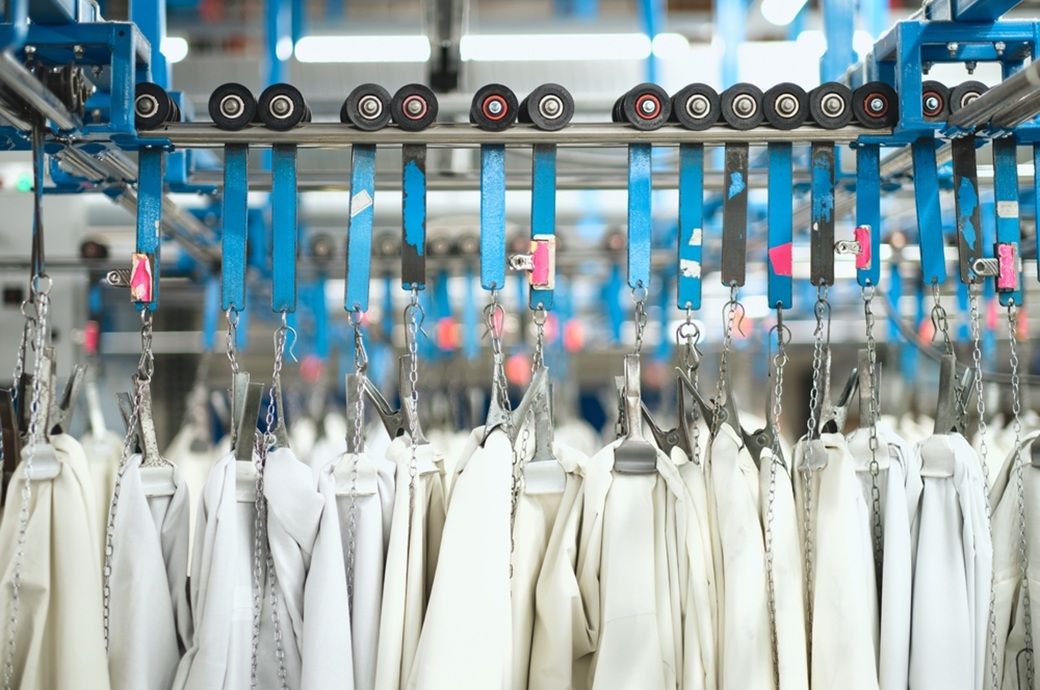
Summary: ### Insightss- A growing shift toward nearshoring in apparel sourcing is being driven less by geography and more by limited supply chain visibility. – Brands seek real-time, item-level data to reduce risk and errors. …
Why it matters: This matters for Made In USA manufacturing and logistics because it gives a concrete current signal to track: ### Insightss- A growing shift toward nearshoring in apparel sourcing is being driven less by geography and more by limited supply chain visibility.
Context: ### Insightss- A growing shift toward nearshoring in apparel sourcing is being driven less by geography and more by limited supply chain visibility. – Brands seek real-time, item-level data to reduce risk and errors. …
"### Insightss- A growing shift toward nearshoring in apparel sourcing is being driven less by geography and more by limited supply chain visibility. – Brands seek real-time, item-level data to reduce risk." — FIBRE2FASHION
Commentary: The immediate implication is operational rather than speculative: watch how this changes budgets, workflows, or risk assumptions over the next cycle.
Date: April 25, 2026 12:00 AM ET
URL: https://www.fibre2fashion.com/news/textile-rfid-news/nearshoring-rises-as-brands-seek-supply-chain-visibility-309187-newsdetails.htm
AI Sentiment Score: Negative (50%)
AI Credibility Score: 10.0/10 — High
Scores and text generated by AI analysis of the source article indicated.
Nearshoring Apparel Manufacturing: Mexico vs Asia – Sourcify (Sourcify)
Summary: Nearshoring has become one of the biggest trends in apparel sourcing. For many brands, the idea is simple: > Move production closer to home. Reduce risk.

Why it matters: This matters for Made In USA manufacturing and logistics because it gives a concrete current signal to track: Nearshoring has become one of the biggest trends in apparel sourcing.
Context: Nearshoring has become one of the biggest trends in apparel sourcing. For many brands, the idea is simple: > Move production closer to home. Reduce risk.
"Nearshoring has become one of the biggest trends in apparel sourcing. For many brands, the idea is simple: > Move production closer to home. Reduce risk. Move faster. Mexico is usually the." — SOURCIFY
Commentary: The immediate implication is operational rather than speculative: watch how this changes budgets, workflows, or risk assumptions over the next cycle.
Date: April 21, 2026 12:00 AM ET
URL: https://www.sourcify.com/nearshoring-apparel-manufacturing-mexico-vs-asia/
AI Sentiment Score: Negative (50%)
AI Credibility Score: 7.0/10 — Medium
Scores and text generated by AI analysis of the source article indicated.
China Plus One Strategy: Reduce Risk and Diversify Supply (Svigloballtd)
Summary: Setting up viable manufacturing in a new country typically takes one to two years, including factory qualification, supplier development, logistics setup, and quality system alignment. … – Vietnam: 20% – Malaysia: 19% – Thailand: 19% – Indonesia: 19% …

Why it matters: This matters for Made In USA manufacturing and logistics because it gives a concrete current signal to track: Setting up viable manufacturing in a new country typically takes one to two years, including factory qualification, supplier development, logistics setup, and quality system alignment.
Context: Setting up viable manufacturing in a new country typically takes one to two years, including factory qualification, supplier development, logistics setup, and quality system alignment. … – Vietnam: 20% – Malaysia: 19% – Thailand: 19% – Indonesia: 19% …
"Setting up viable manufacturing in a new country typically takes one to two years, including factory qualification, supplier development, logistics setup, and quality system alignment. … – Vietnam: 20% – Malaysia: 19%." — SVIGLOBALLTD
Commentary: The immediate implication is operational rather than speculative: watch how this changes budgets, workflows, or risk assumptions over the next cycle.
Date: April 23, 2026 12:00 AM ET
URL: https://www.svigloballtd.com/sourcing/china-plus-one-strategy/
AI Sentiment Score: Positive (66%)
AI Credibility Score: 10.0/10 — High
Scores and text generated by AI analysis of the source article indicated.
President Trump’s Trade Policy is Delivering for the American People (Ustr.Gov)
Summary: WASHINGTON – This week, Ambassador Greer testified before the House Ways and Means Committee to lay out how President Trump’s trade policy is delivering tangible results for American workers and their families, eliminating long-standing trade barriers abroad while reshoring jobs and production back home. … American Manufacturing is Back: Representative Nathaniel Moran (TX-01) reflected on how America First trade is revitalizing America’s manufacturing base, creating jobs and raising blue-collar wages.

Why it matters: This matters for Made In USA manufacturing and logistics because it gives a concrete current signal to track: WASHINGTON – This week, Ambassador Greer testified before the House Ways and Means Committee to lay out how President Trump’s trade policy is delivering tangible results for American workers and their families, eliminating long-standing trade barriers abroad while reshoring jobs and production back home.
Context: WASHINGTON – This week, Ambassador Greer testified before the House Ways and Means Committee to lay out how President Trump’s trade policy is delivering tangible results for American workers and their families, eliminating long-standing trade barriers abroad while reshoring jobs and production back home. … American Manufacturing is Back: Representative Nathaniel Moran (TX-01) reflected on how America First trade is revitalizing America’s manufacturing base, creating jobs and raising blue-collar wages.
"WASHINGTON – This week, Ambassador Greer testified before the House Ways and Means Committee to lay out how President Trump’s trade policy is delivering tangible results for American workers and their families,." — USTR.GOV
Commentary: The immediate implication is operational rather than speculative: watch how this changes budgets, workflows, or risk assumptions over the next cycle.
Date: April 23, 2026 12:00 AM ET
URL: https://ustr.gov/about/policy-offices/press-office/press-releases/2026/april/president-trumps-trade-policy-delivering-american-people
AI Sentiment Score: Negative (75%)
AI Credibility Score: 10.0/10 — High
Scores and text generated by AI analysis of the source article indicated.
Defining the Best Nearshoring and Reshoring Approach for … (Tbmcg)
Summary: Both reshoring and nearshoring improve cost structure from a logistics, transportation, and inventory perspective, afford better control over the manufacturing process, and improve intellectual property security, thus increasing stability and reducing risk profile. Reshoring (vertically integrated within your company or via a nearby or co-located supply base) obviously has an edge over nearshoring on all of these factors, but it does typically come with higher CapEx and labor costs and an increase in operational complexity. …

Why it matters: This matters for Made In USA manufacturing and logistics because it gives a concrete current signal to track: Both reshoring and nearshoring improve cost structure from a logistics, transportation, and inventory perspective, afford better control over the manufacturing process, and improve intellectual property security, thus increasing stability and reducing risk profile.
Context: Both reshoring and nearshoring improve cost structure from a logistics, transportation, and inventory perspective, afford better control over the manufacturing process, and improve intellectual property security, thus increasing stability and reducing risk profile. Reshoring (vertically integrated within your company or via a nearby or co-located supply base) obviously has an edge over nearshoring on all of these factors, but it does typically come with higher CapEx and labor costs and an increase in operational complexity. …
"Both reshoring and nearshoring improve cost structure from a logistics, transportation, and inventory perspective, afford better control over the manufacturing process, and improve intellectual property security, thus increasing stability and reducing risk." — TBMCG
Commentary: The immediate implication is operational rather than speculative: watch how this changes budgets, workflows, or risk assumptions over the next cycle.
Date: April 27, 2026 12:00 AM ET
URL: https://tbmcg.com/resources/blog/defining-the-best-reshoring-nearshoring-approach-for-manufacturers/
AI Sentiment Score: Positive (44%)
AI Credibility Score: 7.0/10 — Medium
Scores and text generated by AI analysis of the source article indicated.
Tariffs Changed the Headlines. Nearshore EMS Is … – Intervala (Intervala)
Summary: Bloomberg recently reported that despite the sweeping tariff policies of 2025—including levies on Chinese imports peaking at 125%—U.S. electronics supply chains haven’t simply shifted back to American soil. Instead, production has migrated to Vietnam, Mexico, and other lower-tariff geographies, leaving OEMs with a familiar problem: long lead times, limited visibility, and fragile single-country dependencies.
Why it matters: This matters for Made In USA manufacturing and logistics because it gives a concrete current signal to track: Bloomberg recently reported that despite the sweeping tariff policies of 2025—including levies on Chinese imports peaking at 125%—U.S.
Context: Bloomberg recently reported that despite the sweeping tariff policies of 2025—including levies on Chinese imports peaking at 125%—U.S. electronics supply chains haven’t simply shifted back to American soil. Instead, production has migrated to Vietnam, Mexico, and other lower-tariff geographies, leaving OEMs with a familiar problem: long lead times, limited visibility, and fragile single-country dependencies.
"Bloomberg recently reported that despite the sweeping tariff policies of 2025—including levies on Chinese imports peaking at 125%—U.S. electronics supply chains haven’t simply shifted back to American soil. Instead, production has." — INTERVALA
Commentary: The immediate implication is operational rather than speculative: watch how this changes budgets, workflows, or risk assumptions over the next cycle.
Date: April 21, 2026 12:00 AM ET
URL: https://www.intervala.com/2026/04/21/near-shoring/
AI Sentiment Score: Negative (80%)
AI Credibility Score: 7.0/10 — Medium
Scores and text generated by AI analysis of the source article indicated.
The Reshoring Reality Check: Balancing Strategic Ambition … – CADDi (Us.Caddi)
Summary: The American manufacturing landscape is in constant flux, and few trends have captured attention quite like "reshoring"—the movement to bring manufacturing capabilities back to the U.S.. Driven by lessons from past supply chain disruptions and geopolitical shifts, reshoring has emerged as a strategic imperative for many American manufacturers. However, as the sector navigates the complex economic environment of 2025, the ambition of reshoring is meeting a stern reality check.

Why it matters: This matters for Made In USA manufacturing and logistics because it gives a concrete current signal to track: The American manufacturing landscape is in constant flux, and few trends have captured attention quite like "reshoring"—the movement to bring manufacturing capabilities back to the U.S..
Context: The American manufacturing landscape is in constant flux, and few trends have captured attention quite like "reshoring"—the movement to bring manufacturing capabilities back to the U.S.. Driven by lessons from past supply chain disruptions and geopolitical shifts, reshoring has emerged as a strategic imperative for many American manufacturers. However, as the sector navigates the complex economic environment of 2025, the ambition of reshoring is meeting a stern reality check.
"The American manufacturing landscape is in constant flux, and few trends have captured attention quite like "reshoring"—the movement to bring manufacturing capabilities back to the U.S.. Driven by lessons from past supply." — US.CADDI
Commentary: The immediate implication is operational rather than speculative: watch how this changes budgets, workflows, or risk assumptions over the next cycle.
Date: April 20, 2026 12:00 AM ET
URL: https://us.caddi.com/resources/insights/reshoring-reality-check
AI Sentiment Score: Negative (66%)
AI Credibility Score: 7.0/10 — Medium
Scores and text generated by AI analysis of the source article indicated.
Domestic vs. Global Sourcing: Logistics Costs in Reshoring (Allthingssupplychain)
Summary: However, domestic transportation is shorter, reducing shipping costs and eliminating tariffs on the final figure. This provides more predictable prices and delivery timelines. Businesses are also less exposed to unexpected fluctuations in international markets.

Why it matters: This matters for Made In USA manufacturing and logistics because it gives a concrete current signal to track: However, domestic transportation is shorter, reducing shipping costs and eliminating tariffs on the final figure.
Context: However, domestic transportation is shorter, reducing shipping costs and eliminating tariffs on the final figure. This provides more predictable prices and delivery timelines. Businesses are also less exposed to unexpected fluctuations in international markets.
"However, domestic transportation is shorter, reducing shipping costs and eliminating tariffs on the final figure. This provides more predictable prices and delivery timelines. Businesses are also less exposed to unexpected fluctuations in." — ALLTHINGSSUPPLYCHAIN
Commentary: The immediate implication is operational rather than speculative: watch how this changes budgets, workflows, or risk assumptions over the next cycle.
Date: April 20, 2026 12:00 AM ET
URL: https://www.allthingssupplychain.com/domestic-sourcing-vs-global-sourcing-a-logistics-cost-analysis-in-the-reshoring-era/
AI Sentiment Score: Neutral (50%)
AI Credibility Score: 7.0/10 — Medium
Scores and text generated by AI analysis of the source article indicated.
Post ID: 8f3cf441