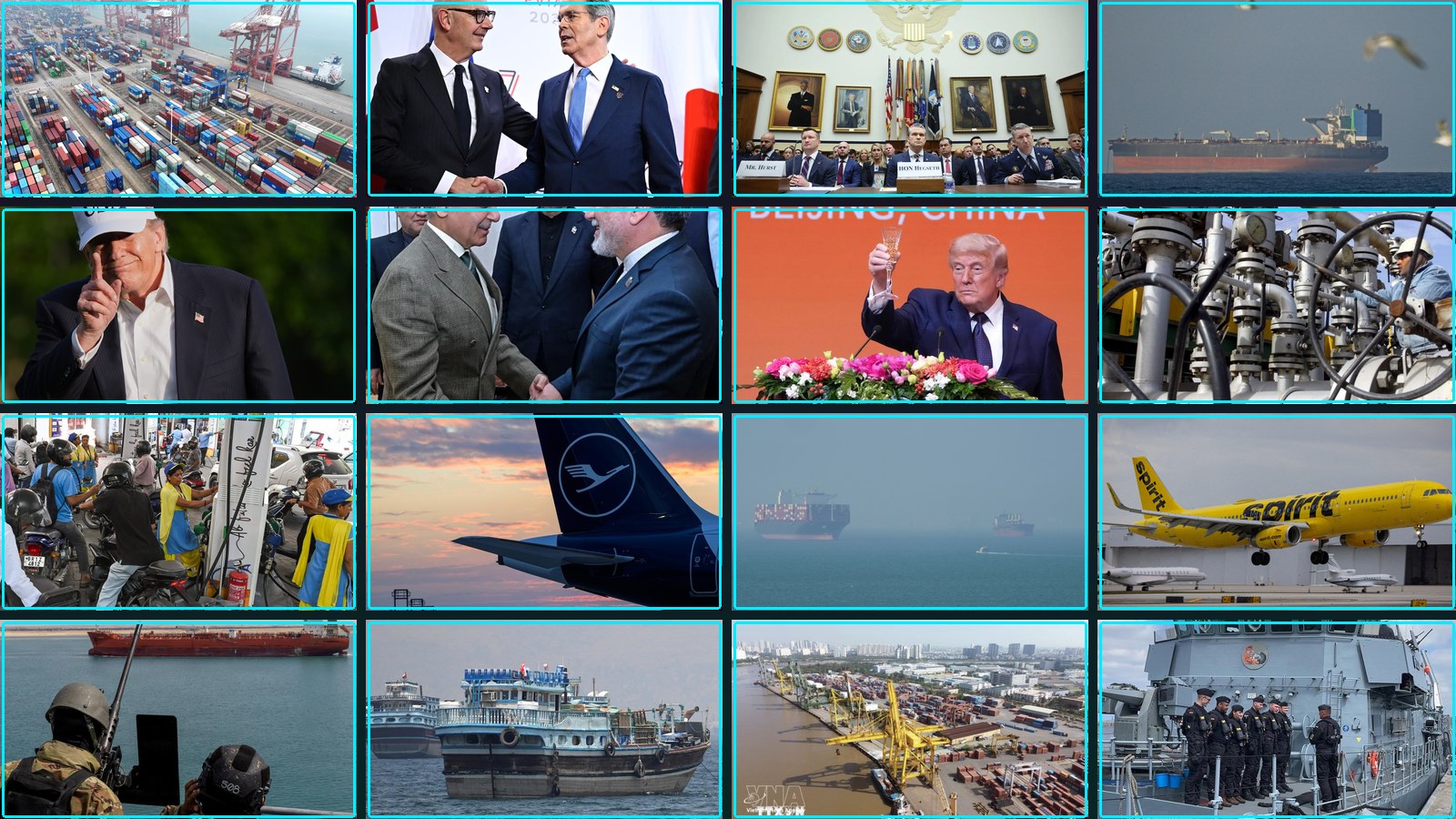
The Iran War’s Global Impact
G-7 Finance Ministers Discuss Economic Fallout of Iran War (Foreignpolicy)
Summary: G-7 finance ministers convened in Paris to coordinate a response to the economic fallout from the Iran war, focusing on stabilizing oil markets and volatile bonds. U.S. Treasury Secretary Scott Bessent sought to rally allies around tightening sanctions on Iran, a task complicated by lingering trade tensions and European frustration over U.S. sanctions exemptions for Russian crude. The meetings also addressed reopening the Strait of Hormuz, reducing reliance on China for critical minerals, and building alternative supply chains. The discussions serve as a prelude to next month’s G-7 leaders’ summit, but progress is threatened by unresolved transatlantic disputes.

Why it matters: The G-7’s ability to forge a unified economic front will directly impact global energy prices, inflation trajectories, and the stability of financial markets, with immediate consequences for trade flows and corporate planning.
Context: The meetings occur against a backdrop of pre-existing trade friction from the Trump administration’s tariffs and a global bond market sell-off triggered by war-driven oil price shocks.
"Among the group’s biggest concerns is that disruptions to oil markets could slow growth, increase inflation, and ignite a possible global recession." — FOREIGNPOLICY
Commentary: The G-7’s agenda reveals a strategic pivot from managing a post-pandemic recovery to crisis-managing a war economy, with supply chain resilience now framed explicitly around geopolitical blockades. The call for unity on Iran sanctions is undercut by the U.S.’s own selective enforcement regarding Russia, exposing a credibility gap that will limit European alignment. The practical focus on reopening the Strait of Hormuz and securing critical minerals signals that financial ministers are now operating as a de facto logistics and sanctions board, a consequential expansion of their traditional remit.
Date: Mon, 18 May 2026 20:42:49 +0000
URL: https://foreignpolicy.com/2026/05/18/g7-finance-ministers-iran-war-oil-prices-bond-markets-tariffs-trump-us/
AI Sentiment Score: Negative (66%)
AI Credibility Score: 10.0/10 — High
Scores and text generated by AI analysis of the source article indicated.
Pakistan faces pressure over mediator role in Iran war (Dw)
Summary: Pakistan’s attempt to mediate between the US and Iran in a 2026 conflict is straining its diplomatic credibility and exposing its precarious position. Islamabad faces accusations of partiality from Washington following a CBS report alleging it shielded Iranian aircraft, while simultaneously receiving pressure from China to expand its role. The mediation effort, driven by Pakistan’s own economic and security dependencies on Gulf stability, has stalled, leaving it vulnerable to criticism from all sides.
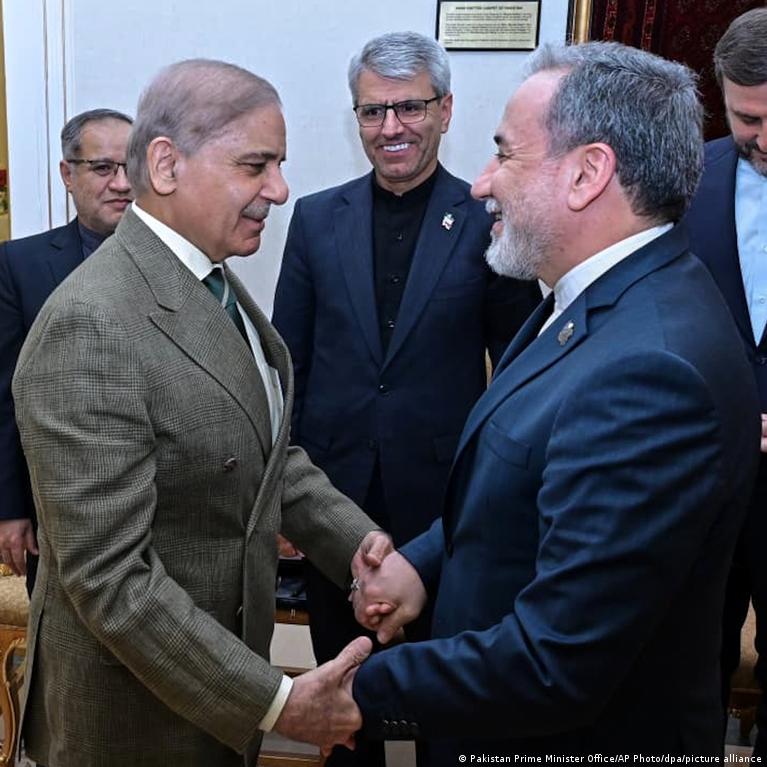
Why it matters: Pakistan’s faltering mediation demonstrates the severe limitations of regional powers in resolving great-power conflicts and highlights the operational risks for states whose stability depends on volatile trade and energy corridors.
Context: Pakistan has historically balanced relations with Saudi Arabia, China, Iran, and the US, a posture now tested by direct confrontation between two of its key partners.
""Pakistan will likely continue trying, but expectations should remain limited. Islamabad is not in a position to shape US-Iran tensions in any major way. Its main role is keeping communication open when direct engagement becomes difficult," Fatemeh Aman, an independent expert on Iran-Pakistan ties, told DW." — DW
Commentary: The episode reveals mediation as a high-risk, low-reward endeavor for Islamabad, where the primary utility—maintaining a backchannel—is easily negated by perceptions of bias. The resulting reputational damage could constrain Pakistan’s future diplomatic maneuverability with both Tehran and its Gulf Arab allies, tightening its strategic dependency on Beijing.
URL: https://www.dw.com/en/pakistan-faces-pressure-over-mediator-role-in-iran-war/a-77174786?maca=en-rss-en-all-1573-rdf
AI Sentiment Score: Negative (60%)
AI Credibility Score: 10.0/10 — High
Scores and text generated by AI analysis of the source article indicated.
Iran war: Jet fuel crisis deepens as Lufthansa cuts flights (Dw)
Summary: The closure of the Strait of Hormuz due to the Iran conflict has precipitated a severe jet fuel shortage in Europe, with Lufthansa canceling 20,000 flights to conserve 40,000 metric tons of fuel. EU officials warn of a shift from a price crisis to a supply crisis, with plans for fuel sharing among member states and potential emergency imports from the US. The aviation sector’s acute dependence on Middle Eastern kerosene imports is exposing systemic fragility just ahead of the summer travel season.
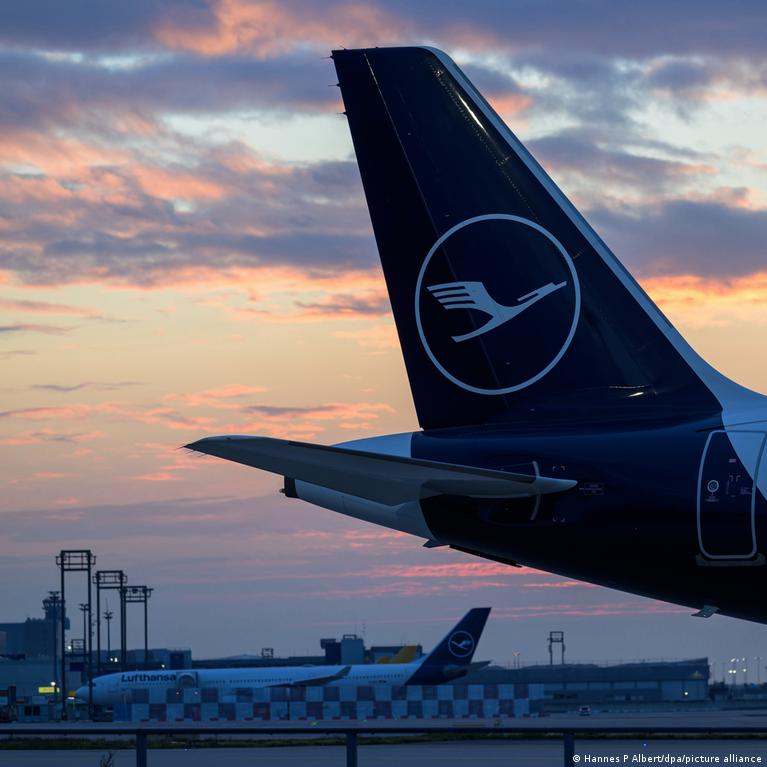
Why it matters: This crisis reveals the operational brittleness of global mobility networks under geopolitical strain, forcing immediate trade-offs between connectivity, cost, and energy security.
Context: European aviation fuel resilience has been weakening for years due to growing import dependence, a vulnerability highlighted in recent IATA reports, while regulatory pushes for Sustainable Aviation Fuel remain insufficient for near-term shocks.
"Iran war: Jet fuel crisis deepens as Lufthansa cuts flights April 22, 2026The Iran war is having a profound effect on the global aviation sector, with jet fuel shortages and surging prices." — DW
Commentary: The scramble for fuel-sharing protocols and the divergence between Dutch refinery optimism and IEA scarcity warnings underscore a fragmented EU crisis response. Airlines’ retreat from fuel hedging leaves them—and passengers—exposed to volatility, turning summer travel into a real-time experiment in demand destruction through cancellations and surcharges. This episode will accelerate scrutiny of strategic fuel reserves for critical infrastructure beyond military use.
URL: https://www.dw.com/en/iran-war-jet-fuel-crisis-deepens-as-lufthansa-cuts-flights/a-76889141?maca=en-rss-en-all-1573-rdf
AI Sentiment Score: Negative (87%)
AI Credibility Score: 10.0/10 — High
Scores and text generated by AI analysis of the source article indicated.
US-China summit exposes Trump’s limits on Iran war, Taiwan (Dw)
Summary: The May 2026 Trump-Xi summit in Beijing produced public bonhomie but revealed a transactional stalemate on two critical fronts. Trump, preoccupied with the ongoing Iran war and the closure of the Strait of Hormuz, sought Chinese assistance, while Xi seized the moment to elevate Taiwan as the paramount bilateral issue, warning of conflict. The summit’s tangible outcome was the deferral of a major US arms sale to Taiwan and an invitation for Xi to visit Washington in September, framing a potential quid pro quo: Chinese cooperation on Iran for US restraint on Taiwan.

Why it matters: The summit crystallizes the operational limits of US power when simultaneously engaged in a Middle Eastern conflict and strategic competition with China, forcing a prioritization that Beijing is adept at exploiting.
Context: This follows a pattern of Beijing leveraging US distractions—first the trade war, now a hot conflict—to advance its core territorial and strategic interests, testing the durability of US commitments to regional allies.
"The obvious trade here was Taiwan for Iran," he told DW. "And I don’t mean that like the US gets Iran and China gets Taiwan, but America cooperates more on Taiwan if China cooperates more on Iran." — DW
Commentary: The explicit framing of Taiwan and Iran as linked bargaining chips marks a dangerous normalization of treating core sovereignty issues as transactional. It signals to Taipei and other US partners that the reliability of American security suggests is now contingent on Washington’s other geopolitical headaches, inviting more aggressive probing from adversaries. The deferred arms sale is not a pause but a lever, and its eventual disposition will signal whether a durable modus vivendi or a more volatile tit-for-tat dynamic is being established.
URL: https://www.dw.com/en/us-china-summit-exposes-trump-s-limits-on-iran-war-taiwan/a-77171942?maca=en-rss-en-all-1573-rdf
AI Sentiment Score: Negative (71%)
AI Credibility Score: 10.0/10 — High
Scores and text generated by AI analysis of the source article indicated.
Iran War Nears 60-Day War Powers Deadline (Foreignpolicy)
Summary: The Trump administration faces a legal and political deadline under the War Powers Resolution for its conflict with Iran, with Defense Secretary Pete Hegseth arguing a ceasefire has paused the 60-day clock. Concurrently, Israel’s interception of a Gaza-bound aid flotilla in international waters escalates maritime tensions, and Pakistan commissions advanced Chinese submarines, signaling a regional naval modernization. Global energy markets react to the prospect of resumed hostilities, while a separate international summit attempts to revive collective action on fossil fuel phaseouts.

Why it matters: The administration’s legal maneuvering around war powers tests constitutional checks on executive authority, with immediate consequences for energy markets and regional stability, while parallel events redefine maritime security and climate diplomacy.
Context: The War Powers Resolution is a recurring flashpoint in executive-legislative disputes over military engagement, often invoked but rarely enforced. Regional actors are concurrently pursuing military modernization and testing blockade enforcement, reflecting a broader shift toward contested logistics and supply chains.
"Iran War Nears 60-Day War Powers Deadline But U.S. Defense Secretary Pete Hegseth argues that the cease-fire has paused the clock. Welcome back to World Brief, where we’re looking at the Trump." — FOREIGNPOLICY
Commentary: Hegseth’s ‘pause’ interpretation is a legally creative, operationally brittle move that invites congressional challenge and sets a precedent for circumventing war powers through indefinite ceasefires. The parallel flotilla interception and submarine commissioning underscore how regional conflicts and arms races are increasingly maritime, affecting freedom of navigation and global shipping lanes. The market’s spike in Brent crude reveals how tenuous the ceasefire is perceived to be, tying legal ambiguity directly to commodity volatility.
Date: Thu, 30 Apr 2026 19:34:19 +0000
URL: https://foreignpolicy.com/2026/04/30/hegseth-senate-testimony-iran-war-60-days-war-powers-resolution/
AI Sentiment Score: Negative (80%)
AI Credibility Score: 10.0/10 — High
Scores and text generated by AI analysis of the source article indicated.
Can Iran withstand the US naval blockade? (Dw)
Summary: The US is weighing a long-term naval blockade of Iranian ports to pressure Tehran into concessions on its nuclear program and regional influence. Iran’s primary counter-pressure is restricting shipping through the Strait of Hormuz, a critical global oil chokepoint, where traffic has fallen over 95%. While Iran currently withstands the blockade using stored oil reserves, analysts warn prolonged suspension of production risks permanent damage to oil wells and deepening economic crisis.
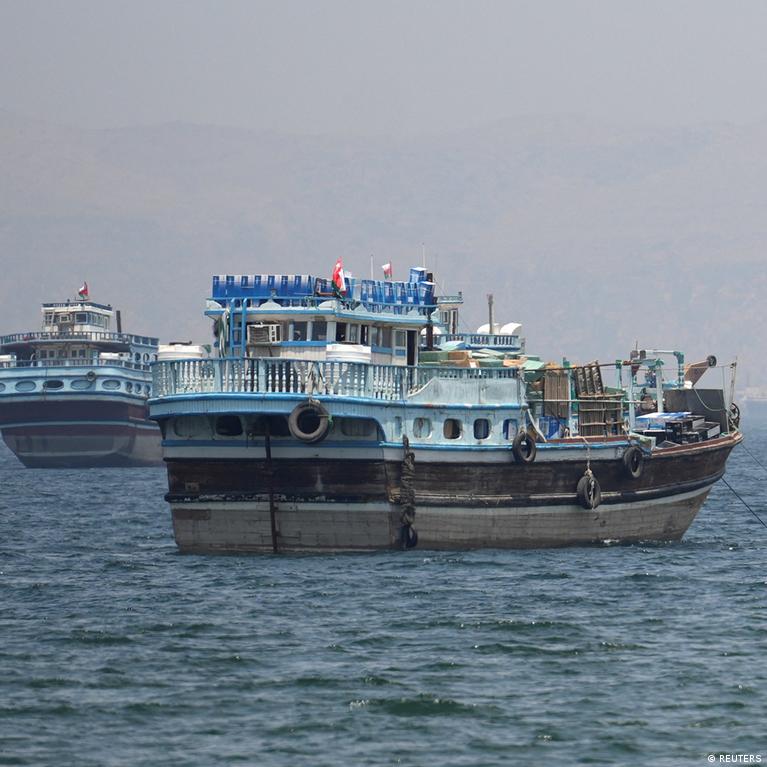
Why it matters: A protracted blockade tests the limits of coercive statecraft, risks triggering a broader energy crisis, and could inflict structural damage on Iran’s economy with global spillover effects.
Context: This follows a pattern of US-Iranian escalation managed through calibrated pressure, where economic warfare and control of maritime chokepoints are primary instruments.
"It is estimated that around 33% to 45% of Iranian government revenue comes from oil and gas sales. Since the US imposed its blockade on Iranian ports, exports have dropped significantly." — DW
Commentary: The blockade’s efficacy hinges on duration versus resilience; Iran’s stored oil provides a short-term buffer, but the threat of irreversible well damage introduces a time-sensitive pressure point. The strategic ambiguity noted by Aman underscores that Washington’s maneuver is as much about signaling resolve to allies and domestic audiences as it is about directly crippling Tehran. The real test is whether the political and military costs of sustaining the blockade outweigh the economic pain inflicted, especially as secondary effects on Asian economies and global energy markets accumulate.
URL: https://www.dw.com/en/can-iran-withstand-the-us-naval-blockade/a-77014627?maca=en-rss-en-all-1573-rdf
AI Sentiment Score: Negative (87%)
AI Credibility Score: 10.0/10 — High
Scores and text generated by AI analysis of the source article indicated.
Trump delays ‘scheduled attack’ on Iran, crediting ‘serious negotiations’ (Aljazeera)
Summary: President Trump announced a delay of a ‘scheduled attack’ on Iran, citing ‘serious negotiations’ and pressure from Gulf state leaders. The move follows escalating rhetoric and a fragile ceasefire, with mediation efforts led by Pakistan. Core disputes remain over Iran’s nuclear program, missile arsenal, and control of the Strait of Hormuz, with Gulf allies prioritizing the strait’s reopening over nuclear concerns. The war has become a political and financial liability domestically, costing at least $29bn and facing significant public disapproval.

Why it matters: The decision forestalls immediate regional escalation but signals continued volatility in global energy transit and alliance dynamics, with direct consequences for fuel prices and strategic stability.
Context: This follows a pattern of Trump leveraging public threats to shape negotiations, while Gulf states seek to de-escalate a conflict that has drawn retaliatory fire onto their territory.
"Trump delays ‘scheduled attack’ on Iran, crediting ‘serious negotiations’ Gulf states have pushed Trump to avoid any escalation in the US-Israel war against Iran, which prompted regional attacks. United States President Donald." — ALJAZEERA
Commentary: The revealed divergence between U.S. and Gulf state priorities—nuclear versus Strait of Hormuz access and missile threats—undermines the coherence of the coalition and suggests any ‘deal’ will be structurally unstable. The temporary license for Russian oil access is a direct, operational admission of the strait’s closure as a critical market failure, creating a short-term fix that entrenches alternative supply chains. Trump’s public framing as a concession to Gulf leaders effectively transfers diplomatic agency, setting a precedent for regional powers to act as brakes on U.S. military action.
Date: Mon, 18 May 2026 20:12:45 +0000
URL: https://www.aljazeera.com/news/2026/5/18/trump-delays-scheduled-attack-on-iran-crediting-serious-negotiations?traffic_source=rss
AI Sentiment Score: Negative (75%)
AI Credibility Score: 10.0/10 — High
Scores and text generated by AI analysis of the source article indicated.
US warns shippers against paying Strait of Hormuz tolls, ‘donations’ (Aljazeera)
Summary: The U.S. Treasury’s Office of Foreign Assets Control has issued a formal advisory warning global shipping companies that paying any tolls, fees, or ‘donations’ to Iran for passage through the Strait of Hormuz risks triggering U.S. sanctions. This warning, which explicitly covers payments in fiat currency, digital assets, or in-kind transfers, comes amid a protracted U.S. naval blockade of the strait and stalled ceasefire talks, with Iran proposing such tolls as a condition for peace. The advisory targets payments framed as charitable contributions to entities like the Iranian Red Crescent Society, aiming to close financial loopholes.

Why it matters: This directly escalates the financial and operational risks for global commodity traders and shipping firms navigating a critical maritime chokepoint, forcing a choice between Iranian transit demands and U.S. secondary sanctions.
Context: Iran has long sought to monetize its strategic control over the Strait of Hormuz, through which about 20% of global seaborne oil and LNG flows, as leverage in negotiations. The U.S. has consistently rejected these proposals, but the formal OFAC advisory now codifies the threat, moving from diplomatic statements to explicit enforcement guidance.
"US warns shippers against paying Strait of Hormuz tolls, ‘donations’ Latest warning comes as Iranian state media reports Tehran has presented new peace proposal to US. The United States has warned that." — ALJAZEERA
Commentary: The advisory weaponizes the global financial system to enforce a naval blockade, effectively deputizing commercial shippers as compliance agents. By specifying digital assets and informal swaps, OFAC signals it will pursue transaction obfuscation, forcing a clarity of allegiance that could bifurcate shipping routes and insurance pools. This transforms a geopolitical standoff into a direct operational and compliance calculus for logistics departments worldwide.
Date: Fri, 01 May 2026 17:18:43 +0000
URL: https://www.aljazeera.com/news/2026/5/1/us-warns-shippers-against-paying-strait-of-hormuz-tolls-donations?traffic_source=rss
AI Sentiment Score: Negative (50%)
AI Credibility Score: 10.0/10 — High
Scores and text generated by AI analysis of the source article indicated.
Trump’s Strait of Hormuz blockade hits Iran’s oil trade (Dw)
Summary: The US Navy has initiated a blockade of all Iranian ports and coastal facilities, enforced east of the Strait of Hormuz. The declared aim is to sever Iran’s primary revenue stream by halting its oil exports, estimated at nearly 2 million barrels per day, and to counter Tehran’s control and tolling of the waterway. CENTCOM states the action will not affect traffic to non-Iranian Gulf ports, but maritime data shows tanker traffic through the strait has largely halted. The move risks escalation, with Iran threatening retaliation against regional ports, and places significant pressure on China, the primary buyer of Iranian crude.
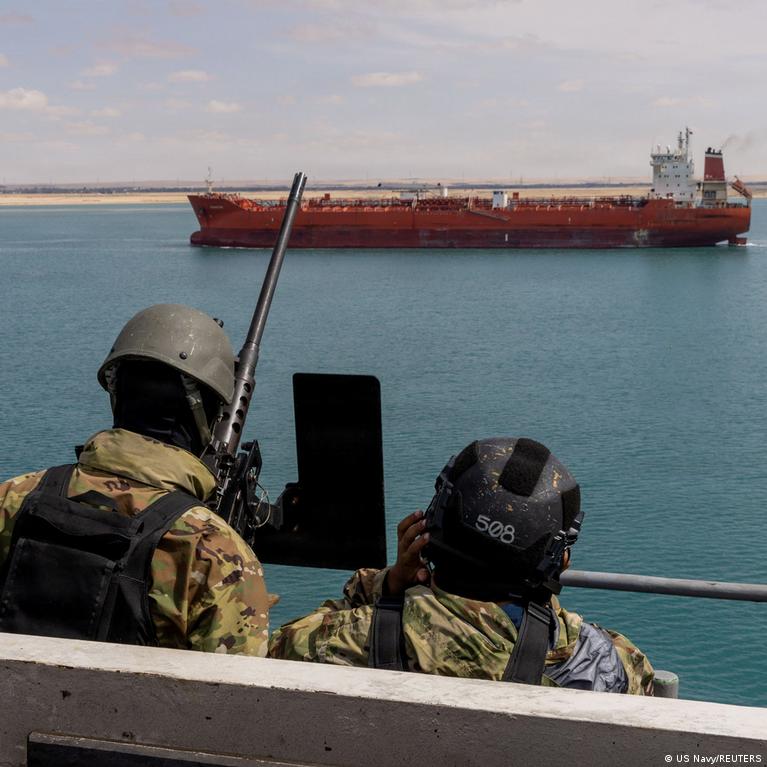
Why it matters: A unilateral naval blockade of a critical global chokepoint represents a sharp escalation in coercive statecraft, directly threatening energy market stability and testing the limits of maritime law.
Context: This follows the collapse of US-Iran peace talks and Iran’s earlier de facto closure of the strait, shifting from a mutual impasse to an active US enforcement action against a sovereign state’s trade.
"Any vessel entering or departing the blockaded area without authorization is subject to interception, diversion and capture." — DW
Commentary: The operational shift from sanctions enforcement to active naval interdiction transforms a financial pressure campaign into a direct military challenge, forcing neutral shippers and Beijing to choose sides. By explicitly sparing traffic to Saudi Arabia and the UAE, Washington is attempting to fracture regional solidarity while isolating Iran. The sustainability of this open-ended commitment, and the potential for miscalculation if Chinese-flagged vessels are boarded, now defines the immediate risk corridor.
URL: https://www.dw.com/en/trump-s-strait-of-hormuz-blockade-hits-iran-s-oil-trade/a-76760110?maca=en-rss-en-all-1573-rdf
AI Sentiment Score: Negative (80%)
AI Credibility Score: 10.0/10 — High
Scores and text generated by AI analysis of the source article indicated.
The Global Economic Impact from the Iran Conflict (Foreignpolicy)
Summary: The IMF’s Gita Gopinath outlines a tiered risk scenario for the global economy stemming from the closure of the Strait of Hormuz, with growth forecasts ranging from a 3.1% baseline to a severe 2% outcome if disruptions persist. The impact is unevenly distributed, hitting energy importers and low-income countries hardest, while the U.S. and AI-beneficiary nations demonstrate relative insulation. The analysis underscores that the primary systemic risk is not the direct energy shock but its potential amplification through a severe tightening of global financial conditions.

Why it matters: The Strait’s closure acts as a stress test for global economic resilience, revealing which nations and sectors are vulnerable to supply chain fractures and which structural advantages—like energy independence or AI leadership—provide critical buffers.
Context: This follows a period of accumulating structural shifts, including geoeconomic fragmentation and the AI boom, against a backdrop of historically accommodative financial conditions that have so far contained successive shocks.
"If the flow of crude oil and natural gas isn’t restored until next year, the IMF expects growth to fall to 2 percent, a rare occurrence in recent decades, with inflation rising to 6 percent." — FOREIGNPOLICY
Commentary: The interview crystallizes the move from abstract geopolitical risk to concrete, tiered economic modeling, with the IMF’s ‘adverse scenario’ serving as a new benchmark for contingency planning. It highlights a bifurcating world where resilience is increasingly defined by a nation’s position in the AI value chain and its energy mix, not just its fiscal space. The focus on IMF-program countries like Sri Lanka and Pakistan signals where sovereign debt distress may next crystallize, while the U.S.’s dual status as energy and AI superpower underscores a deepening global growth asymmetry.
Date: Wed, 29 Apr 2026 17:32:18 +0000
URL: https://foreignpolicy.com/2026/04/29/gopinath-foreign-policy-live-fpl-agrawal-iran-war-hormuz-blockade-global-economic-impact-oil-gas/
AI Sentiment Score: Negative (57%)
AI Credibility Score: 10.0/10 — High
Scores and text generated by AI analysis of the source article indicated.
Firms, industries grapple with shipping disruptions amid Middle East … (En.Qdnd.Vn)
Summary: Following renewed US-Israel-Iran hostilities, major shipping lines including KMTC, Wan Hai, MSC, Maersk, and ONE have suspended bookings and transits through the Middle East, the Red Sea, and the Suez Canal. Cargo is being rerouted around the Cape of Good Hope, adding 15-20 days to voyages and triggering forecasts of freight rate increases exceeding 30%. The disruptions directly impact the Strait of Hormuz and key transshipment hubs like Jebel Ali, with ripple effects for exporters in regions like Vietnam, where seasonal goods and temperature-sensitive products like seafood face acute operational and financial risk.
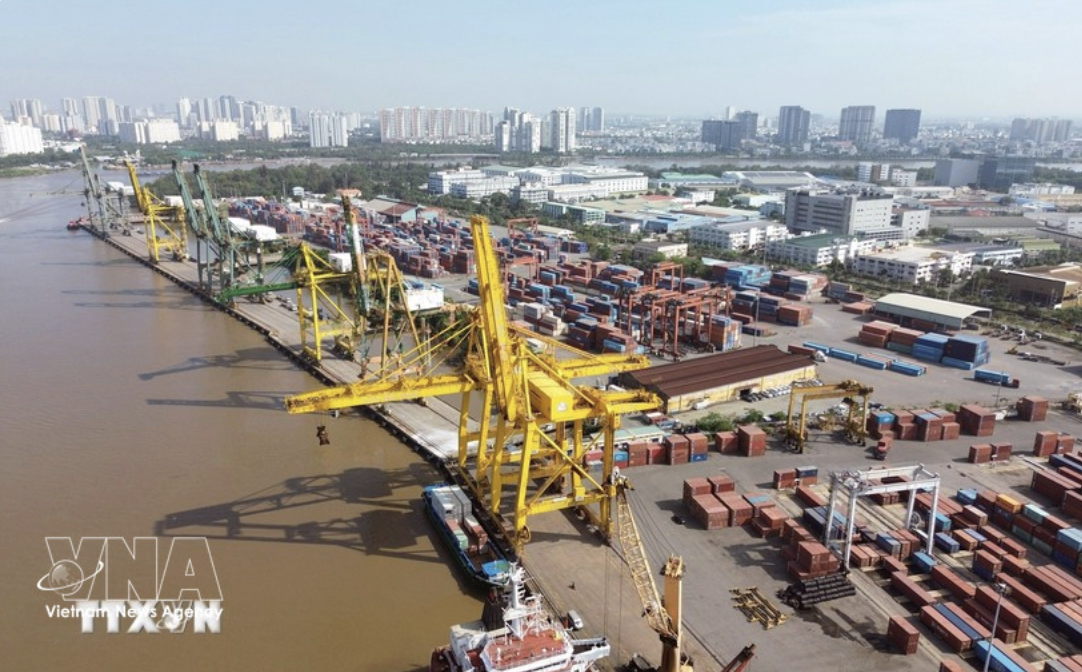
Why it matters: This crystallizes the immediate, non-linear economic costs of regional conflict, forcing global supply chains into a higher-cost, lower-reliability equilibrium that pressures margins and inventory strategies worldwide.
Context: This is the latest escalation in a pattern of maritime chokepoint vulnerability, following the prolonged Red Sea crisis, which has already stretched supply chains and institutionalized war risk premiums.
"Just days after hostilities broke out between the US – Israel alliance and Iran, a series of international shipping lines issued urgent notices to customers, suspending bookings for cargo to and from." — EN.QDND.VN
Commentary: The operational notices from carriers and the explicit rerouting around the Cape signal a shift from contingency planning to enforced reality, locking in extended lead times and cost inflation for Q2. The specific vulnerability of Vietnam’s export diversification strategy into the Middle East highlights how geopolitical friction now directly penalizes economic hedging. This forces a recalculation of just-in-time models for perishables and fashion, likely accelerating regional warehousing investments and contract renegotiations under duress.
Date: April 24, 2026 12:00 AM ET
URL: https://en.qdnd.vn/economy/news/firms-industries-grapple-with-shipping-disruptions-amid-middle-east-conflict-588435
AI Sentiment Score: Negative (83%)
AI Credibility Score: 9.0/10 — High
Scores and text generated by AI analysis of the source article indicated.
Spirit Airlines begins ‘wind-down’, cancels all flights over fuel crisis (Aljazeera)
Summary: Spirit Airlines has initiated an orderly wind-down of operations, canceling all flights immediately after a proposed White House bailout collapsed. The budget carrier’s failure, triggered by a spike in jet fuel prices linked to the Iran war, eliminates a key low-fare competitor and strands thousands of passengers. Its restructuring plan, based on fuel costs around $2.24 per gallon, became untenable as prices surged to $4.51, rendering the airline insolvent.

Why it matters: The collapse of a major low-cost carrier reshapes US airfare dynamics and exposes the fragility of airline business models to geopolitical-fueled commodity shocks.
Context: This is the largest US airline liquidation in two decades, occurring amid a broader industry contraction where carriers like Lufthansa and Air India are cutting flights and raising fares due to fuel costs.
"Spirit’s restructuring plan assumed jet fuel costs of about $2.24 a gallon in 2026 and $2.14 in 2027, but prices had climbed to about $4.51 a gallon by the end of April, leaving the carrier unable to survive without new financing." — ALJAZEERA
Commentary: Spirit’s failure demonstrates how thin-margin, high-volume models are acutely vulnerable to input cost volatility, removing a critical pricing anchor in the domestic market. The administration’s failed rescue attempt underscores the political limits of intervention when a business case evaporates. Expect immediate fare inflation on former Spirit routes and accelerated consolidation pressure among remaining low-cost carriers.
Date: Sat, 02 May 2026 08:09:27 +0000
URL: https://www.aljazeera.com/news/2026/5/2/spirit-airlines-begins-wind-down-cancels-all-flights-over-fuel-crisis?traffic_source=rss
AI Sentiment Score: Negative (80%)
AI Credibility Score: 10.0/10 — High
Scores and text generated by AI analysis of the source article indicated.
‘Turbulent and dangerous’: How shipping is the new global battleground (Aljazeera)
Summary: Geopolitical friction is transforming global shipping lanes into contested zones, eroding the rules-based maritime order established post-WWII. From Iran’s calibrated control in the Strait of Hormuz to China’s tensions with Panama-flagged vessels and strategic chokepoint toll proposals, state actions are imposing new costs and uncertainties. This politicization forces operational recalibrations—rerouting, higher insurance, and compliance burdens—while non-state actors like Houthis and pirates exploit the instability.

Why it matters: The weaponization of maritime transit directly inflates costs, disrupts supply chains, and shifts trade leverage from commercial logic to state power, affecting everything from consumer prices to national security.
Context: This follows a pattern of states using control over critical straits and canals as geopolitical levers, a trend accelerated by the Red Sea crisis and Black Sea grain disruptions.
"‘Turbulent and dangerous’: How shipping is the new global battleground From the Strait of Hormuz to Panama, the South China Sea to the Black Sea, geopolitics is rewriting the rules of global." — ALJAZEERA
Commentary: The fragmentation of maritime norms signals a broader retreat from multilateralism, where commercial viability becomes hostage to bilateral disputes. Insurers and logistics firms must now price in political volatility as a core operational risk, not an outlier. This recalibration will favor states with naval projection capabilities and resilient alternate routing, while middle powers and flag-of-convenience registries face heightened exposure.
Date: Fri, 01 May 2026 13:18:33 +0000
URL: https://www.aljazeera.com/news/2026/5/1/turbulent-and-dangerous-how-shipping-is-the-new-global-battleground?traffic_source=rss
AI Sentiment Score: Negative (66%)
AI Credibility Score: 10.0/10 — High
Scores and text generated by AI analysis of the source article indicated.
Will the Iran war end Strait of Hormuz oil supremacy? (Dw)
Summary: The closure of the Strait of Hormuz following the outbreak of a US-Israel war with Iran has stranded tankers and choked off roughly a fifth of global energy supply, replicating the vulnerability last seen in the 1980s Iran-Iraq war. In response, Gulf states are accelerating plans for bypass infrastructure, with Saudi Arabia and the UAE maximizing existing pipeline capacity and planning new routes, while landlocked states like Kuwait and Qatar face more complex geopolitical hurdles. International bodies like the IEA are pushing for new regional pipelines, such as a major route from Iraq to Turkey, and overland rail networks are being expanded to provide alternative freight corridors. The crisis is testing whether financial power can overcome political and logistical constraints to permanently reduce reliance on the chokepoint.
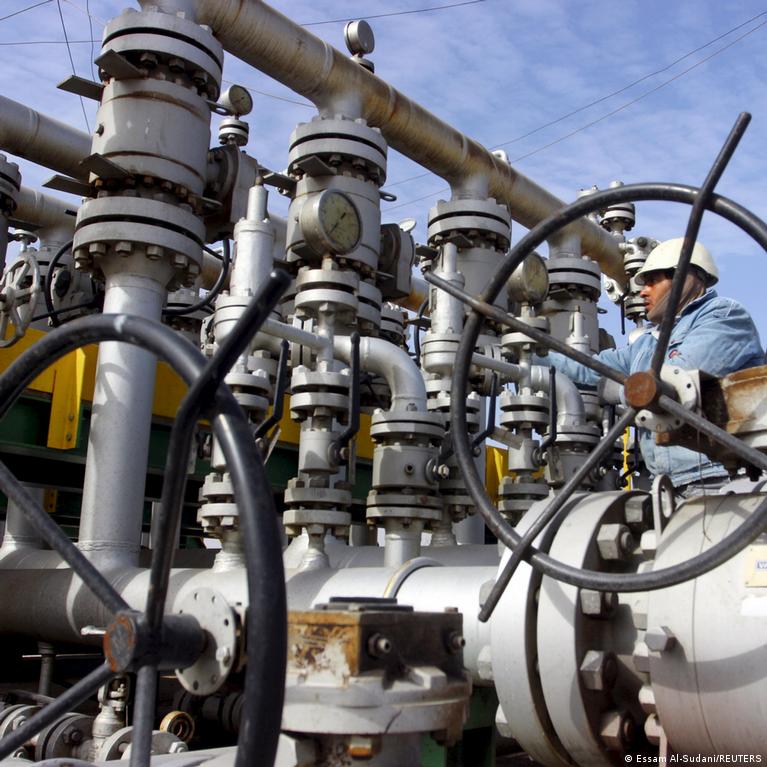
Why it matters: The strategic shift away from Hormuz would reconfigure global energy logistics, alter regional power dynamics, and force a recalculation of energy security for importers like China, India, and the EU.
Context: This is the second major stress test for Hormuz in four decades, revealing a persistent structural vulnerability that Gulf states have long planned to mitigate but have been slow to implement at scale due to cost and political friction.
"Before the war, about 15 million barrels per day of crude went through the strait," Mills told DW. "You would need to double [current pipeline capacity] to get all of the original crude exports out." — DW
Commentary: The crisis has moved bypass plans from theoretical contingency to urgent necessity, but the quoted capacity gap underscores that a full decoupling from Hormuz is a multi-year, multi-trillion-dollar project. The divergent timelines—Saudi and UAE projects within a couple of years versus the politically fraught, decade-long pipelines needed for Qatar and Kuwait—will create a tiered resilience among Gulf producers, reshaping their relative strategic value and bargaining power. This scramble also provides a tangible, crisis-driven accelerant for regional infrastructure integration, from the GCC Railway to cross-border pipelines, that diplomacy alone has failed to advance.
URL: https://www.dw.com/en/will-the-iran-war-end-strait-of-hormuz-oil-supremacy/a-76893004?maca=en-rss-en-all-1573-rdf
AI Sentiment Score: Negative (80%)
AI Credibility Score: 10.0/10 — High
Scores and text generated by AI analysis of the source article indicated.
Germany prepares for mission in the Strait of Hormuz (Dw)
Summary: Germany is pre-positioning the minesweeper Fulda for potential deployment to the Strait of Hormuz, where Iranian mines are suspected of blocking a critical global trade chokepoint, driving up energy prices. The move is preparatory, awaiting both a parliamentary mandate and an end to the US-Israel war with Iran. The German Navy, already stretched thin, highlights that such a mission would require protective escorts and close cooperation with the United States.
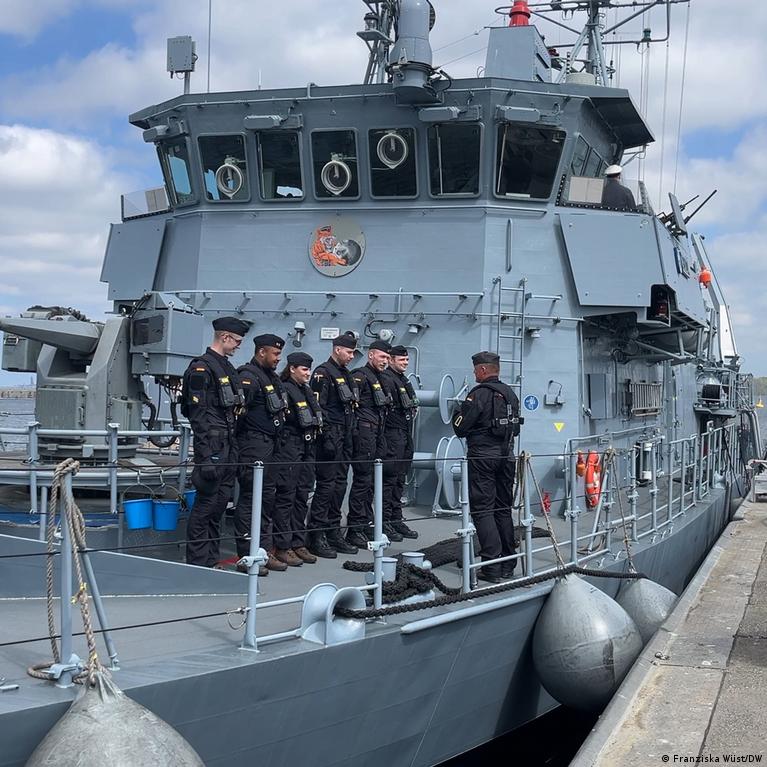
Why it matters: A German-led mine-clearing operation could be pivotal in reopening a key energy artery, but its feasibility hinges on unresolved political and military conditions.
Context: Germany holds niche, high-value expertise in naval mine clearance, a capability in short supply within NATO. Any overseas Bundeswehr deployment requires strict constitutional and parliamentary approval.
"A new mission always comes at the expense of a previous one." — DW
Commentary: The operational calculus reveals a strained Bundeswehr trading off commitments, not adding capacity. Germany’s conditional offer—post-conflict and US-dependent—frames its participation as a political tool for managing alliance pressure and economic fallout, rather than an immediate intervention.
URL: https://www.dw.com/en/germany-prepares-for-mission-in-the-strait-of-hormuz/a-77054325?maca=en-rss-en-all-1573-rdf
AI Sentiment Score: Positive (50%)
AI Credibility Score: 10.0/10 — High
Scores and text generated by AI analysis of the source article indicated.
India hikes petrol, diesel prices as economic woes from Iran war mount (Dw)
Summary: India’s state-run fuel retailers have increased petrol and diesel prices for the first time in four years, citing losses from elevated global crude prices linked to the Iran conflict. The hike follows Prime Minister Narendra Modi’s public appeal for austerity, including reduced fuel consumption and work-from-home measures. The move is framed as a necessary economic shield but has drawn political criticism over its timing post-elections.
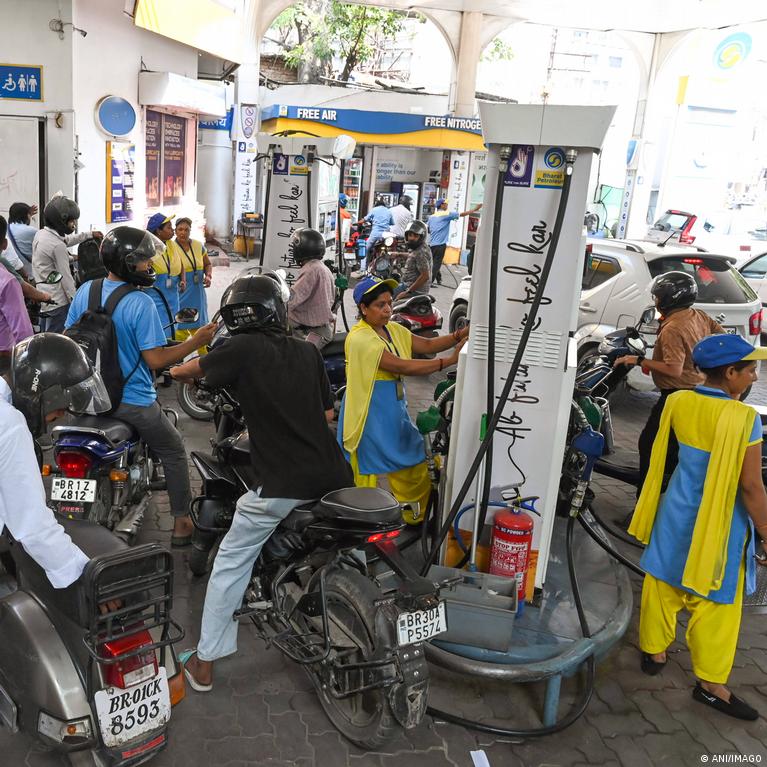
Why it matters: The price adjustment signals a shift in India’s fiscal management of external shocks, with direct implications for inflation, domestic demand, and the operational resilience of both public and private sectors reliant on transport and energy.
Context: India is a major oil importer facing dollar shortages; state-controlled pricing has historically been used as a political tool, with adjustments often deferred during election cycles.
"India hikes petrol, diesel prices as economic woes mount May 15, 2026India’s state-run fuel retailers raised the prices of petrol and diesel on Friday — the first time since the war in." — DW
Commentary: The move from price suppression to managed pass-through reflects the unsustainable fiscal drag of prolonged conflict premiums. The coordinated austerity directives—from ministerial convoy reductions to mandated remote work—suggest a calibrated shift from market insulation to demand destruction, testing public compliance with state-led conservation. For global supply chains and regional stability, India’s pivot indicates a broader recalculation among net importers facing protracted Middle East volatility.
URL: https://www.dw.com/en/india-hikes-petrol-diesel-prices-as-economic-woes-from-iran-war-mount/a-77166898?maca=en-rss-en-all-1573-rdf
AI Sentiment Score: Negative (50%)
AI Credibility Score: 10.0/10 — High
Scores and text generated by AI analysis of the source article indicated.
Austrian Airlines keeps Middle East routes grounded … (Visahq)
Summary: Austrian Airlines, a Lufthansa Group carrier, has extended its blanket suspension of flights to nine Middle Eastern destinations, including Dubai and Tel Aviv, until at least late October 2026. This removes a key European hub option for travel to the Gulf and Levant during the peak summer season. The operational decision, attributed to regional instability, forces passengers onto partner airlines with already-tight inventory, complicating corporate mobility and introducing Schengen visa-compliance risks for non-EU travelers due to extended routings.

Why it matters: The prolonged grounding of a major European hub’s Middle East network reshapes corporate travel logistics, tightens capacity in high-demand markets, and introduces new compliance friction for global mobility.
Context: This is part of a broader, risk-averse recalibration by European network carriers, shifting capacity to more stable trans-Atlantic and intra-European routes while ceding volatile regional markets to Gulf and Turkish carriers.
"AUA says affected passengers are being re-protected on Star Alliance partners where operationally possible, but warns that inventory into high-demand Gulf markets is already tight." — VISAHQ
Commentary: The move signals a durable retreat by a legacy European carrier from competitive but geopolitically sensitive routes, effectively outsourcing that connectivity to alliance partners and rivals. This creates a supply pinch for corporate travel managers precisely when demand is peaking, while the Schengen-visa complications illustrate how aviation disruptions now cascade directly into border-policy administration for travelers.
Date: April 26, 2026 12:00 AM ET
URL: https://www.visahq.com/news/2026-04-25/at/austrian-airlines-keeps-middle-east-routes-grounded-through-october-2026-as-lufthansa-group-widens-suspension/
AI Sentiment Score: Negative (66%)
AI Credibility Score: 10.0/10 — High
Scores and text generated by AI analysis of the source article indicated.
How the Iran war is hurting travelers, airline industry (Dw)
Summary: The conflict in Iran has choked the Strait of Hormuz, doubling jet fuel prices and threatening European aviation with a supply crunch. Airlines are responding with surcharges and flight cuts, while industry groups lobby for regulatory relief. The European Commission has initiated coordination measures, but the crisis exposes the fragility of a just-in-time fuel supply chain dependent on a single geopolitical chokepoint.
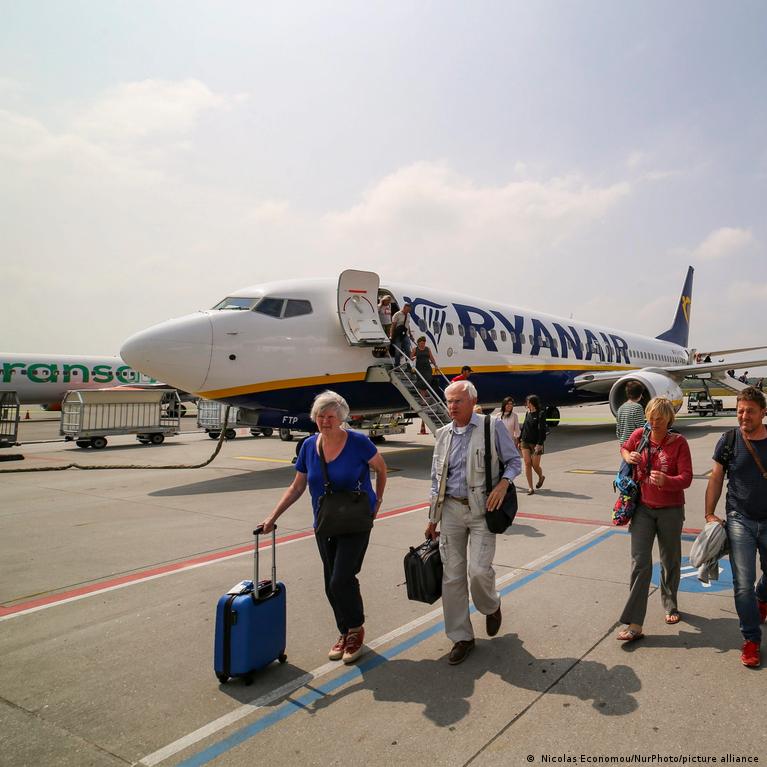
Why it matters: This is a systemic shock to global mobility, reshaping travel economics and testing the resilience of critical infrastructure.
Context: The aviation industry’s thin margins and heavy reliance on Middle Eastern fuel corridors make it acutely vulnerable to regional conflict.
""If fuel prices, which represent 25% to 50% of an airline’s total operating expenses, remain high and airlines have not hedged, they could go bankrupt," she said." — DW
Commentary: The scramble for EU-wide coordination and the push to suspend environmental rules reveal a sector prioritizing immediate survival over transition. The real signal is the shift from market logic to managed allocation, a wartime posture for a peacetime industry.
URL: https://www.dw.com/en/how-the-iran-war-is-hurting-travelers-airline-industry/a-77000742?maca=en-rss-en-all-1573-rdf
AI Sentiment Score: Negative (75%)
AI Credibility Score: 10.0/10 — High
Scores and text generated by AI analysis of the source article indicated.
Four reported killed, 30 injured, in Kenyan fuel price protests (Aljazeera)
Summary: Nationwide protests and a transport strike have paralyzed major Kenyan cities following a second consecutive month of sharp fuel price hikes, with the government reporting four deaths and 30 injuries. The unrest, driven by private bus operators and commuters, reflects acute economic strain as higher fuel costs cascade into food and basic goods. Interior Minister Kipchumba Murkomen frames the protests as hijacked by political actors, while opposition figures accuse the government of profiteering.

Why it matters: This unrest signals a critical stress point in a key East African economy, where imported fuel price volatility directly translates into urban gridlock and political instability, with regional spillover effects for trade and mobility.
Context: Protests over economic policy have grown increasingly lethal in Kenya, with a crackdown on tax protests in June 2024 reportedly killing at least 60 people, indicating a pattern of state response that escalates rather than mitigates public anger.
"Kenya hiked retail fuel prices by as much as 23.5 percent last week, following a 24.2 percent rise last month." — ALJAZEERA
Commentary: The government’s attribution of price hikes to global volatility, specifically Iran’s closure of the Strait of Hormuz, is a direct geopolitical cost transfer to a population with minimal fiscal buffer. The operational consequence is not just protest but a systemic breakdown of urban mobility, forcing a recalculation of supply chain and business continuity plans for any entity operating in the region.
Date: Mon, 18 May 2026 20:12:06 +0000
URL: https://www.aljazeera.com/news/2026/5/18/four-reported-killed-30-injured-in-kenyan-fuel-price-protests?traffic_source=rss
AI Sentiment Score: Negative (66%)
AI Credibility Score: 10.0/10 — High
Scores and text generated by AI analysis of the source article indicated.
Kenya fuel protests turn deadly amid Iran war disruptions (Dw)
Summary: Deadly protests and a nationwide public transport strike have paralyzed Kenya, triggered by a 23.5% fuel price increase. This follows a 24.2% hike last month, with both linked to the closure of the Strait of Hormuz due to the Iran war, which has choked off Gulf fuel imports. The unrest stranded commuters in Nairobi and Mombasa, raised supply-chain fears, and saw police use tear gas. The government, reliant on fuel taxes to service debt, has spent $38.5 million on subsidies but faces public fury over the cascading cost of living.

Why it matters: It demonstrates how a distant geopolitical choke point can rapidly destabilize a major African economy, testing fiscal resilience and public order.
Context: Kenya is a bellwether for non-oil-producing African nations dependent on imported fuel, where price shocks translate directly into political risk and urban paralysis.
"Kenya is one of many African countries which depend on fuel imports from the Gulf, suspended amid the continued closure of the Strait of Hormuz." — DW
Commentary: The crisis exposes the fragility of government-to-government fuel deals when the physical supply chain is severed. Nairobi’s fiscal bind—needing high fuel taxes to service debt while facing public revolt—creates a near-impossible policy choice, likely forcing austerity elsewhere or risking further unrest. The spillover into port operations in Mombasa signals imminent supply-chain delays for regional trade.
URL: https://www.dw.com/en/kenya-fuel-protests-turn-deadly-amid-iran-war-disruptions/a-77202954?maca=en-rss-en-all-1573-rdf
AI Sentiment Score: Negative (66%)
AI Credibility Score: 10.0/10 — High
Scores and text generated by AI analysis of the source article indicated.
More than 40 Iranian seafarers killed during US-Israeli war: Union leader (Aljazeera)
Summary: The head of the Iranian Merchant Mariners Syndicate claims over 40 Iranian civilian seafarers have been killed since late February, attributing the casualties to US and Israeli attacks on ports and commercial fleets. The union has submitted complaints to the International Maritime Organization, detailing deaths among sailors, fishermen, and dock workers. The broader conflict has effectively closed the Strait of Hormuz, stranding thousands of seafarers and creating a severe humanitarian crisis. Despite a US-Iran ceasefire, a US naval blockade persists, and incidents of vessel seizures and attacks by both sides continue.

Why it matters: Civilian casualties and the prolonged closure of a critical global chokepoint directly impact maritime labor, energy markets, and the legal norms governing conflict at sea.
Context: The Strait of Hormuz is a perennial flashpoint; its closure disrupts a fifth of global energy exports and strands international crews, turning commercial shipping into a direct extension of state conflict.
"“The humanitarian crisis is affecting all seafarers in the Persian Gulf, including the crews of Iranian-flagged ships. However, they [Iranian seafarers] face a unique and terrifying set of pressures,” Rezaei said." — ALJAZEERA
Commentary: The union’s public attribution of specific civilian casualties to state militaries, and its appeal to the IMO, represents a tactical shift toward legal and humanitarian pressure in a conflict where commercial shipping is both target and weapon. The reported detention of women and a child aboard the MV Touska, if verified, further blurs the line between military blockade and humanitarian crisis, testing the limits of international maritime law under sanctions regimes.
Date: Fri, 01 May 2026 09:49:28 +0000
URL: https://www.aljazeera.com/news/2026/5/1/more-than-40-iranian-seafarers-killed-during-us-israeli-war-union?traffic_source=rss
AI Sentiment Score: Negative (83%)
AI Credibility Score: 10.0/10 — High
Scores and text generated by AI analysis of the source article indicated.
Booking Flights for this Summer? What to Know About the Fuel Crisis (Cntraveler)
Summary: A jet fuel shortage in Europe, compounded by prices doubling since February, is forcing airlines to trim schedules strategically. Carriers like United, Delta, Air Canada, KLM, and Lufthansa are cutting low-demand routes and off-peak flights, focusing reductions on regional jets and less profitable connections. While major destinations remain largely intact, the crisis introduces new volatility for summer travel, particularly for multi-leg itineraries in Europe and Asia.

Why it matters: The operational adjustments by airlines directly affect travel reliability and cost for summer plans, while the fuel shortage signals broader supply chain fragility with geopolitical roots.
Context: This follows a pattern of aviation industry stress-testing, where external shocks—from pandemic recovery to regional conflicts—rapidly translate into network rationalization and fare pressure.
"Jet fuel prices have more than doubled since the start of the Iran war in late February, costing airlines billions of dollars and leading to a rise in global airfare. Now, a." — CNTRAVELER
Commentary: The IEA’s six-week warning is less a precise countdown than a signal of acute systemic strain; airlines’ targeted cuts to regional and off-peak service function as a pressure-release valve, preserving core revenue streams while offloading marginal capacity. This selective pruning, evident in Lufthansa’s 20,000 short-haul cancellations and United’s off-peak reductions, creates a two-tier travel landscape where primary hubs remain robust but secondary connectivity frays. The strategic retreat from thin routes, like Air Canada’s US suspensions, underscores how fuel economics now dictate network geography, potentially reshaping regional tourism and business travel patterns beyond the summer.
Date: Tue, 28 Apr 2026 20:49:15 +0000
URL: https://www.cntraveler.com/story/booking-flights-for-this-summer-what-to-know-about-the-fuel-crisis
AI Sentiment Score: Negative (66%)
AI Credibility Score: 10.0/10 — High
Scores and text generated by AI analysis of the source article indicated.
Trump says he called off new Iran attack at request of Gulf states (Bbc)
Summary: President Trump announced he called off a planned military attack on Iran at the request of Gulf Arab states, citing ongoing negotiations. He warned the US remains prepared for a ‘full, large scale assault’ if a deal is not reached, while Iranian leadership cautioned against ‘strategic mistakes’. The announcement follows declining domestic support for the war and occurs amidst a fragile ceasefire, with Iran maintaining control of the Strait of Hormuz and both sides exchanging proposals through mediators.

Why it matters: The decision directly impacts global energy security via the Strait of Hormuz, recalibrates Gulf state diplomacy, and signals a potential shift in US strategy from military escalation to negotiated containment of Iran’s nuclear program.
Context: This follows a period of sustained military exchanges and a blockade, with public war fatigue in the US and regional actors seeking to avoid further escalation that would threaten critical infrastructure.
"Trump says he called off new Iran attack at request of Gulf states US President Donald Trump has said he is holding off a military attack on Iran planned for Tuesday at." — BBC
Commentary: The Gulf states’ intervention reveals their primary calculus: regional stability and the security of their own infrastructure now outweighs any strategic benefit from a US-led strike. Trump’s public deference to them, while maintaining a threat posture, suggests a tactical pivot leveraging negotiation over force, likely influenced by domestic polling. The real test is whether this creates a durable channel for de-escalation or merely pauses the conflict while both sides harden their positions.
Date: Mon, 18 May 2026 22:30:58 GMT
URL: https://www.bbc.com/news/articles/c7079e55zjro
AI Sentiment Score: Negative (71%)
AI Credibility Score: 10.0/10 — High
Scores and text generated by AI analysis of the source article indicated.
Chokepoints as Weapons – The Nation (Nation.Pk)
Summary: The Strait of Hormuz is being weaponized as a strategic chokepoint, moving beyond kinetic warfare to calibrated economic coercion. This ‘economic denial warfare’ leverages global interdependence to inflict systemic shocks, spiking energy prices, disrupting critical supply chains like helium from Qatar, and straining aviation and logistics. The effects cascade instantly across continents, demonstrating that regional disruptions are now global economic events.

Why it matters: This shift redefines geopolitical risk for markets, supply chains, and policy, making maritime chokepoints central to global economic stability and national security calculations.
Context: The strategic use of waterways has historical precedent, but today’s deeply integrated global systems of finance, logistics, and production amplify the consequences exponentially.
"The contemporary international system is undergoing a subtle but consequential transformation in the conduct of warfare. The recent confrontation involving Israel, the United States and Iran has exposed a strategic shift that." — NATION.PK
Commentary: The doctrine of ‘economic denial warfare’ renders the concept of selective decoupling a strategic fantasy; the global system’s efficiency has created a structural vulnerability where coercion is outsourced to market mechanisms. This forces a recalibration of resilience planning for corporations and states, moving critical input redundancy from a cost-center to a core security imperative.
Date: April 24, 2026 12:00 AM ET
URL: https://www.nation.com.pk/24-Apr-2026/chokepoints-weapons
AI Sentiment Score: Negative (75%)
AI Credibility Score: 9.0/10 — High
Scores and text generated by AI analysis of the source article indicated.
Post ID: ca07aaef