

Digital Privacy & Data Regulation
Websites break California privacy law at ‘industrial scale,’ survey finds (Themarkup)
Summary: A webXray audit of over 7,000 popular websites accessed from California found widespread failure to honor the Global Privacy Control (GPC) signal, a core requirement of the California Consumer Privacy Act. The report alleges ‘industrial-scale noncompliance,’ with Google ignoring the signal in 86% of cases, Microsoft in 50%, and Meta’s trackers failing to check for it at all. The researchers state these failures could be remedied with minor code changes. The implicated companies dispute the findings, arguing compliance or operational necessity.

Why it matters: This quantifies the enforcement gap for a foundational privacy right, revealing that statutory compliance may be largely performative for major platforms, shifting the regulatory risk calculus for the CPPA and litigants.
Context: The CPPA has begun levying fines for GPC violations, but this survey suggests the problem is systemic, not isolated, challenging the efficacy of a consent-based regulatory model against entrenched tracking architectures.
"The Markup, now a part of CalMatters, uses investigative reporting, data analysis, and software engineering to challenge technology to serve the public good. Sign up for Klaxon, a newsletter that delivers our." — THEMARKUP
Commentary: The report’s methodology and the researcher’s pedigree force a confrontation between legal theory and technical reality: if GPC compliance is trivial to implement but systematically absent, the violation is strategic, not accidental. This creates a direct enforcement problem for the CPPA—pursuing billions in theoretical fines would overwhelm its capacity, yet inaction undermines the law’s credibility. The corporate rebuttals, focusing on ‘operational purposes’ and ‘misunderstanding,’ preview the legal defenses that will define the coming wave of enforcement actions and private litigation, testing whether ‘compliance’ can be redefined by the tracked rather than the tracker.
Date: Tue, 21 Apr 2026 08:00:00 -0400
URL: https://themarkup.org/privacy/2026/04/21/websites-break-california-privacy-law-at-industrial-scale-survey-finds
AI Sentiment Score: Negative (83%)
AI Credibility Score: 10.0/10 — High
Scores and text generated by AI analysis of the source article indicated.
It’s easier for Californians to escape data brokers following a Markup investigation (Themarkup)
Summary: Following a 2023 investigation by The Markup and CalMatters, which revealed 35 data brokers were using ‘no-index’ code to hide their consumer data deletion pages from search engines, a new review shows only eight continue the practice. A subsequent Senate investigation, led by Senator Maggie Hassan, prompted engagement from five major brokers, four of whom agreed to make their pages visible; the fifth, Findem, later complied. The Senate committee’s report estimates consumers have lost over $20 billion from fraud and identity theft linked to broker data breaches. One formerly non-compliant broker, BrightCheck, now has a broken opt-out page and has vanished from California’s registry.
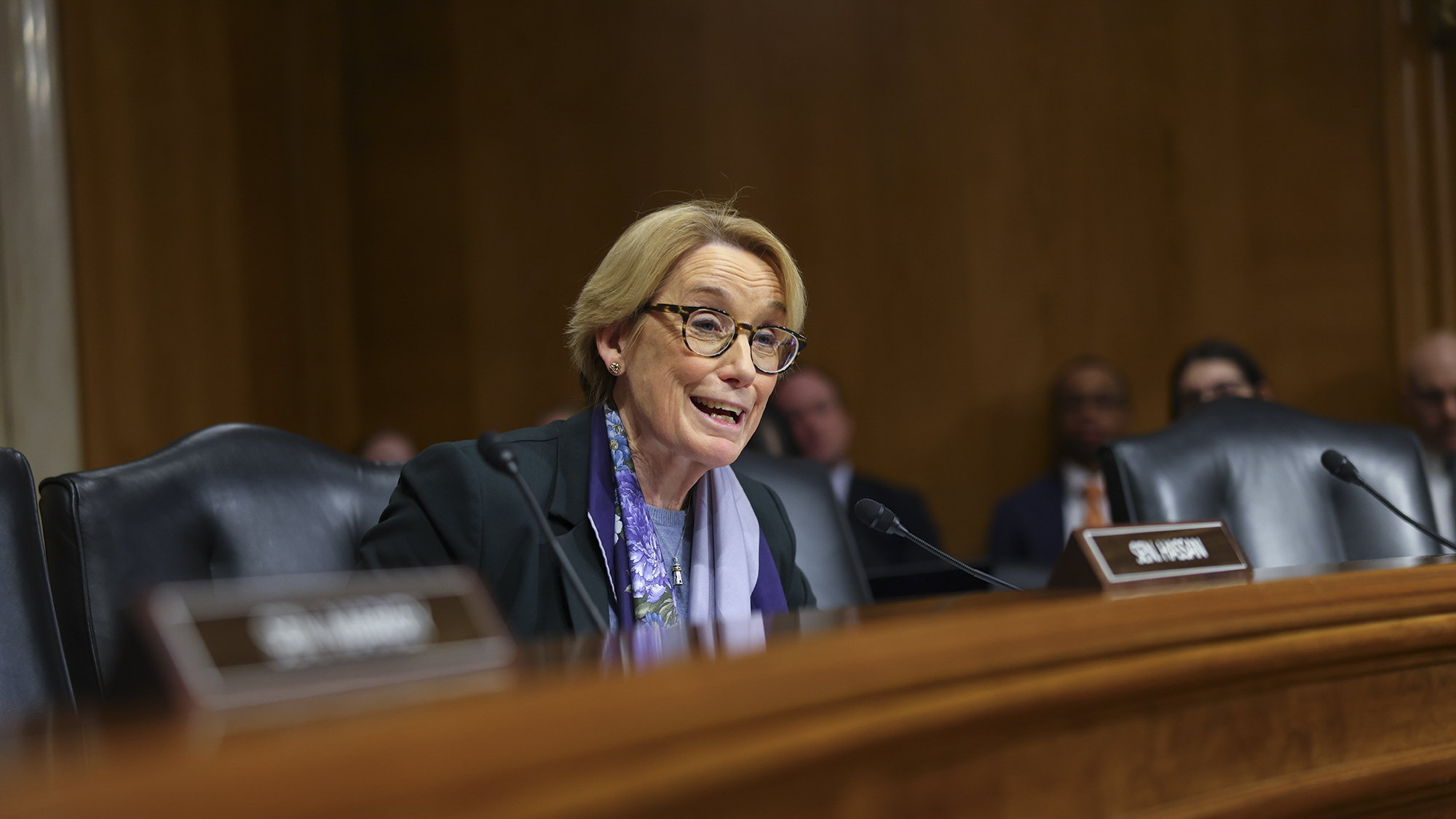
Why it matters: This demonstrates that targeted, public-facing investigative reporting combined with focused legislative pressure can materially alter corporate compliance behavior, even in a sector known for opacity, directly affecting consumer access to privacy rights.
Context: California’s Consumer Privacy Act (CCPA) mandates that registered data brokers provide a clear mechanism for data deletion requests, but enforcement has historically relied on consumer discovery of these mechanisms, creating an incentive for brokers to obscure them.
"The Markup, now a part of CalMatters, uses investigative reporting, data analysis, and software engineering to challenge technology to serve the public good. Sign up for Klaxon, a newsletter that delivers our." — THEMARKUP
Commentary: The rapid shift by 27 brokers signals that the cost of non-compliance—reputational damage and political scrutiny—outweighed the benefit of obscuring opt-out paths. However, the persistence of eight holdouts, and the emergence of new evasion tactics like broken pages and registry delisting, indicates the compliance landscape remains a cat-and-mouse game. The $20 billion fraud estimate cited by the Senate committee provides a potent, quantifiable rationale for stricter oversight, potentially shifting future regulatory debates from abstract privacy concerns to concrete financial harm.
Date: Fri, 22 May 2026 08:00:00 -0400
URL: https://themarkup.org/privacy/2026/05/22/its-easier-for-californians-to-escape-data-brokers-following-a-markup-investigation
AI Sentiment Score: Negative (66%)
AI Credibility Score: 10.0/10 — High
Scores and text generated by AI analysis of the source article indicated.
Background checks to curb dating app violence advance in California legislature (Themarkup)
Summary: The California Senate’s public safety committee has advanced SB 435, a bill requiring online dating services to conduct criminal background checks on users within the state. If a user is a registered sex offender or has been convicted of specified violent crimes, the platform must flag their profile. The bill, authored by Senator Caroline Menjivar, is framed as a direct response to documented incidents of sexual assault and violence linked to dating apps. It now moves to the privacy committee, where significant amendments are promised to address operational and privacy concerns raised by critics, including industry groups and Senator Scott Wiener.

Why it matters: This bill represents a novel, aggressive regulatory intervention into platform moderation, shifting the onus for user safety from individual vigilance to mandated platform screening with public-facing consequences.
Context: This legislative push follows investigative reporting, including from The Markup, alleging that major dating app companies like Match Group have systematically failed to remove users accused of sexual violence. It tests the boundaries of Section 230 liability shields in the context of proactive, state-mandated user vetting.
"If the user is a registered sex offender or has been convicted of a violent felony, domestic violence, an assault or a hate crime, the dating service must “place a flag” on the user’s profile to let others know." — THEMARKUP
Commentary: The operational lift for platforms—collecting verified real-world identity data to avoid misidentification—creates a significant compliance cost and data privacy risk surface. More consequentially, the ‘scarlet letter’ mechanism formalizes a reputational blacklist, creating a direct, state-enforced link between criminal record and access to a core social infrastructure. This moves beyond content moderation into preemptive identity adjudication, setting a precedent other states and advocacy groups will likely cite, regardless of the bill’s final fate.
Date: Fri, 17 Apr 2026 14:00:00 -0400
URL: https://themarkup.org/news/2026/04/17/dating-apps-would-bestow-scarlet-letter-under-safety-bill-advancing-in-the-california-legislature
AI Sentiment Score: Positive (40%)
AI Credibility Score: 10.0/10 — High
Scores and text generated by AI analysis of the source article indicated.
EFFecting Change: LGBTQ+ Solidarity Against the Tide of Surveillance (Eff)
Summary: The Electronic Frontier Foundation is hosting a livestream panel titled ‘LGBTQ+ Solidarity Against the Tide of Surveillance.’ The event, featuring EFF’s Jillian C. York and lawyer Paige Collings, will focus on the intersection of state and corporate surveillance, platform policies, and their disproportionate impact on LGBTQ+ communities. The discussion aims to move from analysis to concrete strategies for building safer virtual spaces and demanding platform accountability.

Why it matters: For policy specialists, this signals a strategic pivot by a major digital rights organization toward framing surveillance and censorship as intersectional issues, which could reshape advocacy coalitions and regulatory pressure points.
Context: This event occurs against a backdrop of increasing legislative targeting of LGBTQ+ communities in the U.S. and globally, coupled with platform enforcement that often inadvertently or deliberately censors marginalized voices under pressure.
"Her work focuses on highlighting how state surveillance and corporate restrictions stifle marginalized communities and perpetuate historic injustices and harm." — EFF
Commentary: The EFF is explicitly linking digital rights advocacy to broader social justice movements, a tactical shift that could amplify its influence but also risks alienating more libertarian factions within its base. The focus on ‘concrete strategies’ and ‘platform accountability’ suggests a move beyond mere critique toward actionable policy proposals and direct action, potentially influencing future FTC complaints or state-level digital protection legislation. This framing directly challenges the notion of ‘neutral’ platform governance and positions content moderation as a civil rights issue.
Date: Mon, 18 May 2026 20:20:36 +0000
URL: https://www.eff.org/event/effecting-change-lgbtq-solidarity-against-tide-surveillance
AI Sentiment Score: Negative (75%)
AI Credibility Score: 10.0/10 — High
Scores and text generated by AI analysis of the source article indicated.
Post ID: d2b46a9b