Fashion Business Operations & Market Pressures
Where to invest, sell and set boundaries: The 6 truths guiding brands’ next steps (Glossy.Co)
Summary: Brand and retail executives at the Glossy E-Commerce Summit outlined a pragmatic, post-hype operational pivot. The focus has shifted from AI as a speculative novelty to its concrete integration into internal workflows and the emerging ‘agentic commerce’ channel. Concurrently, discovery is migrating from traditional SEO to generative and answer engine optimization (GEO/AEO), forcing backend data restructuring. Brand differentiation is increasingly tied to authentic human connection and micro-creator communities, while distribution strategy favors synergistic omnichannel ecosystems over channel conflict.

Why it matters: This signals a maturation phase where AI and platform shifts are no longer optional experiments but core operational requirements, directly impacting staffing, vendor selection, content production, and channel management.
Context: The discourse follows a period of AI hype, moving into a phase of practical implementation and ROI measurement, coinciding with a broader industry reassessment of influencer marketing efficacy and discount-driven growth.
"At this month’s Glossy’s E-Commerce Summit in Miami, brand and retail executives used town hall and interactive speaker discussions to workshop their next strategies, with considerations including the rise of AI, the." — GLOSSY.CO
Commentary: The shift from SEO to GEO/AEO is not a marketing tactic but a fundamental data architecture problem. Product teams must now engineer metadata and content for machine interpretation first, which will reallocate resources from traditional marketing copy to structured data teams. This creates a new vendor category for GEO/AEO optimization tools and pressures legacy CMS and PIM systems. The ‘halo effect’ data from TikTok driving in-store traffic six times more than Amazon provides a concrete metric for reallocating trade marketing budgets away from pure-play digital platforms toward social commerce as a demand-generation engine.
Date: June 12, 2026 12:00 AM ET
URL: https://www.glossy.co/fashion/where-to-invest-sell-and-set-boundaries-the-6-truths-guiding-brands-next-steps/
AI Sentiment Score: Neutral (33%)
AI Credibility Score: 10.0/10 — High
Scores and text generated by AI analysis of the source article indicated.
Shaken By A Slowdown, Luxury Retailers Focus On Just 3 U.S. Cities (Bisnow)
Summary: Facing a K-shaped economic recovery and declining revenues, luxury retailers are retreating from a recent strategy of expansion into secondary U.S. markets. They are now concentrating new store openings overwhelmingly on just five established corridors: Rodeo Drive, Madison Avenue, Fifth Avenue, Bal Harbour, and the Miami Design District. This contraction reflects the evaporation of aspirational middle-class spending and a flight to security among the top 10% of consumers. The result is a hyper-competitive, ‘winner-take-all’ scramble for space in these few proven locations, creating a significant barrier to entry for any brand seeking a U.S. luxury foothold.

Why it matters: For brand strategists, real estate teams, and retail planners, this geographic contraction fundamentally reshapes market entry calculus, lease negotiation leverage, and physical footprint strategy.
Context: This reverses a post-pandemic trend where luxury brands expanded into cities like Atlanta and Dallas to capture aspirational shoppers, a segment now largely absent due to inflation and a tenuous job market.
"Only five corridors — Rodeo Drive, New York City’s Madison Avenue and Fifth Avenue, and Miami’s Bal Harbour and the Miami Design District — accounted for 80% of luxury retail openings in 2025." — BISNOW
Commentary: The practical consequence is a severe supply constraint: expansion ambition is now gated by physical vacancy in a handful of streets, forcing brands to pay premium rents or accept secondary locations, which undercuts the very prestige logic driving the retreat. For European houses aiming to grow U.S. share, this creates a zero-sum game against entrenched incumbents, likely accelerating consolidation and pressuring margins. The shift also signals a deeper strategic pivot from growth-at-all-costs to defensible, high-conviction capital allocation focused solely on the ultra-wealthy.
Date: April 22, 2026 12:00 AM ET
URL: https://www.bisnow.com/national/news/retail/luxury-retailers-focusing-in-on-haute-us-real-estate-corridors-amid-space-crunch-134248
AI Sentiment Score: Negative (57%)
AI Credibility Score: 10.0/10 — High
Scores and text generated by AI analysis of the source article indicated.
Apparel’s 2026 margin playbook: The great SKU diet – Textile Fashion News Fibre2Fashion (Fibre2Fashion)
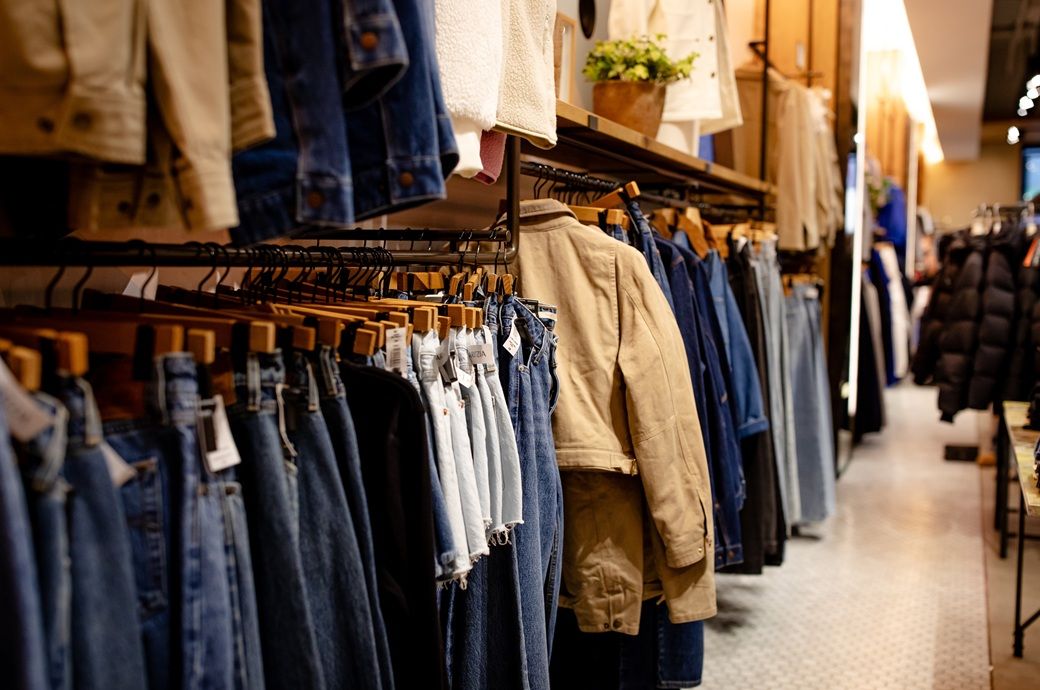
Summary: Apparel brands are shifting from broad seasonal assortments to leaner, data-driven inventory models focused on faster replenishment and tighter SKU discipline. This moves the competitive edge from lowest-cost sourcing to supply-chain responsiveness and inventory precision. Mills and manufacturers must adapt to smaller, repeatable, and quicker-turn orders instead of speculative bulk runs.
Why it matters: This shift redefines the operational playbook for brands, manufacturers, and suppliers, directly impacting production schedules, cash flow, and margin preservation.
Context: The trend follows years of margin pressure from overstock and markdowns, accelerated by post-pandemic supply chain volatility and real-time demand analytics.
"The apparel business is entering a harder, cleaner phase. The old model, comprising wider assortments, bigger seasonal buys and deeper end-of-season clearance, is giving way to a leaner operating code: fewer SKUs, sharper demand reads and replenishment that moves before markdowns eat the margin." — FIBRE2FASHION
Commentary: This forces a structural realignment: design teams must prioritize core over novelty, sourcing must lock in flexible capacity over cheap volume, and finance must fund agility over bulk discounts. Factories that built scale for large seasonal orders now face a capability gap, while logistics partners gain leverage. The margin playbook is now a throughput game.
Date: May 08, 2026 12:00 AM ET
URL: https://www.fibre2fashion.com/news/textile-news/apparel-s-2026-margin-playbook-the-great-sku-diet-310177-newsdetails.htm?amp=true
AI Sentiment Score: Negative (66%)
AI Credibility Score: 10.0/10 — High
Scores and text generated by AI analysis of the source article indicated.
Chaos and confusion in the Strait of Hormuz could drive apparel production costs up 15% (Glossy.Co)
Summary: Geopolitical instability in the Strait of Hormuz has halted commercial shipping, creating a chokepoint for apparel and textiles moving from South Asian manufacturing hubs to key Western and Middle Eastern markets. The imposition of new Iranian tolls and U.S. sanctions threats has paralyzed carriers, forcing reroutes around Africa that add up to a month in transit. Industry analysts project a 10-15% increase in textile production costs and a 30-50% surge in shipping rates, directly threatening the seasonal inventory cycles and margin structures of global fashion brands.

Why it matters: For fashion operations, this translates into immediate, material increases in landed costs, severe lead-time uncertainty, and potential stock imbalances that force markdowns or air freight premiums.
Context: This follows the established pattern of Red Sea disruptions, where cost impacts lagged the initial crisis by 60 days, catching many brands unprepared.
"According to the Business and Human Rights Centre, global textile production costs are likely to increase by 10-15% as delays continue. The United Nations Conference on Trade and Development expects shipping costs alone to increase 30-50% in the near future." — GLOSSY.CO
Commentary: The operational consequence is a forced shift from cost-optimized just-in-time logistics to a risk-mitigation posture: forwarders must now provide SKU-level landed-cost reports including war-risk surcharges, procurement must lock in committed allocations despite high rates, and inventory planning must model in weeks-of-supply, not dollars. Brands with thin margins will face a brutal choice between air freight for seasonality or ocean reroutes for cost, restructuring the economics of fast fashion itself.
Date: Fri, 08 May 2026 21:27:47 +0000
URL: https://www.glossy.co/fashion/chaos-and-confusion-in-the-strait-of-hormuz-could-drive-apparel-production-costs-up-15/
AI Sentiment Score: Negative (91%)
AI Credibility Score: 10.0/10 — High
Scores and text generated by AI analysis of the source article indicated.
fashion brands’ purchasing practices during the US tariff crisis (Business-Humanrights)
Summary: The 2025 US tariff regime triggered rapid, disruptive shifts in apparel brand purchasing practices. Brands responded by pausing orders, demanding price reductions from suppliers, and shifting sourcing to lower-cost jurisdictions to avoid financial impacts. This financial pressure was passed down to factory operators, leading to documented spikes in labor rights abuses and worker instability across key producing regions.
 "Freak Pulse placeholder: no illustrative image available from news item source")
Why it matters: For brands, suppliers, and labor advocates, this illustrates how macroeconomic policy shocks translate directly into operational pressure on factory margins and worker welfare, reshaping sourcing discipline and compliance risk.
Context: This follows a historical pattern where supply chain disruptions disproportionately impact the most vulnerable workers, highlighting the structural power asymmetry between global buyers and their suppliers.
"In supply chains characterised by significant power asymmetries between buyers and suppliers, rapid purchasing practice adjustments place immediate, severe financial pressure on factories operating on narrow margins – with direct implications for workers at the bottom of the supply chain." — BUSINESS-HUMANRIGHTS
Commentary: The report underscores that tariff policy is not just a cost-of-goods issue but a direct lever on labor conditions. Brands’ operational reflex to compress supplier margins, rather than absorb costs or slow order shifts, exposes a fundamental weakness in ethical sourcing commitments. This forces a recalibration of due diligence for procurement teams, moving from static compliance audits to dynamic stress-testing of purchasing practices under financial shock.
Date: May 07, 2026 12:00 AM ET
URL: https://www.business-humanrights.org/en/from-us/briefings/us-tariffs/commercial-priorities-human-costs-brand-purchasing-practices-during-the-us-tariff-crisis/
AI Sentiment Score: Negative (71%)
AI Credibility Score: 10.0/10 — High
Scores and text generated by AI analysis of the source article indicated.
Apparel brands’ responses to the 2025 US tariffs led to significant … (Business-Humanrights)
Summary: A 2026 report from the Business and Human Rights Centre details how apparel brands’ operational responses to the 2025 US tariffs cascaded financial pressure through supply chains. Brands rapidly shifted orders, cancelled contracts, and demanded price concessions from suppliers. The resulting commercial shock led to factory closures, layoffs, wage cuts, and delayed payments for workers, with women and migrant laborers disproportionately affected.

Why it matters: For industry practitioners, this illustrates how macroeconomic policy triggers immediate, tangible changes in sourcing discipline, vendor management, and labor risk, directly impacting production pipelines and operational stability.
Context: The report documents a recurring pattern where brands use purchasing power to externalize tariff costs, treating human rights compliance as secondary to margin protection during supply chain reconfigurations.
"Across multiple sourcing countries including Bangladesh, Cambodia, Lesotho, Sri Lanka and India, suppliers consistently reported orders being delayed, paused or cancelled as buyers reassessed sourcing in response to tariff driven cost pressures." — BUSINESS-HUMANRIGHTS
Commentary: The findings reframe tariff response as a core operational risk management failure, not just a sourcing exercise. For studios, producers, and compliance officers, it mandates pre-negotiated shock absorbers in vendor contracts and explicit human rights due diligence integrated into any contingency planning. The alternative is inheriting a destabilized, less reliable production base.
Date: April 23, 2026 12:00 AM ET
URL: https://www.business-humanrights.org/en/from-us/press-releases/apparel-brands-responses-to-the-2025-us-tariffs-led-to-significant-human-rights-risks-for-workers/
AI Sentiment Score: Negative (75%)
AI Credibility Score: 10.0/10 — High
Scores and text generated by AI analysis of the source article indicated.
China Insight: Why Fashion Must Rethink Globalization (Wwd)
Summary: The globalization playbook for fashion is shifting from cost-arbitrage outsourcing to deep industrial integration, as signaled by recent high-level corporate diplomacy in China. Companies like Anta, Shenzhou International, and Shein exemplify a move from pure manufacturing to becoming ecosystem participants through brand ownership, supply chain innovation, and operational embedding. This evolution pressures low-margin OEMs while creating opportunities for firms that can contribute to standards, sustainability, and supply chain resilience.

Why it matters: For fashion practitioners, this redefines the strategic value proposition from simple sourcing to building integrated, defensible positions within global production and consumption networks.
Context: This follows a multi-year trend where geopolitical tensions and sustainability mandates have forced a reevaluation of fragmented, transactional supply chains.
"As globalization moves beyond the circulation of goods toward deeper industrial integration, a new question is emerging for the fashion industry: how can the sector secure a meaningful seat at the global." — WWD
Commentary: The operational consequence is a bifurcation in vendor strategy: procurement teams must now evaluate partners on their integration capabilities and sustainability compliance, not just unit cost. For brands, the path to market access increasingly runs through demonstrating long-term industrial value and collaboration, turning supply chain management into a core strategic function rather than a back-office cost center.
Date: Sun, 31 May 2026 17:52:19 +0000
URL: https://wwd.com/business-news/business-features/shein-anta-sustainability-fashion-globalization-1238987366/
AI Sentiment Score: Negative (50%)
AI Credibility Score: 10.0/10 — High
Scores and text generated by AI analysis of the source article indicated.
Gap Q4 2025 slides: tariff pressures weigh on margins … (Investing)
Summary: Gap Inc.’s Q4 FY2025 results show a company meeting sales targets while absorbing significant tariff costs, with net sales up 2% and comparable sales up 3%. Gross margin declined 80 basis points to 38.1%, but management attributed a 200 basis point drag to tariffs, implying underlying operational improvement. The Gap brand posted strong 7% comp growth, while Athleta’s 10% decline remains a persistent challenge. The company exits the quarter with a strengthened $3 billion cash position.

Why it matters: For apparel operators, Gap’s performance under tariff pressure illustrates the margin calculus required when global sourcing strategies collide with trade policy, forcing a choice between price increases, cost absorption, or product redesign.
Context: Apparel retail has faced escalating tariff pressures for several quarters, testing the resilience of established sourcing networks and margin structures.
"The company’s Q4 gross margin of 38.1% declined 80 basis points year-over-year, but management emphasized this figure included roughly 200 basis points of net tariff impact, implying approximately 120 basis points of underlying margin expansion." — INVESTING
Commentary: The 200bps tariff hit quantifies the direct operational tax on existing supply chains, forcing a re-evaluation of sourcing geography and fabric mix. Gap’s ability to show underlying margin expansion suggests successful cost discipline elsewhere, but this buffer is finite. For vendors and sourcing teams, this signals intensified pressure to renegotiate costs or accelerate nearshoring pilots. Athleta’s continued underperformance, against this backdrop, highlights how brand-specific missteps can compound external headwinds, diverting management focus and capital from broader portfolio optimization.
Date: May 03, 2026 12:00 AM ET
URL: https://www.investing.com/news/company-news/gap-q4-2025-slides-tariff-pressures-weigh-on-margins-despite-sales-momentum-93CH-4545807
AI Sentiment Score: Negative (83%)
AI Credibility Score: 10.0/10 — High
Scores and text generated by AI analysis of the source article indicated.
War and tariffs trigger historic shock in $82 bn US apparel sourcing (Fibre2Fashion)
Summary: The US apparel import market, valued at $82 billion, is experiencing its most severe supply chain shock since the pandemic due to war-driven disruptions. The closure of the Strait of Hormuz and the Red Sea corridor, coupled with soaring oil prices, has led to a sharp increase in container freight rates, emergency war surcharges, and polyester costs. This compounds existing pressures from tariffs that have already reshaped sourcing away from China.
Why it matters: For sourcing executives, logistics managers, and brand strategists, this shock directly recalibrates cost models, supplier reliability assessments, and inventory timelines for the coming seasons.
Context: This follows a multi-year trend of US apparel sourcing shifting away from China due to tariffs, with Vietnam and nearshore suppliers gaining share; the current crisis accelerates that realignment under extreme duress.
"War-driven disruptions in the Strait of Hormuz is triggering the most severe supply chain shock for the $82 billion US apparel import market since the pandemic." — FIBRE2FASHION
Commentary: The embedded ‘war tax’ on freight and materials could force immediate price renegotiations and margin compression across the board. The acute disruption in Bangladesh versus relative gains for Vietnam and nearshore suppliers will accelerate a hard pivot in sourcing portfolios that was already underway, privileging logistics resilience over pure cost. This crisis will test the operational agility of brands that have not diversified their shipping lanes or supplier bases.
Date: April 29, 2026 12:00 AM ET
URL: https://www.fibre2fashion.com/news/apparel-news/war-and-tariffs-trigger-historic-shock-in-82-bn-us-apparel-sourcing-309054-newsdetails.htm
AI Sentiment Score: Negative (85%)
AI Credibility Score: 10.0/10 — High
Scores and text generated by AI analysis of the source article indicated.
U.S. Apparel Manufacturing Plummets 17% in 2025 (Worldtextilesjournal)
Summary: The 2026 Kearney Reshoring Index reports a 17% decline in U.S. apparel manufacturing output for 2025, directly contradicting the stated goals of aggressive tariff policies. Instead of triggering a domestic revival, the tariffs created market uncertainty, with apparel imports rising 4.6% and brands opting for regional diversification within Asia over reshoring. Thin margins and a lack of investment in automation make U.S. labor costs prohibitive, leaving domestic production a non-starter for most firms.
Why it matters: For brands and sourcing executives, this data confirms that geopolitical trade policy, absent fundamental industry modernization, cannot overcome structural cost disadvantages, forcing a re-evaluation of supply chain resilience strategies.
Context: This follows years of political rhetoric and policy aiming to revive U.S. manufacturing, testing whether tariffs alone can reverse decades of offshoring driven by labor arbitrage.
"The aggressive tariff policies launched by the Trump administration with the promise of reviving "Made in America" have yielded a bitter result for the U.S. textile sector. Instead of ushering in a." — WORLDTEXTILESJOURNAL
Commentary: The failure is operational: tariffs introduced volatility without addressing the core constraint of manual labor dependency. Sourcing teams responded predictably, shifting orders to other low-cost Asian hubs rather than undertaking the capital-intensive automation required for U.S. competitiveness. This locks in the existing global pipeline, making any future reshoring initiative dependent on technological leapfrogging, not trade policy. The practical consequence is that domestic manufacturing could remain a niche, high-cost segment unless R&D investment radically changes the cost structure.
Date: May 05, 2026 12:00 AM ET
URL: https://worldtextilesjournal.com/index.php/america/446-u-s-apparel-manufacturing-plummets-17-in-2025
AI Sentiment Score: Negative (66%)
AI Credibility Score: 7.0/10 — Medium
Scores and text generated by AI analysis of the source article indicated.
Quick Commerce 2.0: Slower, safer, and more profitable for fashion … (Dfupublications)
Summary: Quick commerce platforms are pivoting from a pure speed model to a ‘profitable precision’ approach, with fashion and apparel emerging as a key, higher-margin category. This shift is driven by regulatory pressure on unsafe delivery timelines and the superior unit economics of fashion items compared to fast-moving consumer goods. The model leverages ‘social emergencies’—last-minute outfit needs—as a monetizable form of urgency, justifying slower but more careful delivery networks.

Why it matters: For fashion brands, logistics partners, and platform operators, this recalibration changes inventory strategy, delivery network design, and profit calculus, moving the industry’s focus from frequency to margin.
Context: The initial wave of quick commerce prioritized ultra-fast delivery of low-margin essentials, a model now under regulatory and financial strain.
"While groceries build frequency, fashion builds profits." — DFUPUBLICATIONS
Commentary: The pivot to fashion redefines the quick commerce value proposition from logistics efficiency to margin capture, forcing platforms to redesign handling for higher-return items and accept slower speeds. For brands, it opens a high-impulse, full-margin channel but demands inventory systems capable of rapid local fulfillment. The operational consequence is a bifurcation: speed for FMCG, precision for apparel.
Date: April 28, 2026 12:00 AM ET
URL: https://www.dfupublications.com/index.php/news/apparel/quick-commerce-2-0-slower-safer-and-more-profitable-for-fashion-retail
AI Sentiment Score: Positive (50%)
AI Credibility Score: 10.0/10 — High
Scores and text generated by AI analysis of the source article indicated.
Blog Articles – FASH455 Global Apparel & Textile Trade and Sourcing (Shenglufashion)
Summary: A fashion industry academic study examines how U.S. apparel companies are adapting sourcing and pricing strategies in response to rising tariffs and geopolitical tensions. It highlights concrete corporate responses, including price increases, assortment elevation, and reduced promotions, while questioning the feasibility of responsible sourcing under cost pressure. The analysis frames tariffs not just as a cost but as a catalyst for strategic redesign.

Why it matters: For sourcing managers and brand strategists, this signals a shift from cost-optimization to value-engineering and supply chain reconfiguration, directly impacting vendor selection, product development, and margin management.
Context: The sourcing playbook of the last decade, built on lean, globalized supply chains, is being stress-tested by trade policy, forcing a reevaluation of rules of origin, fabric sourcing, and final assembly locations.
"- Based on the videos, what have been the expected and unexpected impacts of tariffs on apparel-exporting countries? – Based on the videos, what ethical challenges emerge in apparel sourcing and global." — SHENGLUFASHION
Commentary: The move to ‘elevated assortments’ and restrained promotions is a deliberate margin-protection strategy, not just inflation pass-through. It implies a fundamental shift in product development—fewer, higher-value items—and a bet that consumers will accept less discounting. This recalibration of pricing power, as noted with Victoria’s Secret, is a direct operational consequence of tariff pressures, forcing brands to trade volume for value. The technical note on rules of origin underscores that future sourcing agility will depend on mastering customs minutiae, not just finding the cheapest factory.
Date: April 21, 2026 12:00 AM ET
URL: https://shenglufashion.com/blog/
AI Sentiment Score: Negative (66%)
AI Credibility Score: 10.0/10 — High
Scores and text generated by AI analysis of the source article indicated.
Textile sector steps up production amid global supply … (En.Nhandan.Vn)
Summary: Vietnamese textile and garment firms are navigating a volatile 2026 operating environment characterized by rising logistics costs, higher interest rates, and compressed delivery timelines. Companies like Eight March Textile and Nha Be Garment are responding with tactical measures: expanding domestic sourcing, reallocating machinery, and accelerating production to avoid penalties. Vinatex leadership is advising the sector to shift from a passive posture to proactive supply chain risk management and disciplined investment. The third and fourth quarters are forecast as a ‘test by fire’ due to persistent geopolitical risks and energy costs.
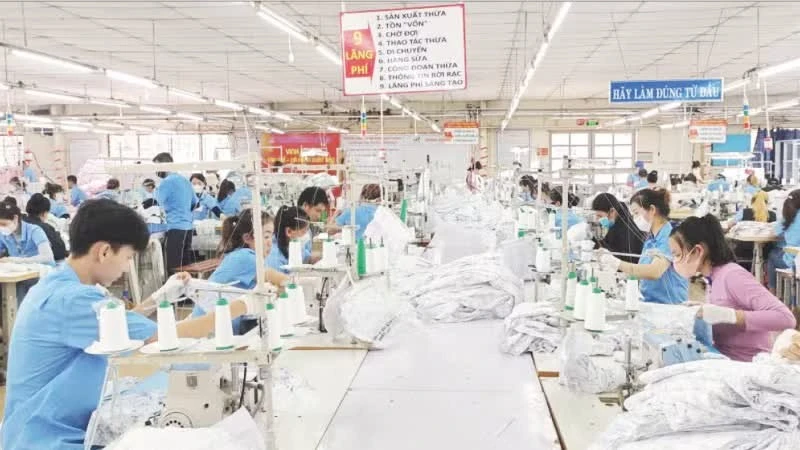
Why it matters: For brands sourcing from Vietnam and for competing production hubs, these on-the-ground cost pressures and operational pivots directly impact lead times, unit economics, and supply chain resilience.
Context: Vietnam is a critical node in global apparel sourcing, and its manufacturers have historically competed on cost and flexibility. This report details the specific financial and operational pressures eroding that model.
"Nguyen Dang Loi, General Director of Dong Xuan Knitting One Member Co., Ltd., said that the company recorded total revenue of 109.6 billion VND (4.19 million USD) in the first quarter of." — EN.NHANDAN.VN
Commentary: The granular cost data—250bps interest rate hikes, 20% logistics inflation—provides a concrete baseline for brands renegotiating contracts. The shift from ‘waiting for the market’ to ‘proactively adapting’ signals a move from pure subcontracting to managed partnerships, where buyers may need to share more risk or provide longer-term commitments to secure capacity. The focus on ‘accelerating at the right time’ implies a more volatile production schedule for studios and crews, with less predictable downtime.
Date: May 02, 2026 12:00 AM ET
URL: https://en.nhandan.vn/textile-sector-steps-up-production-amid-global-supply-pressures-post161728.html
AI Sentiment Score: Negative (87%)
AI Credibility Score: 10.0/10 — High
Scores and text generated by AI analysis of the source article indicated.
Monthly Cotton Economic Newsletter: May 2026 (Wwd)
Summary: Cotton futures and spot prices rose across major benchmarks in May 2026, with the A Index reaching 95 cents/lb. The USDA’s first full forecast for the 2026/27 season projects a 5.7 million bale production deficit, driven by lower output in China, Brazil, and Australia, coupled with rising mill use in China and India. This would draw global stocks to their tightest level in six years. Concurrently, speculator positions have swung from a record net short to a net long of 95,000 contracts, a shift initiated before but accelerated by the Iran War’s impact on energy and fertilizer markets.

Why it matters: For fashion brands and sourcing executives, this signals sustained input cost pressure and supply chain volatility, forcing a re-evaluation of procurement strategies, fabric blends, and pricing models for the 2027 season.
Context: Cotton prices have been depressed for years, leading to reduced acreage; the current reversal is sharp and coincides with geopolitical disruption in a key fertilizer and energy corridor.
"Recent Price Movement All cotton benchmarks moved higher over the past month. – Prices for the nearby July NY/ICE futures increased in several steps. The upward trend that started in early March." — WWD
Commentary: The forecasted structural deficit, not just speculative froth, means brands can no longer hedge on buffer stocks. Procurement teams must lock in contracts earlier and at higher cost bases, while design and merchandising will face renewed pressure to justify cotton-heavy assortments or accelerate blend shifts. The concurrent war-driven risk to fertilizer inputs introduces a yield uncertainty that makes even contracted volume unreliable.
Date: Mon, 18 May 2026 14:00:00 +0000
URL: https://wwd.com/sourcing-journal/industry-news/cotton-incorporated-price-trends-outlook-may-2026-1238957008/
AI Sentiment Score: Negative (85%)
AI Credibility Score: 10.0/10 — High
Scores and text generated by AI analysis of the source article indicated.
Asia on Edge as Beijing Summit Rekindles Xi-Trump ‘Frenemies’ Relationship (Wwd)
Summary: A Beijing summit between Presidents Xi and Trump has introduced a note of diplomatic warmth, unsettling apparel manufacturers across Asia who have benefited from the U.S.-China trade tensions. The ‘China plus one’ sourcing strategy, which redirected billions in orders to Vietnam, Bangladesh, India, and Cambodia, now faces uncertainty as brands may reconsider direct relationships with China’s industrial ecosystem. Export clusters from Tirupur to Dhaka are weighing the risk of momentum slowing against China’s structural shift away from low-cost apparel.

Why it matters: For sourcing executives and factory owners, a geopolitical thaw could reverse hard-won supply chain diversification, altering cost structures and investment timelines.
Context: Since 2017, U.S.-China tariffs triggered a multi-year pivot of apparel manufacturing from China to Southeast Asia and South Asia, reshaping global export maps and vendor relationships.
"According to data from the Office of Textiles and Apparel (OTEXA) under the U.S. Department of Commerce, Chinese apparel exports to the U.S. dropped sharply by approximately 53 percent, falling from $3.61 billion in the first quarter of the previous year to $1.70 billion this year." — WWD
Commentary: The operational consequence is a hedging imperative: brands must maintain diversified sourcing to mitigate political risk, but Chinese capital now controls much of the infrastructure in alternative hubs like Cambodia. Factory investment in Vietnam and Bangladesh, predicated on sustained demand, now carries a higher policy discount rate. For procurement teams, this means contract flexibility and multi-country capacity audits become non-negotiable, even if unit economics slightly favor China.
Date: Mon, 18 May 2026 13:00:00 +0000
URL: https://wwd.com/sourcing-journal/industry-news/beijing-summit-rekindles-xi-trump-frenemies-relationship-1238957415/
AI Sentiment Score: Negative (60%)
AI Credibility Score: 10.0/10 — High
Scores and text generated by AI analysis of the source article indicated.
Amazon Hit With Consumer Lawsuit Over Trump Tariff Refunds (Wwd)
Summary: Amazon faces a class-action lawsuit alleging it failed to seek refunds for tariffs ruled illegal by the Supreme Court, choosing instead to absorb the costs to curry political favor with the Trump administration. The suit, filed in Seattle, claims Amazon engaged in deceptive conduct by not disclosing its intent to forgo recovery, leaving consumers to bear the higher prices. Similar litigation targets Nike, Shein, Temu, Costco, and Lululemon, while logistics competitors FedEx, UPS, and DHL have begun passing refunds to business customers. Customs and Border Protection estimates up to $166 billion in collected tariffs could be reimbursed, with $35.5 billion already finalized.

Why it matters: For fashion and retail practitioners, this lawsuit sets a precedent for how importers handle tariff reimbursements, directly impacting cost structures, pricing strategies, and legal risk management across the supply chain.
Context: This is part of a broader wave of litigation against major retailers following the Supreme Court’s February ruling that struck down IEEPA tariffs, forcing importers to decide whether to pursue refunds and how to handle consumer pricing.
"Amazon has been put on blast in a class-action lawsuit by consumers seeking refunds for higher product prices stemming from last year’s IEEPA tariffs imposed by President Donald Trump. The suit was." — WWD
Commentary: The lawsuit operationalizes a new liability: inaction on tariff refunds can now be framed as a deceptive trade practice, forcing importers to explicitly model and disclose their recovery strategies. For brands and logistics providers, this creates a bifurcated market where refund pursuit becomes a competitive differentiator, with FedEx, UPS, and DHL already leveraging it for B2B advantage. The $166 billion potential refund pool means sourcing and finance teams must now treat tariff recovery as a standard post-import audit process, not a political calculation.
Date: Mon, 18 May 2026 21:53:36 +0000
URL: https://wwd.com/sourcing-journal/logistics/amazon-tariff-refunds-class-action-consumer-lawsuit-president-donald-trump-ieepa-1238972203/
AI Sentiment Score: Negative (50%)
AI Credibility Score: 10.0/10 — High
Scores and text generated by AI analysis of the source article indicated.
India’s Value Fashion Retail: The Boom Turns to Grind (Dhananjaysinha1.Substack)
Summary: India’s value fashion retail sector, long celebrated for its rapid expansion into Tier-2 and Tier-3 cities, is facing a structural slowdown. Despite headline revenue growth from new store openings, same-store sales growth is in low single digits, margins are under pressure from discounting and operational strain, and regional players are proving more agile. The model’s reliance on low average selling prices and private labels is failing to create durable product moats, turning a boom into a grind.

Why it matters: For brands, investors, and supply chain operators, this signals a shift from a land-grab expansion model to one requiring operational discipline, genuine product differentiation, and sustainable unit economics.
Context: This follows a five-year period where major chains like Zudio, Reliance Trends, and Max Fashion more than doubled their store counts, fueled by projections of unstoppable market growth displacing unorganised retail.
"**India’s value fashion stocks have plummeted over the past 20 months, much of it even before the ongoing geopolitical tensions, the fading of war-related anxiety has triggered a modest recovery in recent." — DHANANJAYSINHA1.SUBSTACK
Commentary: The implication is a sector-wide pivot from top-line growth to margin preservation, forcing a reevaluation of store economics, supply chain agility, and the viability of the ‘fashion at great value’ proposition. For practitioners, this means tighter inventory control, a focus on reducing online return rates, and potentially a strategic retreat from oversaturated markets to protect profitability.
Date: April 23, 2026 12:00 AM ET
URL: https://dhananjaysinha1.substack.com/p/value-fashion-retail-the-glamour
AI Sentiment Score: Positive (66%)
AI Credibility Score: 9.7/10 — High
Scores and text generated by AI analysis of the source article indicated.
Who pays for fashion’s green transition? The reality for Bangladesh’s suppliers and workers – Business and Human Rights Centre (Business-Humanrights)
Summary: A survey of 15 major brands sourcing from Bangladesh reveals a systemic gap between corporate climate targets and practical support for suppliers and workers. While most brands have set supply chain decarbonisation goals, none pay a price premium for green production, and only one has a concrete wage protection mechanism for climate-related disruptions. The financial and operational burden of the transition is being downloaded onto suppliers, with workers facing income loss, unsafe conditions, and job losses without formal protection.
 "Freak Pulse placeholder: no illustrative image available from news item source")
Why it matters: For sourcing managers, compliance officers, and CSR leads, this exposes the operational and financial disconnect between mandated environmental KPIs and the commercial practices needed to achieve them ethically, directly impacting supplier relationships and audit outcomes.
Context: This follows the BHRC’s June 2025 report, ‘The Missing Thread,’ which found that while 44 of 65 major brands had supply chain decarbonisation targets, none had adopted a just transition policy protecting workers.
"0 responding brands confirmed paying a price premium for garments produced in green certified factories or by suppliers meeting emissions targets, raising critical questions about how the cost of decarbonisation is being distributed across supply chains and whether workers are bearing the brunt in the form of wage squeezes, worsened conditions, and job losses." — BUSINESS-HUMANRIGHTS
Commentary: The survey quantifies a fundamental market failure: brands are imposing decarbonisation timelines without adjusting the commercial terms that would enable compliance. This creates an immediate operational contradiction for suppliers, forcing cost absorption that will manifest in wage pressure, deferred safety investments, and accelerated automation without reskilling. For practitioners, this means environmental audits will increasingly clash with social compliance, and supplier financing requests could become more urgent and contentious.
Date: May 07, 2026 12:00 AM ET
URL: https://www.business-humanrights.org/en/latest-news/the-cost-of-transition-bangladeshs-suppliers-and-workers-in-fashions-green-rush/
AI Sentiment Score: Negative (83%)
AI Credibility Score: 10.0/10 — High
Scores and text generated by AI analysis of the source article indicated.
As 2026 rules tighten, fashion shifts circularity from esg promise to business strategy (Dfupublications)
Summary: The global apparel sector is accelerating its shift from linear to circular models, driven by imminent EU regulations like the Ecodesign for Sustainable Products Regulation (ESPR) and Extended Producer Responsibility (EPR) schemes. These rules impose financial penalties for unsold inventory and mandate Digital Product Passports, forcing brands to redesign supply chains for traceability. While chemical depolymerization technologies are breaking the 1% textile-to-textile recycling barrier, the commercial bottleneck remains the collection and segregation infrastructure, particularly in Asia. The economics now hinge on long-term offtake agreements to secure financing for processing hubs.

Why it matters: For fashion practitioners, compliance is no longer an ESG checkbox but a core operational and financial requirement, reshaping sourcing, logistics, and capital allocation.
Context: Circularity has transitioned from pilot projects to industrial scaling, with the textile recycling market projected to grow from $1.7 billion in 2026 to $8.5 billion by 2035.
"The urgency at TEXCON 2026 was underpinned by the imminent enforcement of the EU’s Ecodesign for Sustainable Products Regulation (ESPR) and expanded Extended Producer Responsibility (EPR) schemes. Starting this year, brands operating in Europe face stringent financial penalties for unsold inventory and must provide ‘Digital Product Passports’ to verify material origins." — DFUPUBLICATIONS
Commentary: The regulatory hammer transforms waste into a liability-managed asset, privileging brands with integrated traceability systems over those reliant on third-party audits. This creates a two-tier market where compliance infrastructure becomes a competitive moat, particularly for EU-facing exporters in India and Vietnam. The focus on offtake agreements signals a shift from speculative green investment to contracted feedstock security, directly impacting procurement teams’ KPIs. Fashion For Good’s role as a de-risking intermediary underscores that scalability now depends on binding corporate commitments, not pilot goodwill.
Date: May 10, 2026 12:00 AM ET
URL: https://www.dfupublications.com/index.php/fr/news/apparel/as-2026-rules-tighten-fashion-shifts-circularity-from-esg-promise-to-business-strategy
AI Sentiment Score: Negative (50%)
AI Credibility Score: 10.0/10 — High
Scores and text generated by AI analysis of the source article indicated.
The New Regulatory Landscape (Earth911)
Summary: A new transatlantic regulatory framework is imposing hard operational and financial constraints on fashion producers. California’s textile EPR law, France’s punitive per-item eco-tax and advertising ban, and the EU’s 2027 deadline for mandatory textile EPR schemes are shifting compliance from a marketing edge to a core cost of doing business. These laws directly target supply chain transparency, end-of-life responsibility, and the economic model of fast fashion.
Why it matters: For industry practitioners, this changes sourcing discipline, margin structures, and go-to-market strategies, requiring new vendor audits, compliance overhead, and potential market exits.
Context: Regulatory pressure on fashion’s environmental and labor externalities is accelerating, moving from voluntary certifications to binding legislation with financial penalties.
"The law imposes a per-item eco-tax starting at €5 and rising to €10 by 2030 (capped at 50 percent of retail price), bans advertising and influencer marketing of ultra-fast-fashion brands, requires point-of-sale environmental disclosures including carbon footprint and durability data, and carries fines of up to €100,000 for violating the ad ban." — EARTH911
Commentary: The French model is a blueprint for using tax policy to reshape market incentives, directly transferring revenue from high-volume, low-margin operators to sustainable producers. This forces a fundamental recalculation of unit economics, where compliance and transparency become primary design constraints rather than afterthoughts. Brands without vertically integrated, auditable supply chains will face escalating costs and market-access barriers.
Date: April 29, 2026 12:00 AM ET
URL: https://earth911.com/style/a-stylish-investment-making-fashion-sustainable/
AI Sentiment Score: Negative (50%)
AI Credibility Score: 7.0/10 — Medium
Scores and text generated by AI analysis of the source article indicated.
Post ID: 6af1d244