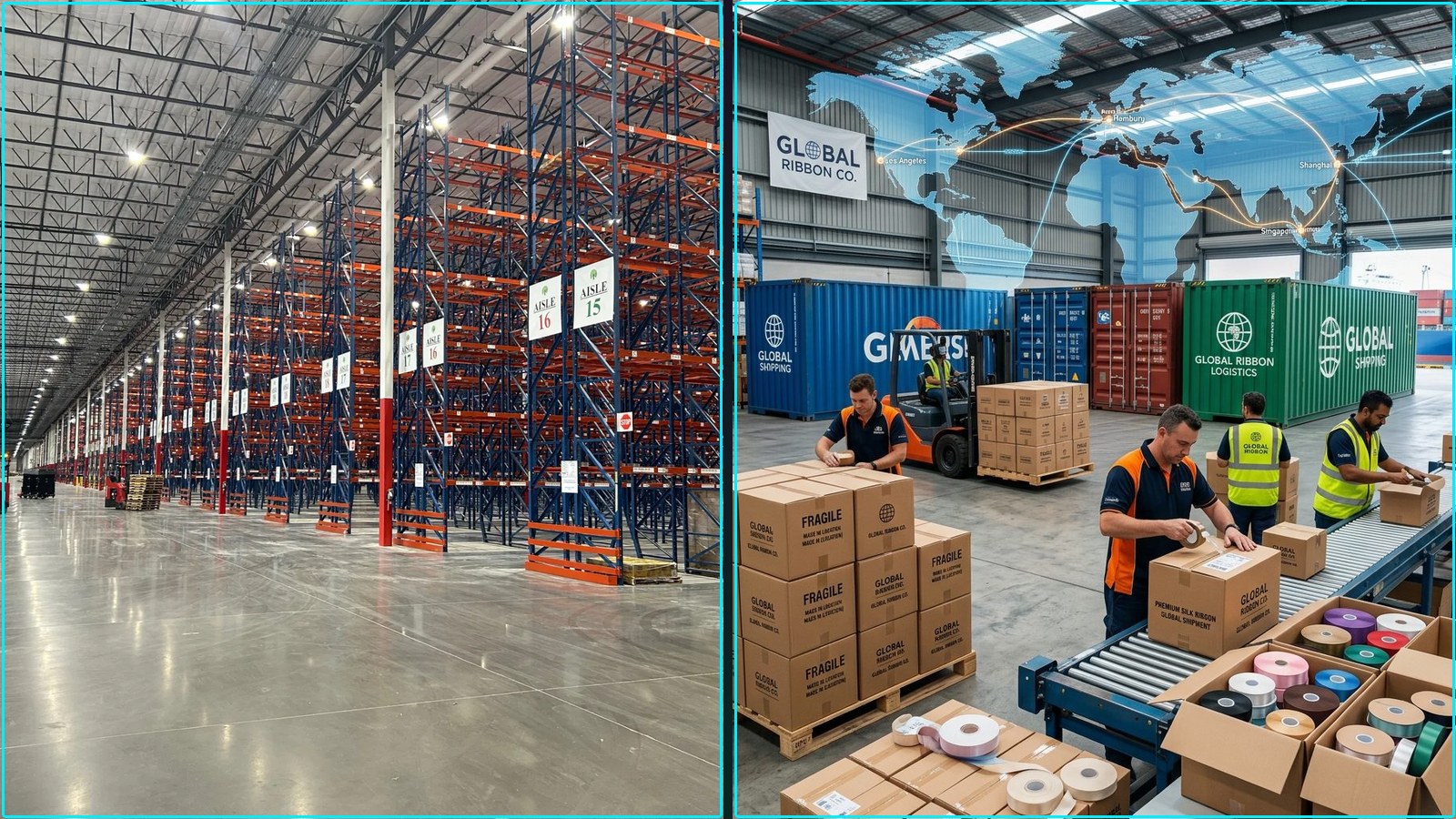
Logistics operations and supply chain data
Dollar Tree is boosting logistics resiliency (Retaildive)
Summary: Dollar Tree is expanding its distribution footprint with a new 1 million-square-foot facility in Arizona and a planned replacement center in Oklahoma, aiming to reduce transit times and support more stores per location. The company is also locking in multi-year freight contracts for 75% of its volume to mitigate spot market exposure and investing in warehouse management systems and route optimization.
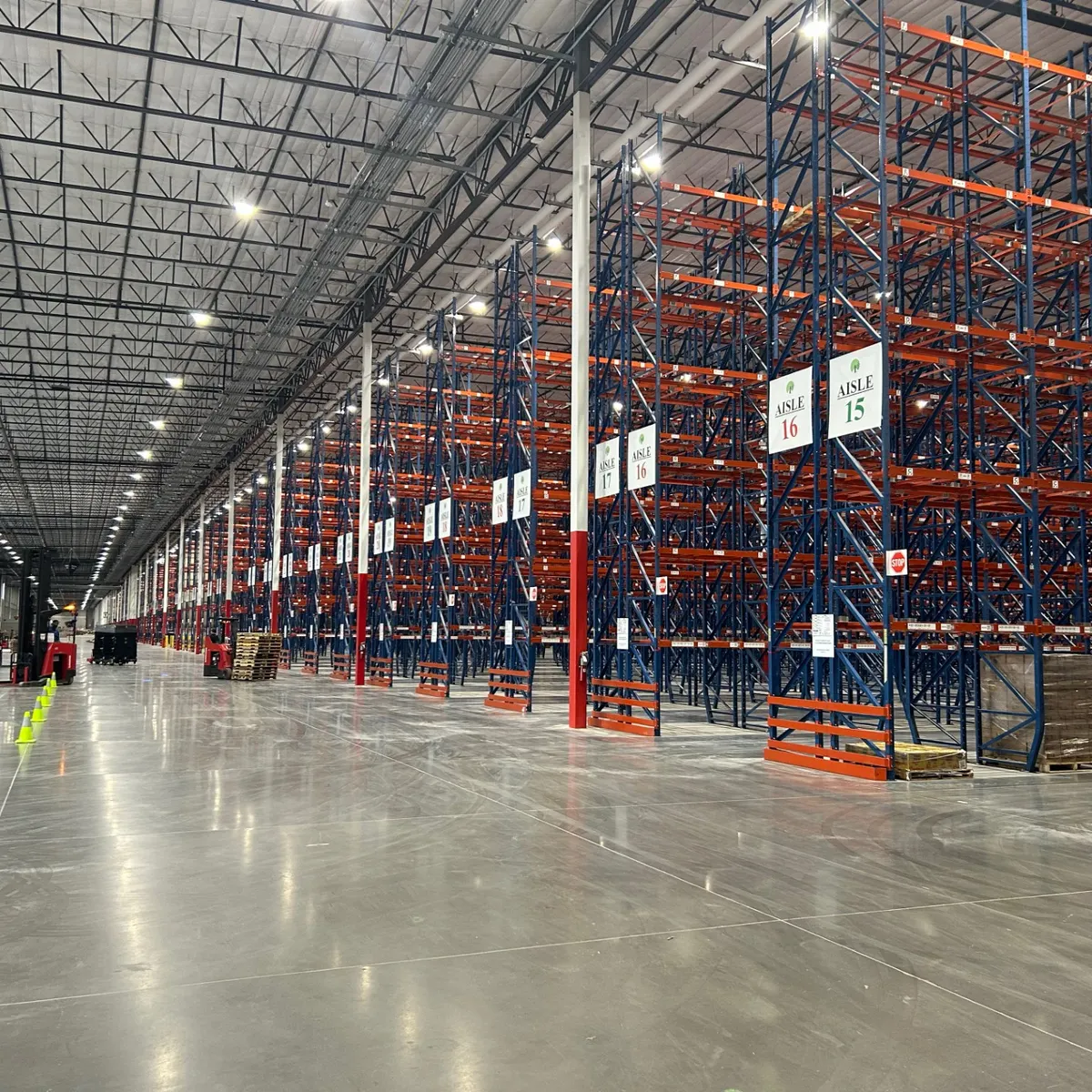
Why it matters: For domestic logistics operators and retailers, this signals a shift toward owned, resilient infrastructure and long-term carrier contracts to control costs and ensure shelf replenishment, directly impacting network design and vendor negotiations.
Context: This follows a trend among discount retailers investing in supply chain hardening post-pandemic, where transport volatility and port congestion exposed vulnerabilities in lean, just-in-time networks.
"Dollar Tree is “making solid progress” building a more resilient and scalable supply chain through several initiatives, Chief Supply Chain Officer Roxanne Weng told sister publication Supply Chain Dive in an email." — RETAILDIVE
Commentary: Dollar Tree’s move to secure long-term freight contracts for the bulk of its volume represents a fundamental recalibration of risk, trading potential spot savings for predictable cost and capacity. This could pressure carriers to offer competitive multi-year terms and could signal a broader industry retreat from the spot market, tightening capacity for smaller shippers. The parallel investment in owned distribution infrastructure, particularly replacing a tornado-damaged facility, underscores a strategic pivot to resilience over pure cost optimization, a calculus now factoring physical climate risk into network planning.
Date: Mon, 18 May 2026 09:53:00 -0400
URL: https://www.retaildive.com/news/dollar-tree-logistics-resiliency-distribution-center/820334/
AI Sentiment Score: Negative (90%)
AI Credibility Score: 10.0/10 — High
Scores and text generated by AI analysis of the source article indicated.
The Logistics of Excellence: Navigating Global Shipping and Compliance for Premium Ribbon Exports (Mystyleribbon)
Summary: Meisida, a ribbon manufacturer, details its 17-year operational playbook for global textile logistics, framing compliance and lead time management as core competitive advantages. The piece outlines a data-driven, multimodal strategy integrating production scheduling with shipping, managing a dense web of certifications (BSCI, GRS, OEKO-TEX, FSC), and leveraging historical data for route and carrier optimization.
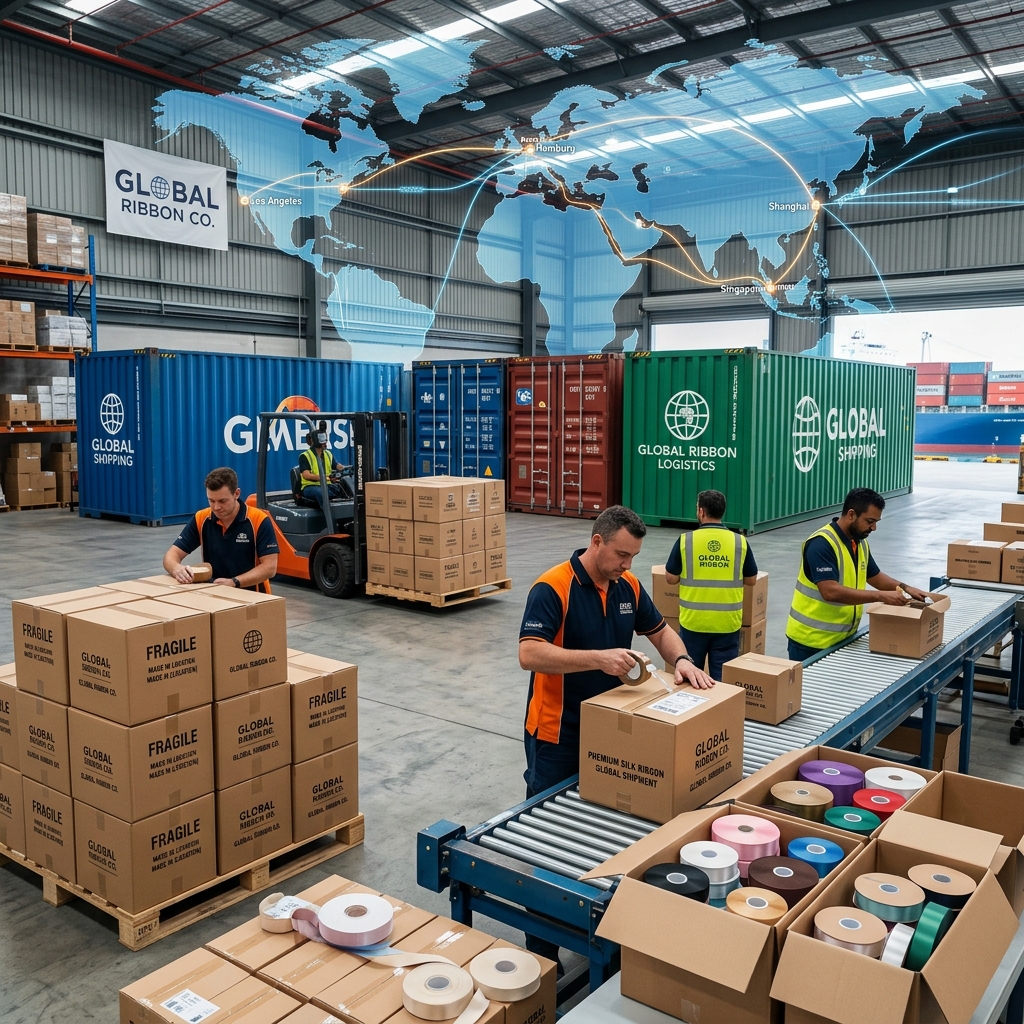
Why it matters: For domestic manufacturers exporting premium goods, this operational blueprint highlights the non-negotiable shift from production-centric to logistics-centric value creation, where compliance and delivery reliability directly determine market access and client retention.
Context: The ‘Made in USA’ value proposition increasingly hinges on export logistics resilience and ethical traceability, not just on-shore production capacity. Competitors are judged on their ability to navigate port congestion, tariff nuances, and certification mazes as much as on product quality.
"Our 17 years of experience has taught us that the nuance of a single HS code can mean the difference between a 0% and 15% tariff." — MYSTYLERIBBON
Commentary: Meisida’s framing exposes the real labor cost of premium exports: a permanent, specialized compliance overhead that smaller domestic makers often underestimate. Their integration of MES with logistics planning suggests a convergence of factory floor and freight forwarder roles, demanding new vendor capabilities. The emphasis on a ‘Digital Twin’ for customs pre-clearance points to an industry-wide shift where software integration, not just physical shipping, defines lead time.
Date: May 19, 2026 12:00 AM ET
URL: https://www.mystyleribbon.com/news/the-logistics-of-excellence-navigating-global-shipping-and-compliance-for-premium-ribbon-exports
AI Sentiment Score: Negative (75%)
AI Credibility Score: 7.0/10 — Medium
Scores and text generated by AI analysis of the source article indicated.
[#338] Supply Chain in Numbers – May 18, 2026 (Scnumbers.Substack)
Summary: Carriers are layering new surcharges on inbound U.S. freight, with UPS implementing a 32-cent-per-pound fee for volume shipments from most origins. In parallel, Descartes acquires Idelic for $28M to integrate AI-driven driver safety analytics, while Burlington Stores breaks ground on a 2M sq ft automated DC in Arizona. Avery Dennison invests $75M in Wiliot’s BLE sensor tech, deepening a Walmart-backed RFID and IoT stack. CVS Health reports a near 4x throughput increase at a New Jersey AutoStore facility, processing 2M items weekly.
![[#338] Supply Chain in Numbers – May 18, 2026](https://substackcdn.com/image/fetch/$s_!Msdp!,f_auto,q_auto:best,fl_progressive:steep/https%3A%2F%2Fscnumbers.substack.com%2Ftwitter%2Fsubscribe-card.jpg%3Fv%3D802229417%26version%3D9 "Image via Scnumbers.Substack")
Why it matters: These moves recalibrate the cost and risk calculus for domestic production and logistics, directly impacting landed costs, warehouse automation ROI, and real-time inventory visibility.
Context: The push for domestic resilience and efficiency is accelerating capital deployment into automation and sensor networks, while global carrier pricing becomes more granular and volatile.
"One from UPS is a 32-cent-per-pound surcharge for volume to the U.S. from any origin country or territory, except those where a surge emergency fee already applies." — SCNUMBERS.SUBSTACK
Commentary: The UPS surcharge structurally raises the floor cost for any import-reliant domestic assembly, tilting the scale further toward onshoring for bulk commodities. Descartes’ acquisition of Idelic signals a pivot from pure telematics to predictive risk management, embedding safety compliance directly into logistics workflows. Avery Dennison’s investment in Wiliot, following Walmart’s mandate, suggests BLE sensors are moving from pilot to scale, creating a new data layer for cold chain and inventory accuracy that will require integration with existing WMS and ERP systems. CVS’s throughput gains demonstrate that automation payback periods are shortening, making retrofits of existing DCs a viable near-term capacity play for retailers facing labor constraints.
Date: May 18, 2026 12:00 AM ET
URL: https://scnumbers.substack.com/p/338-supply-chain-in-numbers-may-18
AI Sentiment Score: Negative (85%)
AI Credibility Score: 10.0/10 — High
Scores and text generated by AI analysis of the source article indicated.
Post ID: 1a8f7104