Trucking rates, fuel, and capacity heat up this summer
U.S. Bank Freight Payment Index shows spot rates surging 31% (Freightwaves)
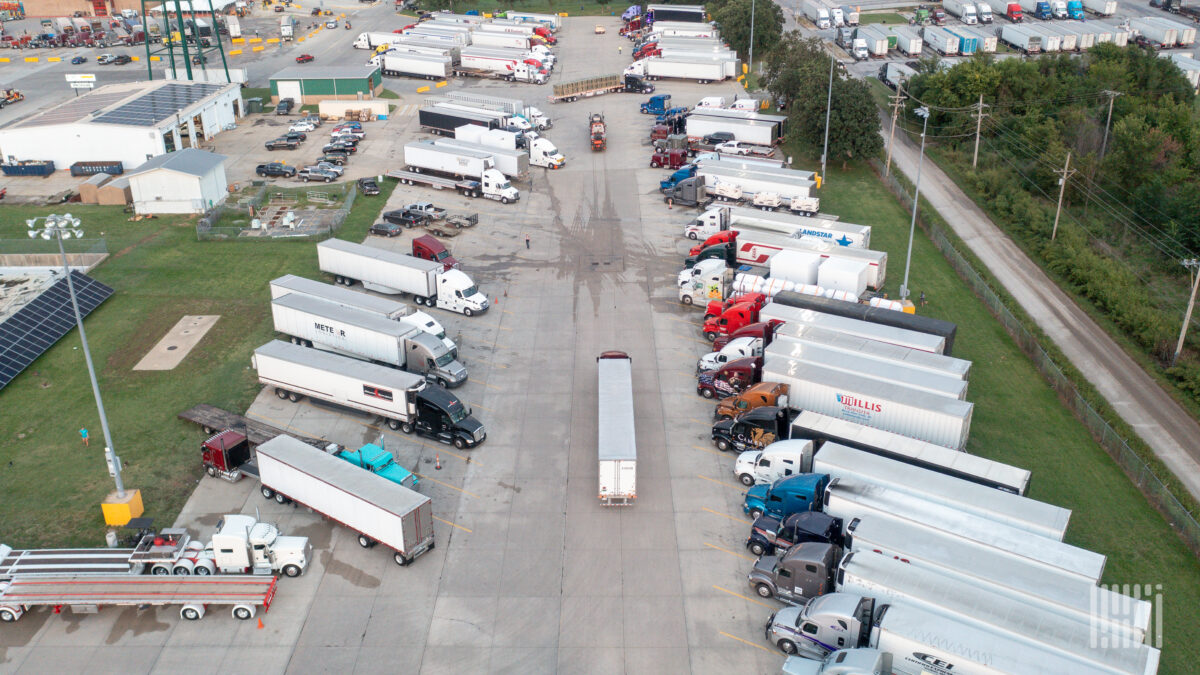
Summary: The U.S. Bank Freight Payment Index reports dry van spot rates surged 31% year-over-year to $2.14 per mile in May 2026, even as spot shipments fell from 1.31 million to 1.11 million. The contract-to-spot spread has collapsed from $0.39 to roughly $0.11 per mile, eliminating the traditional cushion shippers use to absorb capacity disruptions. LTL carriers like Old Dominion and XPO are maintaining pricing discipline despite volume declines, with yields up 4-4.4%. The report warns that contract rates still have room to rise, meaning shipper cost exposure will increase even without a recovery in demand.
Why it matters: For logistics operators and procurement teams in the Southeast, the compression of the contract-spot spread signals that routing guide protections are eroding, forcing direct budget exposure to capacity-driven pricing before any demand recovery materializes.
Context: The index is a quarterly collaboration between U.S. Bank and DAT Freight & Analytics, tracking both spot and contract rate dynamics across the truck freight market.
"Freight volumes are behaving one way while freight costs are another according to the most recent U.S. Bank Freight Payment Index Rates Edition. The Index, a quarterly collaboration between U.S. Bank and." — FREIGHTWAVES
Commentary: The supply-led repricing is structurally different from demand-driven cycles: rates are rising on capacity tightening, not order surges, which means shippers cannot rely on volume declines to cap costs. The collapse of the contract premium effectively transfers pricing risk from carriers back to shippers, who now face a thinner buffer against spot market volatility. LTL’s pricing discipline suggests that carriers are prioritizing yield over volume, a strategy that may persist if the capacity narrative holds. The lag in contract rate adjustments creates a window of hidden cost accumulation that will hit budgets retroactively.
Date: June 29, 2026 06:36 PM ET
URL: https://www.freightwaves.com/news/us-bank-freight-payment-index-rates
AI Sentiment Score: Negative (75%)
AI Credibility Score: 10.0/10 — High
Scores and text generated by AI analysis of the source article indicated.
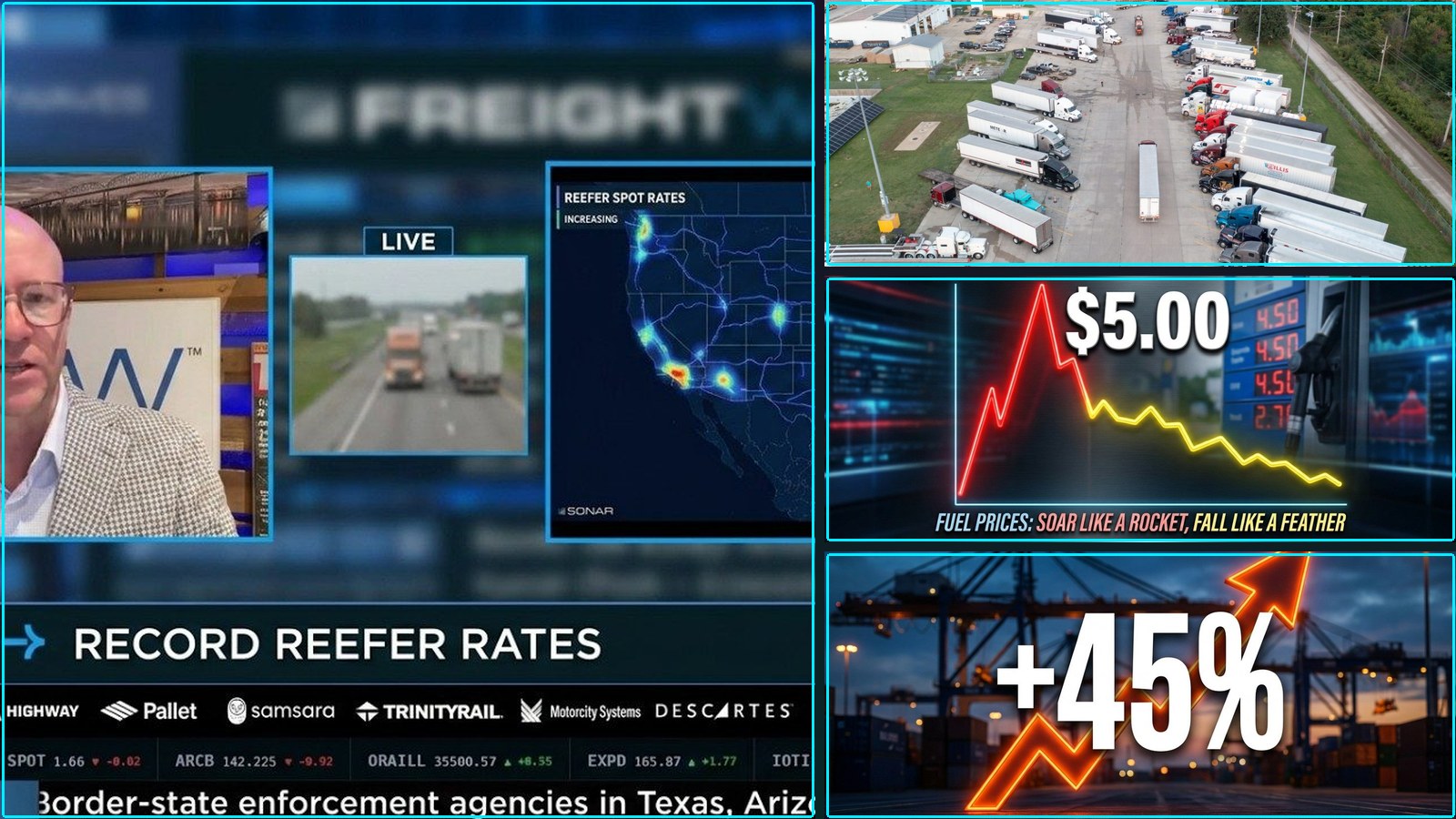
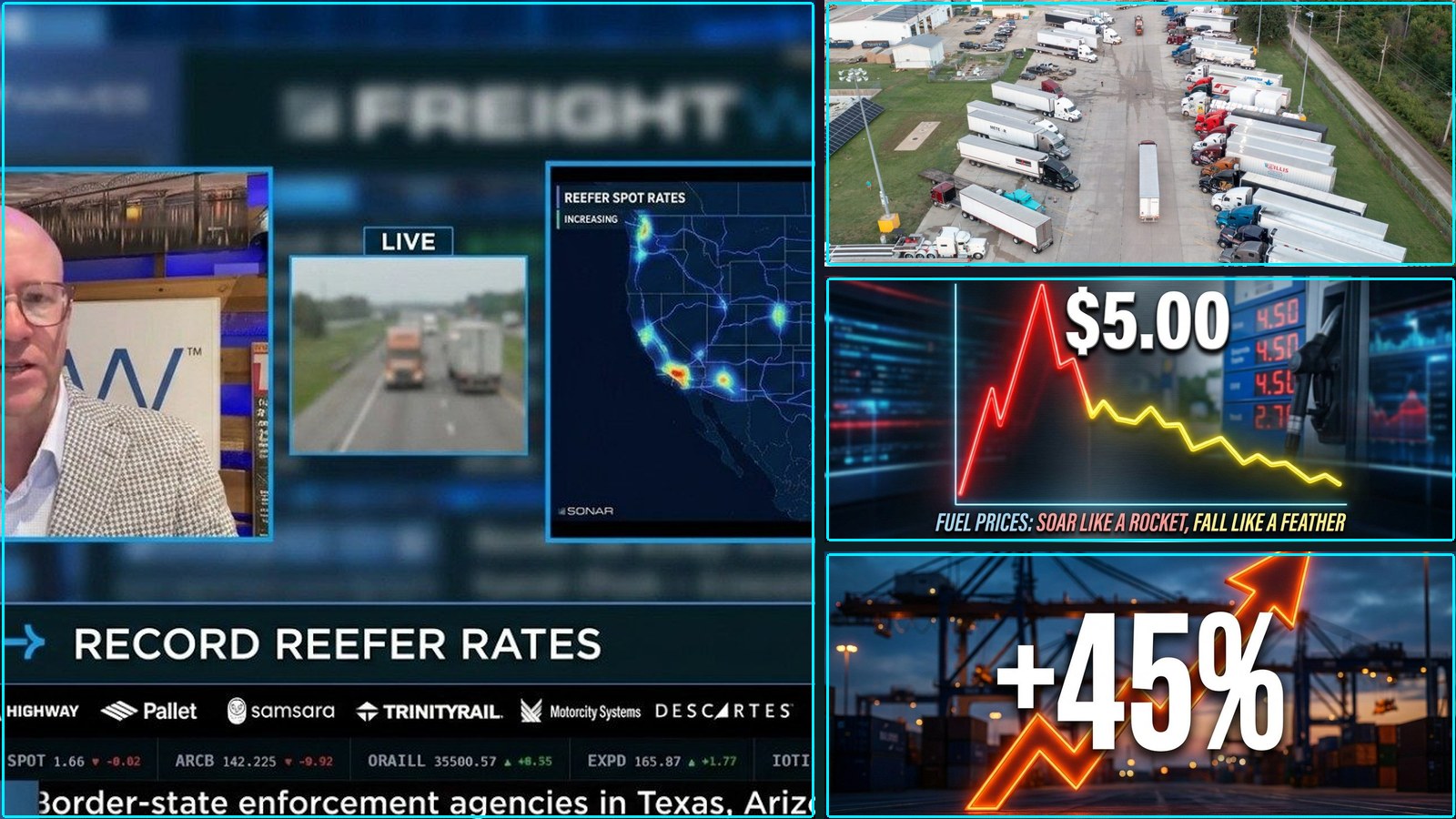
July 4th Heat: What It Means for Reefer Capacity and Spot Rates (Freightwaves)
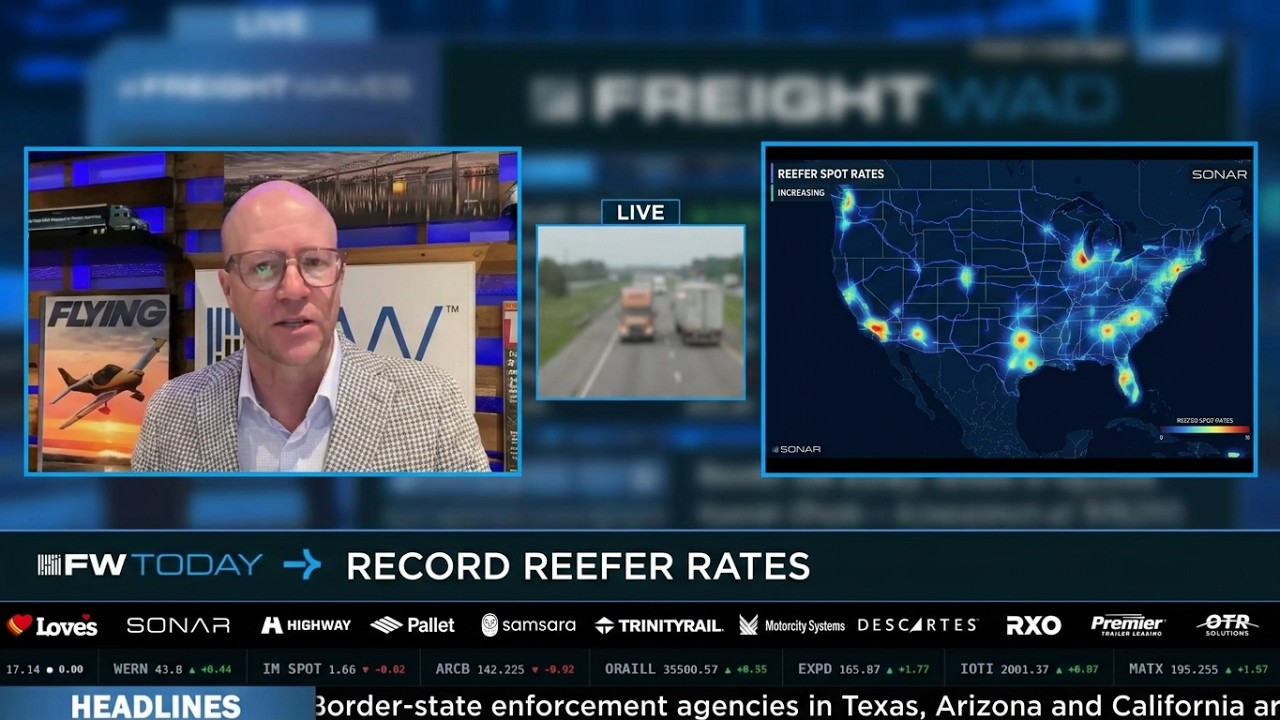
Summary: A severe heatwave across the Eastern US, with heat index values reaching 114°F, is driving reefer spot rates and tender rejections to near all-time highs. The combination of extreme temperatures and the July 4th holiday weekend is creating a capacity crunch for temperature-controlled freight. Shippers are increasingly moving from dry van to refrigerated transport to protect goods, particularly beverages, which is further straining an already tight market.
Why it matters: For logistics operators and shippers in the Southeast, this heat event signals immediate upward pressure on reefer rates and potential service failures, requiring rapid capacity reallocation and contingency planning.
Context: Reefer markets typically tighten during summer heatwaves, but the convergence with a major holiday weekend amplifies the effect as driver availability drops and demand for cold-chain capacity spikes.
"We’re seeing reefer spot rates and tender rejections near all-time highs. Companies are shifting from dry van to refrigerated transport to protect goods, driving massive demand for beverages." — FREIGHTWAVES
Commentary: The shift from dry van to reefer is a tactical response that will cascade into dry van oversupply and further reefer scarcity. Expect spot rate volatility to persist through mid-July as the heat dome lingers and holiday schedules reset. Shippers without long-term reefer contracts face the highest risk of rejected tenders and premium pricing.
Date: July 01, 2026 05:03 PM ET
URL: https://www.freightwaves.com/news/july-4th-heat-what-it-means-for-reefer-capacity-and-spot-rates
AI Sentiment Score: Negative (83%)
AI Credibility Score: 10.0/10 — High
Scores and text generated by AI analysis of the source article indicated.
Retail diesel falling while futures soaring relative to crude (Freightwaves)
Summary: Retail diesel prices have fallen for eight consecutive weeks, dropping 97.2 cents per gallon since early May to $4.668. However, futures and crack spreads are soaring relative to crude, with the 3:2:1 crack spread near $60/barrel versus a pre-war norm of $22. Analysts like Jeffrey Currie argue this reflects a temporary crude surplus from released Strait of Hormuz oil masking a genuine product shortage, while Helima Croft warns that shipping normalization is far from certain. The divergence between retail and wholesale signals deep structural uncertainty in fuel markets.
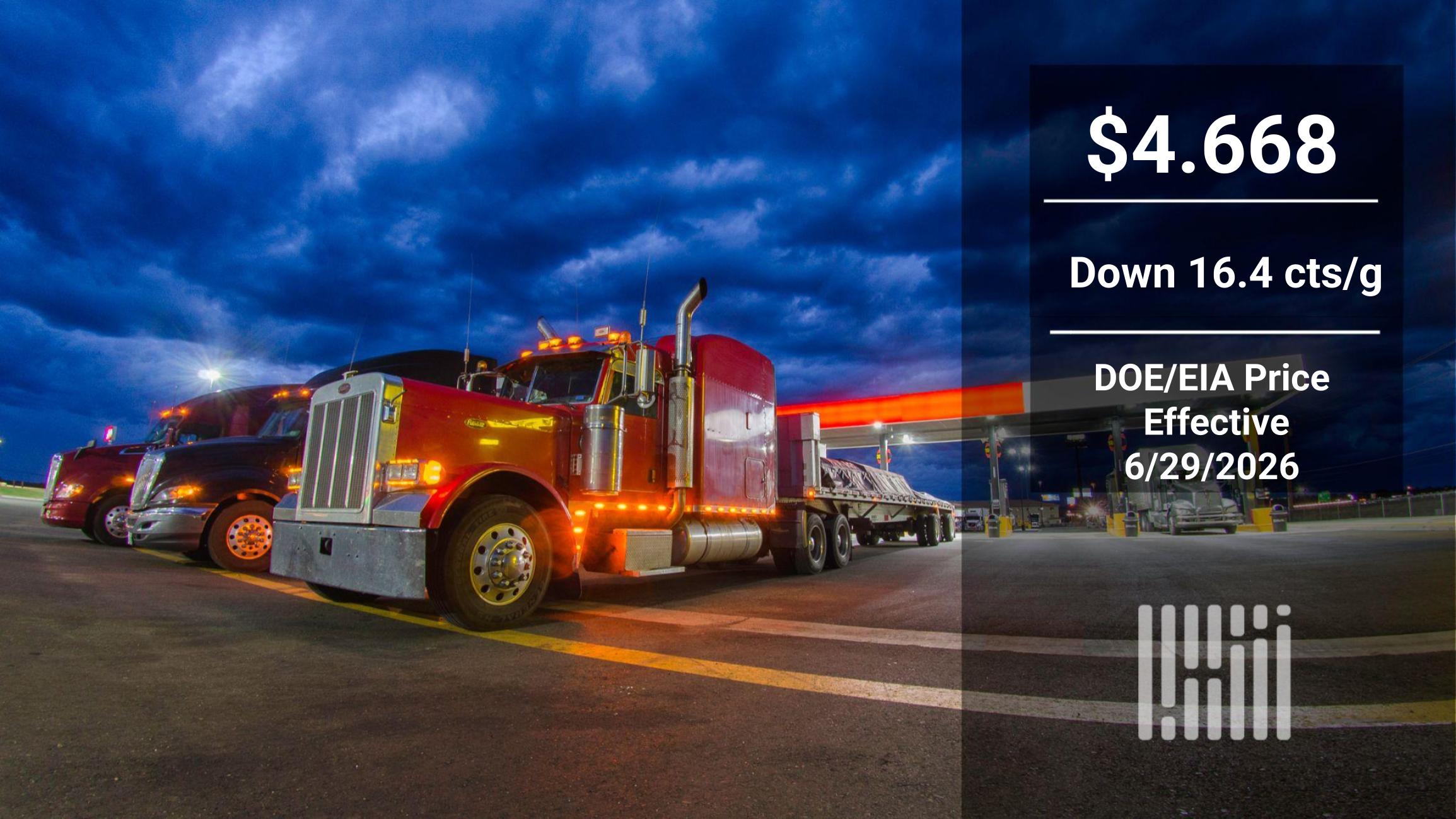
Why it matters: For Southeast logistics operators and fuel buyers, the gap between falling retail prices and surging crack spreads means fuel surcharge mechanisms may misprice actual supply risk, creating both short-term relief and potential whipsaw exposure.
Context: The Iran war and subsequent peace deal caused a massive oil release from the Strait of Hormuz, temporarily flooding crude markets while refining capacity remains constrained, producing an unusual disconnect between crude and product prices.
"Retail diesel prices are continuing their steep fall against a background of analysts who are mostly trying to tell everybody the decline should not be assumed as the end of a war-driven." — FREIGHTWAVES
Commentary: The crack spread at $60/barrel is a screaming signal that refineries are the bottleneck, not crude supply. If shipping through the Strait doesn’t normalize, the retail price decline is a mirage. Fuel buyers should hedge against a sharp reversal rather than assume the war premium is gone. The divergence between AAA and DOE/EIA retail numbers also suggests surcharge calculations may be increasingly unreliable.
Date: June 30, 2026 03:02 PM ET
URL: https://www.freightwaves.com/news/retail-diesel-falling-while-futures-soaring-relative-to-crude
AI Sentiment Score: Negative (85%)
AI Credibility Score: 10.0/10 — High
Scores and text generated by AI analysis of the source article indicated.
Fuel Prices: Why They Soar Up Like a Rocket, Fall Like a Feather | Supply Chain Economics (Freightwaves)
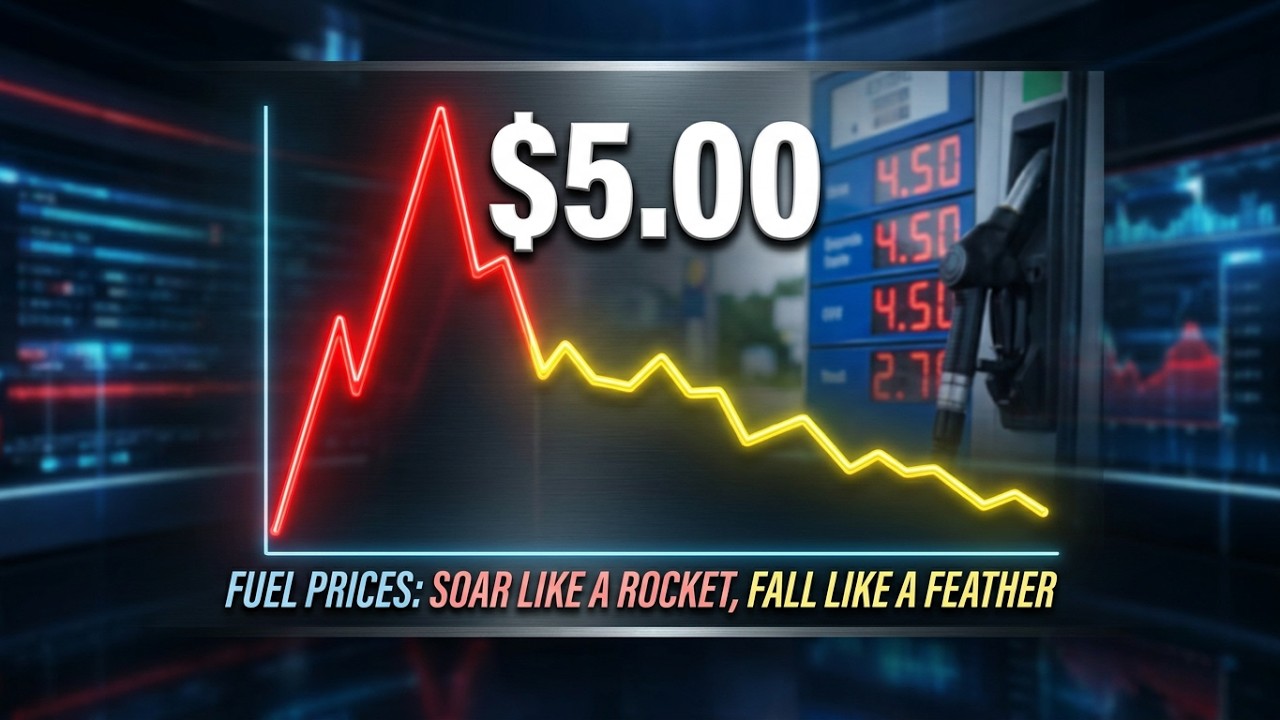
Summary: Breakthrough’s Chief Economist Matthew Muenster explains the structural asymmetry in fuel pricing: retail prices spike rapidly in response to global events but decline slowly due to inventory strategies and competitive pricing dynamics. The analysis highlights how this ‘rockets and feathers’ pattern affects trucking and air freight costs, and suggests that data analytics can help shippers manage volatility. The piece is framed as a practical guide for logistics operators navigating persistent fuel cost uncertainty.
Why it matters: For logistics operators and supply chain managers in the Southeast, fuel is a major variable cost; understanding the asymmetry in price transmission is critical for budgeting, rate negotiations, and hedging strategies.
Context: The ‘rockets and feathers’ phenomenon has been documented in energy economics for decades, but its persistence in the current inflationary and geopolitically volatile environment amplifies its impact on freight margins.
"Ever wonder why fuel prices seem to skyrocket overnight but trickle down like a feather? Breakthrough’s Chief Economist, Matthew Muenster, breaks down the operational and market dynamics behind this frustrating reality. Learn." — FREIGHTWAVES
Commentary: Muenster’s framing is useful but not novel—the real value lies in whether Breakthrough’s data analytics can actually predict the timing and magnitude of the downward lag. Shippers should press for specific metrics on how inventory turnover and competitor response times vary by region and fuel type. Without that granularity, the advice remains generic.
Date: July 01, 2026 05:01 PM ET
URL: https://www.freightwaves.com/news/fuel-prices-why-they-soar-up-like-a-rocket-fall-like-a-feather-supply-chain-economics
AI Sentiment Score: Positive (40%)
AI Credibility Score: 10.0/10 — High
Scores and text generated by AI analysis of the source article indicated.
Freight Markets Explode: Will Spot Rates Continue Record Surge? (Freightwaves)
Summary: Spot freight rates are surging ahead of the July 4th holiday, creating what FreightWaves calls a ‘Super Bowl’ moment for the market. Volumes are stacking up, driving unprecedented volatility, while contract rates have yet to catch up. The briefing examines the dynamics behind the spike and what shippers should expect for the second half of 2026.
Why it matters: For the Southeast, a region heavily dependent on logistics and warehousing, this rate surge signals tightening capacity and rising costs that will ripple through supply chains, manufacturing, and retail distribution networks.
Context: The July 4th holiday historically creates a pre-holiday demand spike, but the current surge appears amplified by broader capacity constraints and shifting trade patterns post-pandemic.
"The freight market is officially in its ‘Super Bowl’ moment as spot rates surge and demand spikes. Ahead of the July 4th holiday, freight volumes are stacking up, leading to unprecedented volatility." — FREIGHTWAVES
Commentary: The lag in contract rates suggests carriers are prioritizing spot market gains, which could force shippers to renegotiate terms or face margin compression. If this volatility persists into Q3, expect inventory reshuffling and potential modal shifts as firms seek cost predictability.
Date: June 30, 2026 05:10 PM ET
URL: https://www.freightwaves.com/news/freight-markets-explode-will-spot-rates-continue-record-surge
AI Sentiment Score: Negative (57%)
AI Credibility Score: 10.0/10 — High
Scores and text generated by AI analysis of the source article indicated.
Job growth in truck transportation remains muted (Freightwaves)
Summary: Truck transportation employment in the U.S. remains essentially flat, with June showing a net gain of only 1,000 jobs since January and a 1,300 month-over-month decline. The sector has failed to recover from a brutal 2025, when employment fell from 1,493,100 to 1,467,200. Analysts point to sustained high interest rates, regulatory pressure, and elevated operating costs as structural constraints on carrier hiring. In contrast, warehouse jobs have added 18,100 positions over the last three months, though they remain below year-ago levels.

Why it matters: For the Southeast, a major trucking and logistics hub, persistent employment stagnation signals that carriers are still unable to expand capacity or replace drivers lost during the downturn, which will keep spot rates elevated and pressure shippers’ margins.
Context: Trucking employment has been under pressure since the post-pandemic freight recession, with the Federal Reserve’s rate hikes compounding driver shortages and regulatory costs. The divergence between flat trucking jobs and rising warehouse hiring suggests a structural shift in how goods move through the supply chain.
"There were only 1,000 more truck transportation workers being counted by the Bureau of Labor Statistics in June compared to the number the agency counted in April. In four of the last." — FREIGHTWAVES
Commentary: The flat employment data masks a deeper problem: carriers are not just failing to hire—they are structurally unable to generate the cash flow needed to recruit and retain drivers. The contrast with warehouse hiring suggests that inventory is being held longer or moved through different channels, which could signal a permanent shift in logistics demand away from long-haul trucking toward regional distribution. If rate increases don’t materialize to restore carrier margins, the driver shortage will worsen, creating a self-reinforcing cycle of capacity constraint and higher costs for shippers.
Date: July 02, 2026 10:47 AM ET
URL: https://www.freightwaves.com/news/job-growth-in-truck-transportation-remains-muted
AI Sentiment Score: Negative (84%)
AI Credibility Score: 10.0/10 — High
Scores and text generated by AI analysis of the source article indicated.
Post ID: 560c1d4f