AI Tools and Generators for Fashion Photography
Fashion Brands Cut Photography Costs 70% with AI – Rewarx Studio (Rewarx)
Summary: ASOS’s 2023 disclosure highlighted a structural cost crisis in fashion product photography, where traditional studio shoots for a single line can cost $5,000 to $50,000. This is unsustainable for scaling e-commerce brands needing hundreds of new images weekly. AI-powered studio solutions like Rewarx Studio AI are now being adopted, claiming to reduce costs by an average of 70% while compressing production timelines from weeks to hours.
Why it matters: This shift directly threatens the economic model for commercial photographers, stylists, and post-production specialists, while enabling mid-market and DTC brands to compete visually with giants like Amazon.
Context: The pressure to produce vast volumes of high-quality, variant-specific imagery for e-commerce has long strained brand budgets, creating a market for cost-reduction technologies.
"When ASOS announced plans to dramatically expand its product imagery capabilities in 2023, executives revealed something the industry had known for years: professional fashion photography has become prohibitively expensive for scaling e-commerce." — REWARX
Commentary: The 70% figure is a direct attack on the labor and vendor ecosystem underpinning commercial fashion shoots. This isn’t just about cheaper retouching; it automates core creative roles—photographer, model, HMUA—recasting them as optional luxuries rather than production necessities. For brands, the operational imperative shifts from managing complex shoots and rights to overseeing AI model training and output consistency. The long-term risk is a bifurcated market: high-margin editorial work for human crews, and a commoditized, AI-driven pipeline for the bulk of commercial product imagery.
Date: April 22, 2026 12:00 AM ET
URL: https://www.rewarx.com/blogs/fashion-brands-cutting-photography-costs-ai-powered-studios
AI Sentiment Score: Negative (62%)
AI Credibility Score: 10.0/10 — High
Scores and text generated by AI analysis of the source article indicated.
AI Fashion Photography Basics (Rawshot.Ai)
Summary: Rawshot.Ai’s 2026 primer frames AI fashion photography as a production method for generating on-model imagery, distinct from post-production tools. It emphasizes a component-based workflow—model identity, garment behavior, lighting, composition—that mirrors directing a physical shoot. The argument is that operational success depends on building repeatable visual systems and starting with simple products to establish consistency before scaling complexity.

Why it matters: For editorial fashion photography’s labor and commissioning ecosystem, this signals a shift from capture-based to generation-based production, directly impacting photographer, stylist, and studio demand for routine catalog and campaign imagery.
Context: The fashion industry is accelerating adoption of generative AI for content creation, but many tools remain experimental; this guide positions AI photography as a disciplined production pipeline, not a creative novelty.
"AI fashion photography means generating fashion images from scratch instead of capturing them in a physical photo shoot. The model, outfit presentation, lighting, setting, framing, and overall look are created digitally. That." — RAWSHOT.AI
Commentary: This operational framing pressures studios to develop in-house AI art direction roles, while photographers must differentiate through irreplicable physical capture or high-concept storytelling. For brands, it commoditizes baseline product imagery, potentially reallocating budget from shoot production to model-training and pipeline management. The emphasis on repeatability over magic suggests a near-term focus on efficiency for high-volume SKUs, not creative editorial.
Date: May 05, 2026 12:00 AM ET
URL: https://rawshot.ai/academy/ai-fashion-photography-basics
AI Sentiment Score: Positive (40%)
AI Credibility Score: 10.0/10 — High
Scores and text generated by AI analysis of the source article indicated.
Best AI Fashion Editorial Photography Generator (2026) – Gitnux (Gitnux)
Summary: A 2026 market guide from Gitnux segments AI fashion editorial generators by use-case, distinguishing between prompt-first tools for concepting and garment-faithful platforms for production. It frames the choice as a strategic workflow decision, prioritizing either aesthetic iteration or product fidelity. This reflects a maturing vendor landscape where tool selection directly dictates creative output and pipeline efficiency.
Why it matters: For photographers, stylists, and creative directors, this segmentation forces a strategic choice between tools for ideation and tools for execution, directly impacting commissioning budgets, in-house skill requirements, and the definition of ‘editorial quality’.
Context: The editorial fashion photography industry is grappling with AI’s incursion, initially seen as a monolithic threat, now requiring nuanced adoption strategies that bifurcate the creative pipeline.
"AI fashion editorial photography generators are reshaping how brands, stylists, and creators develop high-impact visuals without the time and cost of traditional shoots. With options ranging from fashion-native tools like RAWSHOT AI." — GITNUX
Commentary: This bifurcation creates a new class of ‘concept photographer’ reliant on prompt engineering, while garment-faithful tools threaten traditional product and lookbook photography studios. Agencies will need to develop dual competency sets, and commissioning editors must explicitly budget for either ‘AI concepting’ or ‘AI production,’ altering rate cards and vendor relationships. The greatest pressure will be on mid-tier shoots where the cost-benefit of full production is now questionable.
Date: April 21, 2026 12:00 AM ET
URL: https://gitnux.org/best/ai-fashion-editorial-photography-generator/
AI Sentiment Score: Negative (66%)
AI Credibility Score: 7.0/10 — Medium
Scores and text generated by AI analysis of the source article indicated.
Fashion Brands Cut Photography Costs With AI – Rewarx Studio (Rewarx)
Summary: Major fashion retailers, including ASOS, Inditex, and H&M Group, are aggressively pursuing cost reductions in visual content production, targeting cuts of up to 60%. The primary driver is the unsustainable economics of traditional product photography, where costs per image range from $35 to $85, creating multi-million dollar burdens for portfolios with thousands of SKUs. This is accelerating a shift toward AI-generated imagery, with early adopters reporting average cost reductions of 70%.
Why it matters: For industry professionals, this signals a fundamental restructuring of commissioning economics, directly threatening the traditional labor pipeline of photographers, models, stylists, and retouchers while mandating new technical and strategic competencies.
Context: This follows a multi-year trend of e-commerce pressure for faster, cheaper content cycles, but now reaches a tipping point where AI tooling quality and cost savings justify operational replacement over mere supplementation.
"When ASOS announced plans to cut photography costs by 60% in 2024, industry analysts took notice. The UK fast-fashion giant wasn’t alone—Zara owner Inditex and H&M Group have both signaled aggressive cost." — REWARX
Commentary: The operational playbook is shifting from production management to vendor and toolchain oversight, with quality control now defined by conversion metrics and brand guideline algorithms. This will bifurcate the market: high-concept editorial work may retain value, while high-volume e-commerce photography becomes a largely automated, in-house utility function, collapsing a significant segment of the freelance and studio ecosystem.
Date: April 22, 2026 12:00 AM ET
URL: https://www.rewarx.com/blogs/fashion-brands-ai-photography-cost-reduction
AI Sentiment Score: Positive (42%)
AI Credibility Score: 10.0/10 — High
Scores and text generated by AI analysis of the source article indicated.
Fashion Brands Cut Photography Costs 60% With AI – Rewarx Studio (Rewarx)
Summary: Major fashion retailers like H&M, Nordstrom, and Macy’s are confronting unsustainable costs for traditional studio photography, with per-SKU expenses ranging from $75 to $300. This creates a multi-million dollar annual burden for brands managing thousands of SKUs, exacerbated by consumer demand for lifestyle imagery over flat lays. In response, operators are adopting AI tools, such as Rewarx Studio’s background remover and model synthesis, which report average cost reductions of 60% compared to traditional studio production.
Why it matters: For industry professionals, this signals a structural shift in commissioning economics and labor demand, directly impacting studio bookings, model agencies, stylists, and post-production vendors.
Context: This follows a long-term trend where e-commerce scale and fast-fashion replenishment cycles have strained traditional photo production budgets, creating a conversion penalty for brands that under-invest in visuals.
"Fashion brands investing in AI-assisted visual production report average cost reductions of 60% compared to traditional workflows, with corresponding improvements in time-to-market." — REWARX
Commentary: The move to AI synthesis is not merely a cost-cutting exercise; it redefines the visual pipeline from a craft-intensive, scheduled operation to an on-demand, software-driven utility. This will compress fees for photographers and crews focused on high-volume catalog work, while potentially elevating the value of conceptual editorial shoots that AI cannot easily replicate. Procurement departments will increasingly benchmark visual content against an AI cost baseline, forcing studios to justify premium rates with demonstrable brand-equity returns. The 15% estimated sales loss from poor imagery, cited by J.Jill, provides the financial rationale for this operational pivot, making adoption a near-term imperative for volume-driven retailers.
Date: April 22, 2026 12:00 AM ET
URL: https://www.rewarx.com/blogs/how-fashion-brands-cut-photography-costs-ai-tools
AI Sentiment Score: Negative (62%)
AI Credibility Score: 10.0/10 — High
Scores and text generated by AI analysis of the source article indicated.
Fashion Retouching at Scale: Why High-Volume Catalogs … (Pixofix)
Summary: A technical guide from a retouching service outlines a systematic, data-driven approach to managing high-volume fashion catalog production. It emphasizes pre-production standardization, workflow segmentation by asset complexity, and rigorous post-launch auditing to control costs and timelines. The methodology treats image processing as an industrial pipeline, prioritizing predictability and scalability over artistic flexibility.

Why it matters: For studios and in-house production teams, this codifies the shift from craft-led retouching to a managed industrial operation, directly impacting labor allocation, vendor selection, and profitability on high-volume e-commerce work.
Context: The pressure to produce vast SKU libraries for digital marketplaces has turned editorial-style photography into a logistics challenge, forcing a reconciliation between quality standards and unit economics.
"Start with a tight brief. Each batch should define poses, crop ratios, background requirements, expected colorways, and any special handling for accessories or fabric detail. Add metadata at intake so the team." — PIXOFIX
Commentary: This operationalizes the tiered-service model now essential for profitability, creating a clear cost and timeline segregation between simple product shots and high-fashion editorial. It signals the formalization of retoucher roles into lane-based specialists, with clear metrics displacing subjective quality assessments as the primary management tool. The post-launch audit mandate shifts accountability from the retoucher to the pipeline owner, embedding continuous quality control into the core workflow.
Date: May 04, 2026 12:00 AM ET
URL: https://www.pixofix.com/blog/fashion-retouching-at-scale-why-high-volume-catalogs-still-need-human-hands
AI Sentiment Score: Negative (66%)
AI Credibility Score: 10.0/10 — High
Scores and text generated by AI analysis of the source article indicated.
How Fashion Brands Use AI Photoshoots to Scale Catalogs Faster (Advertflair)
Summary: AI-generated fashion photography is being marketed to brands as a tool to compress the traditional product photography timeline, replacing physical shoots with a digital ‘Upload → Generate → Publish’ pipeline. The pitch emphasizes eliminating costs and delays associated with studios, models, photographers, and logistics, while enabling rapid generation of multiple angles, backgrounds, and seasonal variations for large SKU catalogs. The operational promise is faster, cheaper, and more predictable visual asset production for e-commerce.
Why it matters: This directly threatens the commissioning economics and labor structure of traditional editorial and commercial fashion photography, shifting budget from production crews to software licenses and internal creative operations.
Context: This follows the broader industry trend of automating creative production pipelines, where speed-to-market and cost-per-asset are prioritized over the craft and serendipity of physical shoots.
"With such a long process, it only takes a single day delay to push product launches by weeks, making it harder for brands to manage hundreds or thousands of SKUs. That’s when." — ADVERTFLAIR
Commentary: The push for ‘platform-ready’ AI assets commoditizes the photographer’s role into a prompt-engineering and curation function, centralizing aesthetic control with brand marketing teams. This could pressure mid-market studios and freelance crews, while high-end editorial work may bifurcate further as a luxury craft. The emphasis on ‘consistent lighting’ and ‘predictable visuals’ signals a shift toward homogenized brand imagery optimized for algorithmic discovery, potentially flattening visual diversity in mainstream fashion retail.
Date: May 02, 2026 12:00 AM ET
URL: https://www.advertflair.com/post/how-fashion-brands-use-ai-photoshoots-to-scale-catalogs-faster
AI Sentiment Score: Negative (60%)
AI Credibility Score: 8.2/10 — High
Scores and text generated by AI analysis of the source article indicated.
Why an Influential Stylist Turned to AI (Aperture)
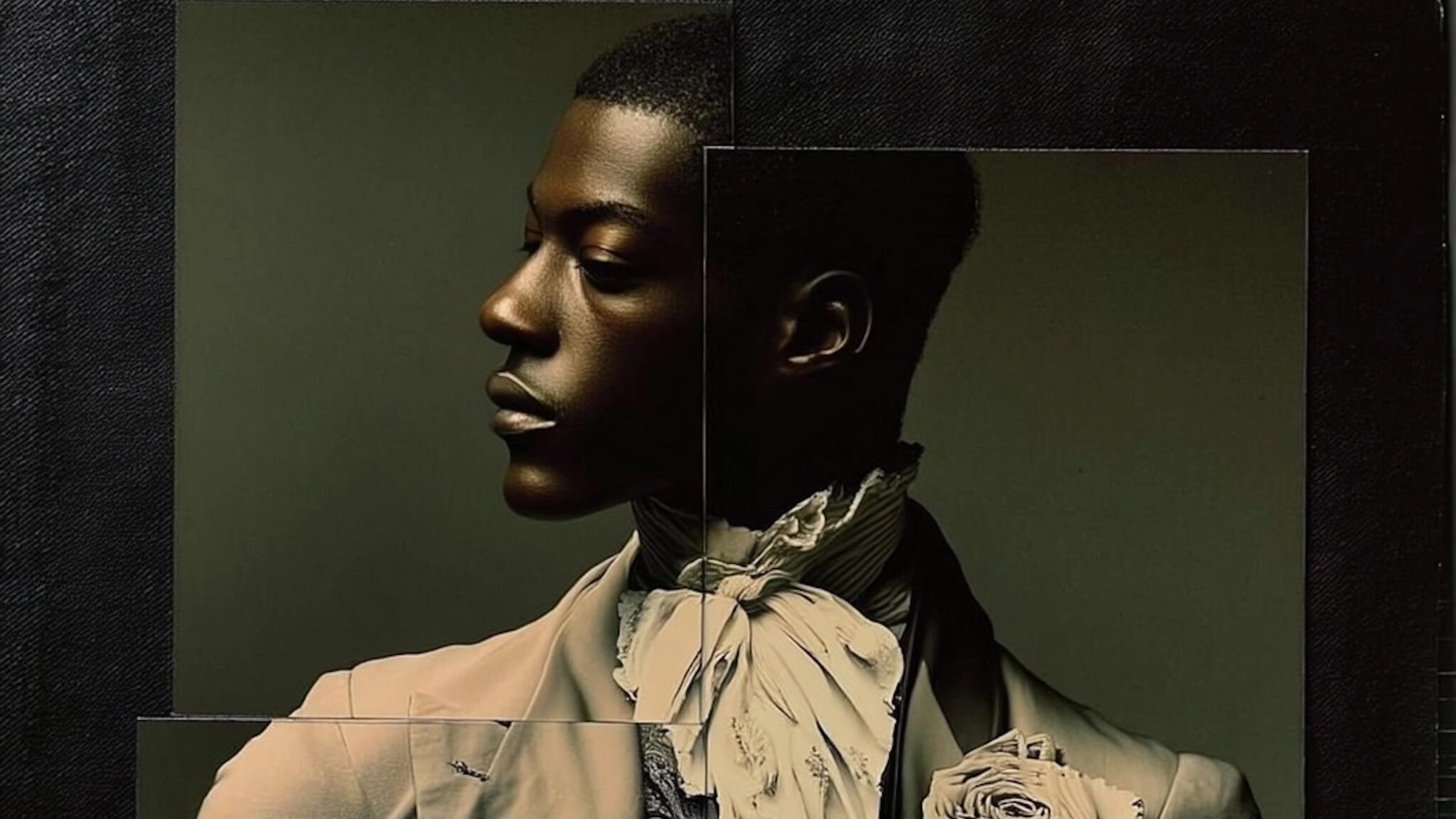
Summary: Simon Foxton, a foundational figure in menswear styling and editorial image-making for i-D, Nick Knight, and others, has retired from commercial work and now creates AI-generated imagery for personal exploration. Using Midjourney, he constructs plausible, documentary-style scenes of fictional subcultures and historical reinterpretations, drawing from his deep archive of photographic references. His recent collaboration with Nick Knight for Numero NY’s inaugural issue marks a notable re-entry into the professional sphere, albeit on his own terms.
Why it matters: Foxton’s pivot demonstrates how foundational aesthetic knowledge and editorial instincts are being operationalized in AI, creating a new, low-friction production path that bypasses traditional crew, location, and model costs, potentially reshaping commissioning economics.
Context: Established image-makers are increasingly experimenting with AI tools, not as a novelty, but as a direct extension of their visual language and archival practice, challenging the labor and resource assumptions of editorial production.
"AI-generated image by Simon Foxton exploring a “made-up” Australian subculture centered on the mullet hairstyle, 2025 As a menswear stylist and art director, Simon Foxton spent decades shaping the image of men’s." — APERTURE
Commentary: Foxton’s move signals a material shift: the core competency for senior creatives is becoming prompt-craft informed by deep visual literacy, not crew management. This enables rapid, low-cost prototyping of entire editorial narratives, which could compress pre-production timelines and reduce budgets for test shoots. For publications, it offers a high-concept, low-overhead option, but risks further disintermediating photographers, stylists, and casting directors from the initial image-making loop. His ‘autocracy’ comment underscores a key driver—creative control without negotiation—which may appeal to other retired or independent creatives, creating a parallel, AI-native editorial pipeline.
Date: May 01, 2026 12:00 AM ET
URL: https://aperture.org/editorial/why-an-influential-stylist-turned-to-ai/
AI Sentiment Score: Negative (50%)
AI Credibility Score: 7.0/10 — Medium
Scores and text generated by AI analysis of the source article indicated.
Generate AI Fashion Shoots at Home in Minutes | Blog Picasso IA (Blog.Picassoia)
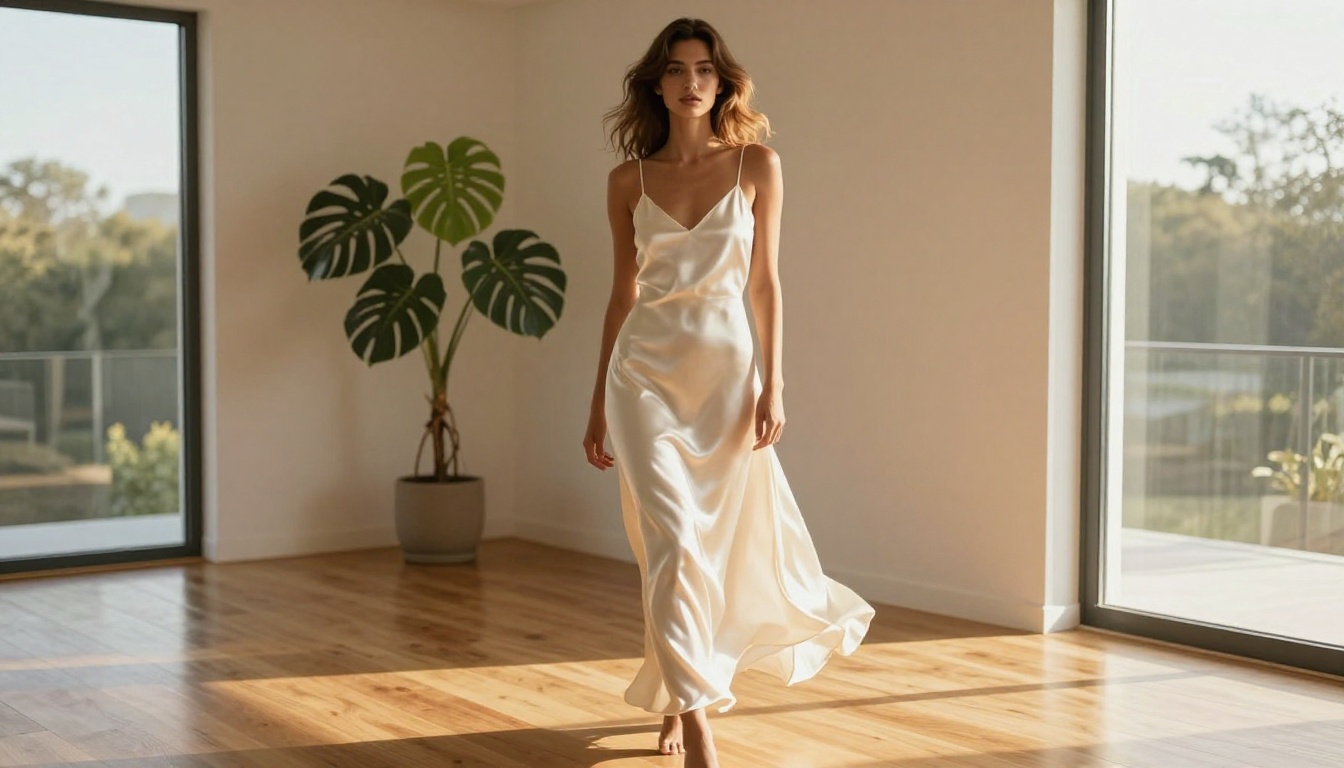
Summary: PicassoIA’s blog details a technical workflow for generating photorealistic editorial fashion imagery using consumer AI models, specifically Flux Dev and Realistic Vision v5.1. The guide provides a structured prompt formula and a batch-processing methodology, claiming a single creator can produce 30-50 publication-ready images in 3-4 hours, a task traditionally requiring a multi-day studio shoot.
Why it matters: This codifies a low-cost, high-speed production pipeline that directly challenges the economic and operational foundations of traditional fashion photography studios, agencies, and in-house creative teams.
Context: The push for cost and time efficiency in content creation is accelerating, with brands and publishers under pressure to produce more visual assets for digital channels. This guide moves AI image generation from a novelty to a documented, repeatable production process.
"You don’t need a studio, a photographer, or an expensive crew to produce editorial-quality fashion images. This article breaks down how to create photorealistic AI fashion shoots at home, from writing powerful." — BLOG.PICASSOIA
Commentary: The guide operationalizes displacement, providing a clear ROI calculation that procurement and brand managers will use to justify reduced photography budgets. The explicit tool recommendations (Flux Dev for 80% of work) will accelerate vendor consolidation in the AI image space, while the batch methodology for lookbooks signals a shift from bespoke storytelling to asset generation for e-commerce and social feeds. The primary immediate impact is on low-to-mid-tier editorial and commercial shoots, pressuring photographers, stylists, and digital techs to either integrate these tools or move further upmarket into experiential and high-concept work that resists prompt-based replication.
Date: April 23, 2026 12:00 AM ET
URL: https://blog.picassoia.com/how-to-generate-ai-fashion-shoots-at-home
AI Sentiment Score: Negative (57%)
AI Credibility Score: 7.0/10 — Medium
Scores and text generated by AI analysis of the source article indicated.
AI Fashion Shots That Match Your Brand (Rewarx)
Summary: Rewarx outlines a procedural framework for deploying AI-generated fashion photography at scale, positioning it as a production pipeline requiring formal brand guidelines, structured prompt libraries, and iterative review checkpoints. The article emphasizes that consistency is not inherent to the tools but must be engineered through documented visual DNA and a repeatable workflow. It advises brands to treat AI studios as vendors requiring precise technical specifications, akin to a creative brief, to ensure outputs align with commercial identity.
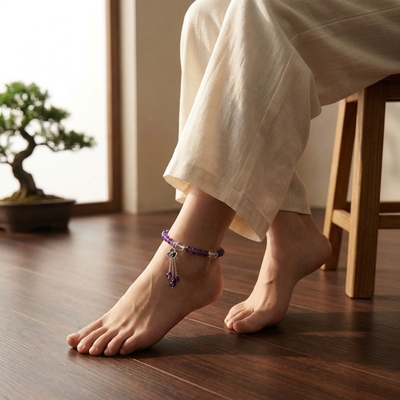
Why it matters: This systematization signals a maturation of AI image generation from experimental novelty to a repeatable, budget-line production service, directly impacting commissioning economics, in-house photographer roles, and post-production vendor relationships.
Context: The fashion industry’s shift toward high-volume, personalized e-commerce content has strained traditional photography budgets and timelines, creating demand for scalable alternatives.
"AI fashion photography is the process of using artificial intelligence tools to generate professional product and lifestyle images for fashion ecommerce. … Maintaining consistency requires establishing clear parameters for style, tone, and." — REWARX
Commentary: The explicit codification of ‘visual DNA’ into prompt parameters commoditizes aesthetic direction, potentially centralizing creative control with brand managers rather than photographers. This shifts labor from shooting and lighting to prompt engineering and quality assurance, creating a new layer of technical intermediaries. Studios and photographers must now compete on their ability to design and audit these AI workflows, not just execute them.
Date: April 28, 2026 12:00 AM ET
URL: https://www.rewarx.com/blogs/how-to-make-ai-fashion-shots-that-match-brand
AI Sentiment Score: Neutral (33%)
AI Credibility Score: 10.0/10 — High
Scores and text generated by AI analysis of the source article indicated.
AI Catalog Fashion Photo Generator | Rawshot.ai (Rawshot.Ai)
Summary: Rawshot.ai is marketing an AI image generator designed specifically for commercial catalog production, bypassing traditional photography workflows. The platform offers a UI with controls for lens, framing, lighting, and style, promising consistent, on-model imagery focused on the garment. It emphasizes scalability for product detail pages and lookbooks, and includes full commercial rights for outputs.
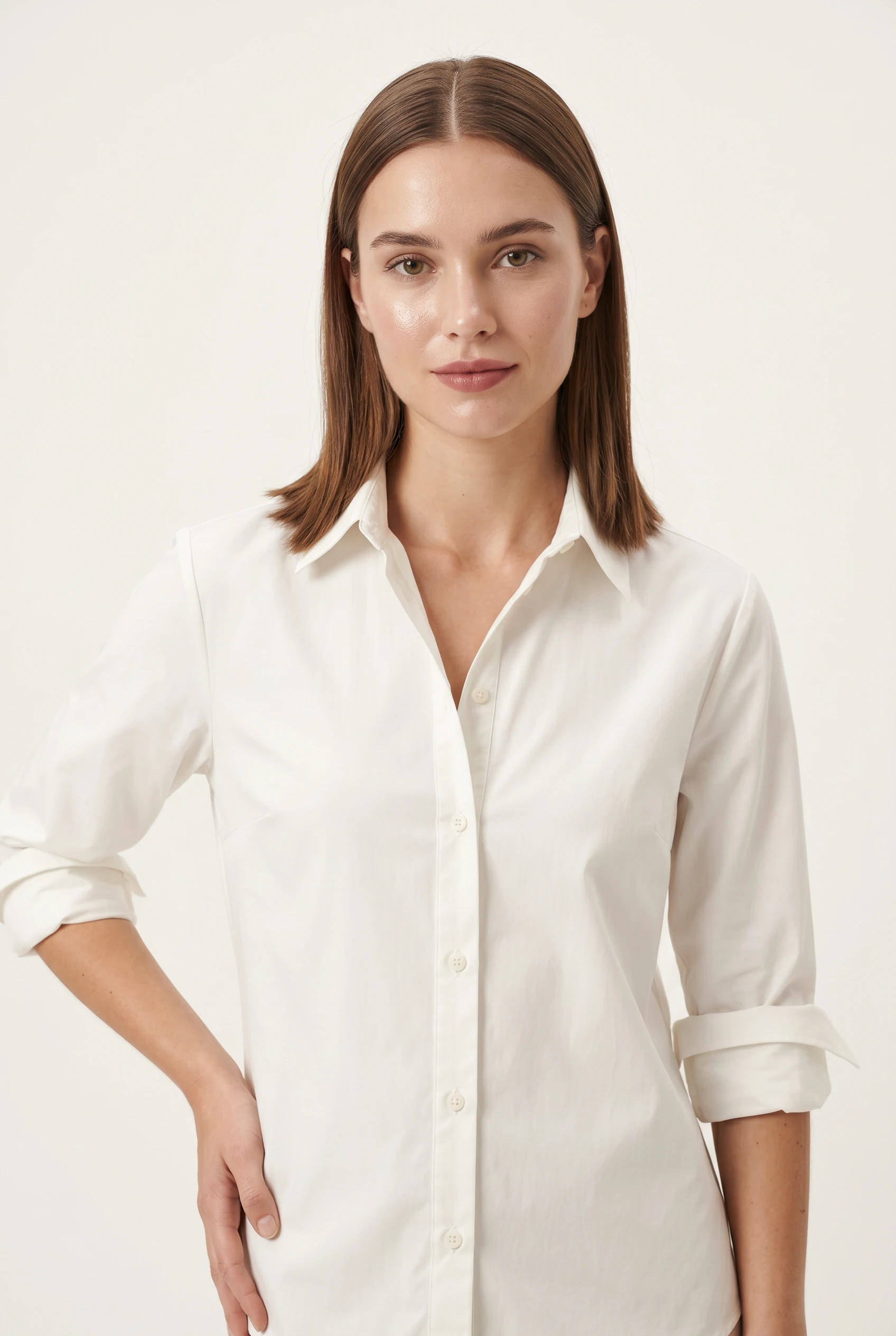
Why it matters: This directly targets the economics and labor structure of commercial fashion photography, offering brands a tool to potentially replace studio shoots, models, and photographers for routine catalog work.
Context: The push for AI in e-commerce imagery accelerates, moving from experimental mood boards to core production pipelines, threatening the high-volume, lower-margin segment of fashion photography.
"Generate clean on-model catalog imagery built around the garment, ready for PDPs, lookbooks, and large assortments. Select lens, framing, pose, lighting, background, and visual style through buttons, sliders, and presets in a." — RAWSHOT.AI
Commentary: The interface’s ‘directing a shoot’ metaphor is a strategic framing that makes the tool legible to art buyers and producers, easing adoption. By guaranteeing commercial rights, Rawshot.ai directly addresses a major legal hurdle for brand procurement teams. This systematization threatens the workflow of photographers and studios specializing in high-turnover catalog work, pushing them further toward unique editorial or campaign concepts that resist automation. The API integration for ‘nightly catalog runs’ signals a shift from project-based commissioning to a continuous, software-managed asset pipeline.
Date: May 01, 2026 12:00 AM ET
URL: https://rawshot.ai/features/ai-catalog-fashion-photo-generator
AI Sentiment Score: Negative (50%)
AI Credibility Score: 10.0/10 — High
Scores and text generated by AI analysis of the source article indicated.
A Commercial Photographer’s Take on When to Use AI … – PetaPixel (Petapixel)
Summary: A commercial photographer details a pragmatic, pre-production workflow integrating AI image generation for concept visualization and asset creation. The process shifts client selection from external reference campaigns to internal, bespoke visual directions. For final deliverables, AI is deemed viable for atmospheric or lifestyle shots where product detail is secondary, particularly for smaller brands with constrained budgets.
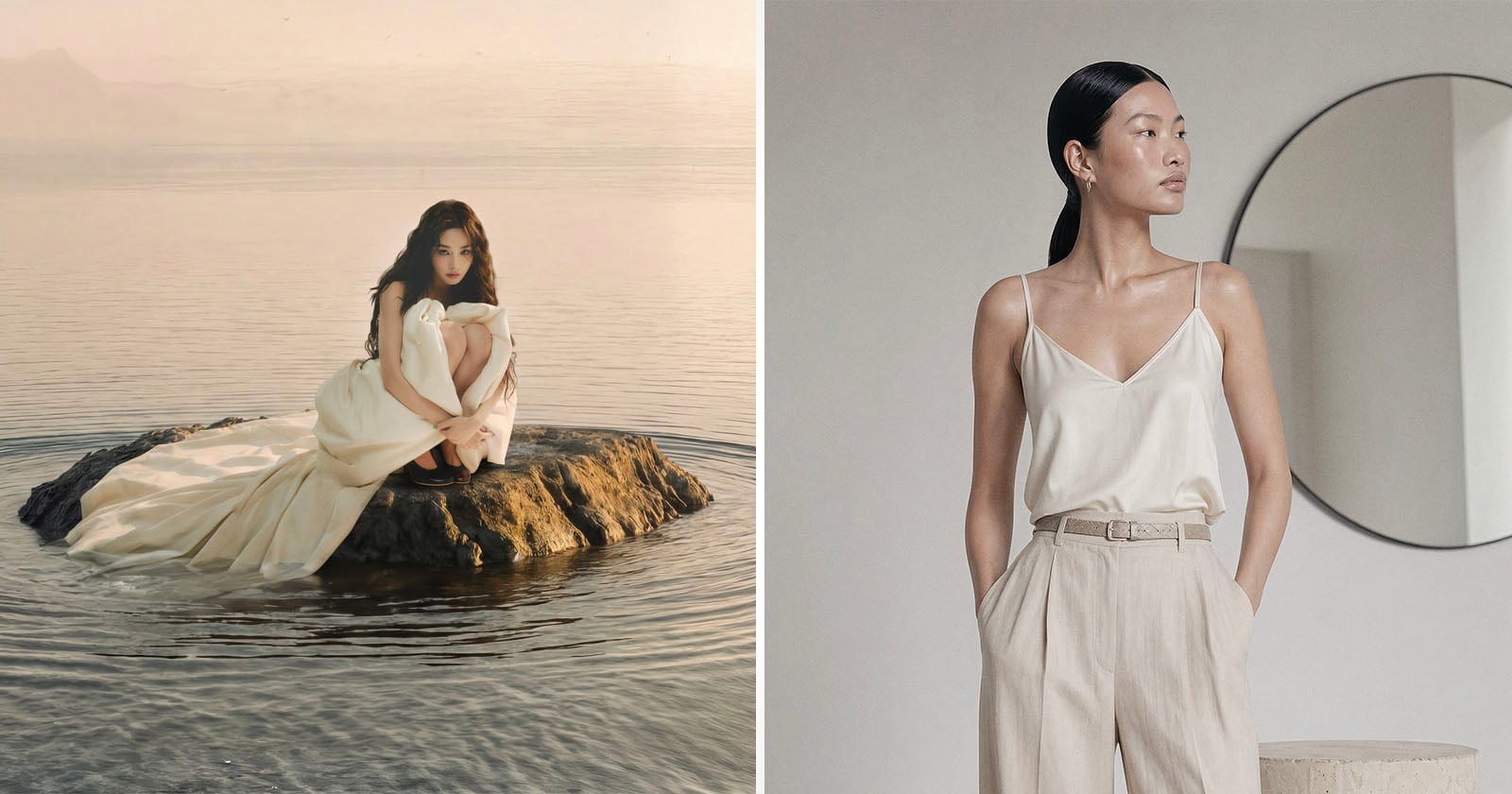
Why it matters: This signals a concrete operational shift in the commissioning pipeline, where AI tools are moving from experimental novelty to a cost-effective pre-visualization and production asset for specific shot types, directly impacting budgeting, crew scaling, and photographer service bundling.
Context: The industry is grappling with AI’s role, often polarized between total rejection and hype-driven adoption. This account provides a grounded, client-facing use case that defines a new service layer between mood boarding and physical production.
"My honest assessment: for smaller brands with modest budgets and images that don’t need to survive close inspection, fully AI-generated product photography is already a practical option." — PETAPIXEL
Commentary: The delineation between AI as a communication tool and a final asset creates a new tier of commercial imagery, potentially segmenting the market. This pressures photographers to either vertically integrate AI concepting as a premium service or cede the low-margin, ‘atmosphere’-focused work to AI-native studios. The explicit focus on budget-conscious clients suggests agencies and in-house teams will recalibrate vendor rosters based on this cost/quality axis, reshaping freelance demand.
Date: May 10, 2026 12:00 AM ET
URL: https://petapixel.com/2026/05/10/a-commercial-photographers-take-on-when-to-use-ai-and-when-not-to/
AI Sentiment Score: Negative (60%)
AI Credibility Score: 10.0/10 — High
Scores and text generated by AI analysis of the source article indicated.
AI Creative Editorial Fashion Photography Generator (Rawshot.Ai)
Summary: A new class of AI tools, including Rawshot.Ai, Lutyle, WearView, Atelier, Lookgen AI, and Modelia, is emerging to generate photorealistic editorial fashion photography. These platforms create on-model visuals, lookbooks, and product shots from user inputs, bypassing traditional photoshoots. The tools are positioned for e-commerce, social content, and concept exploration.
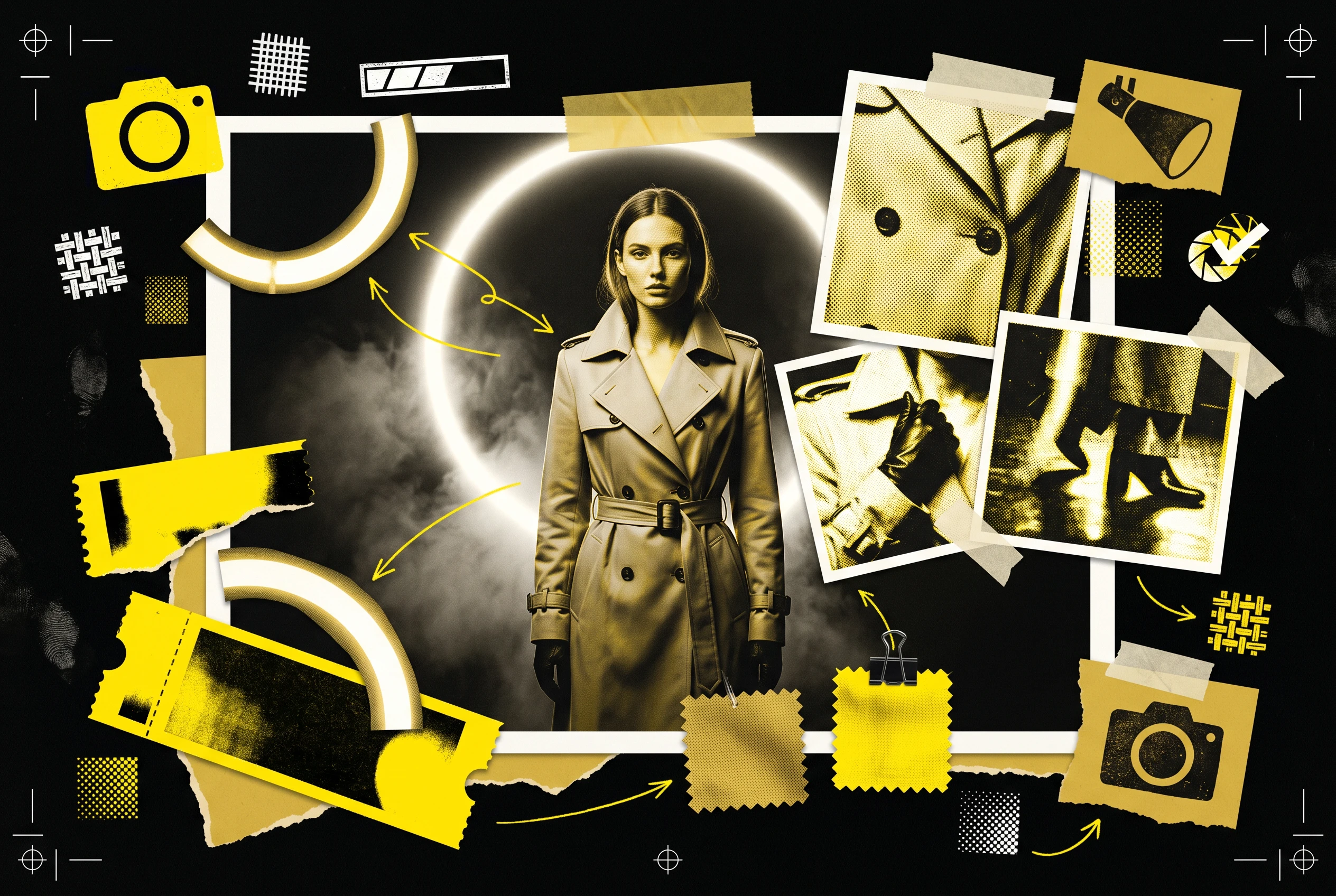
Why it matters: This directly impacts the commissioning economics, labor demand, and production pipeline for fashion photography, shifting budget allocation from physical shoots to software subscriptions.
Context: The fashion industry’s push for faster, cheaper content at scale has driven adoption of CGI and digital tools, with AI now automating the final creative layer previously requiring photographers, models, and studios.
"An AI Creative Editorial Fashion Photography Generator creates fashion/editorial-style images (and in some cases video) that mimic magazine-like photography for outfits, lookbooks, and marketing assets." — RAWSHOT.AI
Commentary: These tools commoditize the baseline ‘polished’ aesthetic, forcing photographers and studios to compete on high-concept, narrative, or experiential work that AI cannot replicate. Post-production and retouching houses face existential pressure, while in-house creative teams at brands gain leverage to produce volume internally, altering vendor relationships. The operational shift will be towards AI-assisted pre-visualization and rapid iteration, with physical shoots reserved for flagship campaigns where brand equity and artistic signature are non-negotiable.
Date: April 22, 2026 12:00 AM ET
URL: https://rawshot.ai/best/ai-creative-editorial-fashion-photography-generator
AI Sentiment Score: Negative (50%)
AI Credibility Score: 10.0/10 — High
Scores and text generated by AI analysis of the source article indicated.
AI Fashion Photography Is Going Mainstream, and Most Brands Are Just Now Noticing (Nerdbot)
Summary: AI-generated fashion photography has moved from experimental novelty to core operational infrastructure for e-commerce, with over 10,000 brands now using platforms like Rewarx Studio AI for scalable visual production. The shift is driven by physics-based rendering engines that solve the long-standing ‘lighting problem,’ producing technically accurate images that satisfy professional scrutiny. This enables 90% cost reductions and time compression from weeks to hours for catalog production, fundamentally altering creative team workflows and commissioning economics.
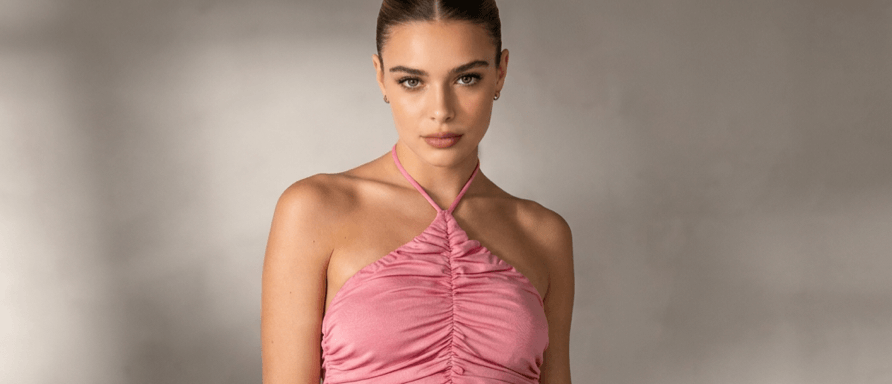
Why it matters: For editorial fashion photographers, creative directors, and brand operators, this mainstream adoption redefines the value chain, splitting high-volume production from creative direction and forcing a reevaluation of studio economics and skill sets.
Context: The transition mirrors earlier digital disruptions in post-production, where automation absorbed repetitive tasks, but the speed and quality threshold crossed here directly targets the core technical craft of commercial photography.
"Professional fashion photographers are not being displaced by AI photography tools. They are using them to handle the parts of their workload that are production-heavy but not creatively demanding." — NERDBOT
Commentary: The operational consequence is a bifurcated market: photographers retain premium rates for editorial and hero campaign work, while AI platforms commoditize high-volume catalog and variant shots. This pressures studios to justify creative fees and accelerates a shift toward strategy and art direction as primary deliverables, with production logistics becoming a software-enabled utility.
Date: 1 week ago
URL: https://nerdbot.com/2026/05/21/ai-fashion-photography-is-going-mainstream-and-most-brands-are-just-now-noticing/
AI Sentiment Score: Positive (40%)
AI Credibility Score: 10.0/10 — High
Scores and text generated by AI analysis of the source article indicated.
How AI, Digital Doubles, and New Laws Are Rewriting Fashi… (Theaicronicle)
Summary: A global legislative push, including the proposed U.S. NO FAKES Act, California’s consent laws, and the EU AI Act’s labeling mandates, is formalizing the legal landscape for AI and digital doubles in fashion. These laws directly address rights of publicity, consent for digital replicas, and transparency for AI-generated content, creating new compliance burdens for brands. Concurrently, the unresolved status of copyright for AI-generated designs introduces significant IP uncertainty for studios and houses.

Why it matters: This legal acceleration directly impacts commissioning budgets, liability for post-production and CGI studios, and the strategic calculus for using digital talent versus human models.
Context: This follows the 2023-2024 SAG-AFTRA and modeling guild strikes, which established consent as a baseline, and reflects a broader industry pivot from experimental AI use to operational integration requiring legal guardrails.
"The fashion and beauty industries have always been at the vanguard of visual innovation, but the emergence of Artificial Intelligence (AI) and ‘digital doubles’ is creating a seismic shift that transcends mere." — THEAICRONICLE
Commentary: The compliance overhead for global campaigns will spike, favoring large houses with in-house legal teams and pressuring smaller studios to standardize rider clauses for model releases. The EU’s labeling rule may bifurcate aesthetic trends, with ‘authentic’ shoots gaining premium marketing value in regulated markets while unlabeled AI content proliferates elsewhere. Most critically, the unresolved copyright question for AI-generated designs stifles investment in fully automated design pipelines, keeping human creative directors as essential—and legally necessary—gatekeepers for the foreseeable future.
Date: May 02, 2026 12:00 AM ET
URL: https://theaicronicle.com/en/news/policy/how-ai-and-digital-doubles-are-rewriting-fashion
AI Sentiment Score: Negative (50%)
AI Credibility Score: 7.0/10 — Medium
Scores and text generated by AI analysis of the source article indicated.
2026: Why Virtual Try-On is Killing the Fashion Photoshoot (Weshop.Ai)
Summary: A 2026 analysis from Weshop.Ai argues that AI-powered Virtual Try-On (VTON) technology, driven by high-fidelity physics models, is rendering the traditional professional fashion photoshoot obsolete. The report cites a 25% increase in conversion rates for brands adopting generative models over representative photography, citing superior scale, speed, and hyper-personalization. The central claim is that the camera has been supplanted by the digital model as the primary tool for fashion imagery.

Why it matters: This directly threatens the economic foundation of editorial fashion photography, impacting commissioning budgets, crew employment, and the entire production pipeline from stylists to post-production houses.
Context: This follows a multi-year trend of computational photography and CGI encroaching on traditional photoshoots, but frames the shift as a definitive, economics-driven paradigm change from ‘post-production’ to ‘generative’ creation.
"But in 2026, the era of the “representative model” is dying. The era of the “personalized digital render” has arrived. Here is the deep dive into the technology, the unit economics, and." — WESHOP.AI
Commentary: The argument hinges on unit economics and conversion metrics, not aesthetics, making it a potent threat to studio and agency business models. If VTON becomes the default for product presentation, it collapses the demand for location scouts, model agencies, lighting technicians, and retouchers. The industry’s pivot will be toward AI model training, 3D asset creation, and pipeline integration, not photographic capture. This redefines ‘editorial’ from a curated visual story to a dynamic, personalized data stream.
Date: April 22, 2026 12:00 AM ET
URL: https://www.weshop.ai/blog/why-2026-is-the-year-the-professional-photoshoot-dies-thanks-to-virtual-try-on/
AI Sentiment Score: Negative (75%)
AI Credibility Score: 10.0/10 — High
Scores and text generated by AI analysis of the source article indicated.
Meet the image maker redefining the future of fashion photography with AI – Emirates Woman (Emirateswoman)
Summary: Sevda Albers, a photographer with a coding background, is commercializing AI-generated fashion imagery by applying a traditional photographer’s workflow—pre-lighting, environment, and casting—to the AI process. Her work, which emphasizes raw, imperfect aesthetics over generic fantasy, has found early commercial traction with luxury clients in the UAE. She positions the technology not as a shortcut but as a tool requiring significant setup and artistic direction to overcome inherent training biases and achieve a specific, artisanal quality.

Why it matters: This signals a shift in commissioning economics and required skill sets, where technical AI fluency and a strong artistic vision become new competitive advantages for photographers, potentially altering studio workflows and client expectations for ‘spent time’ in luxury branding.
Context: The fashion industry is grappling with the integration of AI imagery, balancing fears of generic output and job displacement against demands for innovation and cost efficiency, with major consultancies like McKinsey forecasting normalization by 2028.
"Sevda Albers, a fashion photographer with a background in technology, is using AI imagery to bridge the diversity gap and challenge the industry’s status quo. From navigating initial industry scepticism to advocating." — EMIRATESWOMAN
Commentary: Albers’s model commercializes the ‘setup’ phase, transforming AI from a generation tool into a bespoke pipeline service. This creates a new vendor category: the AI-augmented photographer-director who sells curated technical environments and aesthetic governance. For studios, the implication is a bifurcation between high-volume generic AI production and high-value, director-led AI artistry, with the latter commanding premium rates by replicating the ‘artisanal’ value logic of traditional luxury shoots.
Date: 2 weeks ago
URL: https://emirateswoman.com/meet-the-image-maker-redefining-the-future-of-fashion-photography-with-ai/
AI Sentiment Score: Positive (57%)
AI Credibility Score: 7.0/10 — Medium
Scores and text generated by AI analysis of the source article indicated.
AI Brand Fashion Model Generator (Rawshot.Ai)
Summary: Rawshot.Ai has launched an AI Brand Fashion Model Generator, a tool that allows fashion teams to create and save synthetic models via a click-based interface, then deploy them across campaigns and product catalogs. The system uses 28 adjustable attributes to generate consistent, non-likeness-based models at approximately $0.99 per generation, with full commercial rights and integrated C2PA provenance. It is positioned as a scalable alternative to traditional talent booking and inconsistent prompt-based AI workflows, targeting operational repeatability over creative novelty.
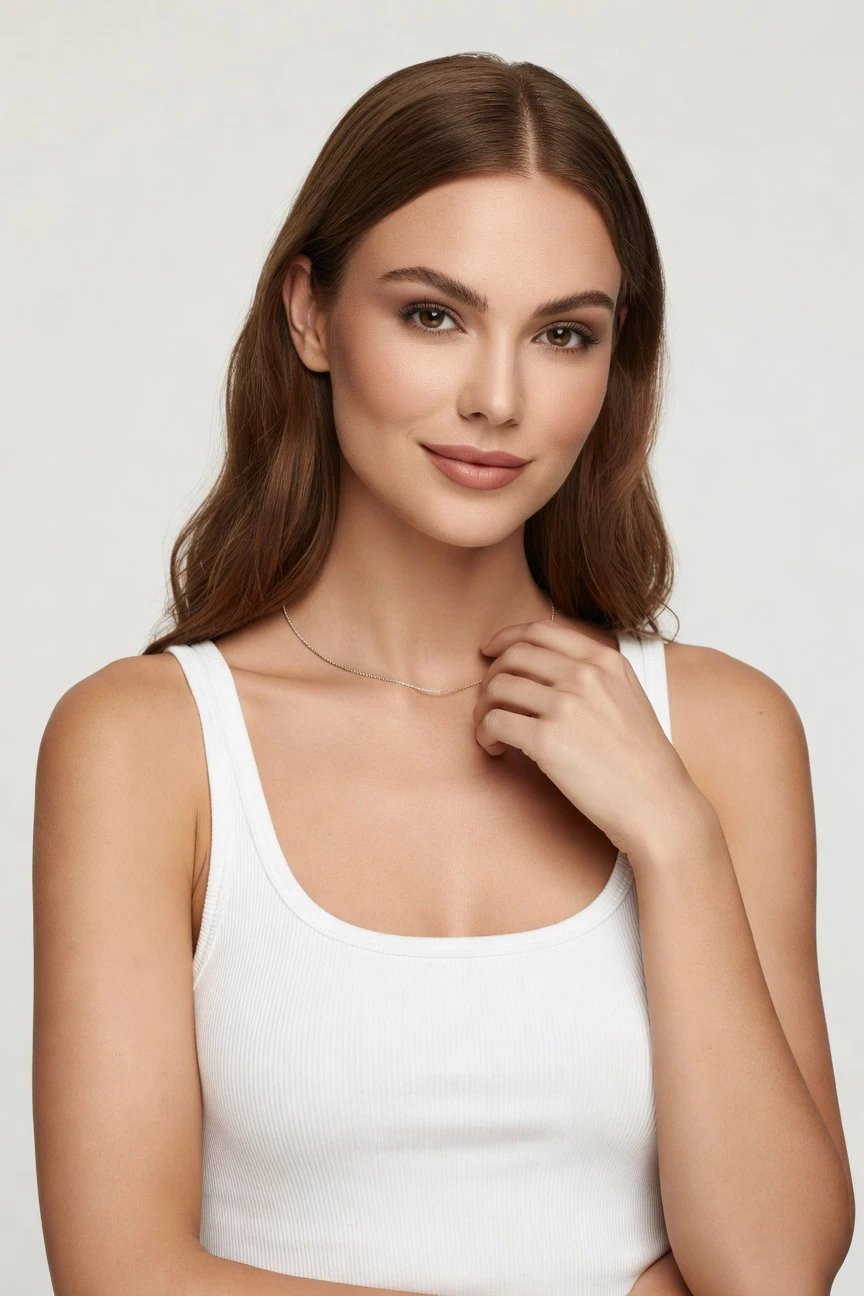
Why it matters: This productizes synthetic model creation, shifting it from a creative experiment to a repeatable, compliance-ready asset in the production pipeline, directly impacting commissioning budgets, studio logistics, and in-house creative labor.
Context: The fashion industry is grappling with the integration of generative AI, balancing demands for visual consistency, garment accuracy, and legal compliance against the cost and unpredictability of traditional shoots and prompt-based tools.
"A prompt can describe one image. It cannot become a shared production system for hundreds of products, models, angles and markets." — RAWSHOT.AI
Commentary: Rawshot’s core proposition is the industrialization of the model asset, decoupling identity from individual shoots. This commoditizes the model’s likeness, potentially reducing demand for mid-tier human talent and reshaping the role of photographers and stylists toward system configuration and art direction. The explicit focus on compliance and provenance (C2PA, EU AI Act) signals a maturation aimed at enterprise adoption, where liability and scale outweigh pure aesthetic experimentation.
Date: May 01, 2026 12:00 AM ET
URL: https://rawshot.ai/features/ai-brand-fashion-model-generator
AI Sentiment Score: Negative (66%)
AI Credibility Score: 10.0/10 — High
Scores and text generated by AI analysis of the source article indicated.
Post ID: c86a3932