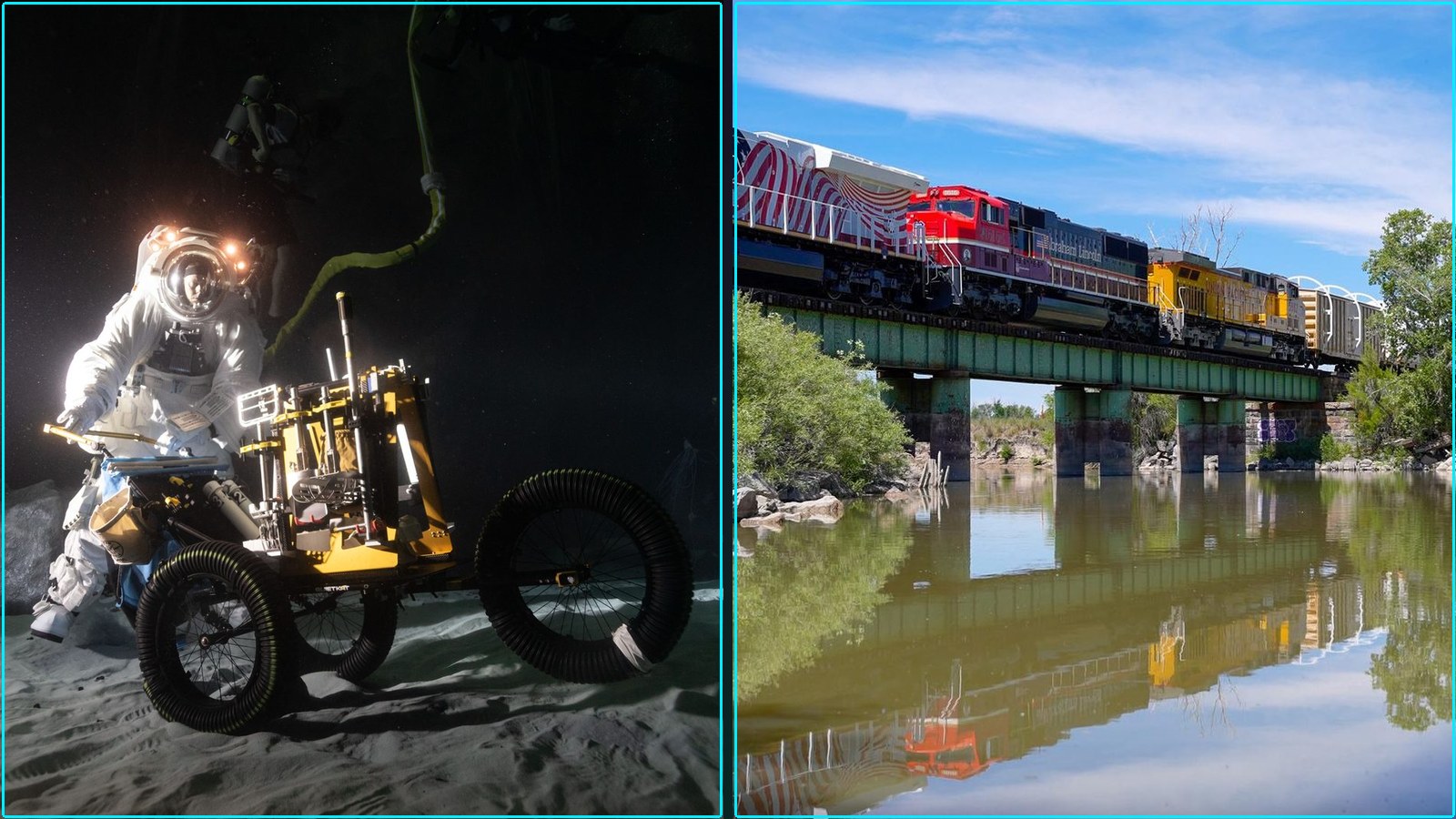
Artemis Moon Mission Hardware and Training
Final Artemis III SLS Booster Segments En Route to NASA Kennedy (Nasa.Gov)
Summary: Final Artemis III SLS Booster Segments En Route to NASA Kennedy The final booster motor segments for NASA’s SLS (Space Launch System) rocket that will help propel Artemis III astronauts on their journey to space shipped from Northrop Grumman’s Railyard Shipping Facility in Corinne, Utah on June 2. The eight booster motor segments are on their way to NASA’s Kennedy Space Center in Florida where they will form the SLS rocket’s twin, five-segment solid rocket boosters, which produce more than 75% of the total thrust at liftoff. Manufactured by SLS booster lead contractor Northrop Grumman in Utah, the solid rocket boosters have three major assemblies with the motor segment being the largest portion of the booster.
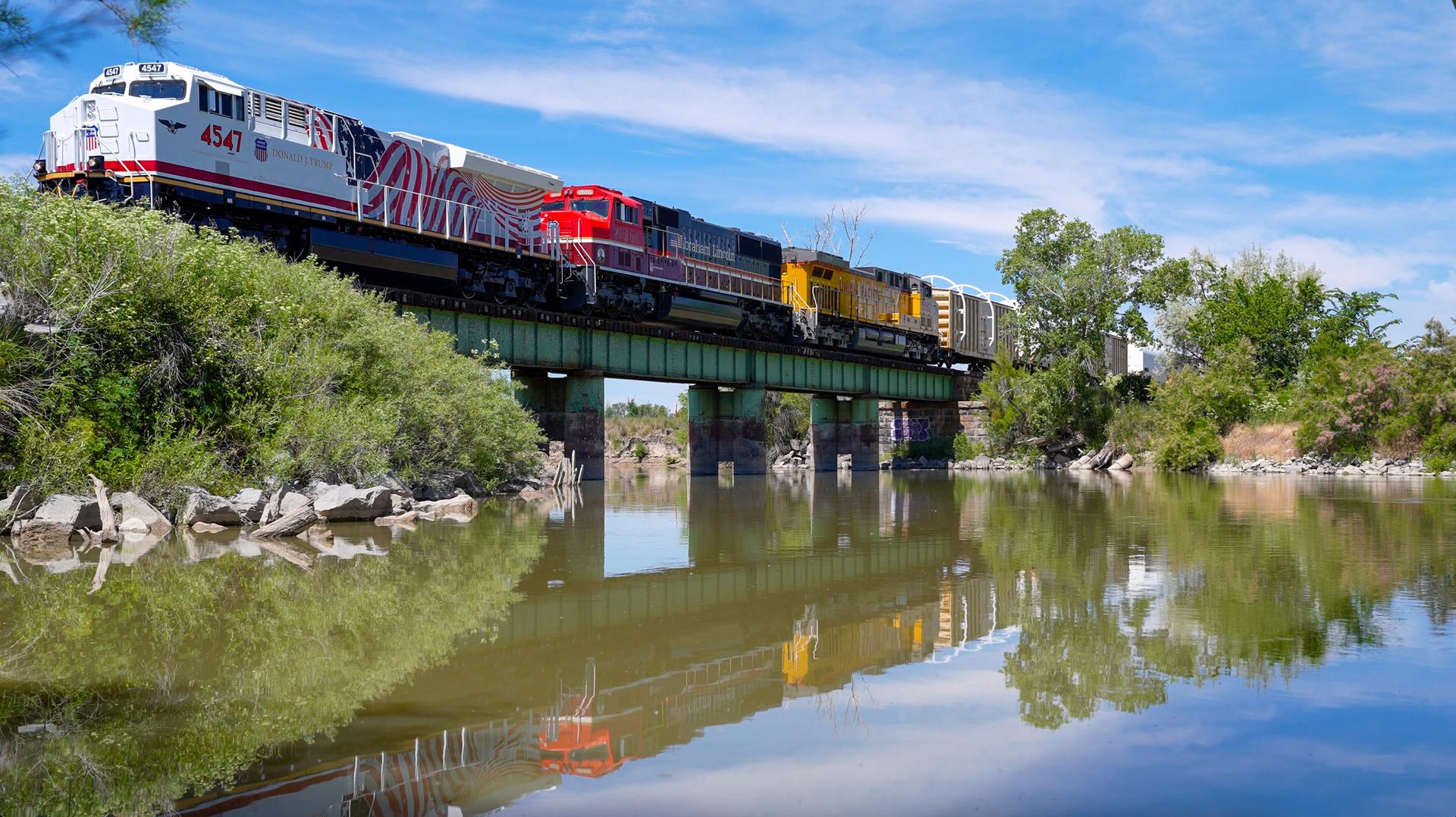
Why it matters: This matters for Space Exploration because it gives a concrete current signal to track: Final Artemis III SLS Booster Segments En Route to NASA Kennedy The final booster motor segments for NASA’s SLS (Space Launch System) rocket that will help propel Artemis III astronauts on their journey to space shipped from Northrop Grumman’s Railyard Shipping Facility in Corinne, Utah on June 2.
Context: Final Artemis III SLS Booster Segments En Route to NASA Kennedy The final booster motor segments for NASA’s SLS (Space Launch System) rocket that will help propel Artemis III astronauts on their journey to space shipped from Northrop Grumman’s Railyard Shipping Facility in Corinne, Utah on June 2. The eight booster motor segments are on their way to NASA’s Kennedy Space Center in Florida where they will form the SLS rocket’s twin, five-segment solid rocket boosters, which produce more than 75% of the total thrust at liftoff. Manufactured by SLS booster lead contractor Northrop Grumman in Utah, the solid rocket boosters have three major assemblies with the motor segment being the largest portion of the booster.
"Final Artemis III SLS Booster Segments En Route to NASA Kennedy The final booster motor segments for NASA’s SLS (Space Launch System) rocket that will help propel Artemis III astronauts on their." — NASA.GOV
Commentary: The immediate implication is operational rather than speculative: watch how this changes budgets, workflows, or risk assumptions over the next cycle.
Date: June 04, 2026 12:53 PM ET
URL: https://www.nasa.gov/blogs/missions/2026/06/04/final-artemis-iii-sls-booster-segments-en-route-to-nasa-kennedy/
AI Sentiment Score: Negative (85%)
AI Credibility Score: 10.0/10 — High
Scores and text generated by AI analysis of the source article indicated.
Spacewalking With Scott Wray, Artemis EVA Training Lead (Nasa.Gov)
Summary: Scott Wray, NASA’s Artemis EVA training lead, has spent over 16 years at Johnson Space Center developing spacewalk training across the Shuttle, ISS, and now Artemis programs. His team is building a lunar surface training curriculum that integrates geology, sample collection, and traverse planning, using facilities like the Neutral Buoyancy Laboratory, Active Response Gravity Offload System, and virtual reality. Wray emphasizes that lunar EVAs require fundamentally different skills than station-based spacewalks, including walking instead of hand-over-hand translation and operating in a new suit under harsh South Pole lighting. The effort aims to prepare astronauts for the Moon and eventually Mars, with training designed to accommodate a wider range of body types and backgrounds.
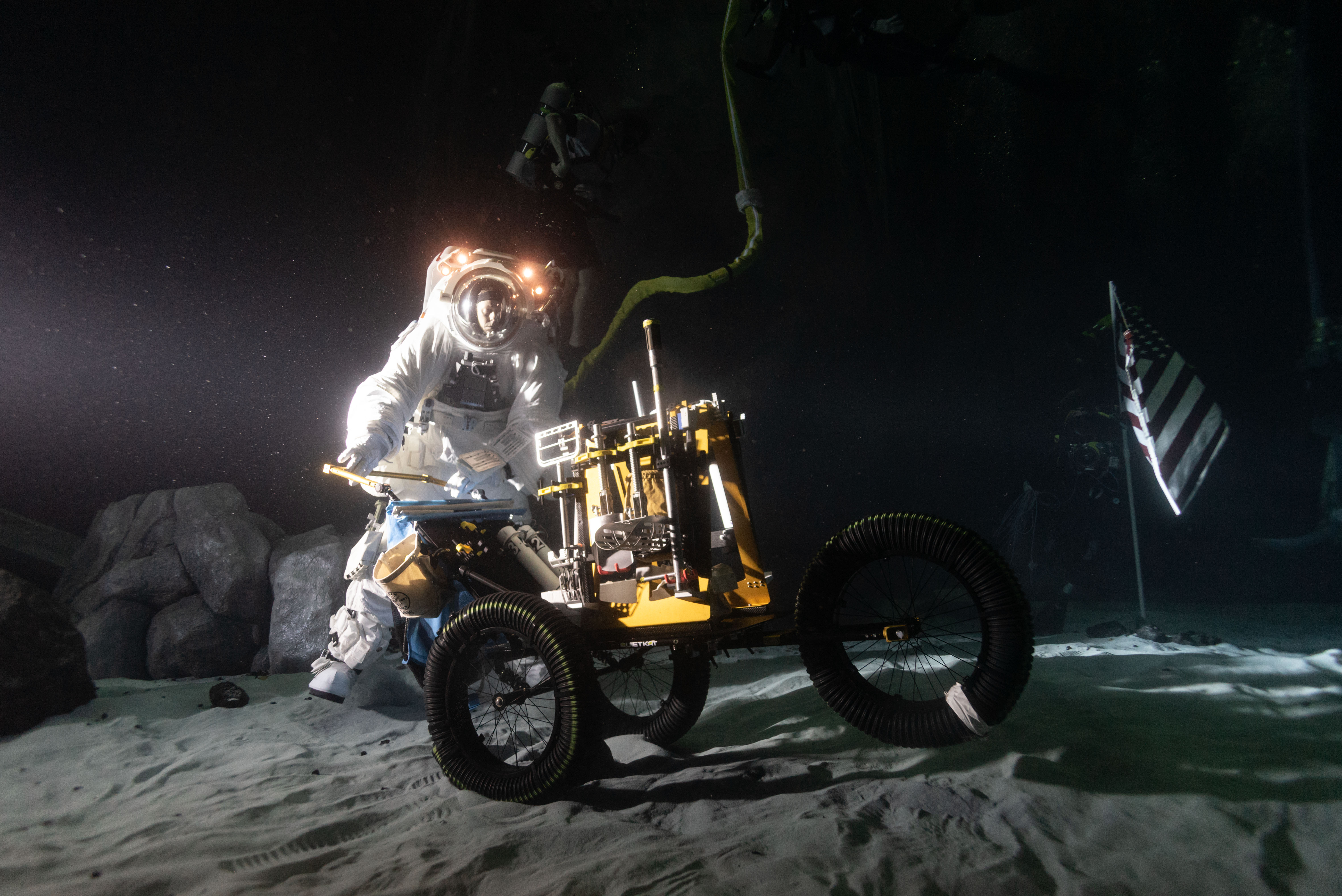
Why it matters: This profile signals that NASA is actively shifting EVA training from low-Earth orbit operations to a lunar surface paradigm, with concrete curriculum changes and facility investments that will define crew readiness for Artemis landings.
Context: The last Apollo lunar surface EVA was in December 1972; Artemis aims to return humans to the Moon this decade, requiring new suits, tools, and training methods for a generation of astronauts who have only trained for microgravity spacewalks.
"Scott Wray’s experience with spacewalks started when he was about 6 years old. A tent resembling a lunar lander provided the perfect imaginary spacecraft. “I would lie on my back with my." — NASA.GOV
Commentary: The shift from hand-over-hand translation to walking is a deceptively simple change that rewrites EVA procedures, tool design, and suit mobility requirements. Wray’s mention of integrating geology and traverse planning into training suggests NASA is treating lunar surface operations as field science expeditions, not just construction or maintenance sorties. The 2013 Parmitano water-in-suit incident remains a live institutional memory, driving the emphasis on vigilance and adaptability. For readers tracking Artemis schedule risk, the existence of a dedicated training lead and multiple simulation environments is a positive signal, but the lack of a finalized lunar suit design remains the critical path item.
Date: Tue, 02 Jun 2026 09:00:00 +0000
URL: https://www.nasa.gov/centers-and-facilities/johnson/spacewalking-with-scott-wray-artemis-eva-training-lead/
AI Sentiment Score: Negative (60%)
AI Credibility Score: 10.0/10 — High
Scores and text generated by AI analysis of the source article indicated.
NASA Testing Wastewater Treatment Facility for Future Moon Base (Nasa.Gov)
Summary: NASA has delivered its Divergent Deployable Wastewater Treatment Facility to the University of North Dakota for testing in a simulated lunar habitat. The system uses three separate bioreactors to process different waste streams—urine, hygiene water, and fecal waste—into nutrients for hydroponic plant growth and reusable water. This marks a shift from laboratory validation toward integrated habitat trials, with the goal of closing life-support loops for future Moon and Mars missions. The tests will assess system reliability, crew training needs, and the feasibility of recycling waste into resources for biomanufacturing and 3D printing.

Why it matters: This is a concrete step toward operational closed-loop life support, moving from concept to integrated analog testing—a critical milestone for sustaining crews beyond low Earth orbit without resupply.
Context: NASA’s Artemis program aims for a sustained lunar presence, and current life support systems rely on Earth resupply. Bioregenerative approaches like this are essential for long-duration missions where resupply is impractical.
"“The tests will help NASA evaluate real-world operation, crew training needs, system reliability, and how wastewater simulants compare with actual human metabolic waste in an analog mission environment,” said Alshami." — NASA.GOV
Commentary: The divergent treatment approach—keeping waste streams separate—is a key engineering choice that acknowledges the concentrated nature of small-crew waste, which Earth systems don’t handle well. The integration with a urine-diverting toilet and the University of North Dakota’s habitat provides a realistic testbed for operational constraints. If successful, this could inform the design of life support for NASA’s next generation of yearlong simulated Mars missions. The parallel work on membrane separation and lactic acid production for 3D printing shows a deliberate strategy to maximize resource recovery beyond just water and nutrients.
Date: Tue, 02 Jun 2026 14:31:18 +0000
URL: https://www.nasa.gov/centers-and-facilities/kennedy/nasa-testing-wastewater-treatment-facility-for-future-moon-base/
AI Sentiment Score: Positive (62%)
AI Credibility Score: 10.0/10 — High
Scores and text generated by AI analysis of the source article indicated.
Post ID: 7cad0717