

Regional Economic Indicators (Southeast Focus)
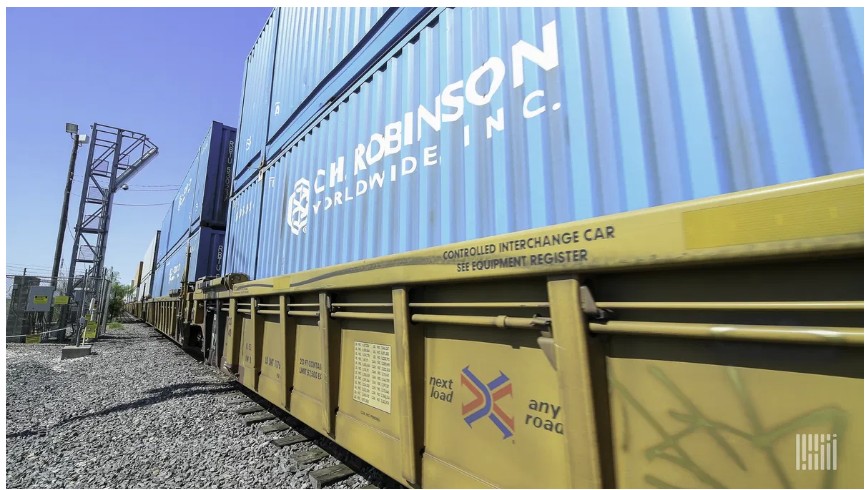
3PL stocks drop in wake of stunning Texas case against C.H. Robinson (Freightwaves)
Summary: A Texas jury’s $604 million compensatory damages award against C.H. Robinson in Lipe vs. Lupus Superior triggered a sector-wide selloff of 3PL stocks, with CHRW falling 9.25% and RXO dropping 7.71%. The verdict, the first major post-Montgomery ruling, eliminates the F4A safety-exception defense that previously shielded brokers from carrier negligence liability. Analysts warn this is the first of many pending cases to move forward, and the jury’s finding that the carrier’s driver was effectively a C.H. Robinson employee could expand broker liability exposure significantly.
Why it matters: For Southeast-focused readers, this ruling reshapes the liability calculus for the region’s dense freight brokerage and third-party logistics cluster, potentially driving up insurance costs, altering carrier vetting standards, and shifting how capital allocates to logistics firms headquartered or operating in the Southeast.
Context: The May 2026 Supreme Court decision in Montgomery vs. Caribe Transport II struck down the F4A safety exception, opening the door for state tort claims against brokers. C.H. Robinson was originally a defendant in that case but was dismissed on F4A grounds, making this Dallas County verdict the first major test of the new legal landscape.
"Verdicts are coming faster than most expected,” the analysts’ report said. “Many pending court cases were waiting for the SCOTUS ruling for more clarity and are now moving forward in the courts. This is…a new reality many brokers will now live with and investors need to assess the risks of more nuclear verdicts in the future." — FREIGHTWAVES
Commentary: The market’s reaction—a 9% single-day drop for CHRW—signals that investors are pricing in systemic risk, not just this one verdict. The jury’s employee-status finding is the sleeper issue: if brokers can be deemed employers of carrier drivers, their liability extends beyond negligent selection into vicarious liability, a far more expensive exposure. Expect carriers and brokers in the Southeast to accelerate adoption of AI-driven safety scoring and real-time monitoring, but no technology will resolve the fundamental legal ambiguity the TD Cowen report flags. The $135 million coverage tower means CHRW’s immediate cash exposure is capped, but the reputational and litigation tail could persist for years, making this a structural overhang on the entire brokerage model.
Date: July 24, 2026 06:05 PM ET
URL: https://www.freightwaves.com/news/3pl-stocks-drop-in-wake-of-stunning-texas-case-against-c-h-robinson
AI Sentiment Score: Negative (71%)
AI Credibility Score: 10.0/10 — High
Scores and text generated by AI analysis of the source article indicated.
The Safety Audit Comes After the Trucks Are Already Rolling. A Long-Dormant Rule Asks Whether That’s Backwards. (Freightwaves)
Summary: FMCSA is revisiting a rulemaking dormant since 2009 that would require new motor carriers to pass a proficiency exam on federal safety regulations before receiving authority, rather than self-certifying knowledge and being audited only after up to 18 months of operation. The agency has scheduled a supplemental advance notice of proposed rulemaking for November 2026, but the process remains early-stage and no requirement is imminent. The debate centers on whether front-loading a knowledge check would meaningfully improve safety or simply add a barrier for small operators.

Why it matters: For the Southeast’s freight-intensive economy, a shift to pre-authorization testing would alter the entry calculus for thousands of new owner-operators and small fleets, potentially reshaping the region’s logistics labor pool and compliance costs.
Context: The rulemaking stems from a 2009 petition by Advocates for Highway and Auto Safety, which argued that the 1999 Motor Carrier Safety Improvement Act contemplated a proficiency exam that FMCSA never implemented. The current system’s self-certification and post-operational audit have been criticized for allowing carriers to operate for months without verified knowledge of critical rules like drug testing and hours-of-service.
"The knowledge belongs before. The performance belongs after. The current system puts almost everything after, and that is the specific imbalance the rulemaking is examining." — FREIGHTWAVES
Commentary: The strongest objection—that performance audits require operational history—doesn’t defeat the proposal, because it conflates knowledge checks with performance audits. A pre-authorization exam would split the process: verify regulatory knowledge up front, keep performance audits after operation. For the Southeast, where small carriers dominate and freight fraud is rising, this could be a meaningful filter, but the 17-year stall suggests the political and industry resistance remains formidable.
Date: July 26, 2026 11:43 AM ET
URL: https://www.freightwaves.com/news/the-safety-audit-comes-after-the-trucks-are-already-rolling-a-long-dormant-rule-asks-whether-thats-backwards
AI Sentiment Score: Positive (40%)
AI Credibility Score: 10.0/10 — High
Scores and text generated by AI analysis of the source article indicated.
Post ID: 52bca751