
Ancient Discoveries Rewriting Human History
Archaeologists Looked Into a 2,500-Year-Old Well—and Found Strange Remains of a Lost Civilization – AOL (Aol)
Summary: During the University of Bologna’s 39th excavation campaign at the Kainua Archaeological Park, a team led by Elisabetta Govi discovered a 2,500-year-old ritual well containing two bronze female statuettes, a rare bronze plate, and the skeletons of two adults. The bronze offerings, placed during a consecration ritual tied to the city’s founding, contrast with the human remains that marked the well’s deliberate closure. The artifacts retain their original lustrous sheen and will be placed in the National Etruscan Museum of Marzabotto.
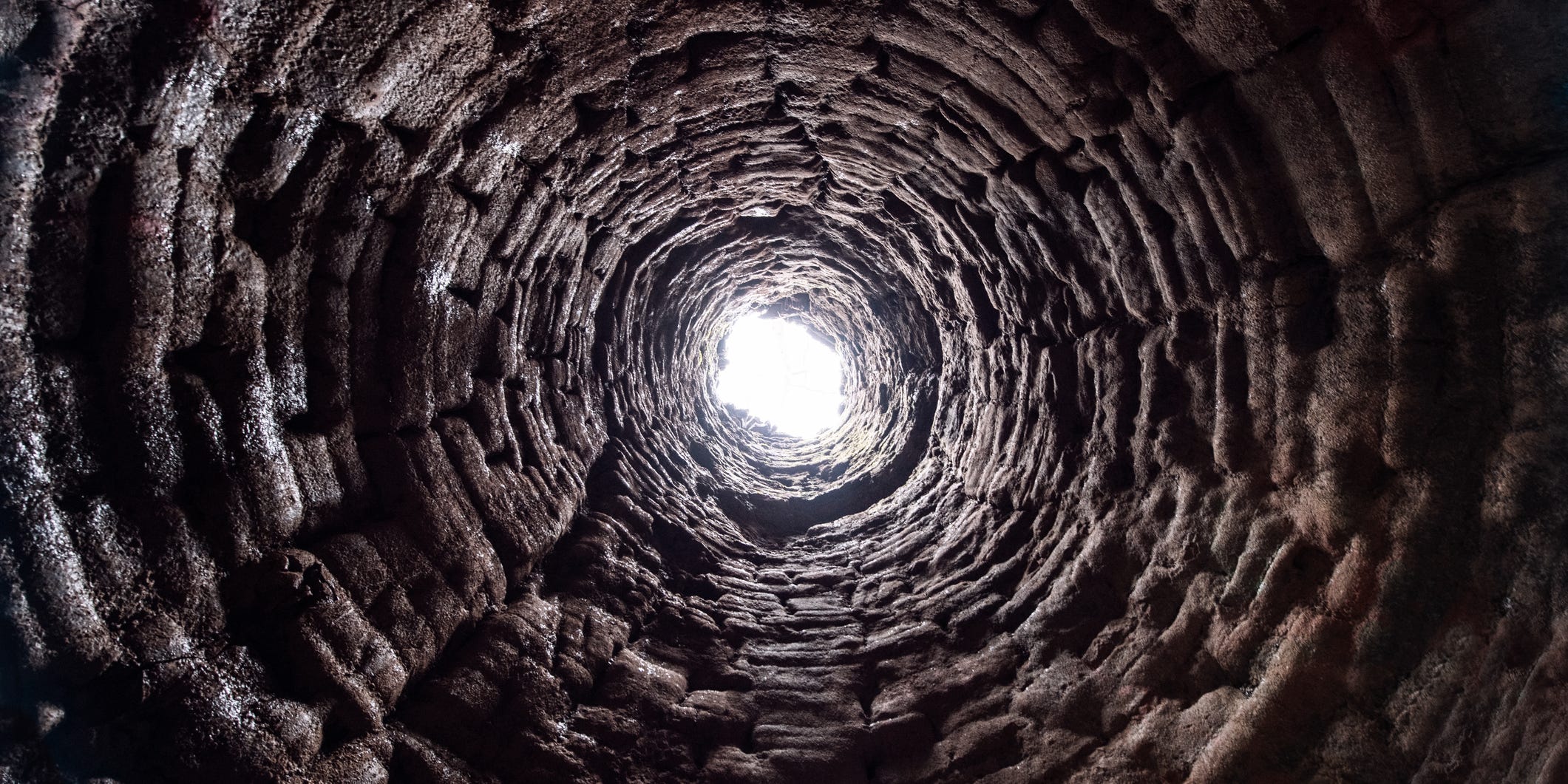
Why it matters: This discovery enriches knowledge of Etruscan foundation rites and religiosity, offering rare material evidence of how a city’s birth and closure were ritually marked, and it provides the first known Etruscan-made bronze plate, deepening understanding of Etruscan metalworking and symbolic practices.
Context: The well sits in the urban sacred area of Kainua, near temples dedicated to Tinia and Uni, and earlier excavations in the sanctuary revealed evidence of the cult of Vei, patroness of fertility, situating the find within a rich religious context.
"“At the bottom of the well—excavated with the invaluable field collaboration of the Gruppo Ravennate Archeologico—we found two extraordinary bronze female statuettes and an extremely rare bronze dish, all of which still retain the metal’s original lustrous sheen,” Govi said in a translated statement from the university." — AOL
Commentary: The deliberate contrast between birth-symbolizing bronze and death-marking human remains suggests a ritual cycle that framed the well’s entire lifecycle, not just its use. The team’s plan to study the skeletons—while ruling out human sacrifice—will likely clarify whether the closure was a communal act or a response to crisis. The bronze plate’s uniqueness as the first Etruscan-made example in that material underscores how much remains unknown about Etruscan craft and ritual, and the find’s placement in a national museum ensures public access to this new evidence.
Date: August 21, 2026 09:00 AM ET
URL: https://aol.com/articles/archaeologists-looked-2-500-old-130000000.html
Generated Analysis Tone: Negative (85%)
Source Registry Score: 10.0/10 — High
Generated text and tone describe the analysis; the source registry score is not a factual truth rating.
1,700-year-old church discovered under a lake in Turkey may be the location of the First Council of Nicaea — but other experts disagree (Livescience)
Summary: Archaeologists excavating a site beneath Lake İznik in Turkey have uncovered a smaller church beneath a larger basilica, which they propose may be the location of the First Council of Nicaea in A.D. 325. The lead archaeologist, Mustafa Şahin, cites Eusebius of Caesarea’s reference to a ‘house of prayer’ as support, but outside experts caution that the smaller church is not securely dated and that the council’s main meetings likely occurred in Constantine’s imperial palace, which has not been found. The excavation is ongoing.
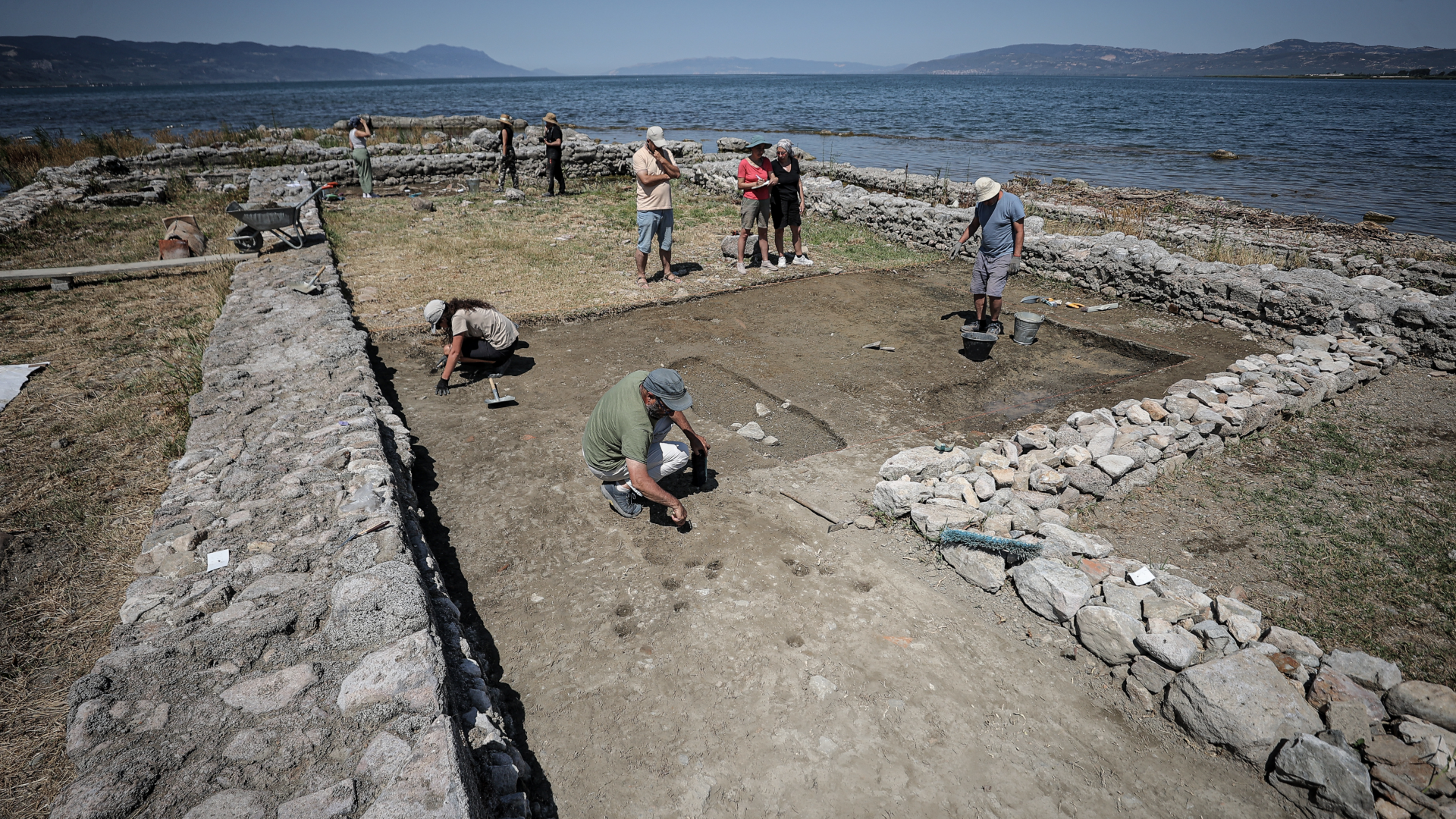
Why it matters: The source states that the council was ‘an event of huge importance to the development of Christianity,’ and the excavations ‘shed a further interesting light as well as attracting renewed attention’ to it, indicating the discovery’s significance for understanding the physical setting of that foundational meeting.
"One of the council attendees, named Eusebius of Caesarea, "explicitly states that the meeting took place in a ‘house of prayer’ or a small church," and this newly discovered church fits that description better than the basilica, Şahin said." — LIVESCIENCE
Date: August 17, 2026 11:00 AM ET
URL: https://www.livescience.com/archaeology/middle-east/1-700-year-old-church-discovered-under-a-lake-in-turkey-may-be-the-location-of-the-first-council-of-nicaea-but-other-experts-disagree
Generated Analysis Tone: Neutral (50%)
Source Registry Score: 10.0/10 — High
Generated text and tone describe the analysis; the source registry score is not a factual truth rating.
Fire-flame vessel: An exquisitely crafted 4,500-year-old pot from a mysterious culture in Japan (Livescience)
Summary: A 4,500-year-old fire-flame vessel (ka’en doki) from Japan’s Jōmon period, now in the Cleveland Museum of Art, is the largest and best preserved of its kind. Made circa 2500 B.C. on Honshu, the pot features stylized flames on the rim and was built coil by coil. Its purpose remains unknown; experts suggest it may have been sunk into the ground for cooking, but its delicate decoration and pointy flames indicate it was likely not an everyday ceramic. The vessel demonstrates that the Jōmon, a hunter-gatherer people without a written language, had sophisticated pottery technology and valued aesthetically pleasing earthenware.
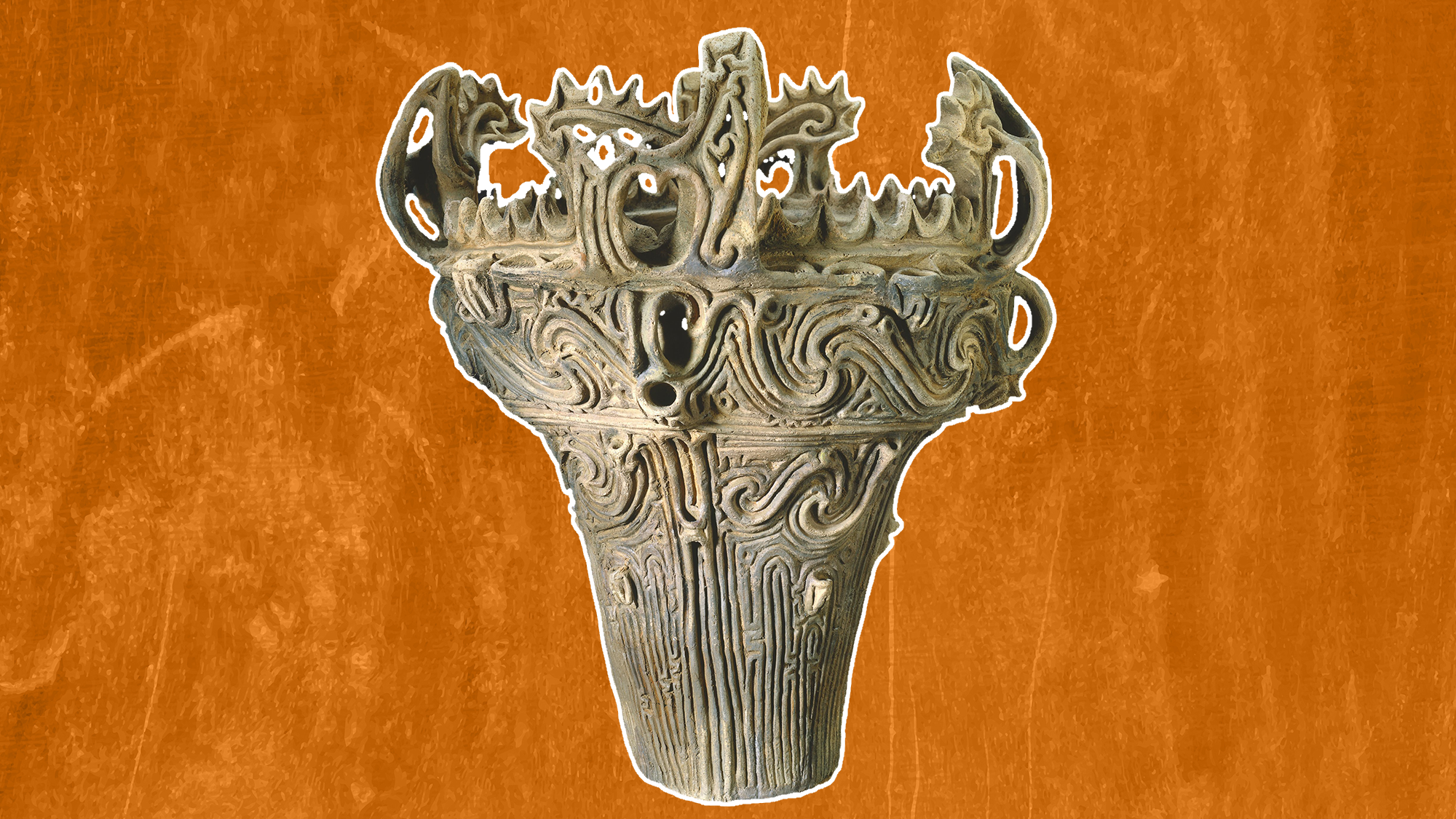
Why it matters: The vessel’s existence shows that the Jōmon people had sophisticated pottery technology long before many other civilizations did, and that this hunter-gatherer people enjoyed aesthetically pleasing—rather than purely functional—earthenware, according to Rao.
"Fire-flame vessels show that the Jōmon people had sophisticated pottery technology long before many other civilizations did and that this hunter-gatherer people enjoyed aesthetically pleasing — rather than purely functional — earthenware, according to Rao." — LIVESCIENCE
Date: August 17, 2026 06:00 AM ET
URL: https://www.livescience.com/archaeology/fire-flame-vessel-an-exquisitely-crafted-4-500-year-old-pot-from-a-mysterious-culture-in-japan
Generated Analysis Tone: Neutral (50%)
Source Registry Score: 10.0/10 — High
Generated text and tone describe the analysis; the source registry score is not a factual truth rating.
Archaeologists uncover human offering at ancient ceremonial site in Lima (Euronews)
Summary: Archaeologists in Lima have uncovered the skeletal remains of an adult believed to have been placed as a ritual offering at Huaca Pucllana. The body was found inside a ceremonial canal dating to around 650 AD, when the Lima culture flourished on Peru’s central coast. The position of the remains points to an intentional ritual placement, according to lead archaeologist Gladys Paz. The excavation has also uncovered ceramic pieces, adding further evidence of activity at the ceremonial centre.

Why it matters: The discovery offers archaeologists an opportunity to learn more about how ceremonies were conducted at the site more than 1,300 years ago.
"We are looking at the discovery of a human offering found inside a ceremonial canal belonging to the Lima culture," said Paz. "We are located at Huaca Pucllana, which corresponds to Sector B of Huaca Chica, at what would have been the main gate or entrance to the ceremonial center around 650 AD." — EURONEWS
Commentary: The find provides another glimpse into the rituals and beliefs of the people who lived in the area long before modern Lima was founded. The remains are expected to be removed from the excavation site in the coming days, and the site’s location in the heart of modern Lima highlights the contrast between ancient archaeological sites and the city’s homes, businesses, and public infrastructure.
Date: August 20, 2026 06:05 AM ET
URL: https://euronews.com/culture/2026/08/20/archaeologists-uncover-human-offering-at-ancient-ceremonial-site-in-lima
Generated Analysis Tone: Negative (66%)
Source Registry Score: 10.0/10 — High
Generated text and tone describe the analysis; the source registry score is not a factual truth rating.
Natufian Hunters May Have Consumed Reptiles (Archaeology)
Summary: Analysis of cut marks on bones suggests that Natufian hunter-gatherers at el-Wad Terrace on Mount Carmel, some 15,000 years ago, hunted and consumed reptiles, including large snakes and the European glass lizard. Researchers from Kiel University and the University of Haifa used microscopes to distinguish butchered bones from those of naturally deceased reptiles or those eaten by other animals. The marks appeared at consistent locations on large snake bones, and the team hypothesizes that the Natufians preferred relatively large, slow, and non-dangerous reptiles, rarely catching venomous vipers.
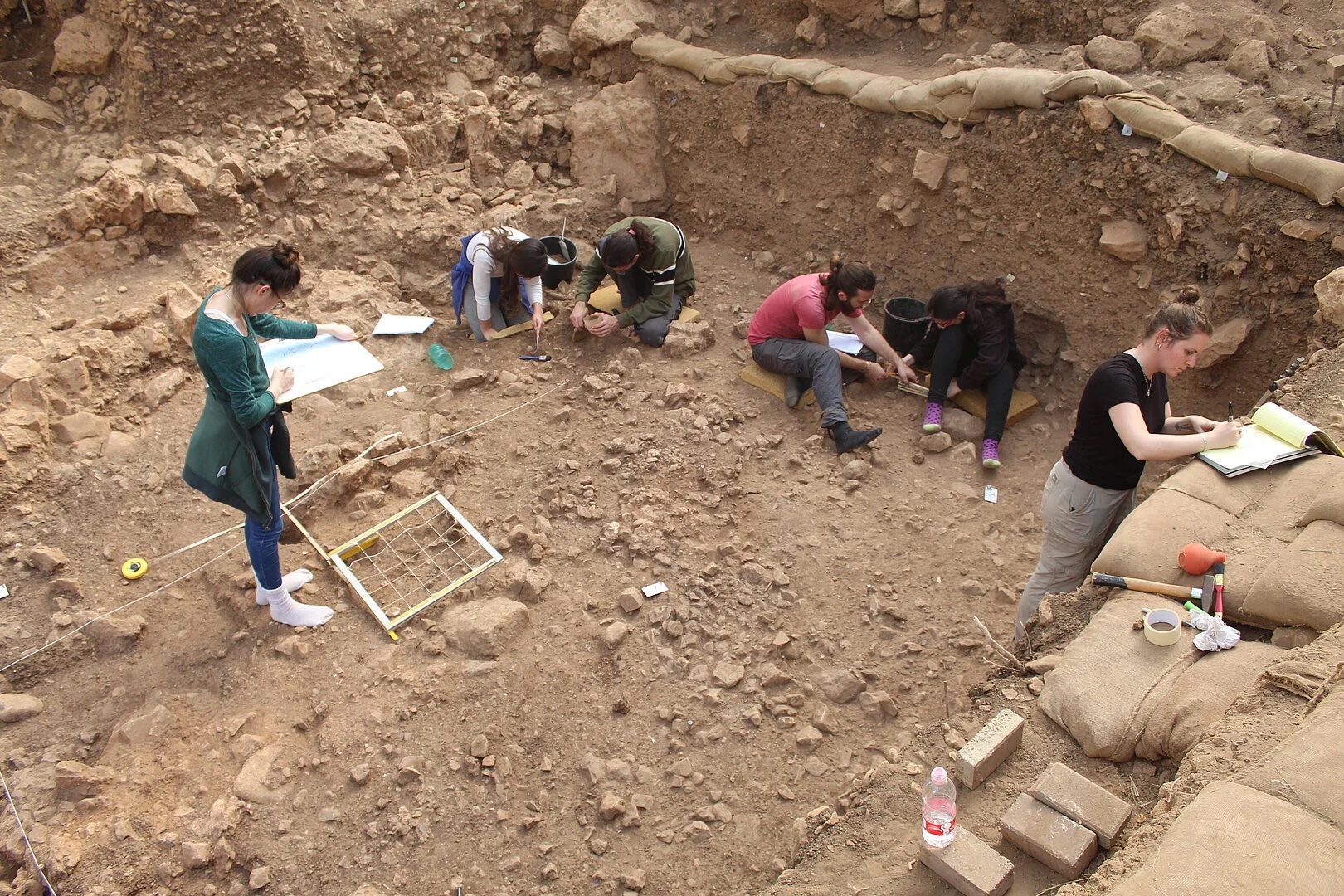
Why it matters: The source explicitly states that as these hunter-gatherers became more sedentary, they may not have had such a wide variety of food choices as when they had been nomadic, indicating a dietary shift tied to sedentism.
"“Lizards and snakes became an important part of [the Natufian] diet during this period,” said Maayan Lev of Kiel University. As these hunter-gatherers became more sedentary, they may not have had such a wide variety of food choices as when they had been nomadic, Lev explained." — ARCHAEOLOGY
Date: August 21, 2026 01:00 PM ET
URL: https://archaeology.org/news/2026/08/21/natufian-hunters-may-have-consumed-reptiles/
Generated Analysis Tone: Neutral (50%)
Source Registry Score: 10.0/10 — High
Generated text and tone describe the analysis; the source registry score is not a factual truth rating.
Post ID: 28f1d46c