Scientific Discoveries and Research Breakthroughs
Scientists create supercharged vitamin K that helps the brain heal itself (Sciencedaily)
Summary: Researchers at Japan’s Shibaura Institute of Technology have synthesized novel vitamin K analogues by hybridizing the compound with retinoic acid components. In vitro and mouse model studies show one lead compound, dubbed Novel VK, exhibits threefold greater potency than natural vitamin K in driving neuronal differentiation from neural progenitor cells. The compound demonstrates enhanced blood-brain barrier penetration and appears to act through the mGluR1 pathway, a known synaptic regulator. This represents a preclinical step toward a regenerative, rather than merely symptomatic or disease-slowing, therapeutic strategy for neurodegenerative conditions.
Why it matters: It signals a shift in the Alzheimer’s/FTD therapeutic pipeline from purely disease-modifying (e.g., anti-amyloid) to potentially restorative approaches, targeting the core pathology of neuronal loss.
Context: The field is moving beyond symptom management and amyloid-targeting biologics, with growing research into neurogenesis and cell replacement, though no clinically proven regenerative therapies exist.
"The newly synthesized vitamin K analogues demonstrated approximately threefold greater potency in inducing the differentiation of neural progenitor cells into neurons compared to natural vitamin K. Since neuronal loss is a hallmark of neurodegenerative diseases such as Alzheimer’s disease, these analogues may serve as regenerative agents that help replenish lost neurons and restore brain function." — SCIENCEDAILY
Commentary: This is a classic medicinal chemistry play: boosting a natural compound’s potency and bioavailability. The mGluR1 mechanism is a plausible, if early-stage, target. The real hurdle remains translating rodent neurogenesis into functional, integrated neural circuits in a diseased human brain—a leap no current therapy has made. It expands the toolkit but doesn’t yet change the clinical calculus.
Date: Wed, 27 May 2026 00:02:46 EDT
URL: https://www.sciencedaily.com/releases/2026/05/260526233433.htm
AI Sentiment Score: Negative (75%)
AI Credibility Score: 10.0/10 — High
Scores and text generated by AI analysis of the source article indicated.
Scientists reversed memory loss by recharging the brain’s tiny engines (Sciencedaily)
Summary: A team from Inserm and the University of Bordeaux, in collaboration with Université de Moncton, has demonstrated a direct causal link between mitochondrial dysfunction and cognitive decline in mouse models of dementia. Using a novel synthetic tool, mitoDreadd-Gs, to temporarily boost mitochondrial activity, they reversed memory deficits. This positions impaired neuronal energy production not as a mere consequence of neurodegeneration, but as a potential driver of early symptoms. The findings, published in Nature Neuroscience, suggest a new therapeutic axis distinct from targeting amyloid or tau.
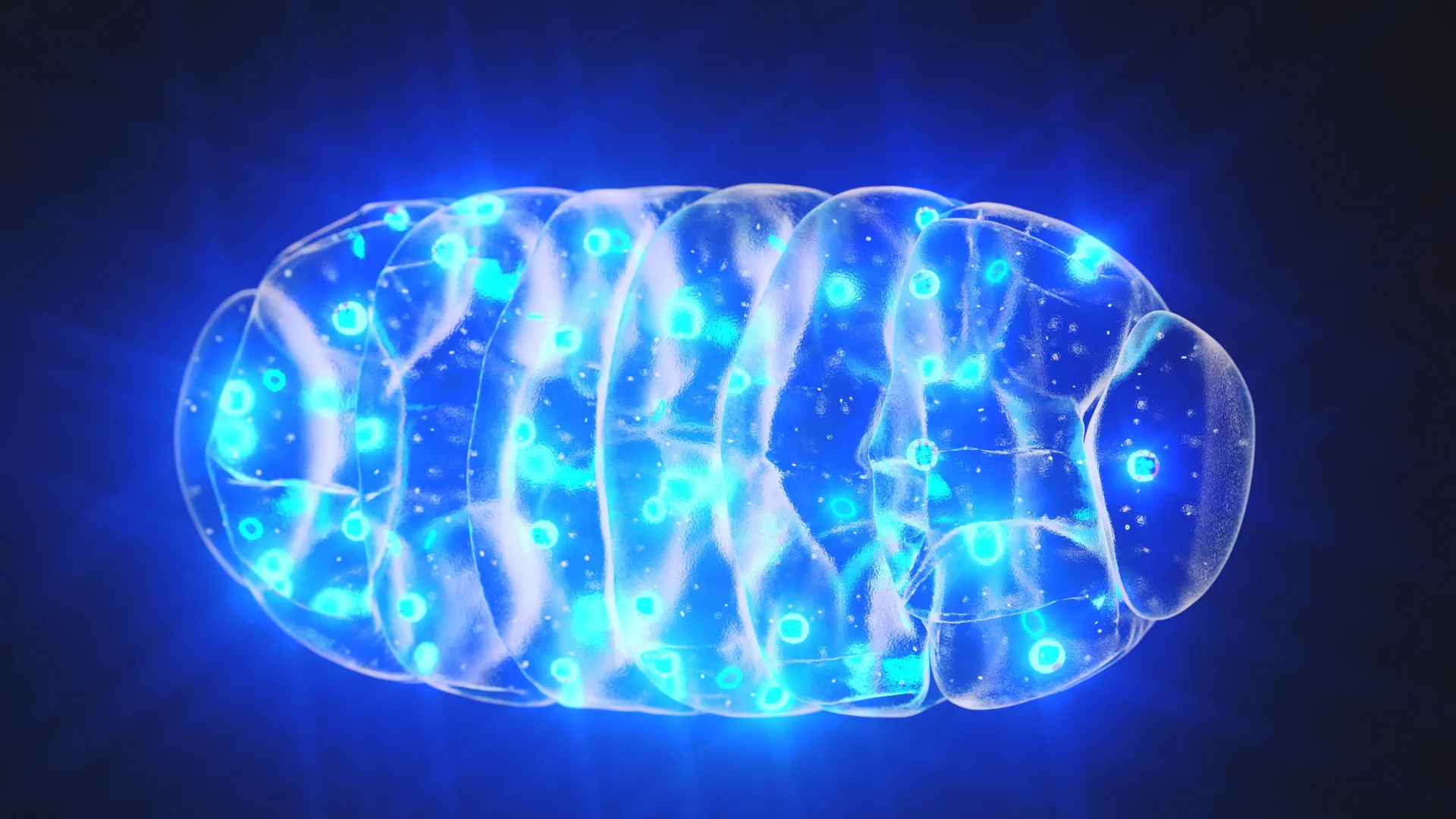
Why it matters: It reframes a core pathological mechanism in Alzheimer’s and FTD, shifting the focus from structural hallmarks to cellular energetics, which could unlock a new class of symptomatic or disease-modifying interventions.
Context: The amyloid and tau-centric models have dominated therapeutic development for decades, with limited clinical success. A growing body of research is examining upstream metabolic and bioenergetic failures as earlier, more fundamental events in the disease cascade.
""This work is the first to establish a cause-and-effect link between mitochondrial dysfunction and symptoms related to neurodegenerative diseases, suggesting that impaired mitochondrial activity could be at the origin of the onset of neuronal degeneration," explains Giovanni Marsicano, Inserm research director and co-senior author of the study." — SCIENCEDAILY
Commentary: The operational significance lies in the tool itself: mitoDreadd-Gs provides a precise method to test the bioenergetic hypothesis in vivo, moving beyond correlative observations. If validated in further models, this shifts the commercial and research landscape toward mitochondrial modulators, potentially creating a new niche for biotechs like Cerevel or Biohaven that are already exploring metabolic pathways. The immediate implication is not a treatment, but a re-prioritization of resource allocation within academic and early-stage R&D.
Date: Sat, 16 May 2026 09:30:59 EDT
URL: https://www.sciencedaily.com/releases/2026/05/260515234803.htm
AI Sentiment Score: Negative (71%)
AI Credibility Score: 10.0/10 — High
Scores and text generated by AI analysis of the source article indicated.
Scientists found a hidden Alzheimer’s trigger and shut it down (Sciencedaily)
Summary: Indiana University researchers have identified an enzyme, IDOL, as a novel target for Alzheimer’s intervention. In preclinical models, deleting the IDOL gene specifically from neurons—not the expected immune cells—significantly reduced amyloid plaque levels and APOE, a key risk factor protein. The intervention also appeared to enhance pathways linked to neuronal resilience and communication. This suggests a potential therapeutic strategy that could both reduce pathology and bolster the brain’s inherent defenses.
Why it matters: This represents a distinct mechanistic pathway beyond current amyloid-clearing antibodies, potentially offering a more targeted, small-molecule approach that could address both pathology and cognitive resilience.
Context: The Alzheimer’s therapeutic landscape is dominated by anti-amyloid monoclonal antibodies (e.g., lecanemab, donanemab), which are effective but carry significant side-effect profiles and logistical burdens. Research has increasingly focused on alternative targets and the concept of ‘resilience’—why some individuals with pathology avoid severe symptoms.
[Summary note] Indiana University researchers have identified an enzyme, IDOL, as a novel target for Alzheimer’s intervention.
Commentary: The neuronal, not microglial, locus of effect is a critical finding, shifting the focus from immune clearance to intrinsic neuronal metabolism. Successfully targeting IDOL with a small molecule could yield a more precise, orally administered therapy, but the leap from mouse models to human neuroprotection remains vast. This work underscores the field’s pivot toward multi-pronged approaches that mitigate pathology while actively supporting synaptic health.
Date: Wed, 20 May 2026 08:54:32 EDT
URL: https://www.sciencedaily.com/releases/2026/05/260519224334.htm
AI Sentiment Score: Positive (40%)
AI Credibility Score: 10.0/10 — High
Scores and text generated by AI analysis of the source article indicated.
This experimental molecule reversed established memory … (Futura-Sciences)
Summary: University of Pennsylvania researchers reported in 2023 that injecting the fatty-acid molecule 4-phenylbutyrate (PBA) into Alzheimer’s model mice reversed established memory deficits and inhibited amyloid plaque formation, even when treatment began in middle age. The protocol restored protein balance in memory-related brain regions. The molecule is already FDA-approved for urea cycle disorder, providing an existing human safety profile. The work remains preclinical, with no announced human trials as of May 2026.

Why it matters: It suggests a potential path to disease-modifying therapy for established Alzheimer’s, not just prevention, and leverages a molecule with known human safety.
Context: The Alzheimer’s field is shifting focus from amyloid clearance alone to broader proteostatic and metabolic pathways, while repurposing approved drugs offers a potentially faster development track.
"In December 2023, researchers at the University of Pennsylvania published results that altered how scientists approach Alzheimer’s treatment. The team injected a fatty-acid molecule called 4-phenylbutyrate (PBA) into mice engineered to develop." — FUTURA-SCIENCES
Commentary: The reversal of established deficits in a late-stage intervention model is the standout finding, moving the needle from slowing decline to functional recovery in animals. The repurposing angle for PBA is tactically significant for development speed, but the proteostatic mechanism—restoring protein balance—may be as important as the amyloid effect. The long gap between the 2023 publication and the 2026 reporting date, with no human trials announced, underscores the persistent valley between compelling preclinical data and clinical translation in neurodegeneration.
Date: May 18, 2026 12:00 AM ET
URL: https://www.futura-sciences.com/en/alzheimer-reversible-the-discovery-that-shocked-scientists-and-revived-fading-memories_32155/
AI Sentiment Score: Positive (40%)
AI Credibility Score: 10.0/10 — High
Scores and text generated by AI analysis of the source article indicated.
Scientists discover why Alzheimer’s risk hits women so much harder (Sciencedaily)
Summary: A UC San Diego study analyzing over 17,000 adults finds that common modifiable dementia risk factors, such as hypertension, high BMI, hearing loss, and diabetes, have a disproportionately stronger negative association with cognitive performance in women than in men. This differential impact persists even for factors more prevalent in men, suggesting a sex-specific vulnerability. The research posits that tailoring prevention strategies to these differential impacts, rather than just prevalence, could be more effective.

Why it matters: This challenges a one-size-fits-all approach to dementia prevention and underscores the need for sex-stratified clinical guidelines and research to address the disproportionate burden of Alzheimer’s disease on women.
Context: Women account for nearly two-thirds of Alzheimer’s cases in the U.S., a disparity not fully explained by longevity alone. Research is increasingly focusing on how biological and social factors converge to shape sex-specific risk pathways.
"Scientists discover why Alzheimer’s risk hits women so much harder Scientists discovered that common dementia risk factors may damage women’s brains more intensely than men’s. – Date: – May 20, 2026 -." — SCIENCEDAILY
Commentary: The study shifts the focus from epidemiological prevalence to biological and social potency, arguing for a precision public health model in dementia prevention. It implies that clinical priorities for women should aggressively target cardiovascular and metabolic health, even at moderate levels, and may pressure funding bodies to mandate sex-disaggregated analysis in all aging research. The operational takeaway is that risk factor management must be calibrated by sex, not just population averages.
Date: Wed, 20 May 2026 09:04:32 EDT
URL: https://www.sciencedaily.com/releases/2026/05/260519224312.htm
AI Sentiment Score: Negative (91%)
AI Credibility Score: 10.0/10 — High
Scores and text generated by AI analysis of the source article indicated.
CBD may slow Alzheimer’s by calming the brain’s immune system (Sciencedaily)
Summary: A study led by Babak Baban at Augusta University, published in eNeuro, demonstrates that inhaled CBD reduced neuroinflammation in a mouse model of Alzheimer’s disease. The research identified specific immune pathways, including IDO and cGAS, that were modulated by CBD, suggesting a multi-target mechanism. The findings position CBD as a potential therapeutic not only for its previously observed effects on amyloid plaques and tau tangles but also for calming the brain’s chronic inflammatory response.
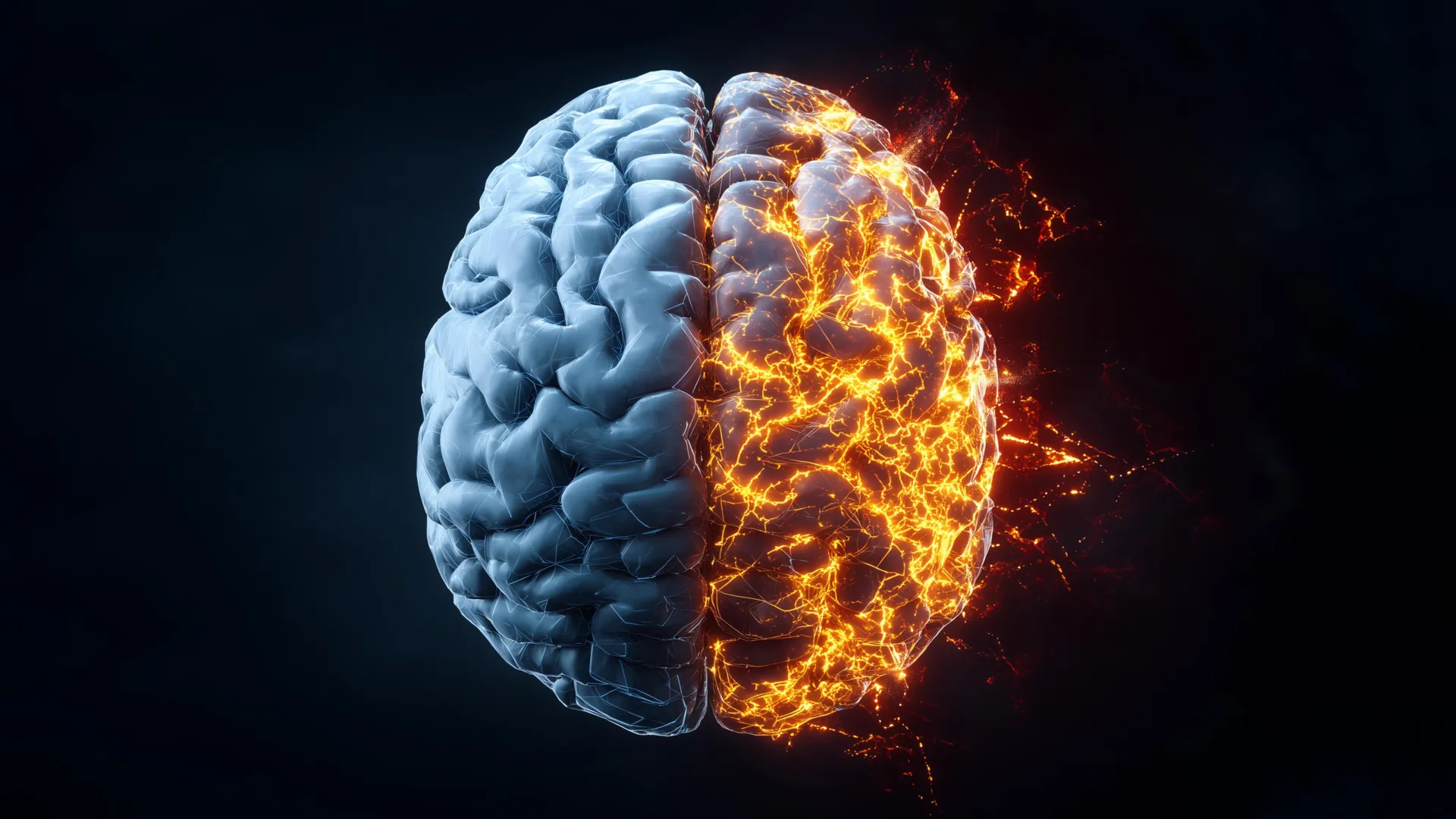
Why it matters: This adds a concrete, pathway-specific mechanism to the growing hypothesis that neuroinflammation is a core driver of Alzheimer’s pathology, potentially opening a new avenue for multi-target drug development.
Context: The Alzheimer’s therapeutic field is pivoting from a singular focus on amyloid clearance toward multi-target approaches that address neuroinflammation, tau pathology, and synaptic health concurrently.
"Alzheimer’s work has long centered on plaques and tangles," says Baban. "But our study shows that chronic autoinflammation is also a core driver of the disease. What’s exciting is that CBD not only calms this immune overactivation but, in earlier work, we’ve shown it can also help clear plaques and tangles through a different mechanism. Together, this points to a multitarget approach with real therapeutic potential." — SCIENCEDAILY
Commentary: The study’s value lies less in proving CBD’s efficacy—mouse models are distant from human outcomes—and more in validating specific inflammatory pathways as druggable targets. It provides a mechanistic scaffold for more precise immunomodulatory therapies, though the leap from inhaled CBD in rodents to a regulated Alzheimer’s treatment remains vast, fraught with delivery, dosing, and specificity challenges.
Date: Thu, 28 May 2026 21:35:52 EDT
URL: https://www.sciencedaily.com/releases/2026/05/260528082507.htm
AI Sentiment Score: Negative (50%)
AI Credibility Score: 10.0/10 — High
Scores and text generated by AI analysis of the source article indicated.
Alzheimer’s May Begin Decades Earlier Than You Think, New Mayo … (Scitechdaily)
Summary: New Mayo Clinic research, published in Alzheimer’s & Dementia, identifies specific age windows where Alzheimer’s disease biomarkers accelerate, long before clinical symptoms appear. The study suggests cognitive decline becomes more noticeable in the late 50s, amyloid accumulation intensifies in the early 60s, and tau pathology and neurodegeneration markers increase sharply from the late 60s into the early 70s.
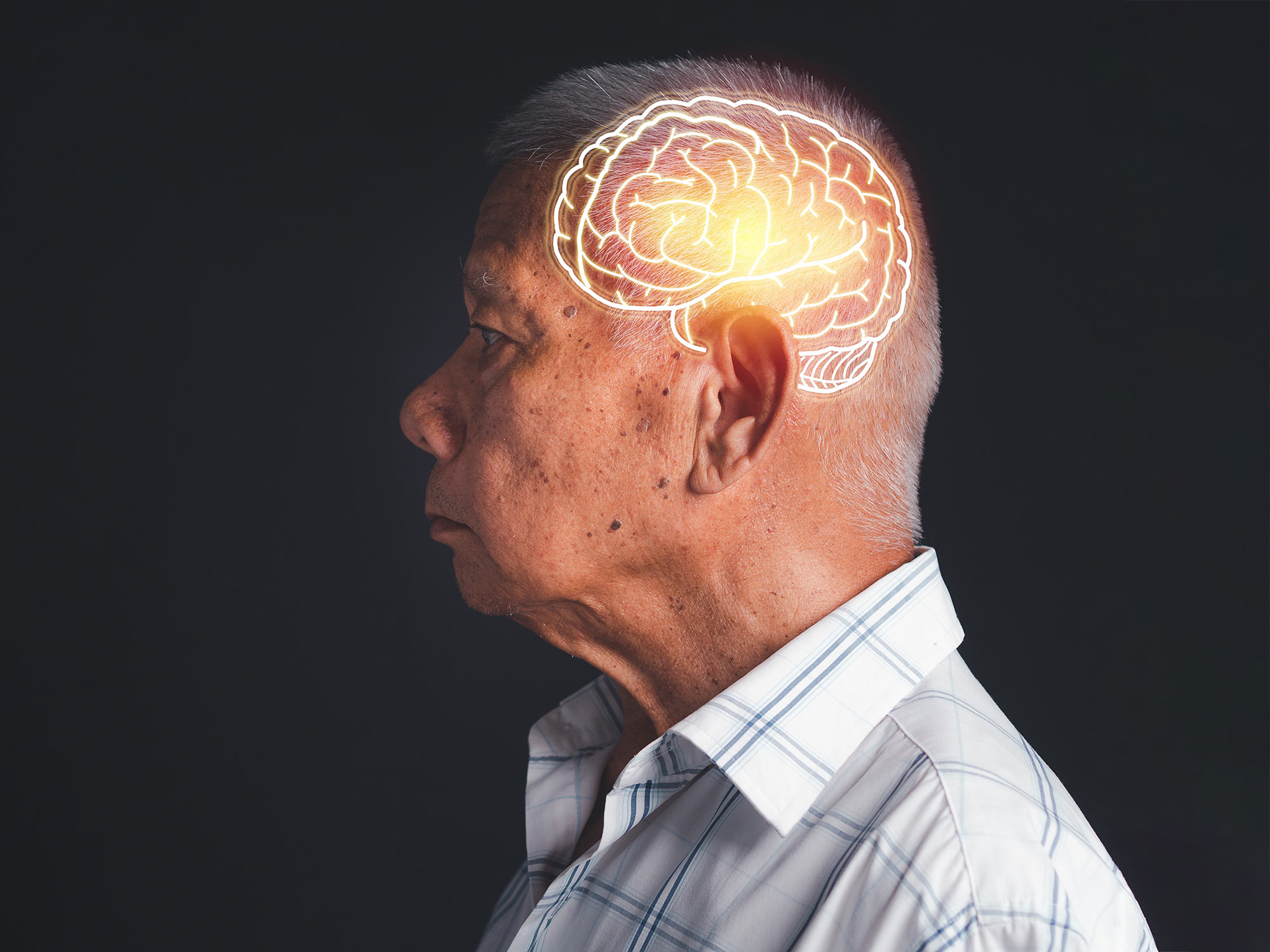
Why it matters: This reframes the timeline for Alzheimer’s intervention, shifting the focus of detection and prevention trials to midlife and creating a more precise staging of the preclinical disease.
Context: This work is part of a broader shift toward defining Alzheimer’s as a biological process measured in decades, not years, aligning with initiatives like the NIA-AA research framework and the push for blood-based biomarkers.
"Alzheimer’s disease may begin its biological progression far earlier than symptoms suggest, with subtle shifts in brain and blood markers emerging decades in advance. Scientists are uncovering a hidden phase of Alzheimer’s." — SCITECHDAILY
Commentary: The study operationalizes the ‘preclinical’ phase, providing actionable age brackets for biomarker screening. This could pressure primary care to integrate cognitive surveillance earlier and force a re-evaluation of trial endpoints for prevention therapies. The data also implies a coming stratification of ‘brain aging’ risk profiles in midlife, with profound implications for insurance, financial planning, and public health messaging.
Date: April 30, 2026 12:00 AM ET
URL: https://scitechdaily.com/alzheimers-may-begin-decades-earlier-than-you-think-new-mayo-clinic-study-finds/
AI Sentiment Score: Negative (87%)
AI Credibility Score: 10.0/10 — High
Scores and text generated by AI analysis of the source article indicated.
MIT-based team releases first AI foundation model for Alzheimer’s … (Picower.Mit.Edu)
Summary: A team led by MIT researchers has released FINGERS-7B, the first AI foundation model specifically designed for Alzheimer’s disease and frontotemporal dementia. It integrates lifestyle, clinical, genomic, and proteomic data to identify preclinical biomarkers, claiming a fourfold increase in diagnostic accuracy and a 130% improvement in stratifying treatment responders compared to prior methods. The open-source model is deployed in the Alzheimer’s Disease Data Initiative’s AD Workbench cloud environment, paired with AI agents for automated analysis. This represents a shift from single-domain models to a multi-omic approach for early, personalized risk prediction and intervention planning.

Why it matters: This model directly addresses the critical need for earlier, more accurate preclinical detection in neurodegenerative diseases, potentially enabling preventative strategies years before symptom onset.
Context: The field has been moving toward multi-modal data integration, but existing models typically analyze data streams sequentially. Foundation models in biomedicine have been largely generic; FINGERS-7B is a domain-specific application targeting the long preclinical phase of Alzheimer’s.
"Alzheimer’s disease is best addressed as early as possible, ideally before symptoms become apparent. To enable early, accurate risk prediction both for individuals and whole populations, a team of AI researchers, physicians,." — PICOWER.MIT.EDU
Commentary: The release as an open-source tool within the ADDI’s established AD Workbench is a strategic move for rapid adoption and validation by the research community, but it also places the burden of clinical translation and ethical scrutiny on downstream users. If the performance claims hold, it could accelerate clinical trial design by better identifying at-risk cohorts and predicting intervention efficacy, reshaping both research economics and the standard of care. However, the model’s utility will be constrained by the availability and standardization of the multi-omic data it requires, potentially creating a two-tiered system between well-resourced centers and broader clinical practice.
Date: April 26, 2026 12:00 AM ET
URL: https://picower.mit.edu/news/mit-based-team-releases-first-ai-foundation-model-alzheimers-prevention
AI Sentiment Score: Negative (71%)
AI Credibility Score: 7.0/10 — Medium
Scores and text generated by AI analysis of the source article indicated.
Bateman and Holtzman receive 2026 American Innovator Award (Medicine.Washu.Edu)
Summary: Washington University neurologists Randall Bateman and David Holtzman have received the 2026 American Innovator Award for their foundational work in developing blood-based diagnostics for Alzheimer’s disease. Their research, spanning decades, enabled the detection of Alzheimer’s pathology years before clinical symptoms, shifting diagnosis from neuroimaging to accessible fluid biomarkers. This scientific groundwork led directly to the commercialization of the PrecivityAD test by their startup, C2N Diagnostics.
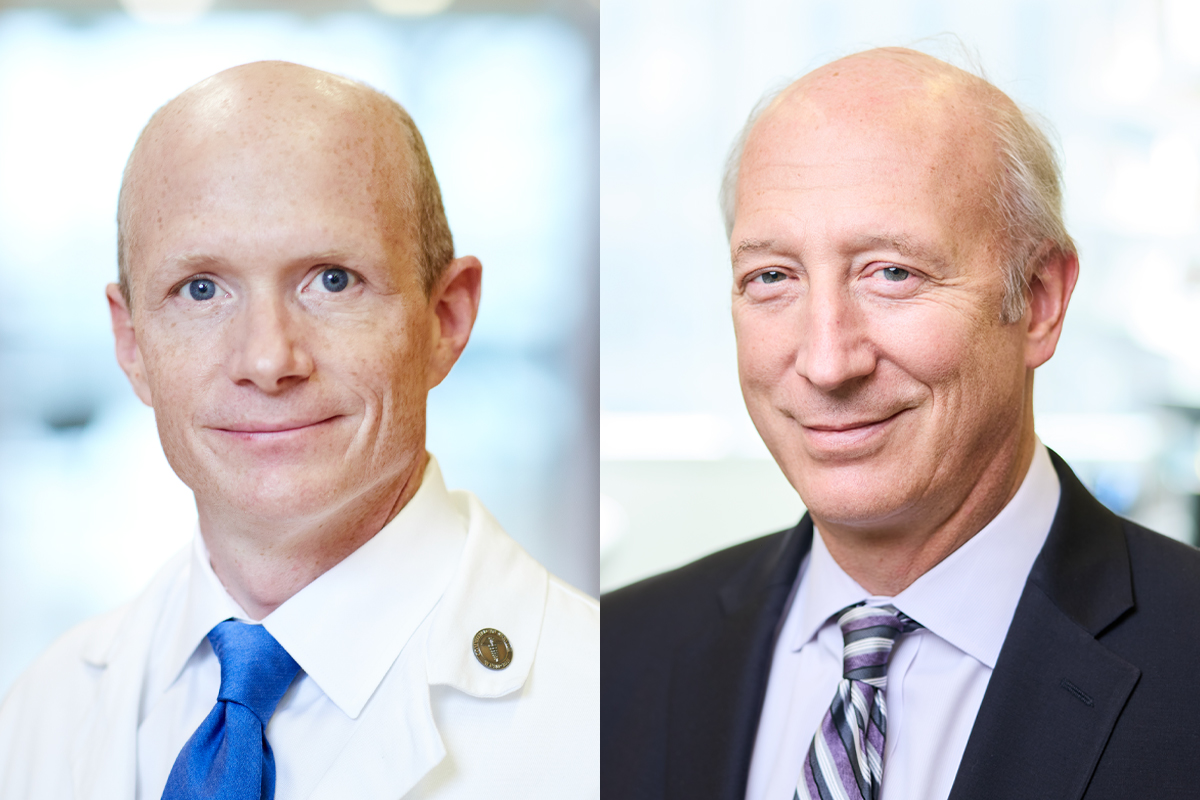
Why it matters: The award underscores the transition of Alzheimer’s diagnostics from academic research to commercialized, scalable tools, a critical step for population-level screening and early intervention trials.
Context: The validation and commercialization of blood-based biomarkers is a central strategic front in neurodegenerative disease, aiming to reduce the cost and complexity of diagnosis to enable earlier and more widespread detection.
"Bateman and Holtzman pioneered the first methods for detecting Alzheimer’s disease in living patients through blood and cerebrospinal fluid rather than neuroimaging — work that grew out of more than three decades of foundational neuroscience research at WashU Medicine." — MEDICINE.WASHU.EDU
Commentary: The award highlights the Bayh-Dole framework’s role in translating long-term academic research into tangible public health tools. The success of C2N Diagnostics sets a precedent for other academic spin-offs in the neurodiagnostics space, but also raises questions about equitable access and the integration of these tests into standard care pathways beyond specialized centers.
Date: May 22, 2026 12:00 AM ET
URL: https://medicine.washu.edu/news/bateman-and-holtzman-receive-2026-american-innovator-award/
AI Sentiment Score: Negative (66%)
AI Credibility Score: 10.0/10 — High
Scores and text generated by AI analysis of the source article indicated.
The Harvard Gazette: The Puzzle of Alzheimer’s Disease (Canisgallicus)
Summary: Harvard researchers Bruce Yankner, Sandeep Robert Datta, and Chenghua Gu are pursuing divergent biological pathways to understand Alzheimer’s disease, moving beyond the dominant amyloid and tau protein models. Yankner’s lab is investigating brain lithium depletion as a potential early driver of pathology, Datta is exploring a risk gene that facilitates damaging communication between brain microglia and peripheral T cells, and Gu is probing whether vascular dysfunction is a cause or consequence of early disease. Their pluralistic approach reflects a field-wide pivot toward basic biology and non-amyloid mechanisms following the limited clinical success of plaque-clearing drugs.

Why it matters: The shift toward investigating lithium, neuroimmune crosstalk, and vascular biology represents a strategic diversification of therapeutic targets, which could unlock interventions for patient subgroups unresponsive to current anti-amyloid therapies.
Context: This follows the FDA approval of lecanemab and donanemab, which validated amyloid as a modifiable target but also exposed its limitations, catalyzing a search for complementary or alternative disease mechanisms.
"- Topics – Sections Search – All Articles – The Puzzle of Alzheimer’s Disease April 2026 The Puzzle of Alzheimer’s Disease Three scientists taking varied approaches to understanding Alzheimer’s discuss what it." — CANISGALLICUS
Commentary: Yankner’s lithium hypothesis offers a mechanistic link between aging, plaques, and cognitive decline that could explain pathological heterogeneity. Datta’s focus on a single gene orchestrating neuroimmune crosstalk suggests a tractable point for systemic intervention. Gu’s vascular work targets the pre-symptomatic phase, potentially moving the field toward prevention. Collectively, these approaches signal a maturation from monolithic theory to a systems-level understanding, though clinical translation remains years away.
Date: April 27, 2026 12:00 AM ET
URL: https://canisgallicus.com/2026/04/27/the-harvard-gazette-the-puzzle-of-alzheimers-disease/
AI Sentiment Score: Negative (50%)
AI Credibility Score: 7.0/10 — Medium
Scores and text generated by AI analysis of the source article indicated.
Alzheimer’s Disease Nears an Inflection Point in Diagnosis and Care (Consultqd.Clevelandclinic)
Summary: Blood-based biomarker tests for Alzheimer’s disease are now clinically available, enabling earlier detection in primary care settings, though they currently serve as triage tools requiring confirmatory PET or CSF testing. Concurrently, amyloid-targeting monoclonal antibody therapies like lecanemab are demonstrating sustained efficacy in slowing cognitive decline over multiple years in early-stage patients. These developments are fueling a fundamental debate among experts about redefining AD as a biological condition diagnosed via biomarkers prior to symptom onset, potentially shifting its classification to a chronic, manageable disease.
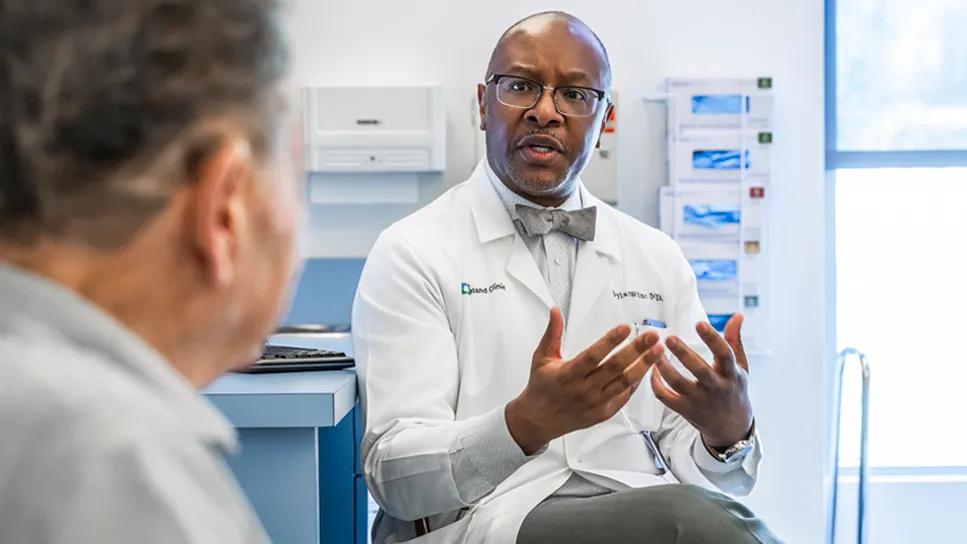
Why it matters: This convergence of diagnostics and therapeutics is reshaping clinical pathways, healthcare economics, and the very definition of Alzheimer’s, with profound implications for patients, caregivers, payers, and drug developers.
Context: The field has moved from postmortem confirmation to antemortem imaging and CSF tests, and now to less invasive blood assays, all while the first disease-modifying therapies have gained regulatory approval, creating a new imperative for early, accurate diagnosis.
"The ability to detect preclinical plaque accumulation and the proposal for biomarker positivity to constitute an AD diagnosis could result in millions more people being classified as having the disease." — CONSULTQD.CLEVELANDCLINIC
Commentary: The operational shift from symptom-based to biomarker-based diagnosis will massively expand the treated population, straining diagnostic infrastructure and forcing payers to develop new coverage criteria. It also raises ethical and psychological questions about labeling asymptomatic individuals, while creating a larger, earlier-stage market for pharmaceutical interventions. The variable accuracy of current BBMs means the near-term landscape will be defined by stepped diagnostic protocols, with primary care acting as a triage funnel to neurology.
Date: May 13, 2026 12:00 AM ET
URL: https://consultqd.clevelandclinic.org/alzheimers-disease-nears-an-inflection-point-in-diagnosis-and-care
AI Sentiment Score: Negative (50%)
AI Credibility Score: 10.0/10 — High
Scores and text generated by AI analysis of the source article indicated.
Henrik Zetterberg – Cure Alzheimer’s Fund (Curealz)
Summary: These projects were made possible from Cure Alzheimer’s Fund support. These published papers resulted from Cure Alzheimer’s Fund support. Berntsen, T., Blennow, K., Zetterberg, H., …

Why it matters: This matters for Alzheimer’s Disease and Frontal Temporal Dementia because it gives a concrete current signal to track: These projects were made possible from Cure Alzheimer’s Fund support.
Context: These projects were made possible from Cure Alzheimer’s Fund support. These published papers resulted from Cure Alzheimer’s Fund support. Berntsen, T., Blennow, K., Zetterberg, H., …
"These projects were made possible from Cure Alzheimer’s Fund support. These published papers resulted from Cure Alzheimer’s Fund support. Berntsen, T., Blennow, K., Zetterberg, H., … Neerland, B. E. Increased cerebrospinal fluid." — CUREALZ
Commentary: The immediate implication is operational rather than speculative: watch how this changes budgets, workflows, or risk assumptions over the next cycle.
Date: May 14, 2026 12:00 AM ET
URL: https://curealz.org/researchers/henrik-zetterberg/
AI Sentiment Score: Positive (60%)
AI Credibility Score: 9.0/10 — High
Scores and text generated by AI analysis of the source article indicated.
Post ID: b4711f8c