

Fashion
Luxury Briefing: As luxury shoppers become more selective, couture is becoming a stronger VIC tool (Glossy.Co)
Summary: Haute Couture Week in Paris is evolving from a showcase for ultra-wealthy clients into a strategic tool for brands to cultivate younger, more selective high spenders. With the personal luxury goods market down 2% in 2025, houses are using couture’s exclusivity, service, and access to deepen relationships with Very Important Clients (VICs) and drive cross-category spending. Younger clients in their early 30s are entering couture via accessories and separates, while brands like Pandora and Levi’s leverage the week’s cultural cachet for accessible marketing. The shift reflects a broader market where consumers concentrate budgets on fewer, more meaningful pieces, and couture functions as both a loyalty engine and a research lab for ready-to-wear lines.
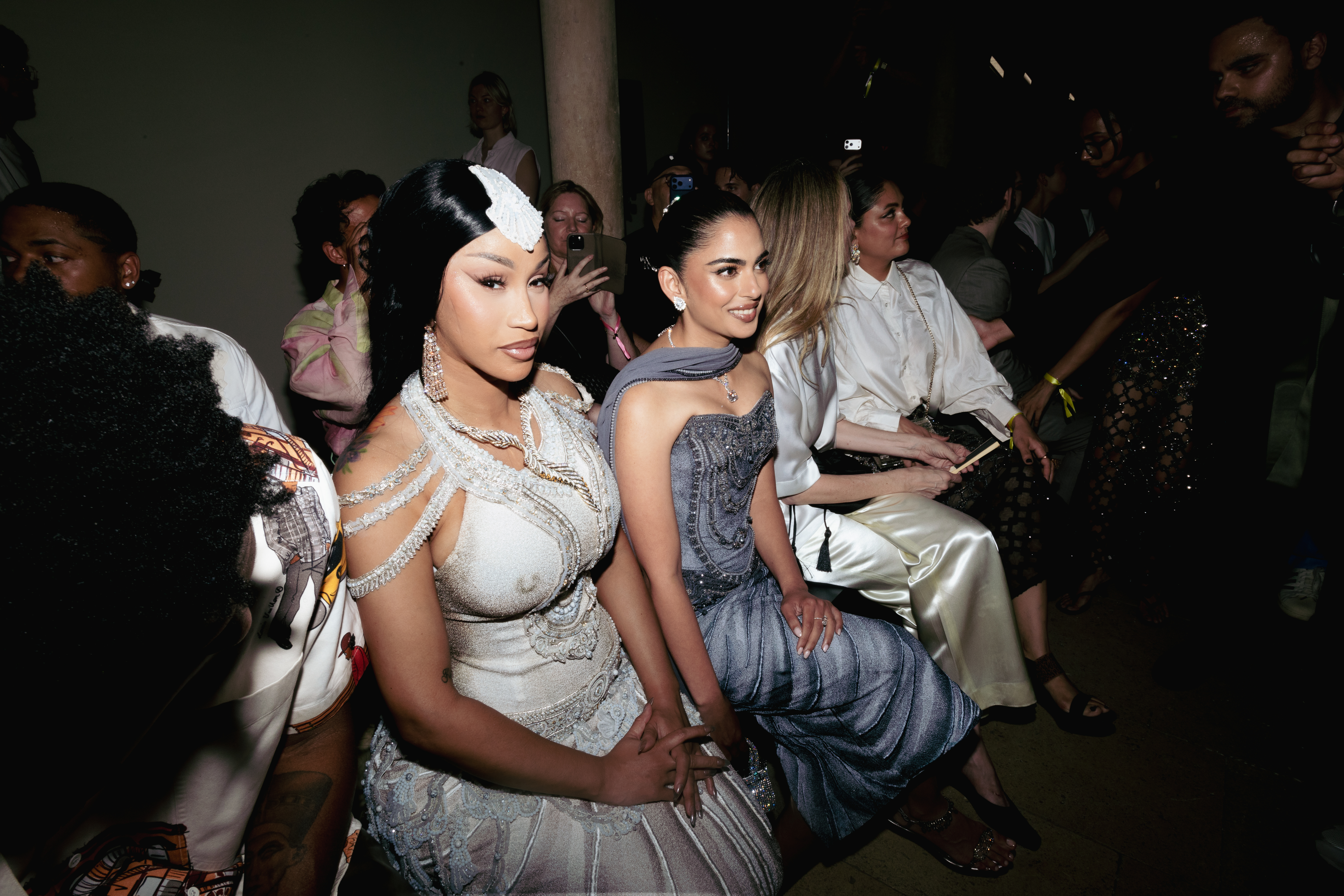
Why it matters: For brands and luxury retailers, the operational takeaway is clear: couture is no longer just a loss-leader for prestige; it’s a pipeline for VIC acquisition, cross-selling, and product innovation that directly shapes ready-to-wear and accessories strategies.
Context: Bain’s latest luxury report shows consumers are 2% less forgiving of weak products or service, while U.S. shoppers under 35 are increasing luxury spending four percentage points faster than older cohorts.
"In this week’s Luxury Briefing, Glossy digs into Haute Couture Week in Paris with luxury sourcer Gab Waller, concierge specialist Isabel Bazzani, designer Rahul Mishra and Bain senior partner Federica Levato —." — GLOSSY.CO
Commentary: The real operational shift is that couture now serves as a CRM funnel: entry-point accessories (Chanel’s beanstalk shoes) pull younger clients into private appointments, where service intensity and customization lock in long-term spend across categories. Brands should audit their couture-to-RTW pipeline and invest in atelier capacity for separates and multi-styling pieces, as Rahul Mishra’s approach suggests. The Pandora and Levi’s activations also signal that non-couture brands can rent the week’s halo without the runway overhead, but risk diluting the exclusivity that makes the tool work.
Date: July 10, 2026 12:00 AM ET
URL: https://www.glossy.co/fashion/luxury/haute-couture-younger-luxury-customers-pandora-levis-tory-burch/
AI Sentiment Score: Negative (60%)
AI Credibility Score: 10.0/10 — High
Scores and text generated by AI analysis of the source article indicated.
Fashion Briefing: As Gen Z goes back to the mall, Garage is opening 20 profitable stores a year (Glossy.Co)
Summary: Garage, a 51-year-old Canadian Gen Z brand, is opening 20 stores annually with 30% profit margins and profitability from day one, driven by a strategic focus on top-tier malls where Gen Z foot traffic is surging. Parent company Groupe Dynamite’s profits doubled to $51 million on over $1 billion in revenue, with a 37% year-over-year revenue increase. Meanwhile, JCPenney is targeting the same demographic through loyalty program integrations with mall staples like Aéropostale, as Gen Z accounts for 62% of mall purchases. The operational takeaway: both brands are betting on high-traffic, amenity-rich malls as the primary channel for capturing Gen Z spend, with Garage actively closing lower-tier locations despite their profitability.

Why it matters: For fashion retailers and mall operators, Garage’s model demonstrates that disciplined site selection and inventory velocity in top-tier malls can yield consistent profitability, even as lower-tier locations remain viable but slower—offering a playbook for optimizing physical retail in a Gen Z-led mall resurgence.
Context: Gen Z’s return to malls is reshaping retail strategy, with Placer.ai data showing increased foot traffic in five of the first six months of 2026, and Circana reporting that younger customers drive 62% of mall purchases.
"This week, a deep dive on cult Canadian Gen Z brand Garage, including how it has achieved 30% profit margins and making each new store profitable from day one. We also speak." — GLOSSY.CO
Commentary: Garage’s tiered mall strategy is a practical filter for capital allocation: prioritize locations with lifestyle amenities that drive foot traffic and inventory velocity, even if lower-tier stores are profitable. For brands expanding physical retail, the key metric isn’t just per-store profitability but inventory turn rate, which directly impacts working capital and scalability. JCPenney’s loyalty cross-pollination with Aéropostale formalizes organic cross-shopping, reducing customer acquisition costs by leveraging existing mall traffic patterns—a low-friction tactic for legacy retailers to capture Gen Z without new store builds.
Date: July 09, 2026 12:00 AM ET
URL: https://www.glossy.co/fashion/fashion-briefing-as-gen-z-goes-back-to-the-mall-garage-is-opening-20-profitable-stores-a-year/
AI Sentiment Score: Negative (60%)
AI Credibility Score: 10.0/10 — High
Scores and text generated by AI analysis of the source article indicated.
Post ID: 24b120d2