Apparel Trade, Pricing, and Supply Chain Pressures
Apparel Brand Pricing Strategy for 2026 | Eightx (Eightx.Co)
Summary: Pricing Apparel Brand Pricing Strategy for 2026 Apparel pricing is a margin-architecture decision, not a markup one. A healthy 55.3% median gross margin still converts to just 6.7% operating margin once 25-40% returns, $30-70 CAC, and a 2026 tariff jump from 14.7% to 35.1% are paid for. Price to the operating line: set markup by channel, net of returns, and pass tariffs through surgically.

Why it matters: This matters for Fashion because it gives a concrete current signal to track: Pricing Apparel Brand Pricing Strategy for 2026 Apparel pricing is a margin-architecture decision, not a markup one.
Context: Pricing Apparel Brand Pricing Strategy for 2026 Apparel pricing is a margin-architecture decision, not a markup one. A healthy 55.3% median gross margin still converts to just 6.7% operating margin once 25-40% returns, $30-70 CAC, and a 2026 tariff jump from 14.7% to 35.1% are paid for. Price to the operating line: set markup by channel, net of returns, and pass tariffs through surgically.
"Pricing Apparel Brand Pricing Strategy for 2026 Apparel pricing is a margin-architecture decision, not a markup one. A healthy 55.3% median gross margin still converts to just 6.7% operating margin once 25-40%." — EIGHTX.CO
Commentary: The immediate implication is operational rather than speculative: watch how this changes budgets, workflows, or risk assumptions over the next cycle.
Date: June 14, 2026 08:00 PM ET
URL: https://eightx.co/blog/apparel-brand-pricing-strategy
AI Sentiment Score: Positive (66%)
AI Credibility Score: 10.0/10 — High
Scores and text generated by AI analysis of the source article indicated.
US Tariffs Force Vietnam Garment Exporters Into New Strategy (Globaltextiletimes)
Summary: Vietnamese garment exporters are navigating a 20% US tariff imposed in August 2025, with additional uncertainty from a temporary 10% duty under Section 232 of the Trade Act. Despite a 3.5% year-on-year export increase to $3.19 billion in May 2026, the industry faces compressed margins due to higher costs and a 40-50% reliance on imported raw materials. Companies are adjusting production pacing, pricing, and diversifying markets to stabilize orders. The evolving US-Vietnam trade agreement framework remains the key variable for future competitiveness.

Why it matters: For brands and retailers sourcing from Vietnam, this signals imminent cost pass-throughs, potential order renegotiations, and a need to audit supply chain exposure to tariff classifications, especially for goods with Chinese-origin inputs.
Context: Vietnam is a top-three apparel supplier to the US, and its cost advantage has eroded as tariffs and raw material import dependency squeeze margins that were already thin.
"The Vietnamese textile and garment industry finds itself at a critical juncture, navigating complex trade policies and evolving market dynamics as it confronts the ongoing impact of US tariffs. Despite initial growth." — GLOBALTEXTILETIMES
Commentary: The transshipment risk is the operational landmine here: any brand using Vietnamese assembly with Chinese fabric or trim faces a 40% tariff cliff, not the headline 20%. This could force sourcing teams to either re-route raw material flows through US cotton quotas or accept the cost. Expect accelerated nearshoring trials and a scramble for origin-certified inputs as the 150-day Section 122 window closes.
Date: June 14, 2026 08:00 PM ET
URL: https://globaltextiletimes.com/textile/navigating-the-shifting-sands-us-tariffs-and-the-future-of-vietnamese-textiles
AI Sentiment Score: Negative (71%)
AI Credibility Score: 10.0/10 — High
Scores and text generated by AI analysis of the source article indicated.
US Buyers Squeeze Indian Apparel Exporters with 5–10% Discount Demands | Trade News India (Apparelresources)
Summary: US buyers are demanding 5–10% discounts on Indian apparel orders for Spring 2027, compressing margins as rival sourcing hubs like Vietnam and Cambodia gain share. India’s RMG exports fell for the sixth straight month in May 2026, down 14.2% YoY, though diversification into UK, UAE, and EU markets is partially offsetting losses. Industry forecasts project a 3–5% revenue decline in FY26 before an 8–11% rebound in FY27, with operating margins recovering to 9.5% from a compressed 7.5%.

Why it matters: For Indian apparel exporters, this signals a structural shift in buyer leverage: discount demands are no longer episodic but embedded in sourcing strategy, forcing factories to either absorb margin hits or lose volume to lower-cost competitors.
Context: India’s apparel sector has long relied on US buyers for roughly one-third of exports, but geopolitical disruptions and rising input costs have eroded its price advantage. Free trade agreements with the UK and Europe offer a lifeline, but the US market remains the primary volume driver.
"Indian apparel exporters are facing mounting pressure as US buyers are seeking discounts of 5-10% across apparel categories, squeezing margins at a time when the sector is already grappling with weak demand,." — APPARELRESOURCES
Commentary: The 200-basis-point margin recovery projected for FY27 assumes a demand rebound that may not materialize if US buyers maintain discount pressure. Exporters should prioritize operational efficiency and FTAs to defend margins, but the real risk is a permanent shift in US sourcing away from India, not a temporary squeeze.
Date: June 18, 2026 08:57 AM ET
URL: https://apparelresources.com/business-news/trade-business-news/us-buyers-squeeze-indian-apparel-exporters-5-10-discount-demands
AI Sentiment Score: Negative (63%)
AI Credibility Score: 10.0/10 — High
Scores and text generated by AI analysis of the source article indicated.
Price rises, not demand, to drive apparel market growth in 2026 (Just-Style)
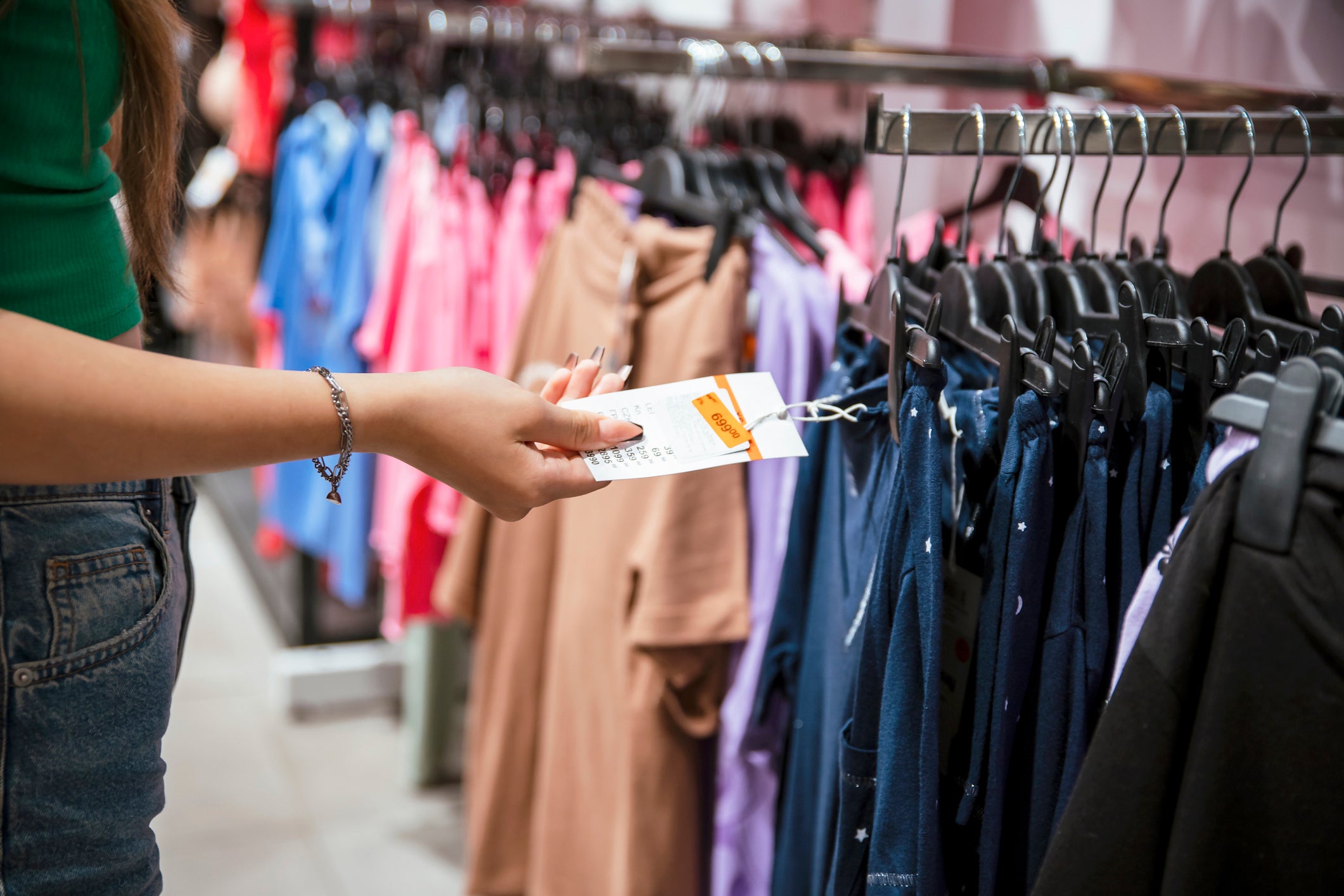
Summary: Global apparel market growth for the remainder of 2026 will be driven primarily by price increases rather than rising consumer demand, as the Iran war and persistent inflation suppress spending. This means brands and retailers face a challenging environment where volume growth is weak, and any revenue gains must come from higher average unit prices.
Why it matters: For fashion brands and retailers, this signals a shift in strategy: margin management and pricing power become critical, while volume-driven growth models may underperform. Sourcing and inventory planning must account for suppressed demand and potential consumer resistance to further price hikes.
Context: The apparel industry has been navigating post-pandemic inflation and supply chain disruptions, with the Iran war adding new geopolitical and economic pressures that dampen consumer confidence and spending.
"The global apparel market is forecast to grow for the remainder of 2026, but much of that increase will come from higher prices rather than stronger consumer demand as the Iran war and inflation continue to weigh on spending." — JUST-STYLE
Commentary: Brands should prepare for a pricing treadmill where cost pass-through becomes the primary growth lever, risking demand erosion if consumers trade down or delay purchases. Sourcing teams will need to lock in favorable raw material and labor costs to protect margins, while merchandisers must sharpen value messaging to justify higher price points. The operating environment favors lean inventory and fast-cycle replenishment over speculative bulk buys.
Date: June 19, 2026 06:02 AM ET
URL: https://just-style.com/news/price-rises-not-demand-to-drive-apparel-market-growth-for-rest-of-2026
AI Sentiment Score: Negative (53%)
AI Credibility Score: 10.0/10 — High
Scores and text generated by AI analysis of the source article indicated.
Source Debates Returns with Unfiltered Conversations on AI, Supply Chains and the Future of Fashion (Fashionunited.Uk)
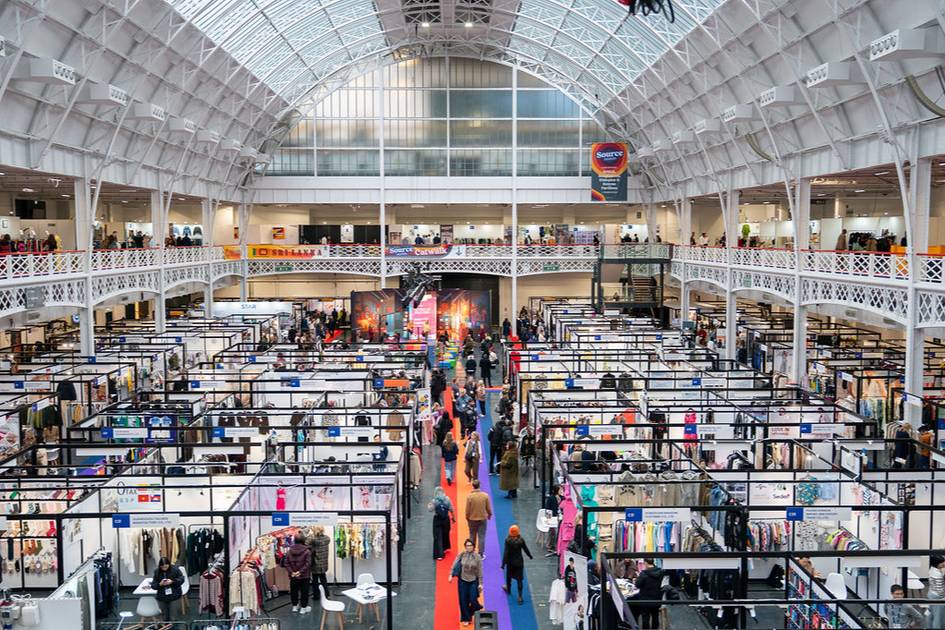
Summary: Source Fashion’s Source Debates returns for the July 2026 edition at ExCeL London, featuring a program of nine sessions that tackle AI automation in sourcing, overproduction, regulatory pressure, and circular-economy profitability. The debates are designed for industry practitioners navigating economic uncertainty, shifting legislation, and the tension between commercial and sustainability goals. Sessions will examine whether AI can replace buyers, if policy alone can drive change, and how nearshoring might build supply chain resilience.
Why it matters: For sourcing professionals and brand operators, the debates signal a shift from aspirational sustainability talk toward hard-nosed operational questions about cost, compliance, and automation—directly affecting procurement workflows, supplier relationships, and margin planning.
Context: Source Debates was absent from the January 2026 edition, making this return a recalibration of the event’s focus toward actionable, cross-sector dialogue rather than promotional panels. The lineup reflects growing industry fatigue with vague commitments and a demand for concrete, debatable trade-offs.
"Source Debates Returns with Unfiltered Conversations on AI, Supply Chains and the Future of Fashion loading… Source Fashion’s thought-provoking Source Debates stage will return for the July 2026 edition with a programme." — FASHIONUNITED.UK
Commentary: The session titles—especially ‘Will AI replace sourcing and buyers?’ and ‘Can buyers reduce overproduction or is the system just broken?’—frame the debates as confrontations with structural contradictions, not feel-good consensus. For attendees, the value lies in hearing how peers are reconciling commercial realities with regulatory and sustainability pressures, not in receiving polished answers.
Date: June 16, 2026 07:30 AM ET
URL: https://fashionunited.uk/press/business/source-debates-returns-with-unfiltered-conversations-on-ai-supply-chains-and-the-future-of-fashion/2026061688676
AI Sentiment Score: Neutral (33%)
AI Credibility Score: 10.0/10 — High
Scores and text generated by AI analysis of the source article indicated.
Post ID: e4a5ffd7